Running Shoes
Asics Metaspeed Sky Paris vs On Cloudboom Strike LS: Two Elite Carbon Racing Shoes Compared
A close comparison of two of the lightest carbon plate racing shoes around, covering price, weight, fit, ride feel, and durability.
Introduction
The Asics Metaspeed Sky Paris and the On Cloudboom Strike LS sit among the lightest carbon plate racing shoes you can buy, and both have delivered genuinely fast rides in testing. One has already established itself as a proven PB machine over the marathon, half marathon, and shorter distances. The other is only just arriving at retail and brings one of the most unusual uppers in the category.
This comparison covers price, weight, construction, fit, ride feel, and durability to help you decide which of these two super shoes deserves your race-day money.
Price and Value
Price is one of the clearest dividing lines between these two shoes. The Cloudboom Strike LS costs $330 and is expected to be £330 in the UK, putting it firmly at the very top of the racing shoe market. The Metaspeed Sky Paris is $250 or £220, which is still expensive but notably more affordable for a shoe in the same performance tier.
Specs and Design at a Glance
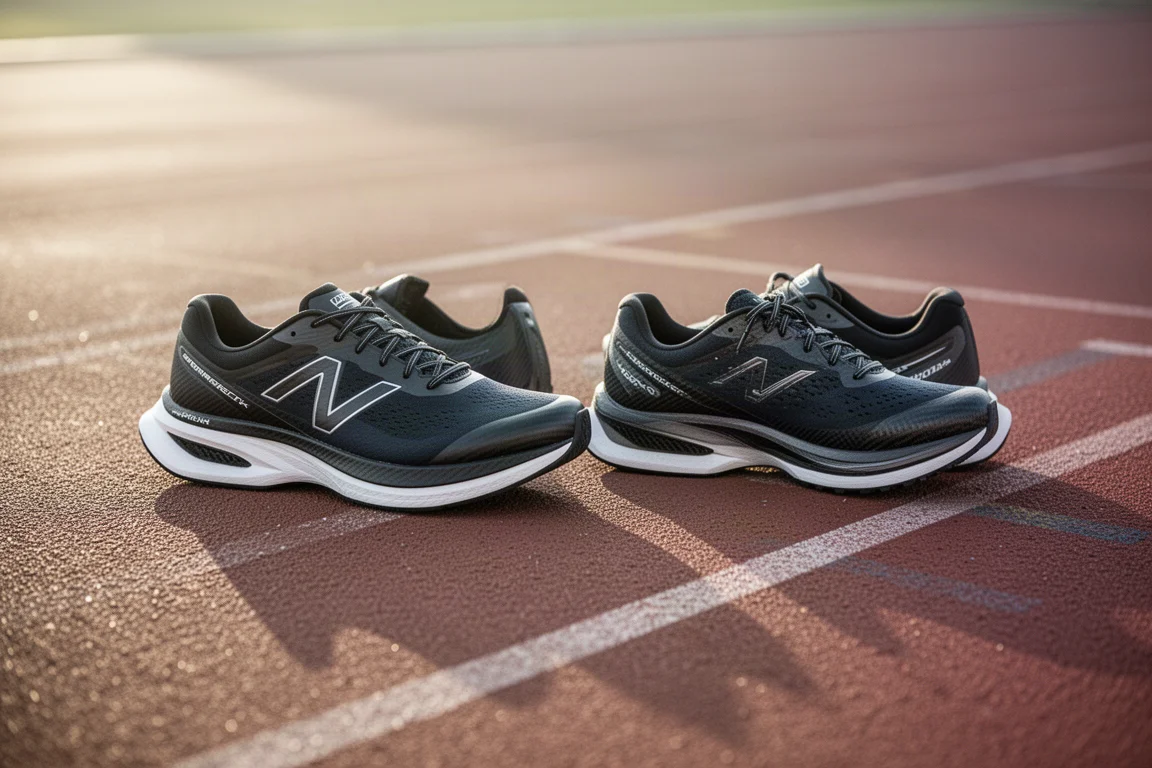
Both shoes are extremely light. The Metaspeed Sky Paris weighs 188g (6.6oz) in a UK 9, while the Cloudboom Strike LS comes in at 192g (6.8oz) in the same size. Heel stack is identical at 39.5mm, but the On drops to 35.5mm at the forefoot with its 4mm drop, while the Asics lands at 34.5mm with a 5mm drop.
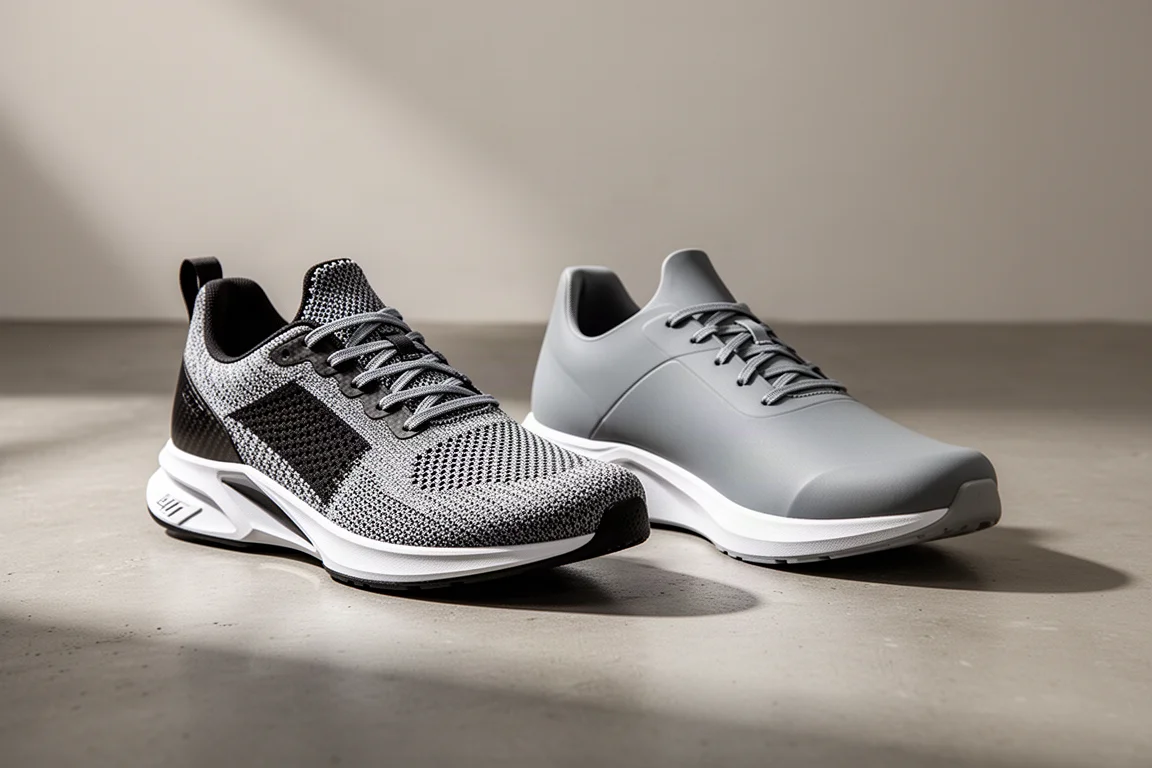
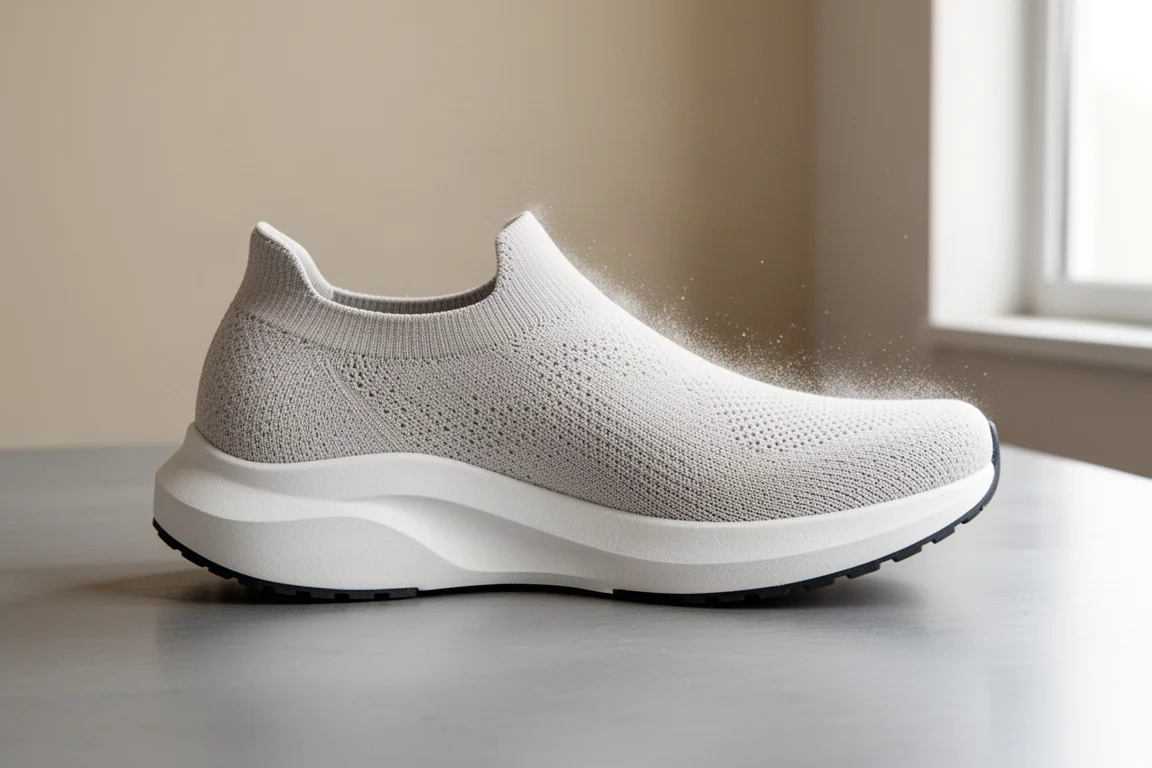
Construction differs in interesting ways. The Cloudboom Strike LS features the LightSpray upper, a seamless one-piece material fused to the base of the shoe robotically in a process that takes about three minutes. That method reduces waste and weight, bringing it level with the Asics despite the standard Cloudboom Strike being heavier. Underfoot there are two layers of Helion HF, On’s PEBA-based super foam, with a carbon speedboard sandwiched between them, plus a rubber outsole with good forefoot coverage and two strips at the heel.
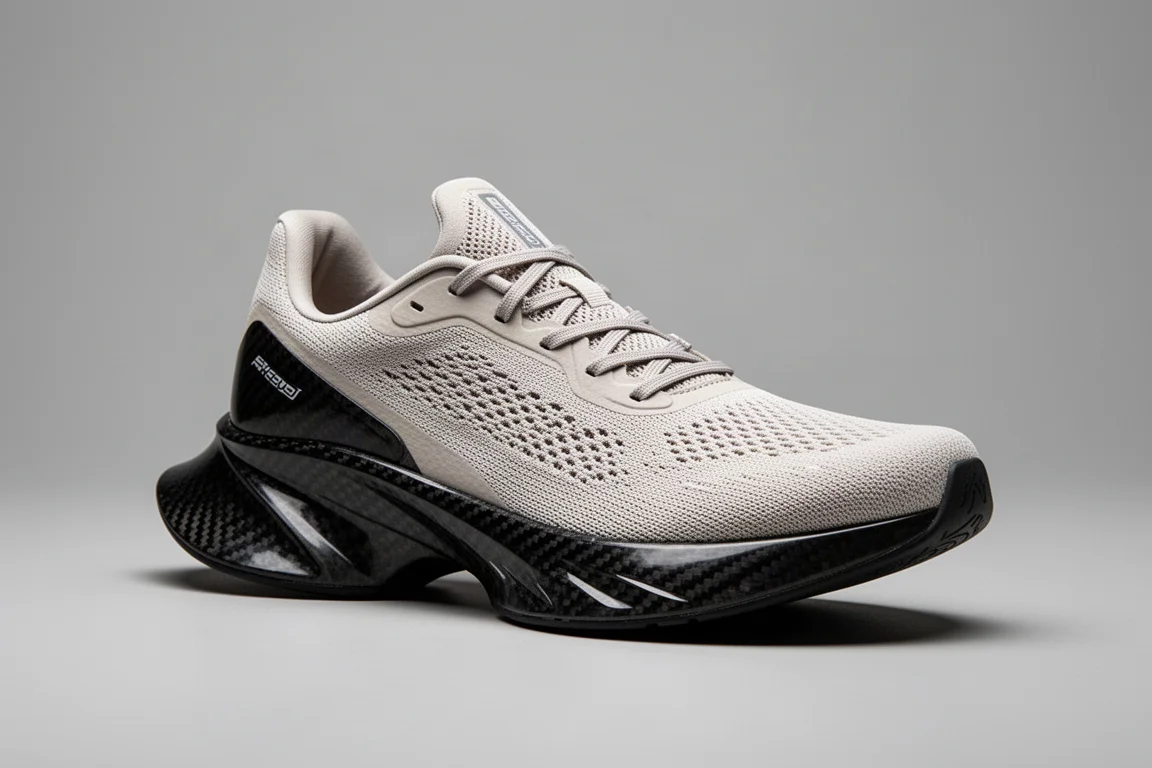
The Metaspeed Sky Paris uses a Motion Wrap 2.0 upper, a lightweight and breathable material with a more traditional layout including a small heel counter, padding at the back, and a conventional tongue. Its midsole is FF Turbo Plus foam, a bouncy and responsive material, with a full-length carbon plate inside and an Asics rubber outsole with minimal coverage to keep weight down.
Notably, both shoes skip the midsole and side cutouts that many modern super shoes use for weight saving. Given how light they already are, that choice seems to pay off in stability.
Fit and Sizing
Both shoes tested in a UK 9, which is a normal size across both brands, though be aware that a UK 9 is a US 10 in the Asics and a US 9.5 in the On. Both offered a similar amount of toe box room, and both worked well in the tester’s usual size. The Asics feels slightly more dialed in than other shoes in its own range, so bigger-footed runners relative to their size may want to check the fit carefully.
The On is the more unusual experience. The LightSpray upper takes some getting used to, and getting the shoe on takes a bit of time. Once on, though, the upper is excellent: a single piece of material with no cushioning, nothing to rub, and a clear barely-there feel on the foot. After 150km it still held as tightly as on day one with no stretching. The trade-off is that the fit cannot be adjusted, so whether the shoe suits your foot is more of a gamble, and there is some uncertainty about how the material behaves beyond 200 to 250km.
The advice from extended testing is simple: stick to your normal size in both. The Asics offers the safer, more adjustable fit, while the On rewards runners it happens to suit with something genuinely special.
Ride Feel and On-the-Road Performance
Neither shoe is the softest or squishiest carbon racer on the market. Compared with shoes that have more sink-in bounce in their foams, both the Sky Paris and the Strike LS feel more responsive and prioritise fast turnover. Both push you onto your toes quickly and deliver a responsive pop at toe-off, and their lightweight builds help keep your feet turning over at race pace.
The Metaspeed Sky Paris has proven itself over an extraordinary range of distances, with marathon, half marathon, and parkrun PBs all set in it. The standout quality is the explosive feeling off the forefoot: even though there is more stack at the heel, the shoe moves you very quickly onto the front of the foot where it feels bounciest. Despite the light weight and stiff plate, it stays comfortable deep into a marathon, with no hot spots or plate-related discomfort even in the final 5 to 6k of a race.
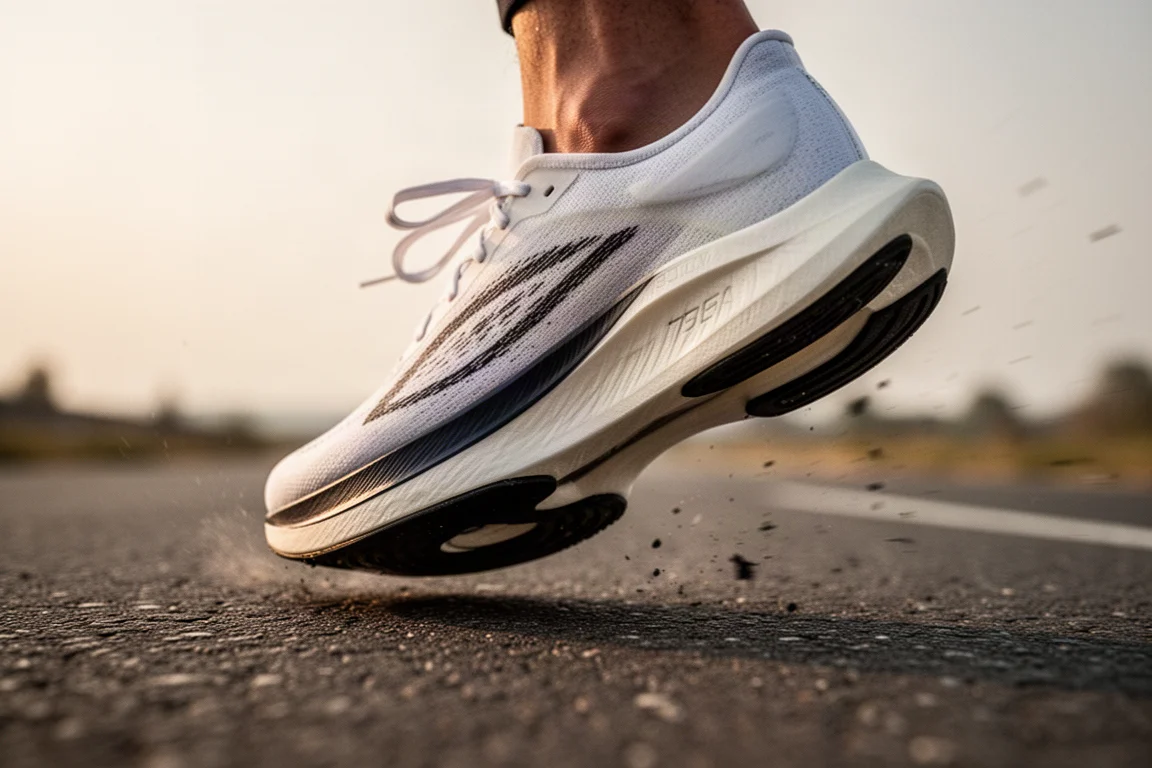
The Cloudboom Strike LS was a genuine surprise. It felt great out of the box and has kept that feeling through 150km of running, including a half marathon that produced an outstanding time. It is slightly firmer and not quite as bouncy at the forefoot as the Asics, and it may not be quite as soft all around, but it still delivers a fast transition, a smooth ride, and plenty of response at toe-off. It has also handled tough long sessions comfortably, with that barely-there upper adding to the pleasant race-day sensation.
Running in both shoes on the same day highlighted the similarities: both are light, fast-turning, and poppy at toe-off. The Asics, however, delivered a bit more punch coming onto the forefoot and a bit more spring off the toes, and it feels slightly softer overall, though some of that may come down to the Asics having more miles on it.
Durability
The Cloudboom Strike LS midsole has shown no signs of change at 150km: the firmness and responsiveness feel unchanged, with no softening or compression so far, and the upper has not stretched. Outsole wear is minimal.
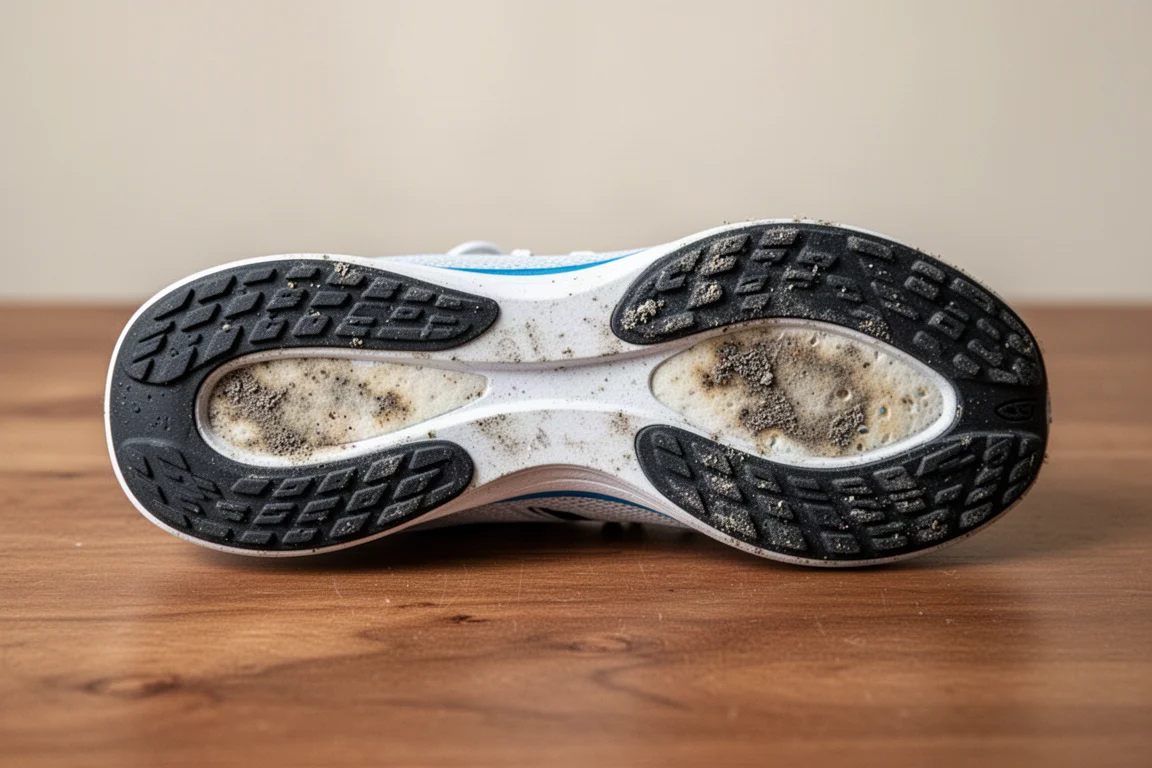
The Metaspeed Sky Paris follows a known pattern for the Sky series: heel strikers will see some wear at the back of the shoe. On this pair it appeared after about 200km, and only on the left foot where the landing is slightly more heel-focused. Some discoloured, worn exposed foam is also visible at the midfoot. The On shows the same early midfoot discoloration at 100km less use. In both cases this surface wear does not appear to affect performance: the rubber outsoles are wearing and gripping well, and the real limiting factor is likely midsole compression somewhere around 300 to 400km.
Which One Should You Buy?
The verdict here leans clearly toward the Asics Metaspeed Sky Paris. It is significantly cheaper, its traditional upper lets you adjust and lock down the fit for racing, and its ride delivers slightly more explosive toe-off. It has also earned its reputation with PBs across every race distance tried in it.
The Cloudboom Strike LS is worth considering if the LightSpray upper appeals and you are willing to accept the fit gamble. If the shoe happens to suit your foot, that seamless barely-there feel is a genuinely special race-day experience. But at $330 for a novel upper and a ride that narrowly trails the Asics in toe-off pop, it is an expensive bet.
Conclusion
Both of these are outstanding lightweight carbon racing shoes with fast turnover and responsive toe-offs, and both avoid the midsole cutouts common in the category. The Metaspeed Sky Paris remains the safer and better-value choice for pure performance, while the Cloudboom Strike LS offers a distinctive upper and ride for runners it happens to fit. For most racers, the Asics is the one to go for.
Further reading
Related Reviews

Running Shoes
Best Road-to-Trail Running Shoes: Three Versatile Options for Mixed Terrain
A practical guide to three road-to-trail running shoes that handle both pavement and mild trails, with clear strengths and trade-offs for different runner types.

Running Shoes
Best Running Shoes for Achilles Tendonitis: Three Options Explained
Three running shoes with different heel drops and support features designed to help reduce Achilles tendon pain during walking and running.

Running Shoes
Best Running Shoes for Women: Five Top Choices Ranked
A ranked guide to five women's running shoes, from versatile daily trainers to high-performance racing options, with real strengths and trade-offs for each.