Running Shoes
Asics Metaspeed Sky Paris vs Nike Vaporfly 3: Which Carbon Racer Wins?
Two of the best carbon plate racing shoes compared on weight, fit, ride feel, and durability to help you pick the right one for race day.
Introduction
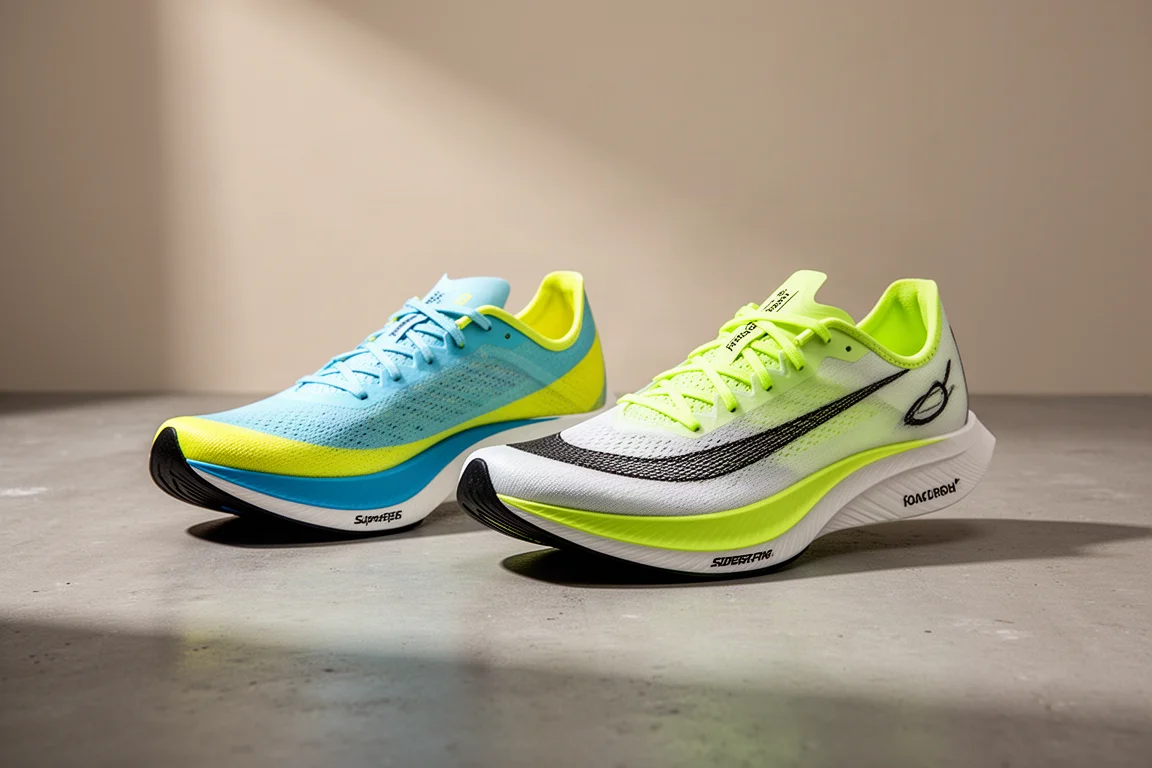
The Asics Metaspeed Sky Paris and the Nike Vaporfly 3 are both carbon plate racing shoes, and both sit near the top of the market. Neither is cheap: the Metaspeed Sky Paris lists at £220 or $255, while the Vaporfly 3 runs £235 or $250, with some newer colorways closer to £240. After substantial mileage in both, including races and marathon-length runs, the honest verdict is that both are excellent, but they reward slightly different runners and distances. This comparison breaks down where each one wins.
Weight and Specs
The Metaspeed Sky Paris is the lighter of the two. In a UK size 9 it weighs 188g (6.6oz), against 206g (7.3oz) for the Vaporfly 3, so both are very light by any standard. Drop differs too: 5mm on the Asics versus 8mm on the Nike.

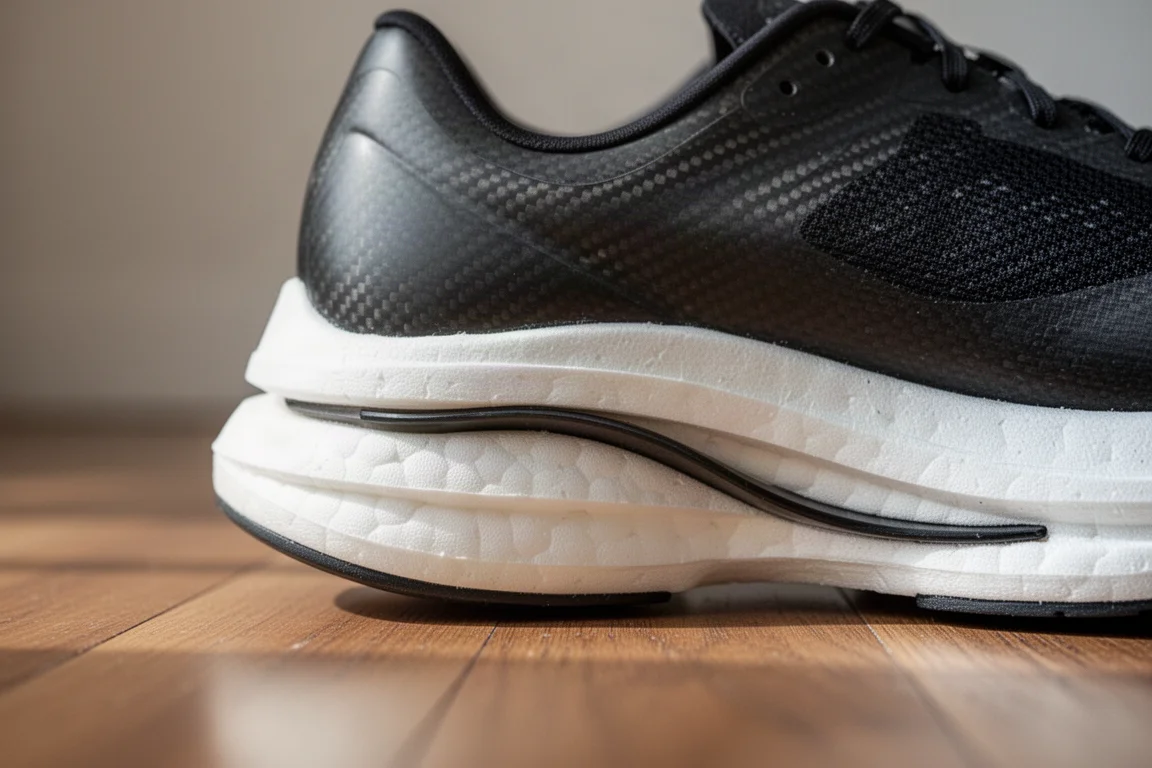
The Asics uses an FF Turbo Plus midsole, which is lighter, softer, and bouncier than the FF Turbo foam in past versions, paired with a wider carbon plate than earlier Metaspeed Sky models. The upper is a very lightweight Motion Wrap 2.0 design with minimal padding, just enough around the heel to hold the foot without adding weight. Outsole rubber is minimal with reasonable forefoot coverage, and there is some exposed foam at the heel that heel strikers will rough up.
The Nike uses ZoomX foam, Nike’s Pebax-based midsole material, with a full-length carbon plate and cutouts to trim weight. The Flyknit mesh upper is open, airy, and very light, with a strip of padding around the back of the shoe. Rubber coverage is good on the forefoot with two strips at the back, but a lot of foam is exposed, and real-world wear has shown the rear strips tearing up, one tester even ripping a strip clean off. Neither shoe is built for rough paths; both belong on tarmac.
Fit and Sizing
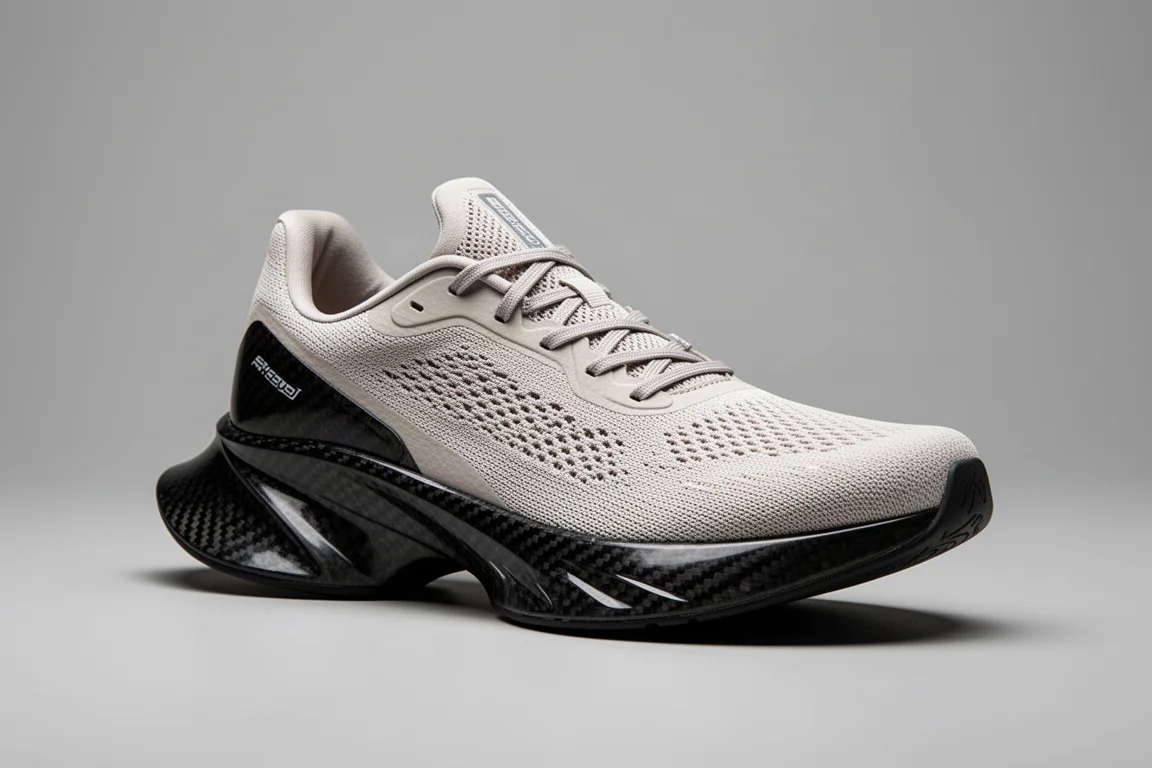
Go true to size in both. Testers wearing their regular running shoe size in each brand, UK 9 in this case, found both fits dialed in and race-appropriate: snug, low-profile, and secure.
The differences are subtle. The Vaporfly 3 runs a little looser in the heel and feels more flexible and roomier through the midfoot and toe box, thanks to its heavily perforated upper. That extra room makes it comfortable for wide-footed runners or anyone who dislikes a vice-like fit. The tongues sit quite high, which could cause irritation for some, though they are not rigid enough to be a real problem. There is also an internal strip of heel foam that some runners find rubs their Achilles, a design Nike has carried across several Vaporfly generations. It is not a dealbreaker, but it is less refined than the Asics approach.
The Metaspeed Sky Paris holds the heel more firmly and is slightly tighter at the back of the toes, bordering on snug for some. The skinny laces can take a bit of work to get a proper lockdown, and a few runners report occasional heel slipping until the lacing is dialed in. Once set, the heel hold is excellent with no irritation. If you like a really snug, secure racing fit, the Paris is the better match.
Ride Feel: Two Different Characters
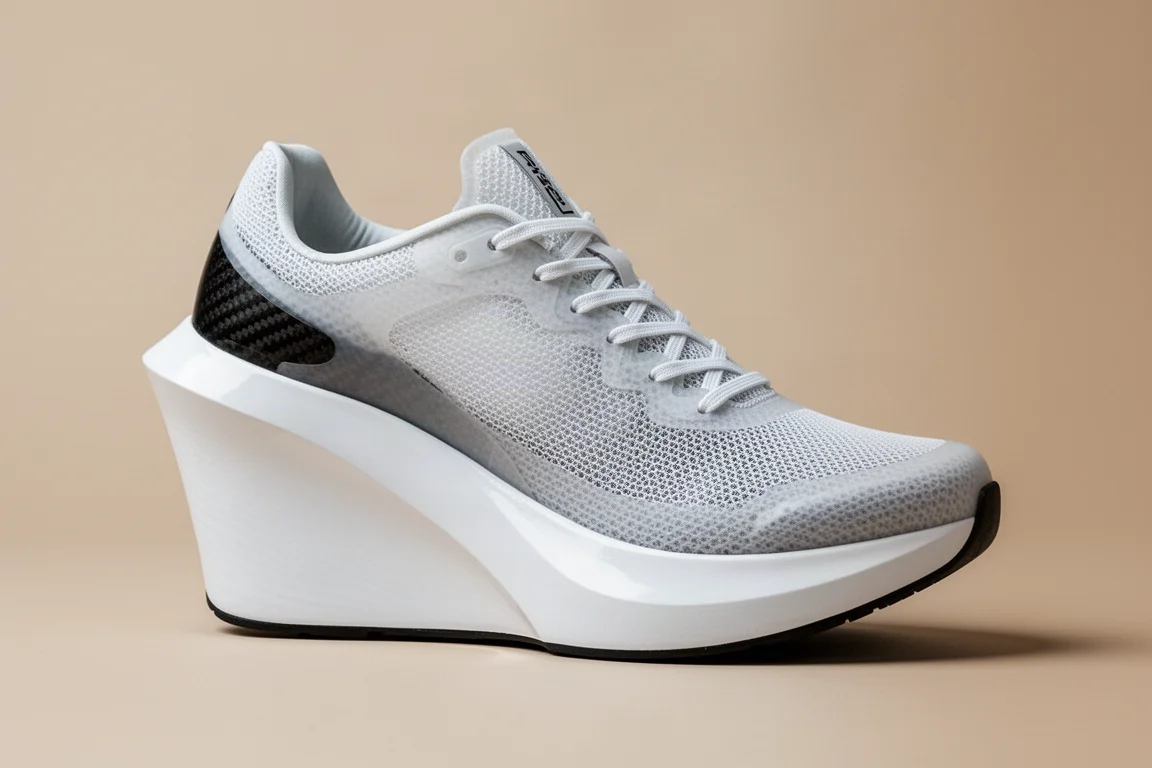
Both are propulsive, explosive shoes that feel genuinely fast, and both sit in the lightweight tier of carbon racers rather than the maximally cushioned category. The difference is in how the foam responds.
The Vaporfly 3 was tuned softer than the Vaporfly 2, which makes it more accessible and more forgiving, especially in the late miles of a marathon when form falls apart. It offers a flatter, more stable landing than the narrower Paris platform. That softness does come at a cost: some of the stiffness, immediacy, and raciness of the previous generation is gone. It still handles everything from an all-out 5K effort to the marathon, with a touch more bounce that many runners will enjoy.
The Metaspeed Sky Paris goes the other way. Its foam feels firmer and more immediate, especially under the forefoot where the plate sits higher in the stack, giving a punchier, more propulsive toe-off. In side-by-side running, the Paris foam responds almost instantly instead of sinking deep. One caveat: the slightly narrower platform and the feel of more foam on the medial side make it less forgiving when fatigue sets in. It is a shoe that rewards running well from start to finish.
Outsoles and Durability
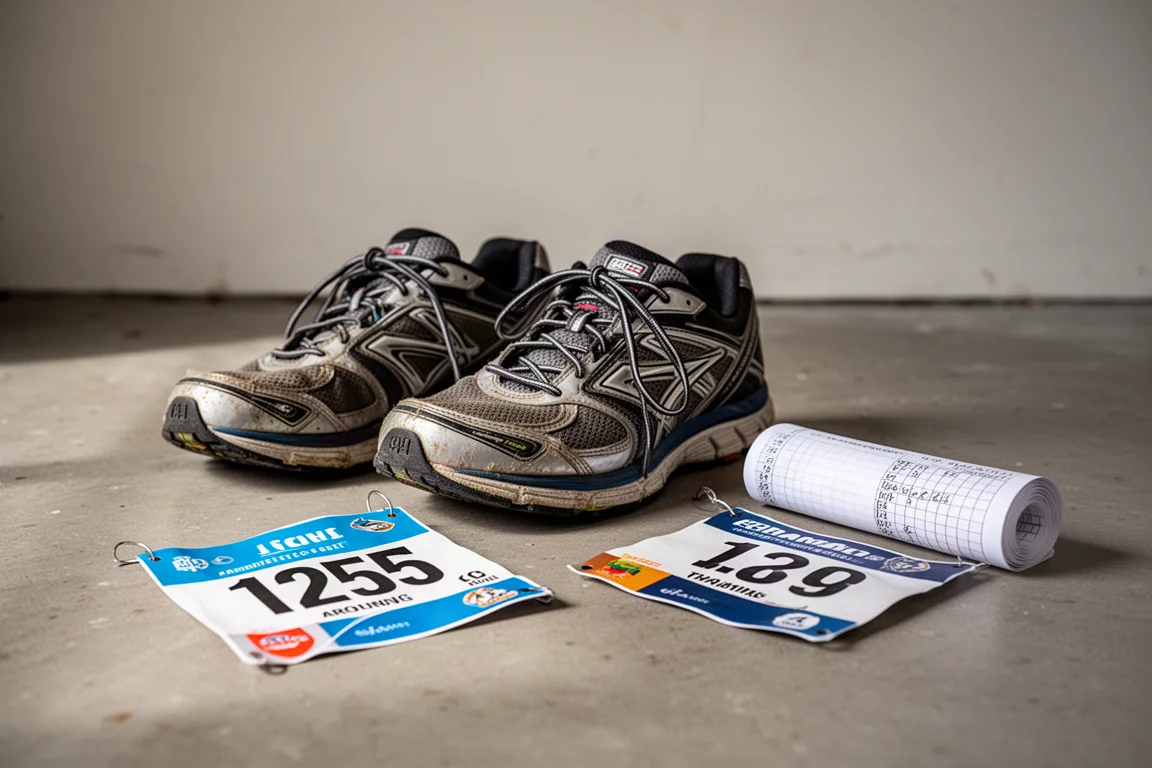
Both outsoles are minimal by design, focused on the forefoot with exposed foam elsewhere, and that is a big part of why both shoes are so light. Expect durability question marks on both, particularly at the heel for heel strikers. The Vaporfly 3 has documented issues with the rear rubber strips tearing, while the Metaspeed Sky Paris has so far held up better than previous Metaspeed Sky versions despite expectations. Neither shoe suits rough terrain; treat both as tarmac-only racing tools, save them for races and fast sessions, and they should deliver a good amount of life. Grip is similar across the two, with perhaps a slight traction edge to the Paris.
Performance by Distance
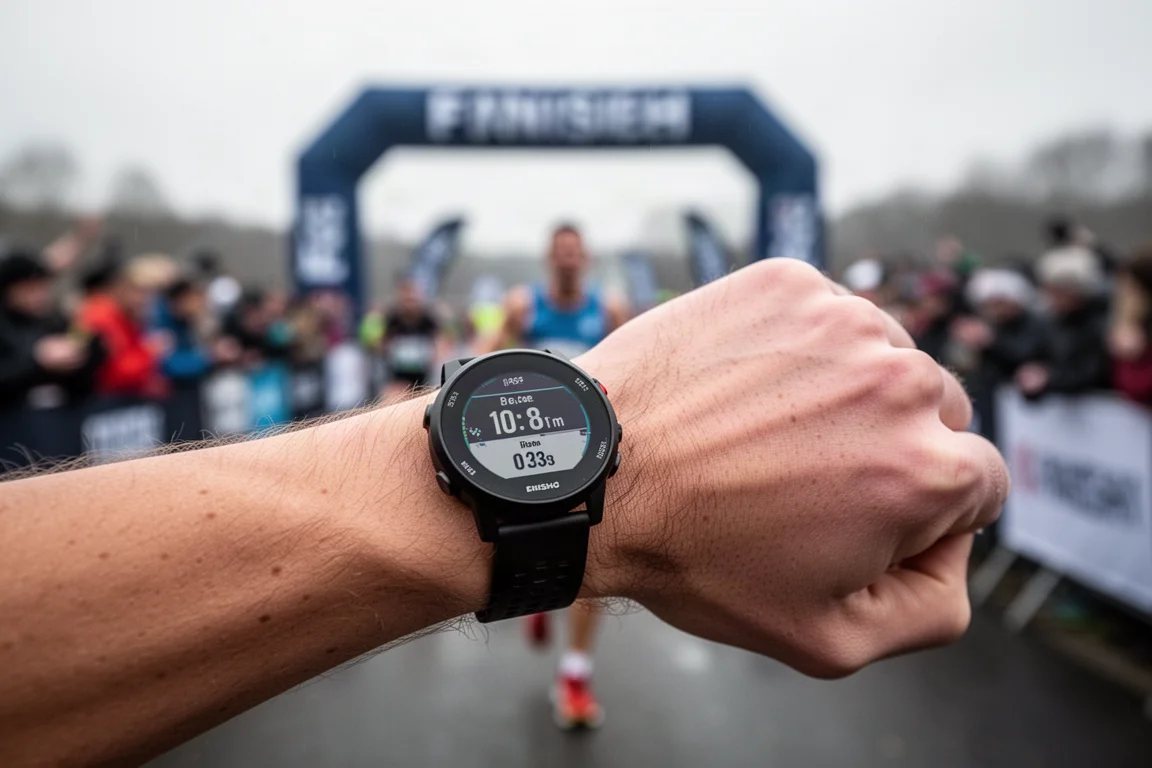
Over shorter distances, both deliver the pop and bounce you want from a racer, with the Vaporfly 3’s ZoomX perhaps a touch bouncier, though the gap is small. Over longer runs and the marathon, the Metaspeed Sky Paris feels more comfortable when you ease off the pace, making it the better all-distance option from 5K through the full marathon. The Vaporfly 3 shines brightest from 5K up to half marathon distance.
Which Shoe Should You Choose?
Choose the Nike Vaporfly 3 if you want an explosive feel for 5K to half marathon racing, prefer a roomier and more forgiving fit, or value a flatter, more stable platform for the tough late miles. It remains a genuinely excellent shoe, and as an older model it can sometimes be found at a discount, which makes it even more appealing.
Choose the Asics Metaspeed Sky Paris if you want a shoe that covers the full racing range comfortably, from short races to the marathon. It is lighter, slightly cheaper, firmer and punchier underfoot, and it has arguably leapfrogged the Vaporfly in the carbon racer pecking order. It rewards confident, fast running more than the Nike does.
Conclusion
These are two of the best carbon plate racing shoes available right now, and either choice will serve you well on race day. The Metaspeed Sky Paris takes the overall edge for its lighter weight, punchier ride, and superior long-distance comfort, while the Vaporfly 3 remains the sharper short-distance weapon with a more forgiving character. Whichever way you lean, you are buying top-tier speed.
Further reading
Related Reviews
Running Shoes
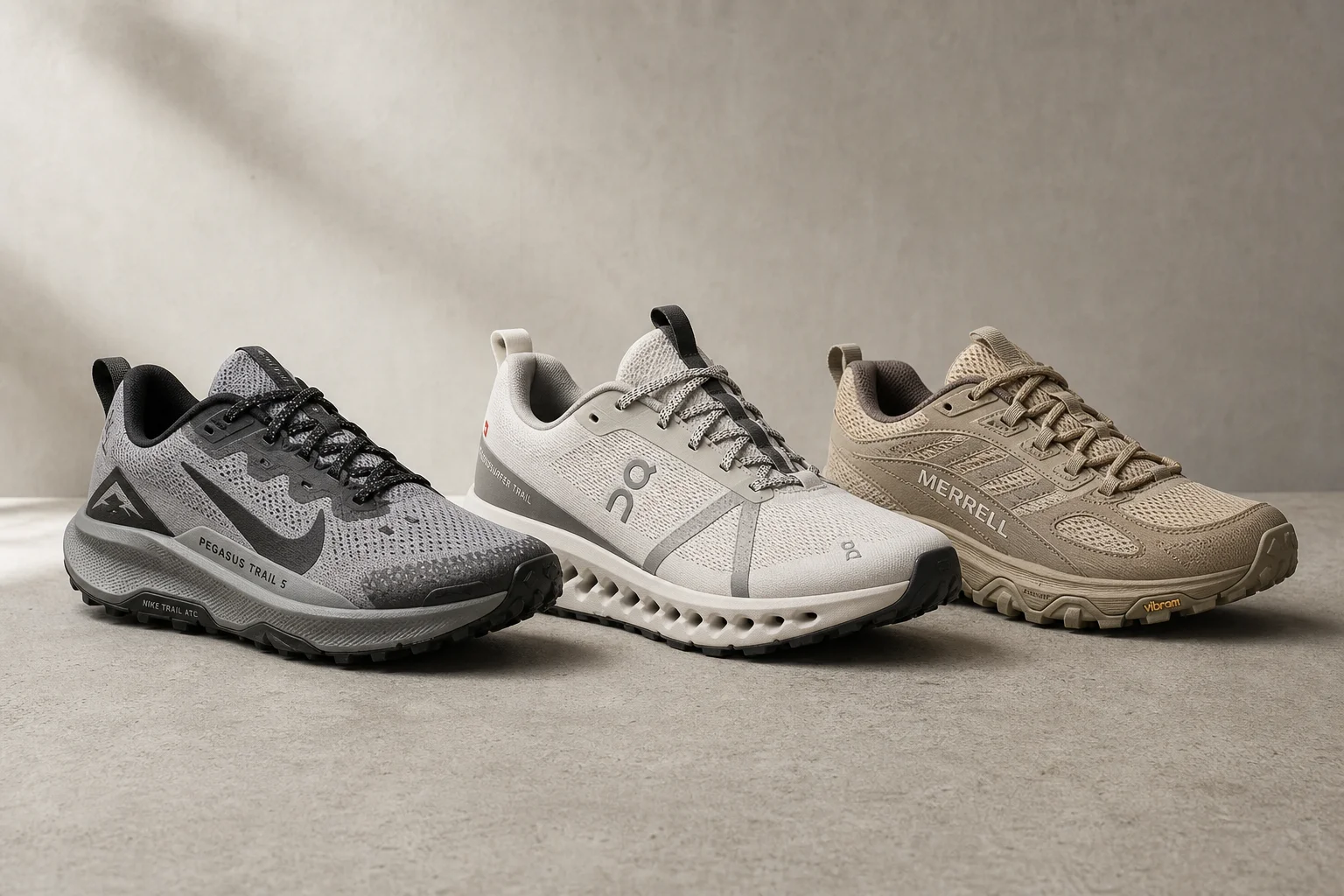
Best Road-to-Trail Running Shoes: Three Versatile Options for Mixed Terrain
A practical guide to three road-to-trail running shoes that handle both pavement and mild trails, with clear strengths and trade-offs for different runner types.
Running Shoes
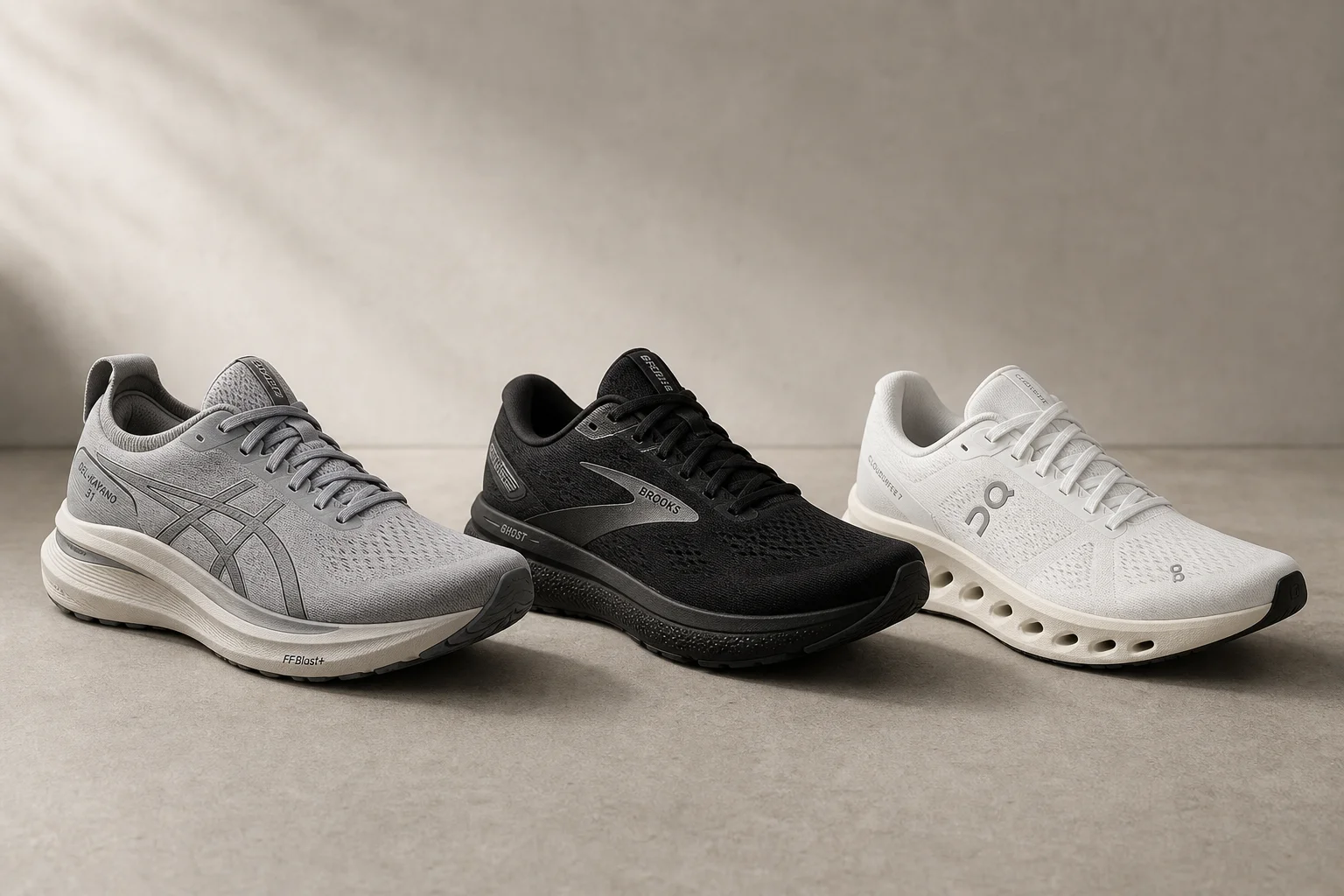
Best Running Shoes for Achilles Tendonitis: Three Options Explained
Three running shoes with different heel drops and support features designed to help reduce Achilles tendon pain during walking and running.
Running Shoes
Best Running Shoes for Women: Five Top Choices Ranked
A ranked guide to five women's running shoes, from versatile daily trainers to high-performance racing options, with real strengths and trade-offs for each.