Running Shoes
ASICS Metaspeed Ray vs Adidas Adizero Pro Evo 2: Which Race Day Shoe Makes More Sense?
Two of the lightest racing shoes on the market go head to head on stack, foam, price, and real-world performance to see which one deserves your money.
Introduction
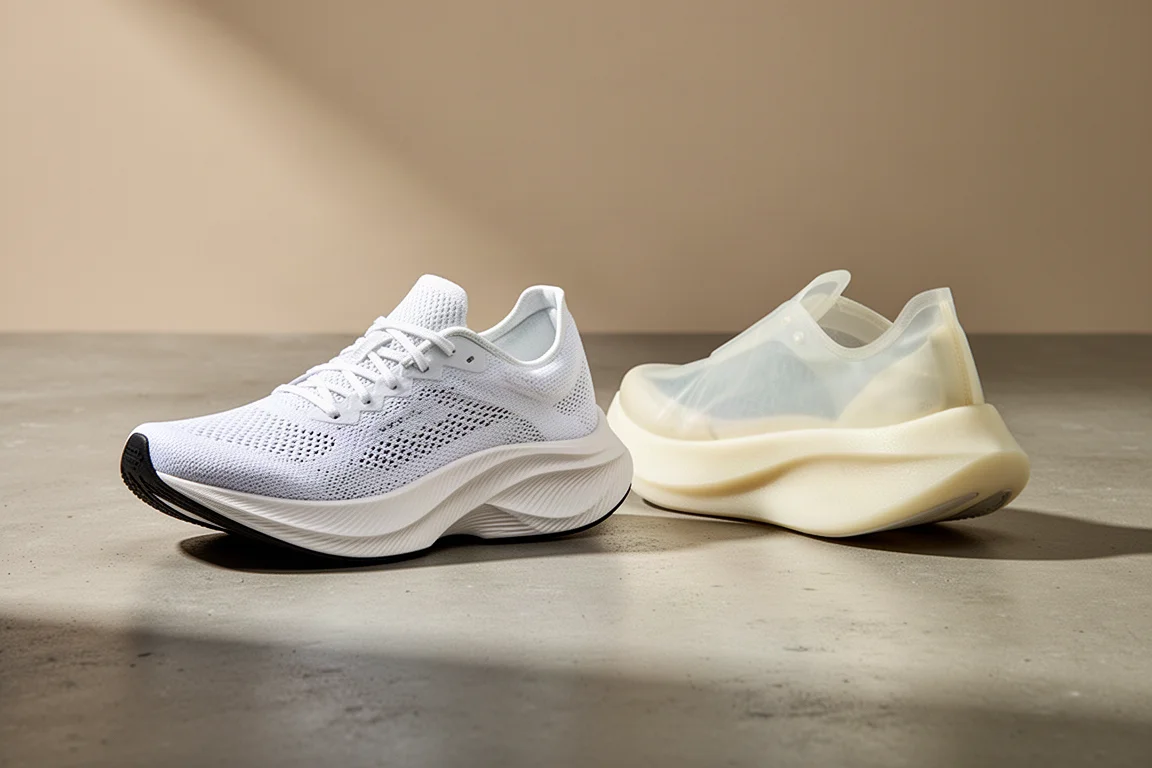
Running shoes keep getting lighter, but they also keep getting more expensive. Adidas has now released several racing shoes that sit around the £450 mark in the UK, which is a serious amount of money no matter how you frame it. The obvious question: is a £450 racing shoe actually better than one closer to £256?
The ASICS Metaspeed Ray and the Adidas Adizero Pro Evo 2 are about as close to an apples-to-apples comparison as you can get in the super shoe category. Both are ultralight, both use brand-new flagship midsole foam, and both are built for fast days. But they differ sharply in price, philosophy, and who they actually suit.
Stack, Weight, and Midsole Tech
On paper, these two are nearly twins. The Metaspeed Ray sample size comes in at 128g (4.6 oz), which is remarkably low even by modern race shoe standards, and it clears well under 200g for a UK size 11. The Pro Evo 2 sample is actually 10g heavier at 138g, despite Adidas’ reputation for minimalism.
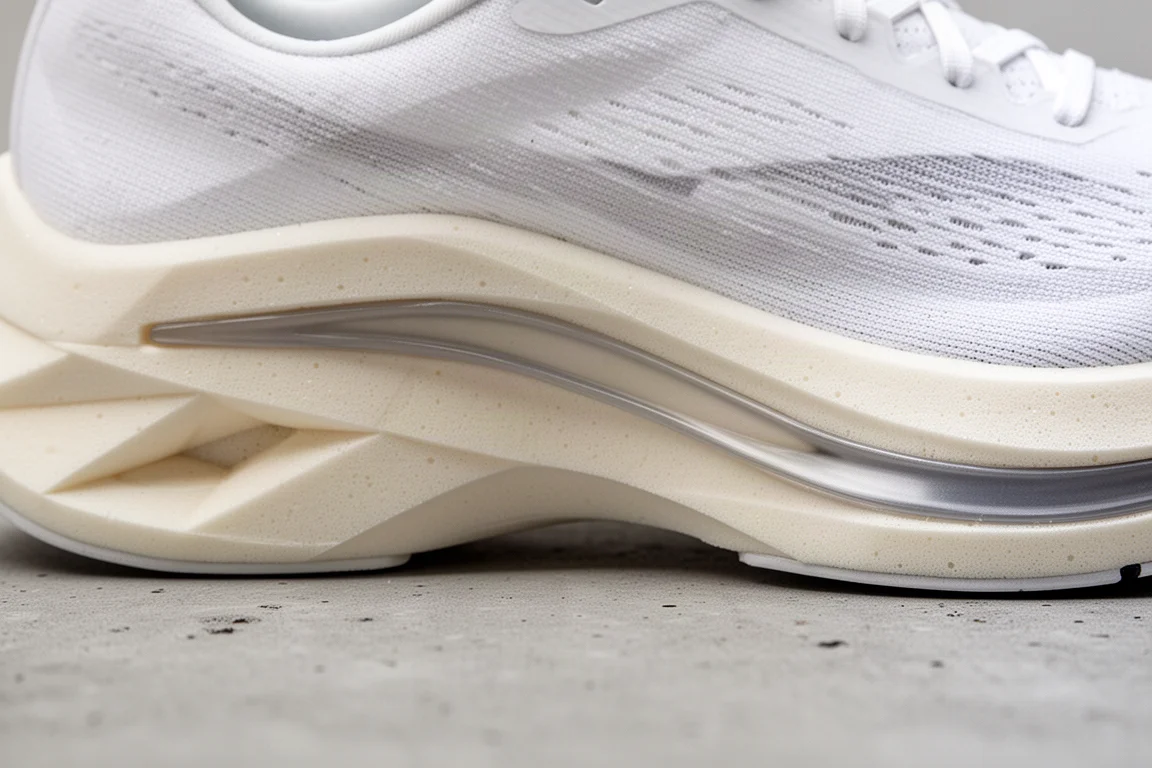
The stack numbers tell a similar story of near-parity. The Pro Evo 2 offers a slightly taller forefoot at 36mm versus 34.5mm on the Metaspeed Ray, with heel stacks of 39.5/39mm on the Adidas side. That little bit of extra midsole is one likely explanation for the extra weight. At this point in shoe development, it is often the foam rather than the rubber outsole that adds grams.
Both shoes carry their brand’s newest midsole technology: FF Leap (Flight Foam Leap) in the Metaspeed Ray and Lightstrike Pro 2 in the Pro Evo 2. The Metaspeed Ray uses a half carbon plate, while the Pro Evo 2 relies on energy rods rather than a plate. Structurally, they are near mirrors of each other with different engineering answers.
Real-World Testing: A 5K Reality Check
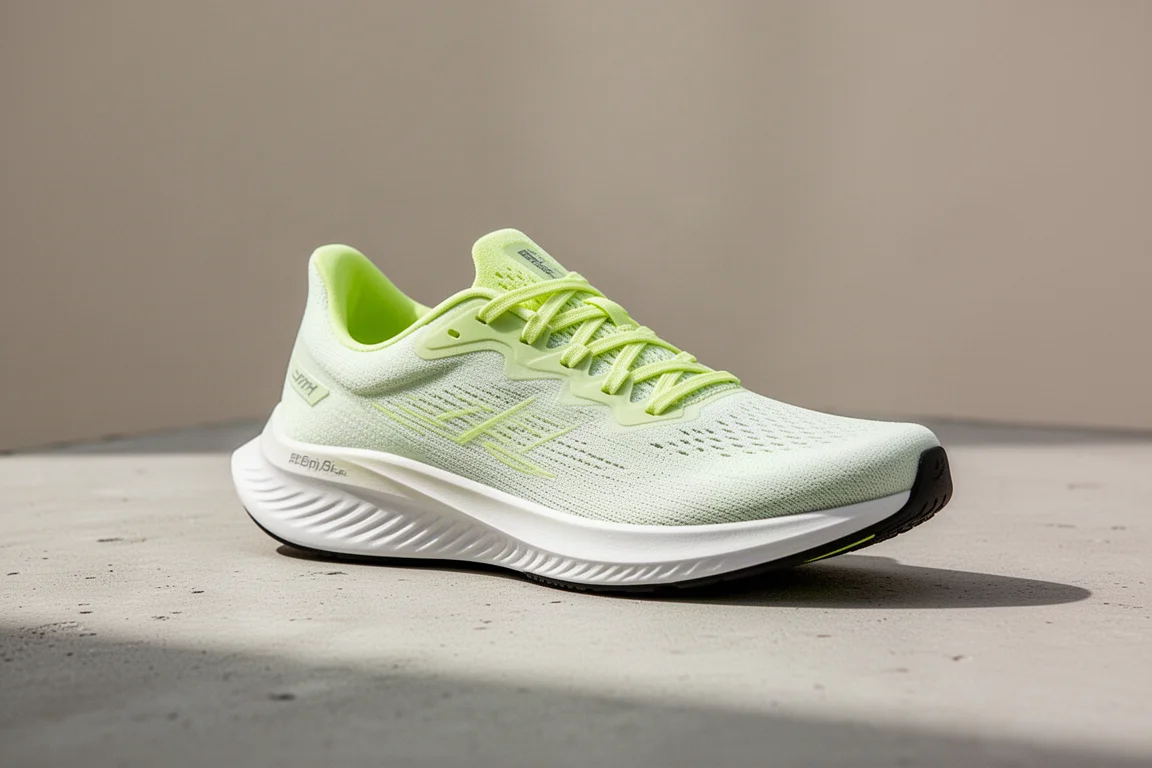
The Metaspeed Ray was put to work on a flat, consistent seafront parkrun course with very little wind, no dedicated 5K training, and recent illness that had reduced running to almost nothing. The result: 20:22, which was a surprise given the circumstances.

What stood out most is how transparent the shoe feels. It disappears on foot. It does not dictate cadence or foot strike, it simply gets out of the way and lets your fitness speak. On an all-out 5K, where energy depletes fast and any deficit shows immediately, that honesty is exactly what you want from a race shoe.
FF Leap is also one of the softest midsoles tried outside of Saucony’s Endorphin Elite 2 foam, and it delivers outstanding energy return. The A-TPU based foams are lighter and appear to hold up better over time than competing PEBA-based compounds.
Is the Pro Evo 2 Worth the Upgrade?
Here is where the comparison gets uncomfortable for the premium option. Multiple accounts of the Pro Evo 2 suggest it feels mushy when running slower than around 7 minutes per mile. That is roughly two minutes under the average marathon time, which makes the shoe about as niche as niche gets.
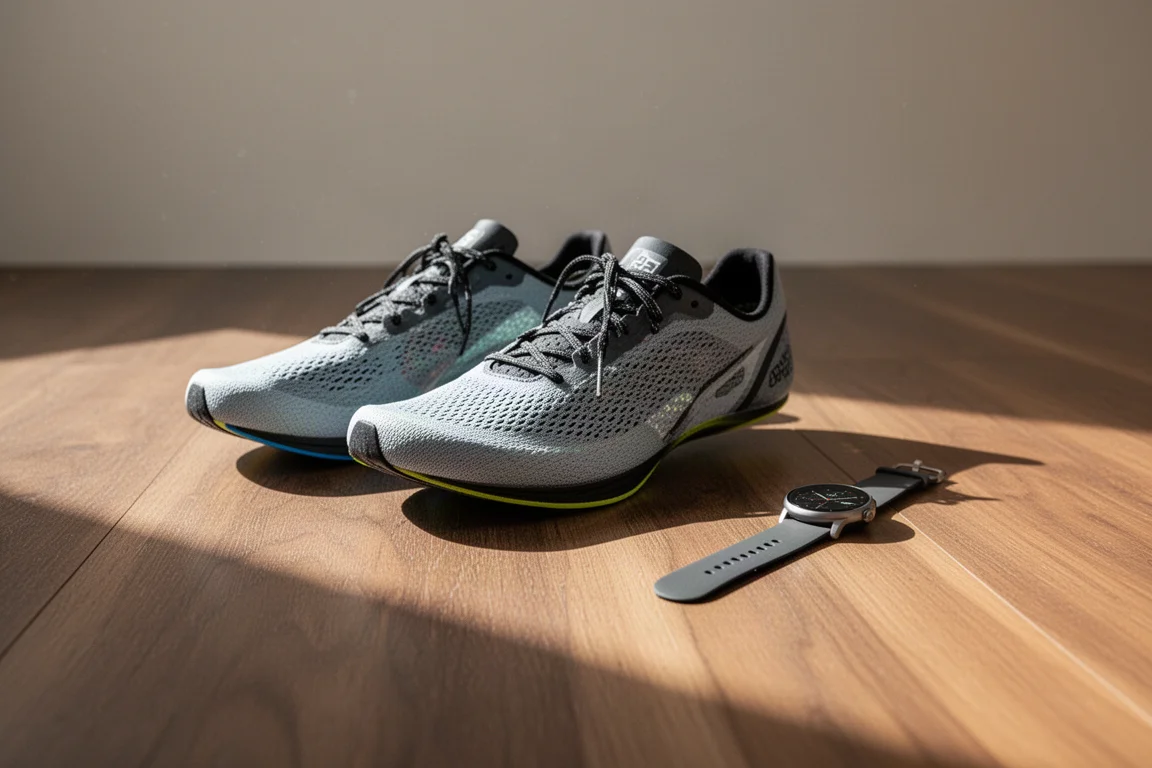
The Metaspeed Ray, meanwhile, retails at around £265, and discounts bring it closer to £221. It costs only about £25 more than the Metaspeed Sky/Edge Tokyo. The Pro Evo 2, even in Black Friday deals, still lands around £330. That means you could buy two pairs of the Metaspeed Ray for one pair of Pro Evo 2 at retail. There is simply no honest argument that the Adidas shoe is worth double.
For the average runner, the picture is even clearer. The average 5K time for the 40-49 age group sits somewhere between 26:30 and 29:00. A shoe designed for sub-7-minute-mile pace is not built for that audience, and Adidas’ own positioning of the Pro Evo 1 and 2 as not for everyday runners holds up.
Foam Feel and Durability
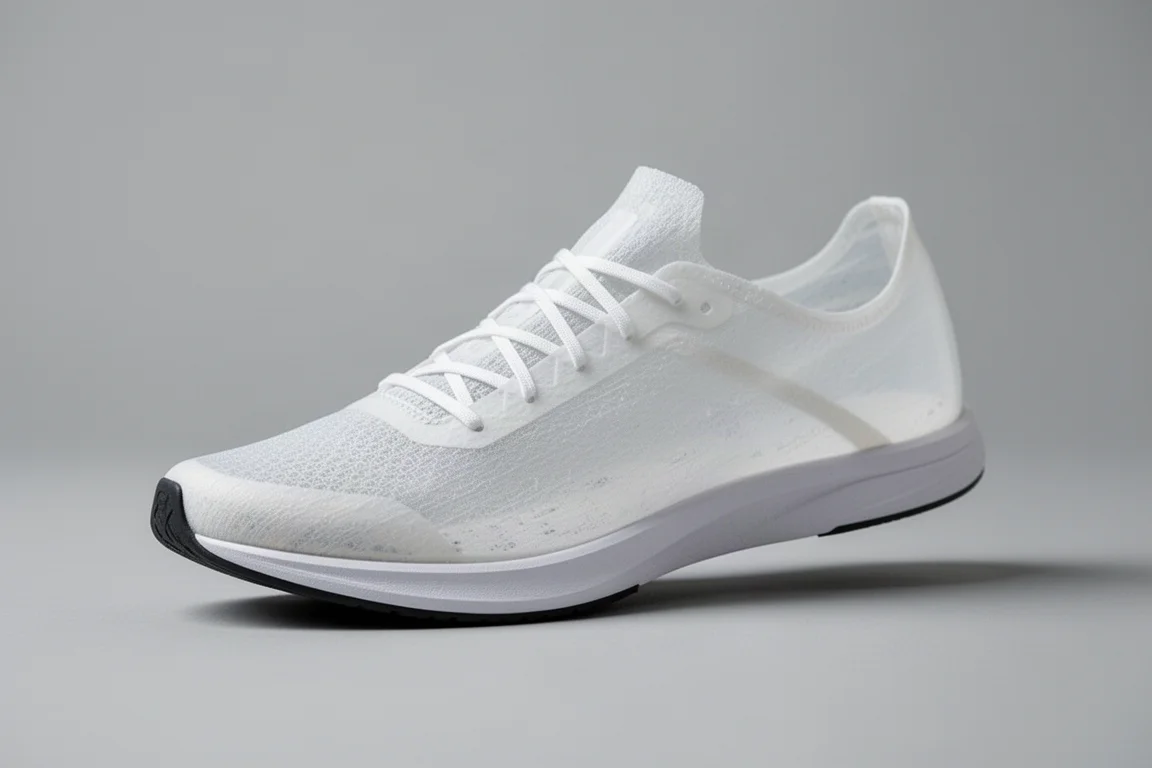
The A-TPU foam in the Metaspeed Ray compresses more noticeably than PEBA-based alternatives, which means you feel a genuine connection to the road rather than simply bouncing off it. That extra surface contact translates into improved grip and traction: the material almost adheres to the ground, giving a more assured, planted feel through corners and at speed.
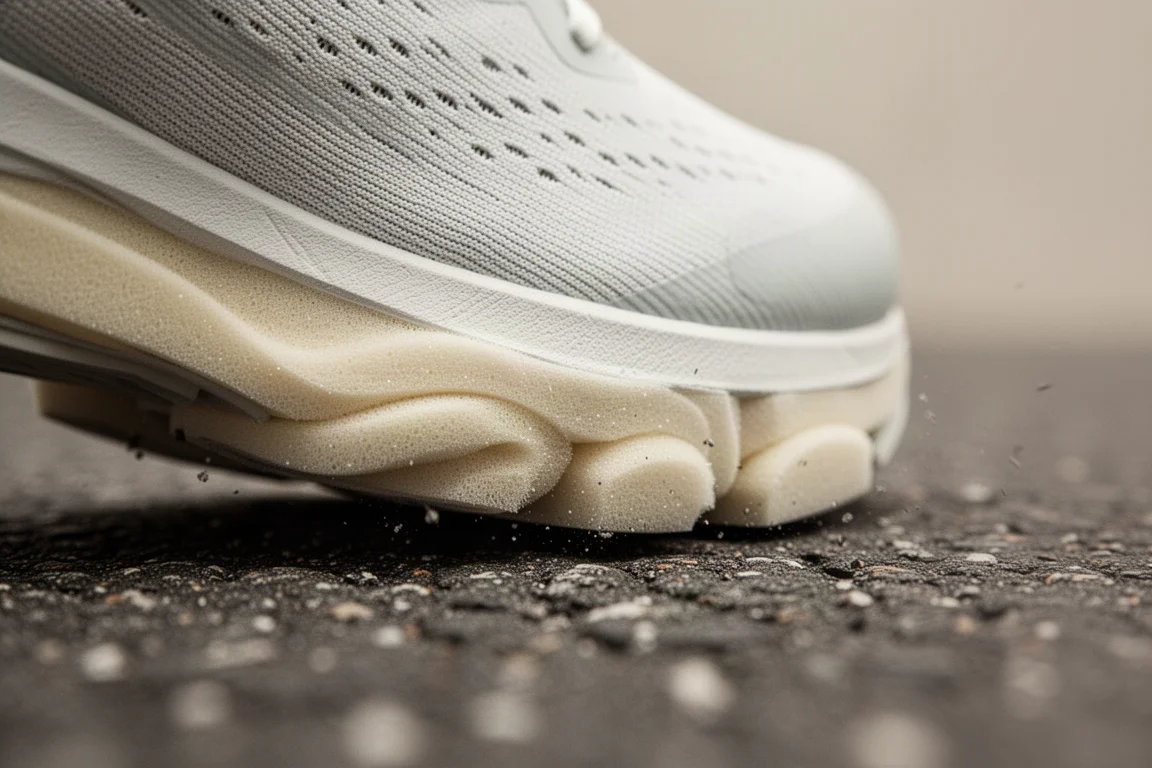
Lightstrike Pro 2 cannot be fairly judged from direct experience without paying the entry fee, but against a foam as soft and responsive as FF Leap, at less than half the price, the Metaspeed Ray has very little to answer for. This is arguably the best race shoe for the money right now.
Conclusion
Both of these shoes are exceptional, but they are not equally sensible purchases. The Adidas Adizero Pro Evo 2 is a specialist tool for a narrow band of very fast runners, and even discounted it costs dramatically more than the competition. The ASICS Metaspeed Ray delivers near-identical weight, a similar stack, superb foam, and a transparent ride that lets your own fitness determine the result. For most racers, it is the smarter buy, and the one that leaves more in the budget for actual training.
Further reading
Related Reviews

Running Shoes
Best Road-to-Trail Running Shoes: Three Versatile Options for Mixed Terrain
A practical guide to three road-to-trail running shoes that handle both pavement and mild trails, with clear strengths and trade-offs for different runner types.

Running Shoes
Best Running Shoes for Achilles Tendonitis: Three Options Explained
Three running shoes with different heel drops and support features designed to help reduce Achilles tendon pain during walking and running.

Running Shoes
Best Running Shoes for Women: Five Top Choices Ranked
A ranked guide to five women's running shoes, from versatile daily trainers to high-performance racing options, with real strengths and trade-offs for each.