Running Shoes
Asics MetaSpeed Ray Review: Radical Lightweight Racing Shoe
A 5.4 oz super shoe built almost entirely for race day, with ultra-soft Flight Foam Leap, a paper-thin upper, and trade-offs you need to understand before buying.
Introduction
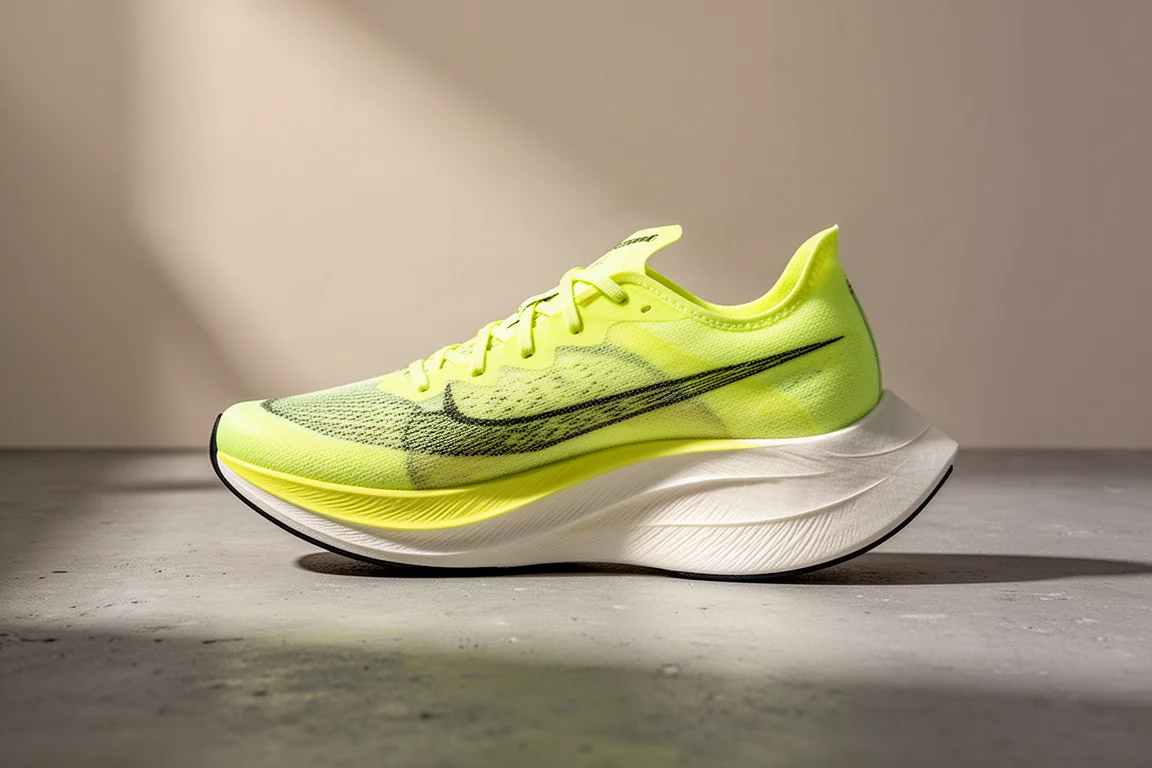
The Asics MetaSpeed Ray is the lightest shoe in Asics’ current racing lineup, and it makes no apologies for that. Purchased at retail for £265, this is a shoe stripped back to the bare essentials: extremely soft foam, a paper-thin upper, and only a sliver of outsole rubber where it is absolutely needed. It is either going to be the most exciting racing shoe you have ever worn, or it simply will not suit you at all. This review breaks down where it excels and where it asks you to compromise.
First Impressions and Weight
In hand, the MetaSpeed Ray is astonishingly light. A US 12 (UK 11) pair weighs 153 g (5.4 oz), with the sample size quoted at around 129 g (4.5 oz). For context, an Alphafly 3 in the same size comes in at roughly 250 g, the Asics MetaSpeed Sky Tokyo at about 192 g, and the Puma Fast-R 3 at roughly 212 g. This shoe sits significantly below all of them.
Stack height measures around 43 mm at the heel and 35 mm in the forefoot, an 8 mm drop, with sample size figures of 40 and 32 mm respectively. Width is similar to the MetaSpeed Sky Tokyo, a touch narrower in the forefoot and similarly narrow in the heel.
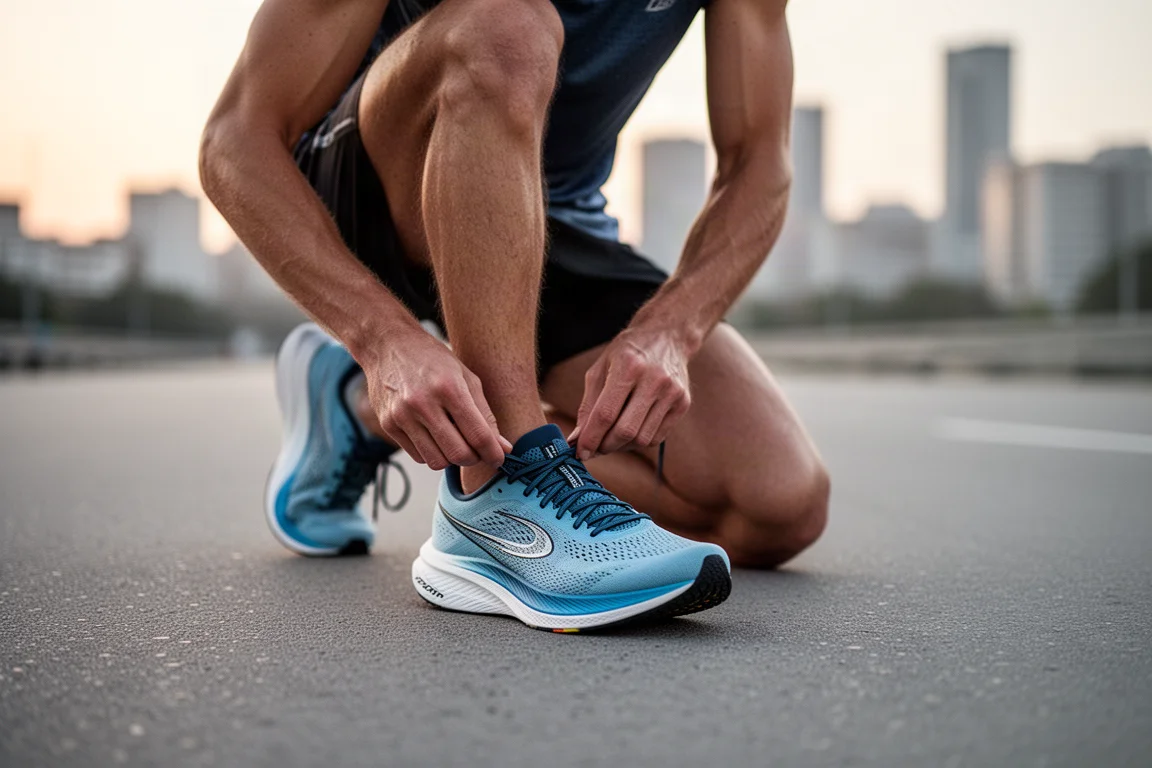
The upper is the new Asics matrix design: extremely thin, almost paperlike, and flexible in a way that recalls the Puma Fast-R 3. The tongue is unpadded and feels like a sheet of felt, and heel reinforcement is minimal to the point of being floppy. Lacing needs real care, as over-tensioning can put stress on such a delicate material. The serrated laces are a welcome touch, and the fit is generous rather than narrow. Sizing is true to size; there is no reason to size down or up.
Midsole and Ride Feel
The midsole is built entirely from Flight Foam Leap, measured here at a softness score of about 16, which places it firmer than the Saucony Endorphin Elite 2 but still firmly in marshmallow territory. It is soft, energized, and unstable in equal measure.
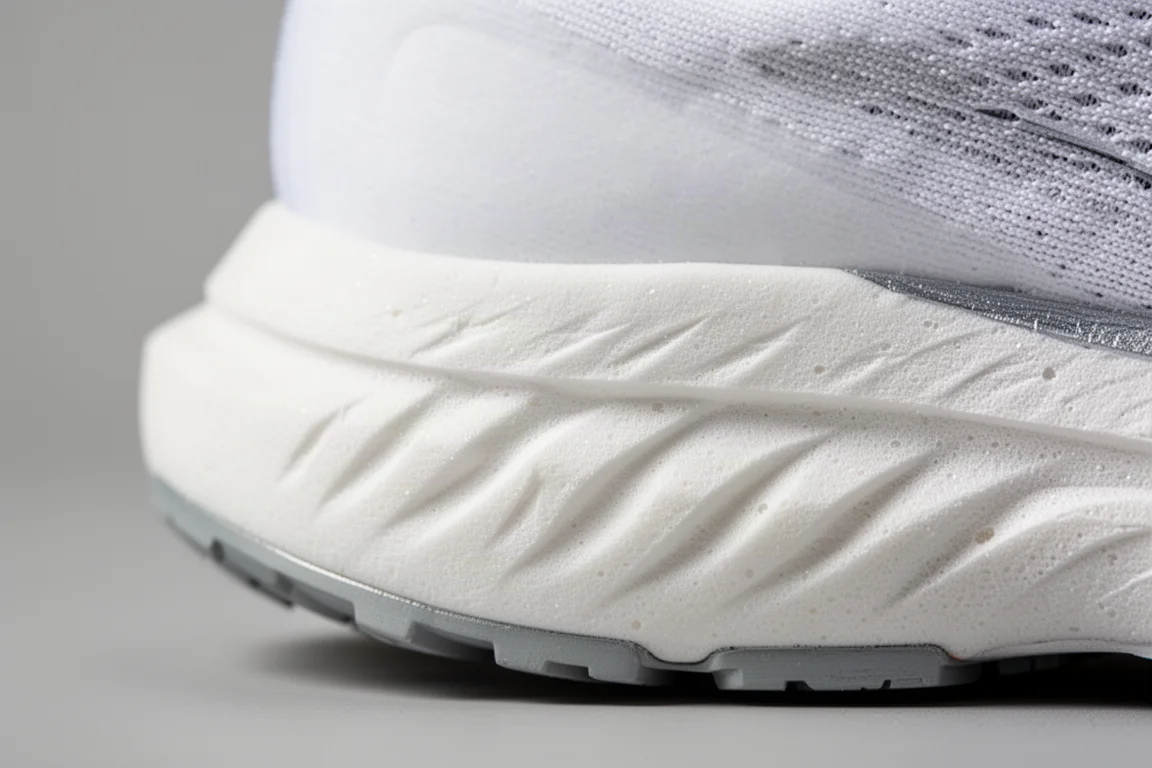
The plate only extends from the midfoot through the forefoot, with nothing at the rear. For heel strikers, landings feel jarring: you sink deeply into the soft rear foam and progression through the stride is not smooth. Midfoot and forefoot strikers get a very different experience, with strong energy return and an exciting, fast ride at top-end paces.
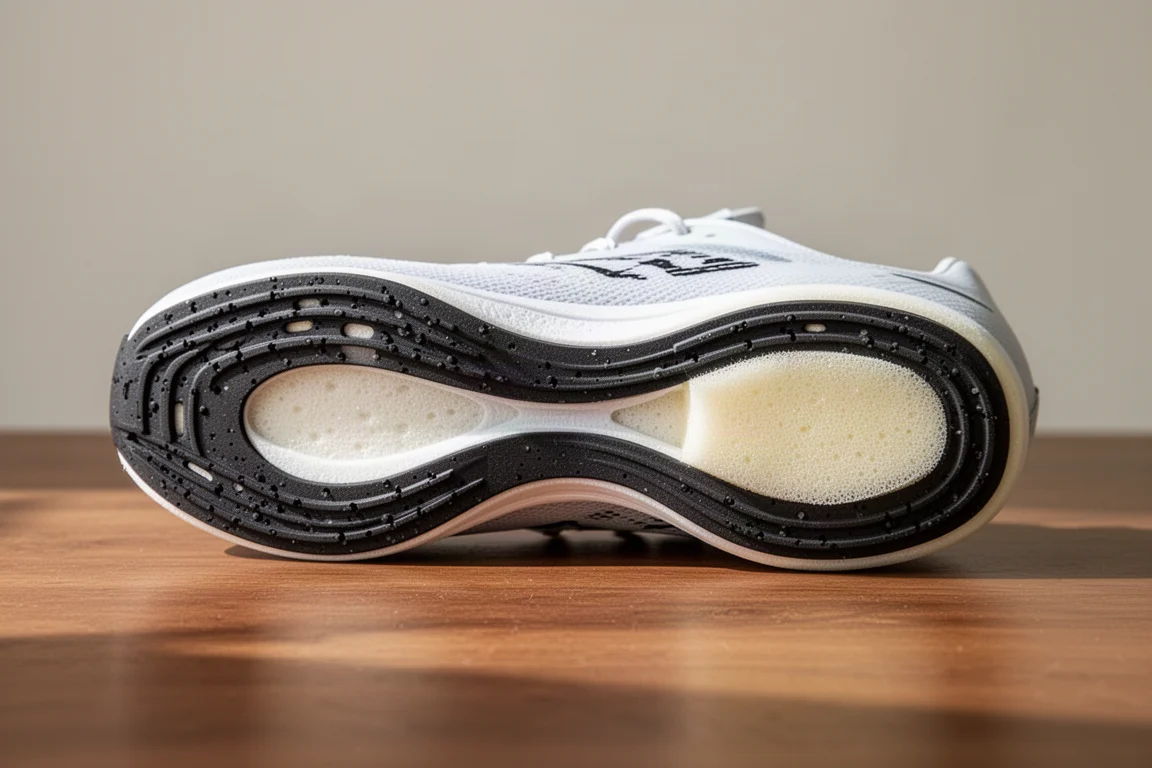
One under-discussed detail: there is no traditional insole. The top layer your foot sits on is itself a foam insert that can actually be lifted out, with the plate set into the lower section like a cup sole. Removing the insole entirely is part of how Asics achieved both the softness and the extreme weight. The trade-off is that the foam creases quickly, picks up small rocks and debris, and shows early signs of breakdown.
Anything slower than your top speeds feels a little odd in this shoe, and torsional rigidity is minimal. At tempo or around marathon pace it is forgiving and enjoyable, though surviving a full 26.2 miles is a genuine question mark. As a niche, top-speed racing tool, it scores around 2.8 out of 3 in this category.
Outsole and Durability
The outsole is the bare minimum Asics can get away with, reduced even further than their other MetaSpeed shoes. Rubber is around a millimeter deep and covers only the must-have contact points, leaving large sections of midsole foam exposed, particularly at the toe-off area, which visibly gnarls up quickly.
Traction itself is good, though wet-weather confidence is untested here and the thin upper makes this an unlikely pick for very cold conditions. Debris-littered roads are a real risk: stones and grit will embed themselves in the soft foam, and foam tears are a matter of when, not if. On smooth, clean tarmac, however, it hits the spot for an ultra-light race shoe. This section also scores around 2.8 out of 3.
Value and Durability Outlook
At £265, this is a lot of money, though it undercuts the Adidas Pro Evo 1 and 2 by a wide margin and sits only about £25 above the MetaSpeed Sky Tokyo. The catch is longevity: this shoe will not be built to last as long as those alternatives, and expecting anything close to 1,000 km is unrealistic.
If you baby it and reserve it for smooth terrain and specific race days, you may stretch its life further. Creasing will happen regardless. If you want a workhorse with broader usability, the Alphafly 3 is the more versatile bet; the MetaSpeed Ray is the opposite end of the spectrum, a slender, more precise instrument. For those chasing the softest and lightest option available, it is arguably the best in its category.
Who Should Buy the MetaSpeed Ray
This is a shoe for runners with strong form who hit top-end paces in racing and want maximum lightness and cushioning underfoot. Midfoot and forefoot strikers, especially those with cranky knees who will welcome the soft impact protection, are the ideal match.
Heel strikers should look elsewhere. The soft rear foam and short plate make landings there inconsistent and unstable, and the Saucony Endorphin Elite 2, with its full-length plate and softer, more predictable feel, is the better pick for that style. For many runners, this shoe will simply feel too inconsistent across longer distances, and more forgiving options serve the masses better.
Conclusion
The Asics MetaSpeed Ray is a wild, fun, uncompromising race shoe: radically light, extremely soft, and demanding in return. It rewards clean form, fast paces, and careful handling, and it punishes everything else. If you race at your true top end and want the lightest, softest platform available, it is a worthy gamble at £265. If you want consistency, durability, or an everyday trainer, this is not the shoe for you.
Product link
View more details for ASICS Metaspeed Ray
This product is mentioned in the review. Check the specifications, options, and compatibility before buying.
View more details for ASICS Metaspeed RayFurther reading
Related Reviews

Running Shoes
Best Road-to-Trail Running Shoes: Three Versatile Options for Mixed Terrain
A practical guide to three road-to-trail running shoes that handle both pavement and mild trails, with clear strengths and trade-offs for different runner types.

Running Shoes
Best Running Shoes for Achilles Tendonitis: Three Options Explained
Three running shoes with different heel drops and support features designed to help reduce Achilles tendon pain during walking and running.

Running Shoes
Best Running Shoes for Women: Five Top Choices Ranked
A ranked guide to five women's running shoes, from versatile daily trainers to high-performance racing options, with real strengths and trade-offs for each.