Running Shoes
ASICS MetaSpeed Ray First Run Review: The Lightest Marathon Racer Yet
ASICS new 100% FF Leap foam racer weighs about 135 grams, but the soft, bouncy forefoot will not suit every runner. Here is what to know before buying.
Introduction
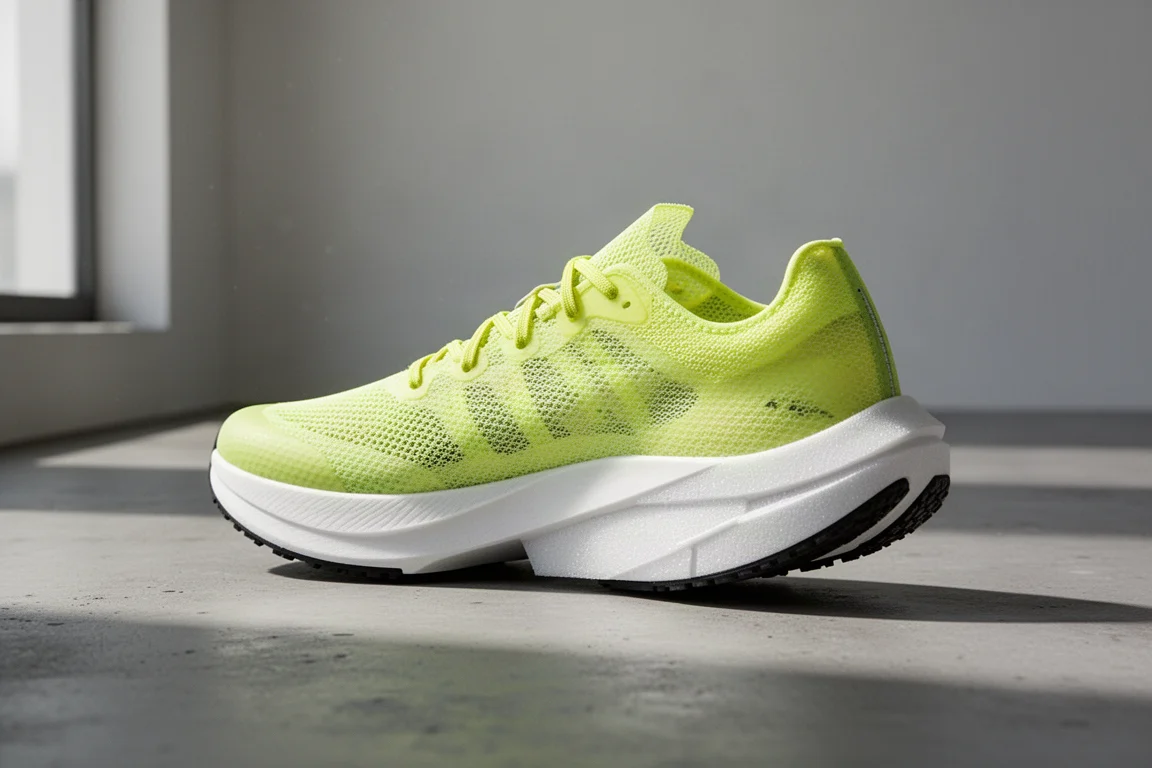
ASICS has been on a relentless run this year, and the MetaSpeed Ray is its newest statement. It is the lightest marathon race shoe the brand has released, sitting above the Sky Tokyo and Edge Tokyo in the lineup, and it uses 100% of the brand’s new FF Leap foam in the midsole. This is a purpose-built race-day weapon: stripped down, tall-stacked, and designed for runners chasing PRs, not logging easy miles.
Who This Product Is For
The Ray is built for the race day itself. This is not a relaxed easy-mile shoe and not a 25-mile chill long run shoe. It is the shoe to take out when the PR weather arrives, when temperatures drop, and when the mileage has already been banked. Runners who like a soft, cushioned forefoot with a lot of bounce, and who run with a higher cadence, are the clearest audience here.
Main Strengths
The headline fact is the weight. At roughly 135 to 141 grams on the scale, the Ray is lighter than the Nike Streakfly 2 (138 g) and even lighter than the Adidas Adizero Adios Pro Evo 2 (149 g), which costs $500. The Ray retails at around $300, undercutting the Evo by $200 while coming in lighter with a foam that feels more fun.
Other strengths from a first 10-mile workout:
- Incredible bounce. The FF Leap foam feels airy, pleasant, and smooth, with roughly 40 mm of foam under the forefoot and a distinct sense of tall stack under the toes.
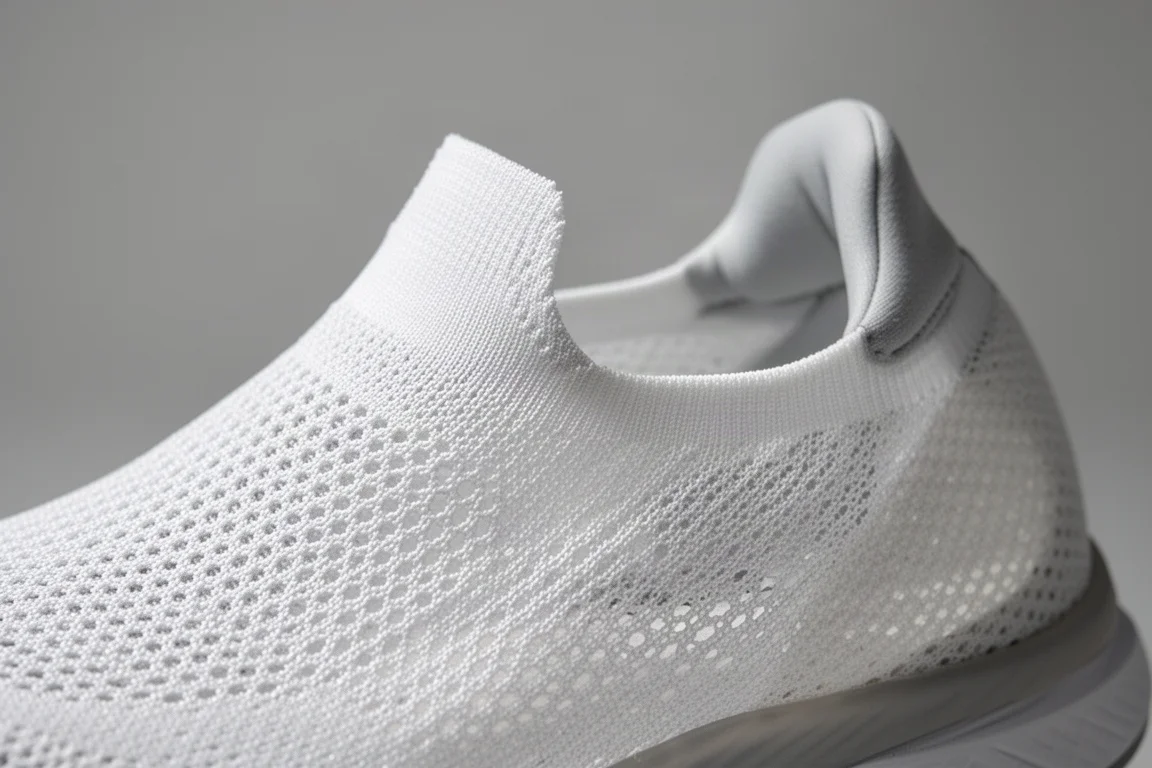
- Comfortable step-in and ride. The insole is soft and bouncy, the upper offers slightly more room than the Tokyo shoes, and there were no stability issues at all, even for a taller, lighter runner.
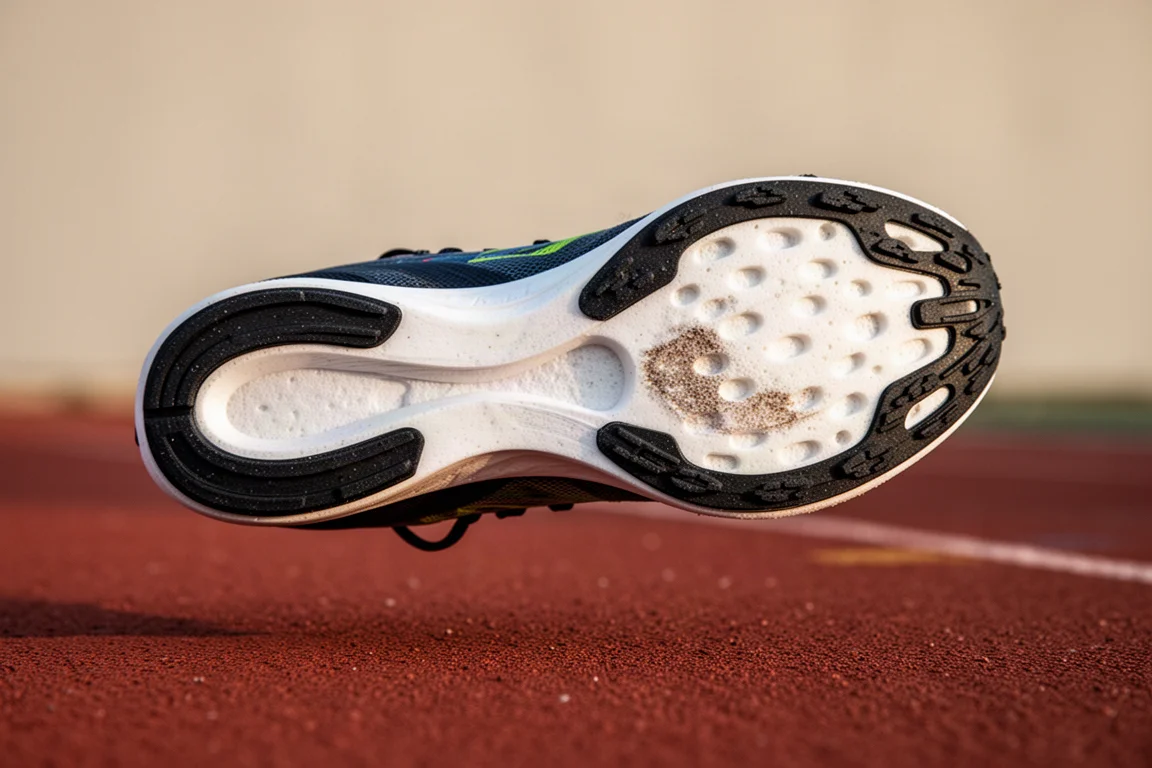
- Unique geometry. The foam wraps beyond the toes, extending the platform under the toe box by 4 to 5 mm or more, similar in spirit to the Puma Fast-R 3. The heel aggressively tapers, pushing you onto the midfoot, and the outsole carries only minimal rubber coverage to save weight.
Things to Consider Before Buying
This is not a flawless shoe, and the trade-offs matter. The softness in the forefoot is the biggest one: at very fast paces, the Ray offers a cushioned bounce rather than an aggressive snap, more like a higher-stack, softer Alphafly than a Fast-R 3. Runners who prefer a firmer platform to drive power through may find the Sky Tokyo or Fast-R 3 a better fit.
There are also durability questions. The FF Leap foam already shows the same kind of fraying seen on the Sky Tokyo heel, and the Ray’s minimal rubber coverage and delicate, almost fragile in-hand feel suggest this shoe will live a short, fast life. A slight left-right weight mismatch (135 g versus 141 g) was also noted, understandable for an experimental new foam but worth knowing about.
First Run Impressions
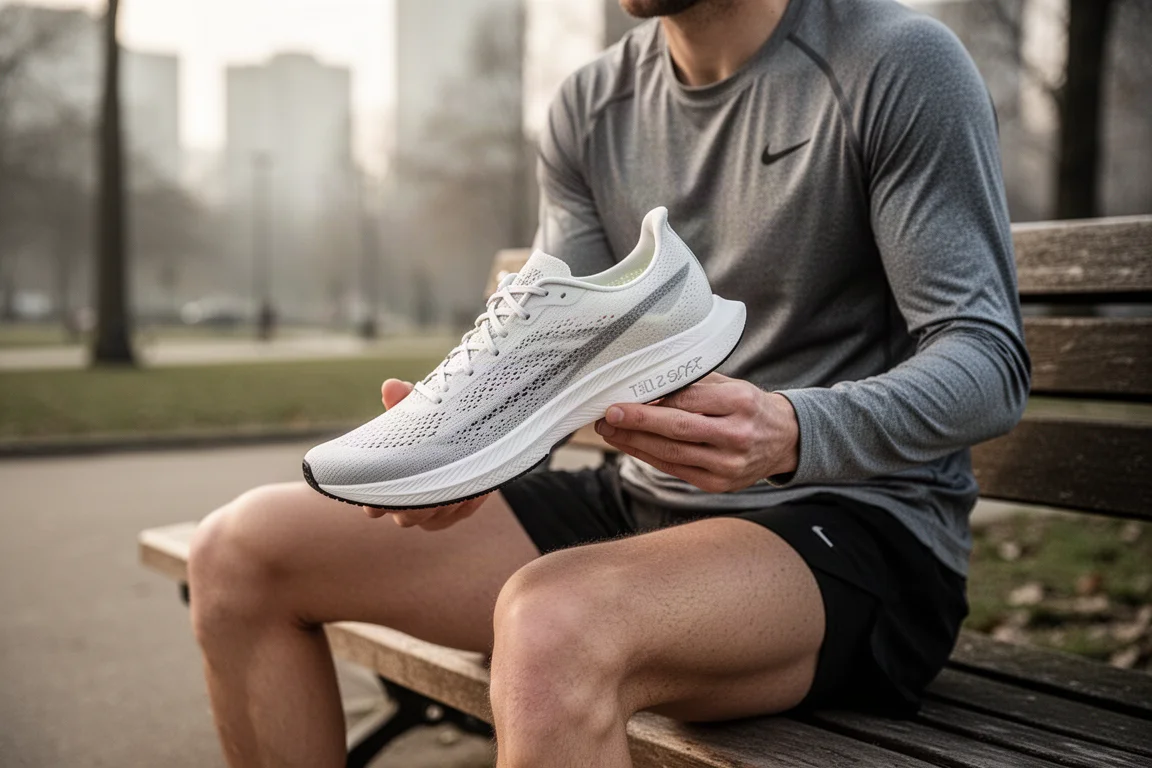
The first run was a demanding 6 x 1200 m session at 5K effort plus two miles at threshold, about 10 miles total. The verdict: it is a banger. The foam is genuinely excellent, the rocker puts you right up on your toes, and it works the calves hard. There is no harsh plate feel, and the shoe is far more comfortable than expected, which may mean less muscle damage deeper into a race.
At 5K pace, the soft forefoot felt like a lot of foam rather than a weapon. The ride reads as fast, bouncy, and extremely pleasant, but it does not deliver the aggressive bite of the Sky Tokyo or the Fast-R 3 at those paces. Marathon rhythm testing, which was not fully possible in this session, may be where the lightweight and comfort combination pays off.
How the Ray Fits the Racing Lineup
Within ASICS’s lineup, the Ray feels like a lighter, elevated version of the Edge Tokyo rather than a better Sky Tokyo. It is softer, airier, and puts you higher on the toes. The Sky Tokyo (170 g) remains a near-flawless bouncier racer for those who want more bite, the Edge Tokyo ($270) is the comfort-leaning marathon option, and the Megablast is the do-it-all speed trainer that doubles as a daily shoe.
Against the wider market, the obvious head-to-head is Ray versus Fast-R 3. The Fast-R 3 (187 g) is the firmer, all-plate, power-driving shoe; the Ray is softer, bouncier, and roughly 50 grams lighter. Neither is universally better: the choice is soft versus firm, bounce versus snap.
Buying Advice
If you already own the Sky Tokyo or Edge Tokyo, the Ray is not a necessary addition; the experience is different, but not clearly better for most runners. If you skipped both, or you love a thick, cushioned forefoot feel and a lightweight package, the Ray will not disappoint. It is fast, light, bouncy, comfortable, and one of the top five fastest shoes available right now.
The ideal test ahead is a dedicated marathon-pace long run. If the softer bounce proves less punishing over 20-plus miles, the Ray could be the shoe that lets you finish a marathon feeling fresher, at a weight no other racer at this stack height can match.
Conclusion
The ASICS MetaSpeed Ray is a market-resetting shoe on paper: about 135 grams, a full FF Leap midsole, a carbon plate that stops short of the toe tip, and a price $200 below its closest lightweight rival. For bouncy-forefoot runners it may be the best racer ever made. For power-driven strikers who want snap, the Sky Tokyo or Fast-R 3 still hold the edge. Either way, ASICS is setting the pace, and the Ray is the clearest proof yet.
Product link
View more details for ASICS MetaSpeed Ray
This product is mentioned in the review. Check the specifications, options, and compatibility before buying.
View more details for ASICS MetaSpeed RayFurther reading
Related Reviews

Running Shoes
Best Road-to-Trail Running Shoes: Three Versatile Options for Mixed Terrain
A practical guide to three road-to-trail running shoes that handle both pavement and mild trails, with clear strengths and trade-offs for different runner types.

Running Shoes
Best Running Shoes for Achilles Tendonitis: Three Options Explained
Three running shoes with different heel drops and support features designed to help reduce Achilles tendon pain during walking and running.

Running Shoes
Best Running Shoes for Women: Five Top Choices Ranked
A ranked guide to five women's running shoes, from versatile daily trainers to high-performance racing options, with real strengths and trade-offs for each.