Running Shoes
ASICS Metaspeed Ray After 100 Miles: Does the Foam Hold Up?
A long-term look at the ASICS Metaspeed Ray after 103 hard miles, covering midsole durability, upper resilience, and whether it earns a race day spot.
Introduction
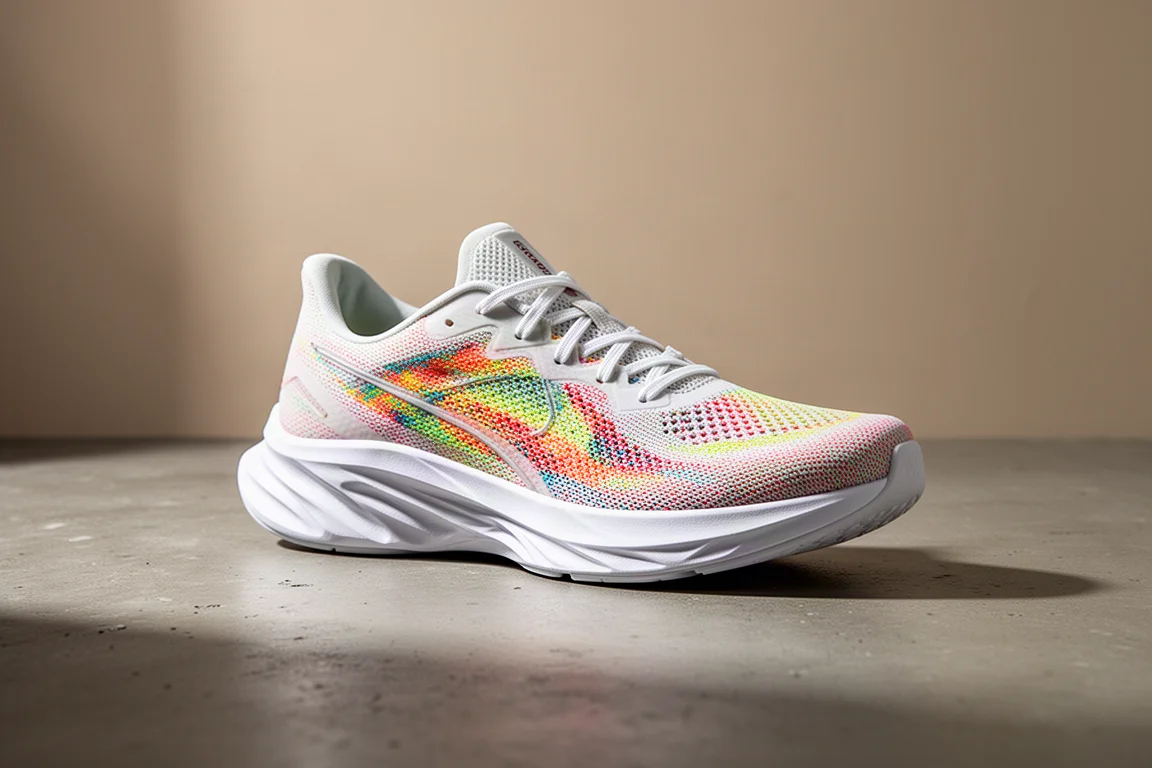
Most racing shoes get judged on their first 20 or 30 miles. The ASICS Metaspeed Ray got a much tougher test: 103 miles, with almost all of them run at effort. The shoe went through long runs with marathon pace work, workouts from 200s up, rain, and gritty city streets. The core question was simple. Would the very soft foam hold its bounce, or would the shoe fall apart in both feel and looks?
The short answer: the wear is mostly cosmetic, and the ride stayed surprisingly good right to the end.
How It Held Up Over 100 Miles
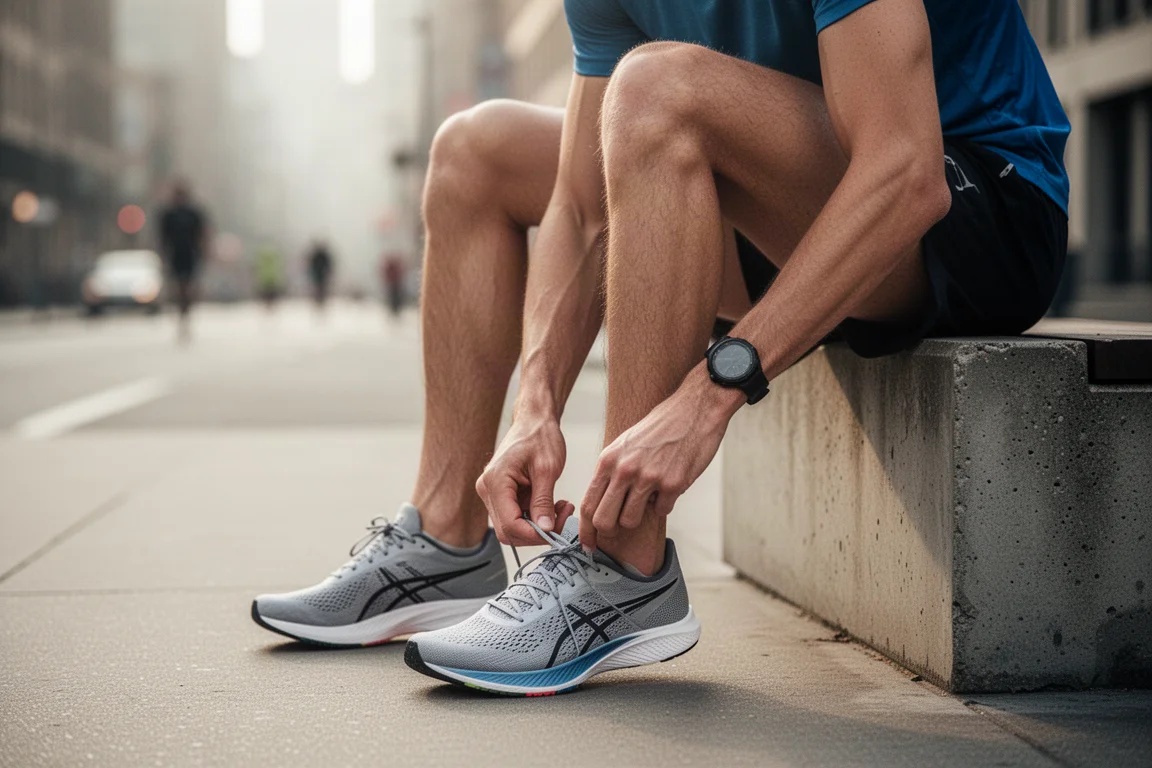
The biggest surprise was the upper. It is extremely thin, and going into the test the expectation was a hole or two after a bunch of miles. Instead, it held out really well through rain, dirty streets, and aggressive training paces. No structural damage to report.
The midsole is a different story visually. The exposed foam is very soft, and it shows. There is heavy creasing, a chunk missing from the forefoot foam, and clear scuffing at the heel where a heel striker lands hardest. Despite that, the foam kept feeling bouncy and lively long after the first 50 miles.
How the Ride Changed With Mileage
The expectation going in was that the shoe would feel less stable the more miles it accumulated. The opposite happened. Early on, the first long run felt nervous and twitchy, like tiptoeing around potholes. As the miles added up, the shoe actually felt more stable, likely from getting accustomed to how it sits underfoot.
One quirk worth knowing: the soft, forgiving ride makes it hard to ratchet the pace back down. The shoe keeps inviting you to push. And where the guess was that it would feel rough in the late miles of a marathon when form breaks down, the cool-down miles in every run were actually faster. The soft cushioning felt great even while running fast.
The Midsole and Outsole After Hard Use
The thin rubber outsole was expected to be the first failure point, with pieces peeling off under hard miles. It held. ASICS has tested this rubber to 200 miles, and while wear starts to show around the 100 mile mark, the coverage stayed largely intact.
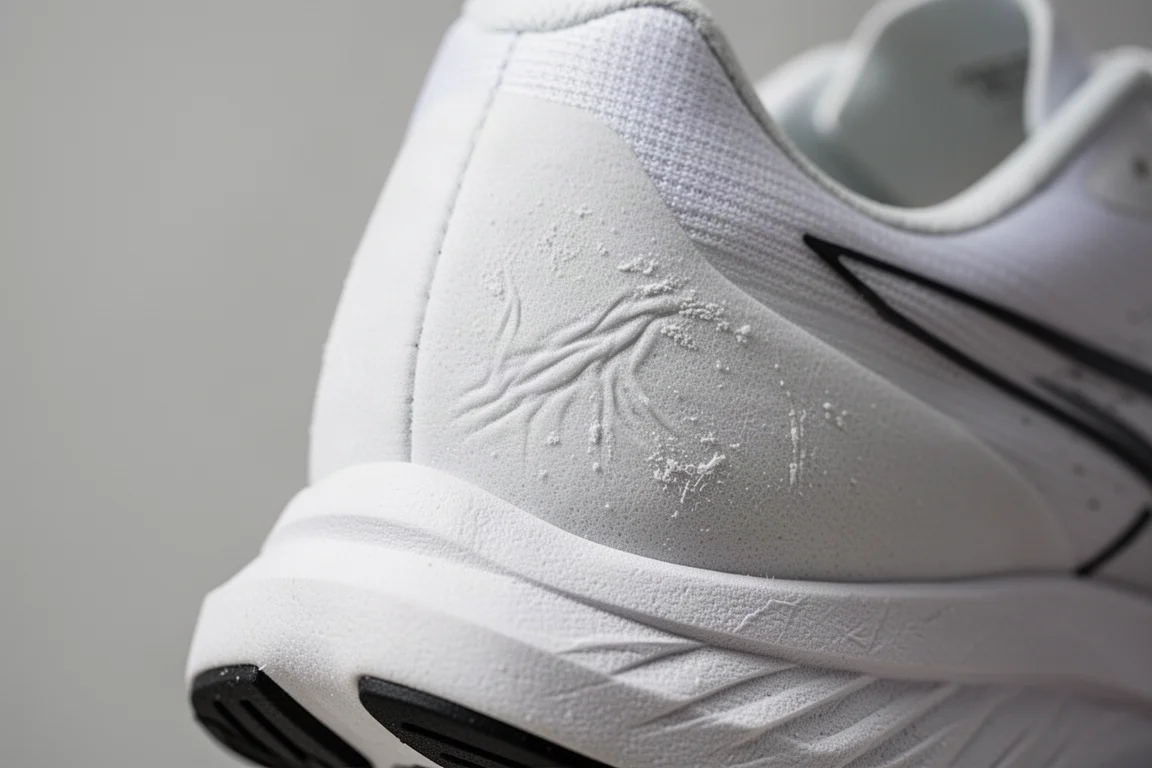
The visible foam damage raises a fair concern: does creasing mean the rebound and density are compromised? At 100 miles, the answer was no. The foam continued to feel very good and bouncy. One honest caveat from the test: this shoe may not deliver that same initial fresh-out-of-the-box squish much beyond this range, and total lifespan looks closer to 200 miles than much more.
Who This Shoe Is For
This is a shoe for runners who genuinely love a soft underfoot feel. If that is not you, look elsewhere. If it is, the Ray is a strong choice, and the closest comparison in feel is the Saucony Endorphin Elite 2, except the Ray is significantly lighter.

It also fits runners who want to bring a shoe in only for quality work. In this test, easy miles were rare; nearly everything was at effort, and the shoe thrived on it.
Things to Consider Before Buying
- The soft exposed foam creases and scuffs quickly. It looks rough, but the ride stays intact.
- Expect roughly 200 miles of usable life, not a long-haul trainer.
- The shoe feels unstable for the first few runs before it settles in.
- The lightweight, soft ride can push your pace up when you mean to back off.
Buying Advice: Race Day Fresh or Run Them More
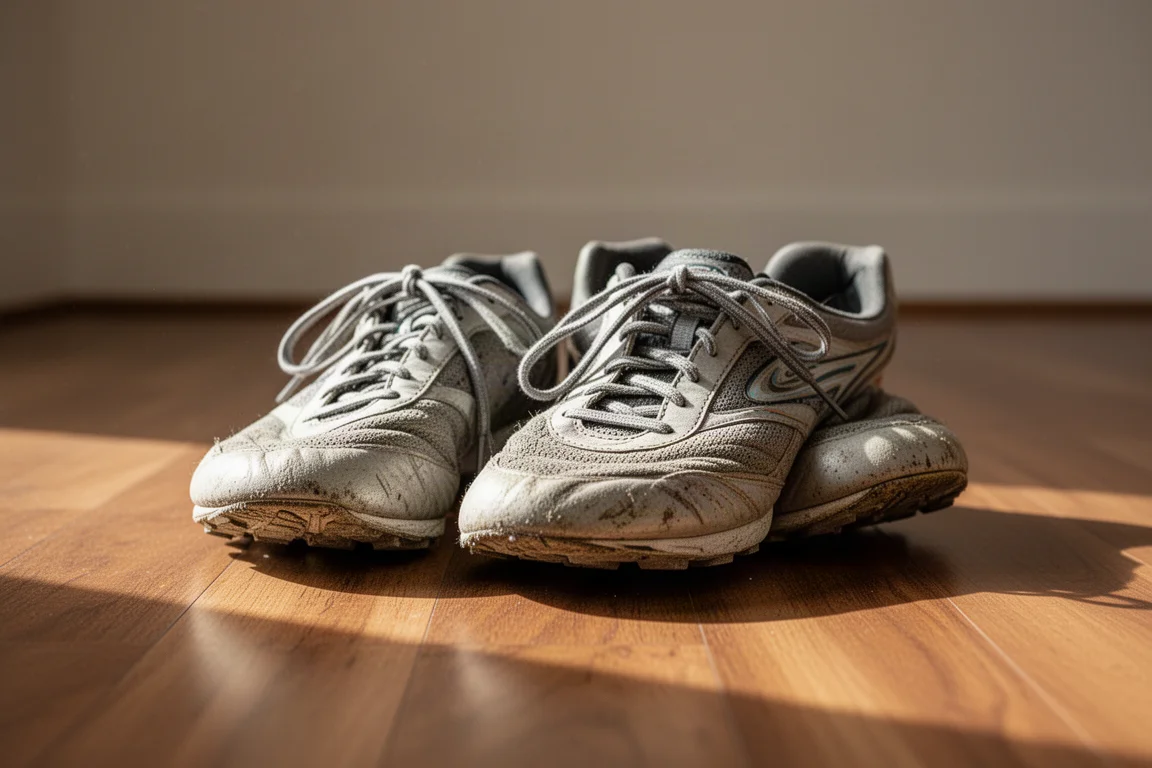
With a fast half or full on the calendar, the recommendation was to buy a fresh pair rather than race in a 100-mile shoe that looks this beat up. The aesthetics alone would get in your head at the start line. Performance-wise, though, a used pair still had at least another 50 miles of good ride left in it.
As for lineup preference, the initial take favored the Metaspeed Sky or Edge over the Ray. After 103 miles of the Ray feeling excellent deep into long runs, that ranking flipped. The Ray became the top pick from the ASICS Metaspeed family for race day, with the caveat that a fresh pair is the right call for the start line.
Conclusion
The ASICS Metaspeed Ray aged better than anyone expected. The thin upper survived hard use, the outsole rubber held past 100 miles, and the soft foam kept its bounce even as it creased and scuffed. The trade-off is a shorter total lifespan and looks that deteriorate fast. For runners who prioritize a soft, lively, featherweight race ride, the Ray earns its spot, just plan to replace it sooner than a traditional trainer.
Product link
View more details for ASICS Metaspeed Ray
This product is mentioned in the review. Check the specifications, options, and compatibility before buying.
View more details for ASICS Metaspeed RayFurther reading
Related Reviews

Running Shoes
Best Road-to-Trail Running Shoes: Three Versatile Options for Mixed Terrain
A practical guide to three road-to-trail running shoes that handle both pavement and mild trails, with clear strengths and trade-offs for different runner types.

Running Shoes
Best Running Shoes for Achilles Tendonitis: Three Options Explained
Three running shoes with different heel drops and support features designed to help reduce Achilles tendon pain during walking and running.

Running Shoes
Best Running Shoes for Women: Five Top Choices Ranked
A ranked guide to five women's running shoes, from versatile daily trainers to high-performance racing options, with real strengths and trade-offs for each.