Running Shoes
ASICS Metaspeed Edge vs Metaspeed Sky: Which Racing Shoe Fits Your Race Day?
Two carbon-plated racers from ASICS look nearly identical but behave very differently. Here is how the lower-stack Edge and the taller Sky split the distance spectrum.
Introduction
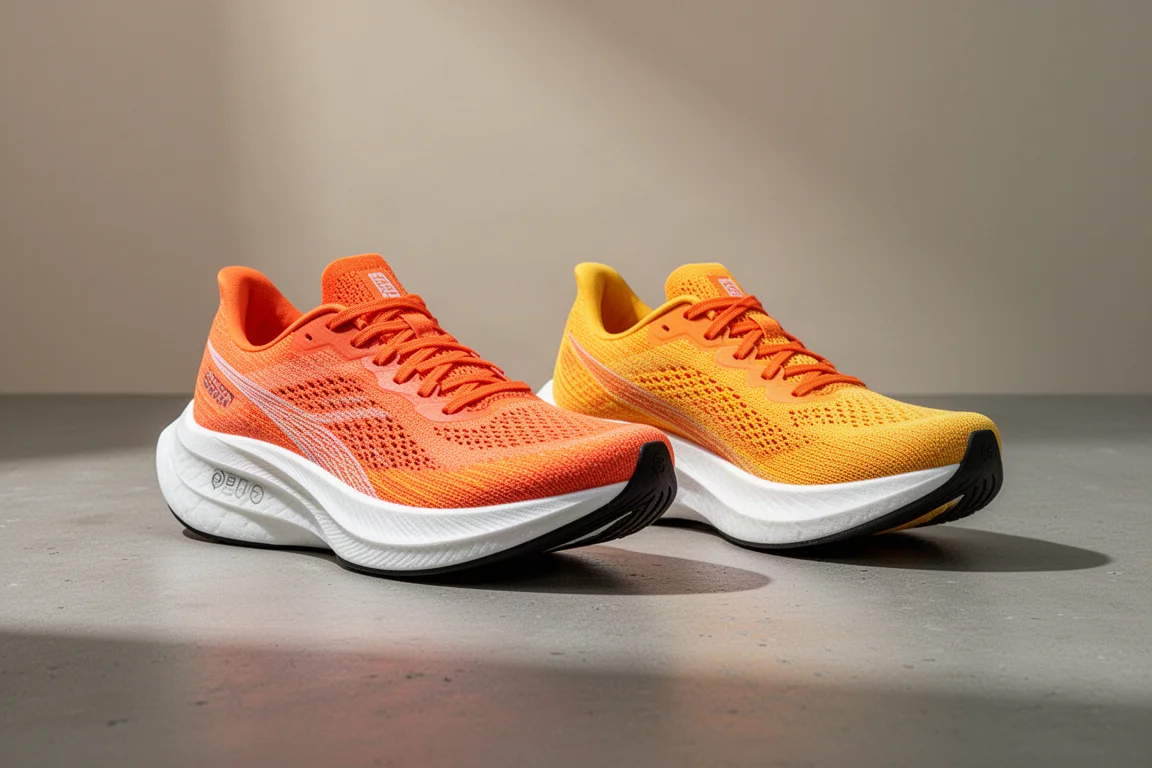
At a glance, the ASICS Metaspeed Edge and the ASICS Metaspeed Sky look like the same shoe. They share a plate, a foam family, and an upper style, but they are genuinely two different racers built for different jobs. The Sky is the taller, bouncier option that shines over long distances, while the Edge is a lower-stack, ultra-lightweight speed specialist aimed at shorter races and faster paces. This comparison breaks down where each shoe excels so you can pick the right tool for your race day.
ASICS Metaspeed Edge: The Lower-Stack Speed Specialist
The Metaspeed Edge is one of the lightest super shoes available. A men’s size 9 weighs 6.5 ounces, and a women’s size 8 comes in at 5.7 ounces. Stack height is 34 millimeters in the heel and 26 millimeters in the forefoot, producing an 8 millimeter drop. The nylon-based foam is comfortable at easy paces and turns bouncy when you pick the speed up, though it is a different character than some other super shoe foams.
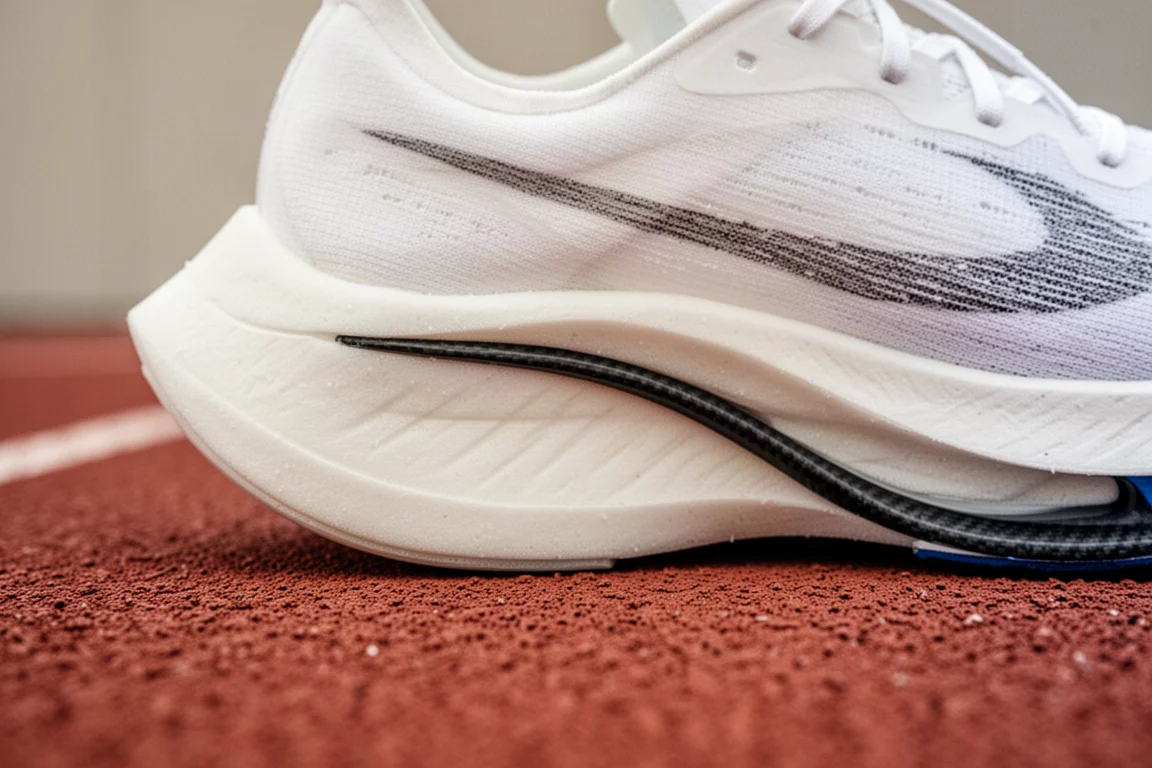
Where the Edge really earns its place is at high velocity. The lower stack sits closer to the ground, responds quickly at 5K pace and faster, and feels noticeably more stable than taller racing shoes, which makes it appealing for masters runners or anyone sensitive to low-drop, high-stack designs. It is smooth and genuinely enjoyable on short easy runs too, behaving almost like a heavily cushioned minimalist shoe. The trade-off: at moderate tempo and longer repeats, it lacks the bounce of its taller sibling, so it does not suit every effort.
ASICS Metaspeed Sky: The Long-Distance Bounce Machine
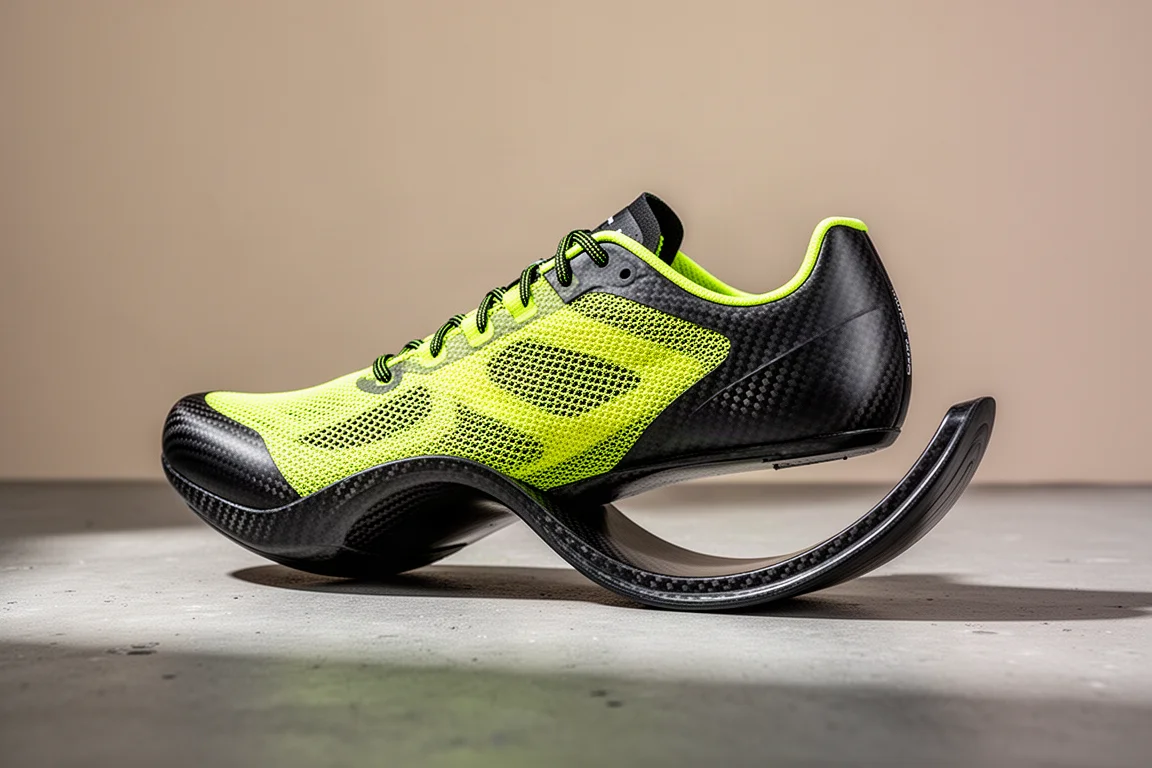
The Metaspeed Sky remains a standout thanks to its Flightfoam Turbo midsole, which delivers a super bouncy, highly responsive ride. That platform holds up over long distances and still manages surprising versatility, having handled everything from road racing to even the occasional trail or cross-country outing it was never designed for. It is not the most stable shoe in the heel, but the energy return is hard to beat.

For half marathon and marathon distance, the Sky is the clear top choice between the two, and it also covers 10K races comfortably. The lower 5 millimeter drop asks a bit more of your calves, but the payoff is a propulsive, energetic feel that the Edge cannot match over longer efforts.
Fit and Sizing: The Edge’s Biggest Caveat
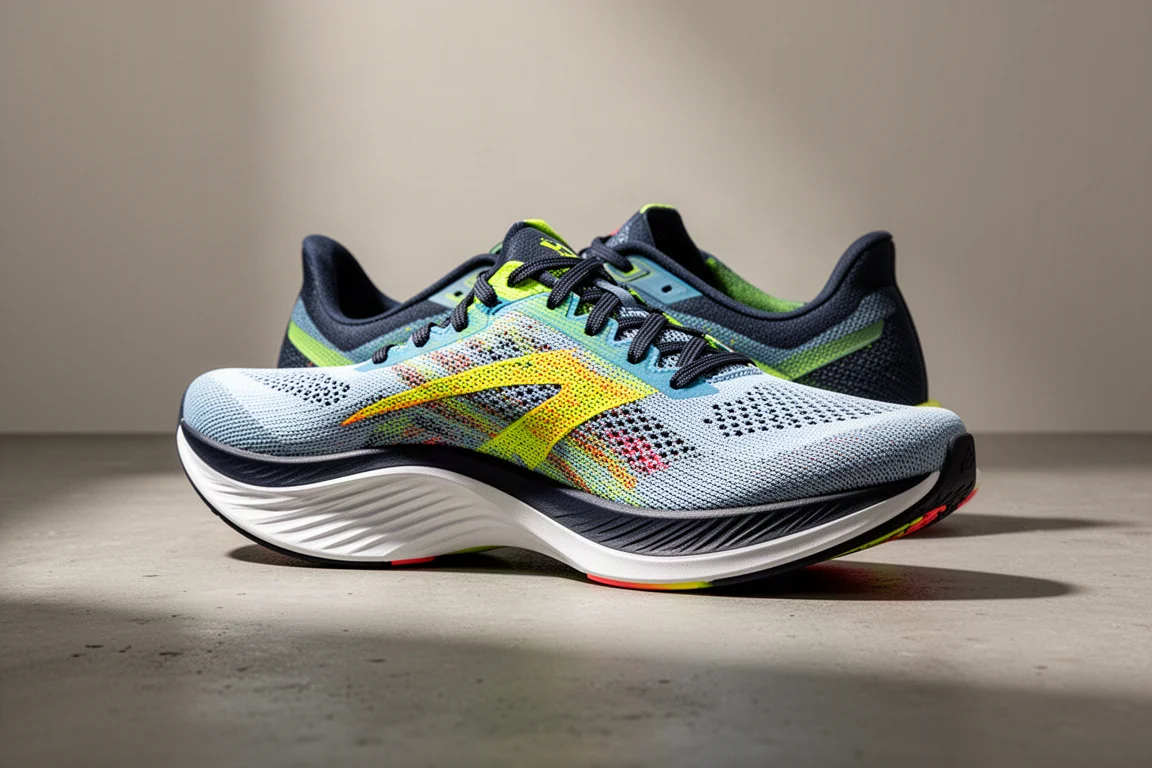
The Edge’s upper is minimal, breathable, and comfortable, with a flexible heel area, light internal structure, and more forefoot width than many racing shoes. The laces tie down well, though some heel slippage may need a lace lock, which can add pressure around the ankle bone.
The serious warning: the Edge fits about a half size short. A tester who normally wears a size 10 found the shoe uncomfortably short, developed blisters on the toes, and wished they had sized up to 10.5. If you want a snug, short-fitting race shoe, that is a feature. For anything longer than a mile, going up a half size is strongly recommended, and trying the shoe before buying is ideal.
Which One Should You Buy?
Forget the stride-versus-cadence marketing framing. The practical difference comes down to stack height and race distance: do you want to be tall off the ground and bouncing over long miles, or closer to the ground and darting through a 5K? The Edge is the better pick for mile, 5K, and 10K races, fast interval sessions, cross-country for runners who want a plated option with enough grip and durability for dirt, and even short easy runs. The Sky is the better pick for half marathon, marathon, and any long effort where bounce matters most.

Keep it simple: comfort and target distance should drive the decision. More foam does not automatically mean better performance, and the Edge proves that a lower, lighter platform can fill the gap that most super shoes have left for shorter-distance racers.
Conclusion
The ASICS Metaspeed Edge and Metaspeed Sky complement each other rather than compete. The Edge brings elite-level lightness, a more forgiving 8 millimeter drop, and genuine speed at shorter distances, with the caveat of a half-size-short fit. The Sky brings maximum bounce and long-distance performance. Pick based on stack height and race distance, and both are excellent choices.
Further reading
Related Reviews

Running Shoes
Best Road-to-Trail Running Shoes: Three Versatile Options for Mixed Terrain
A practical guide to three road-to-trail running shoes that handle both pavement and mild trails, with clear strengths and trade-offs for different runner types.

Running Shoes
Best Running Shoes for Achilles Tendonitis: Three Options Explained
Three running shoes with different heel drops and support features designed to help reduce Achilles tendon pain during walking and running.

Running Shoes
Best Running Shoes for Women: Five Top Choices Ranked
A ranked guide to five women's running shoes, from versatile daily trainers to high-performance racing options, with real strengths and trade-offs for each.