Running Shoes
ASICS Metaspeed Edge Tokyo vs Sky Tokyo: Which Carbon Racer Suits Your Running Style?
Two carbon plate racing shoes from ASICS with similar stats and price but very different ride feels. Here is how the Edge Tokyo and Sky Tokyo compare.
Introduction
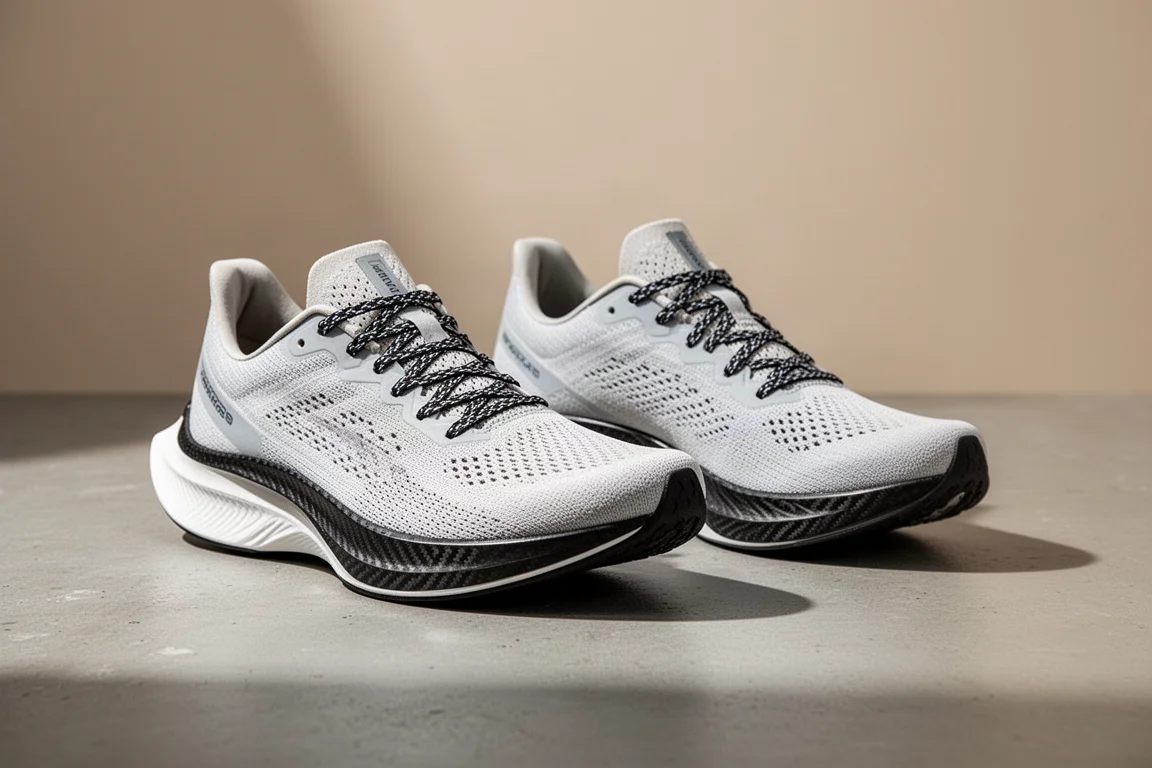
ASICS now fields three carbon plate racing shoes in its Metaspeed range, and the two most similar are the Metaspeed Edge Tokyo and the Metaspeed Sky Tokyo. They share nearly identical stats, the same price, and much of the same construction, yet they are built around two different running styles. We have spent early run time in both, including a hard tempo workout in the Edge Tokyo on tired legs, and the differences are closer than ever this generation.
Quick Specs and Price
The Edge Tokyo costs £240 or $270, a price rise on the previous Edge Paris. It is lighter than that shoe, though: just 166 grams (5.9 oz) in a UK size 9, roughly the same as or slightly lighter than the Sky Tokyo in the same size. Stack height is 39.5mm at the heel and 34.5mm at the forefoot for a 5mm drop.
Both shoes use the Motion Wrap 3.0 upper, a very lightweight and breathable material with essentially no padding around the tongue or forefoot. There is a small internal heel counter with a little padding at the back, which is what you expect from a racer. The outsole is Grip with minimal coverage and lots of exposed foam at the heel, so the back of the shoe can get churned up, but grip across the Metaspeed series has consistently been good.

ASICS Metaspeed Edge Tokyo
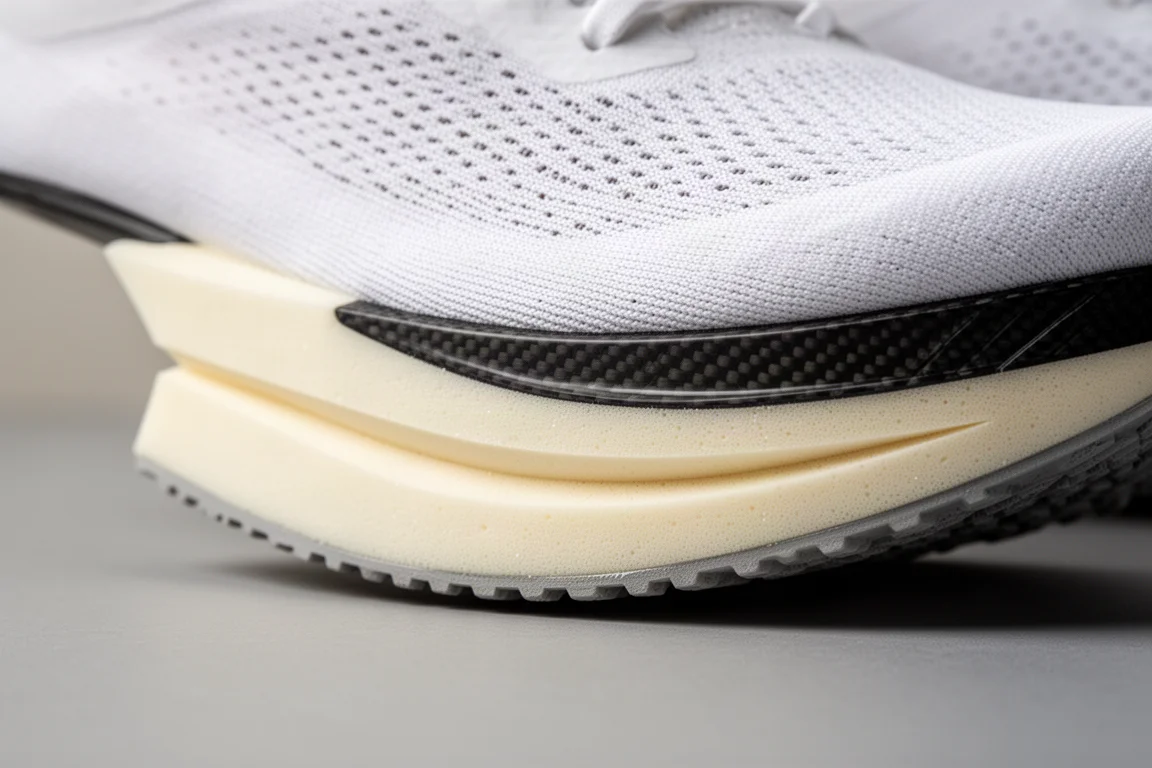
The Edge Tokyo uses a dual-density midsole: the new FF Leap foam, introduced this year, sits on top as the layer directly beneath your foot, with the firmer FF Turbo Plus from previous models as the bottom layer. On the Edge Tokyo, the plate is more scooped and sits lower in the foam under the forefoot, making it less noticeable and adding comfort.
The design intent is for high-cadence runners who mainly increase their cadence when running faster. That said, our long-standing approach is simpler: pick the one that feels better, and this Edge is genuinely interesting because the softer, springier FF Leap directly underfoot changes the ride noticeably from previous versions.
ASICS Metaspeed Sky Tokyo
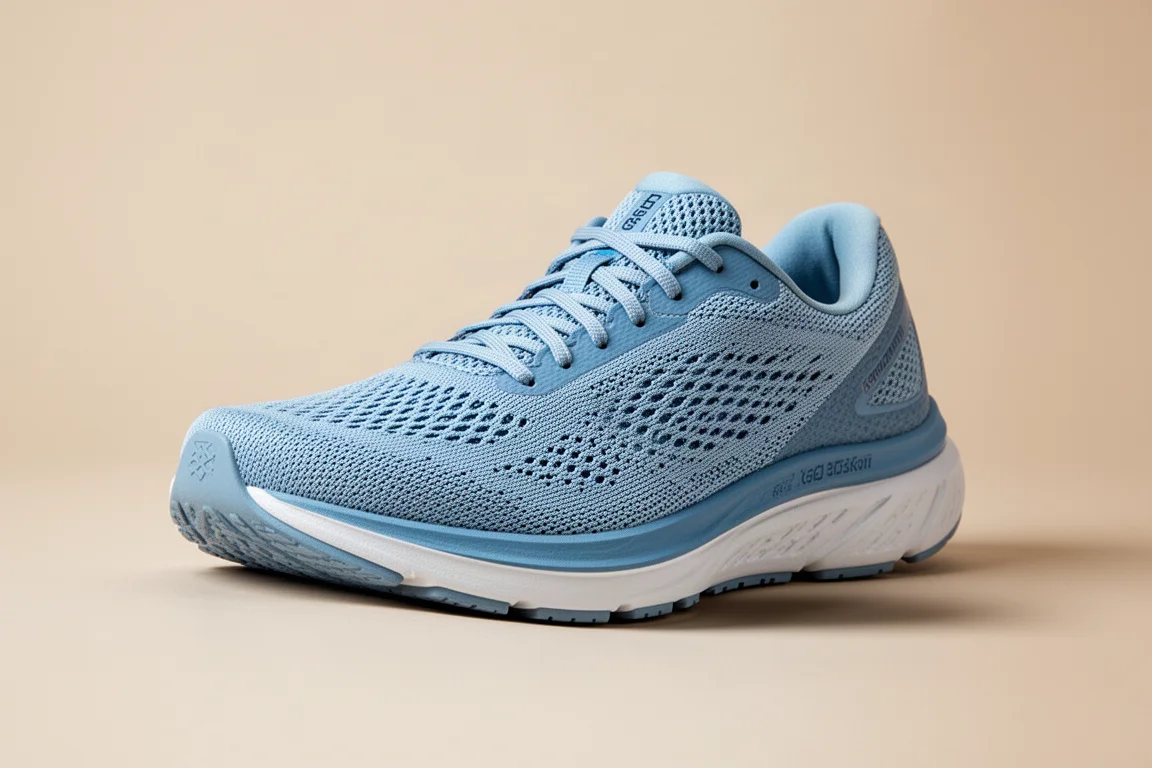
The Sky Tokyo reverses the foam order: FF Leap sits on the bottom, with FF Turbo Plus on top. There is a big wedge of FF Leap at the heel, and the plate sits a bit higher in the foam. The result is a slightly bouncier ride all round, a softer feel at the heel, and a bit more of a push toward the toes.
ASICS positions this shoe for more loping runners who extend their stride length when they pick up the pace. In practice, the Sky has been our usual preference in past generations, with two marathon PBs set in the Metaspeed Sky Paris. This Tokyo version continues that strong feel off the toes thanks to the FF Leap midsole.

View more details for ASICS Metaspeed Sky Tokyo
First Run Impressions: Edge Tokyo
We put the Edge Tokyo through an hour at 3:45 per km pace, roughly 10 miles, as the second run of a double day on a hot afternoon with tired legs. It was a good test of how the shoe holds up late in a hard effort, and it did well. The run felt smooth and controlled, with the propulsion you expect from a carbon racer and no forefoot fatigue at the end of a long, hardish session.
The first few kilometres felt slightly stiff and slappy out of the gate, but that eased off quickly. The bigger takeaway: you get noticeably more oomph from the forefoot than the Edge Paris, where the push seemed to come from the midfoot. The Edge Tokyo now delivers a forefoot punch closer to what we love in the Sky Paris and Sky Tokyo. It is also worth noting that at the Tokyo launch event, the vast majority of elite runners at the race were opting for the Edge Tokyo, which says something about how it is landing.
Which One Should You Buy?
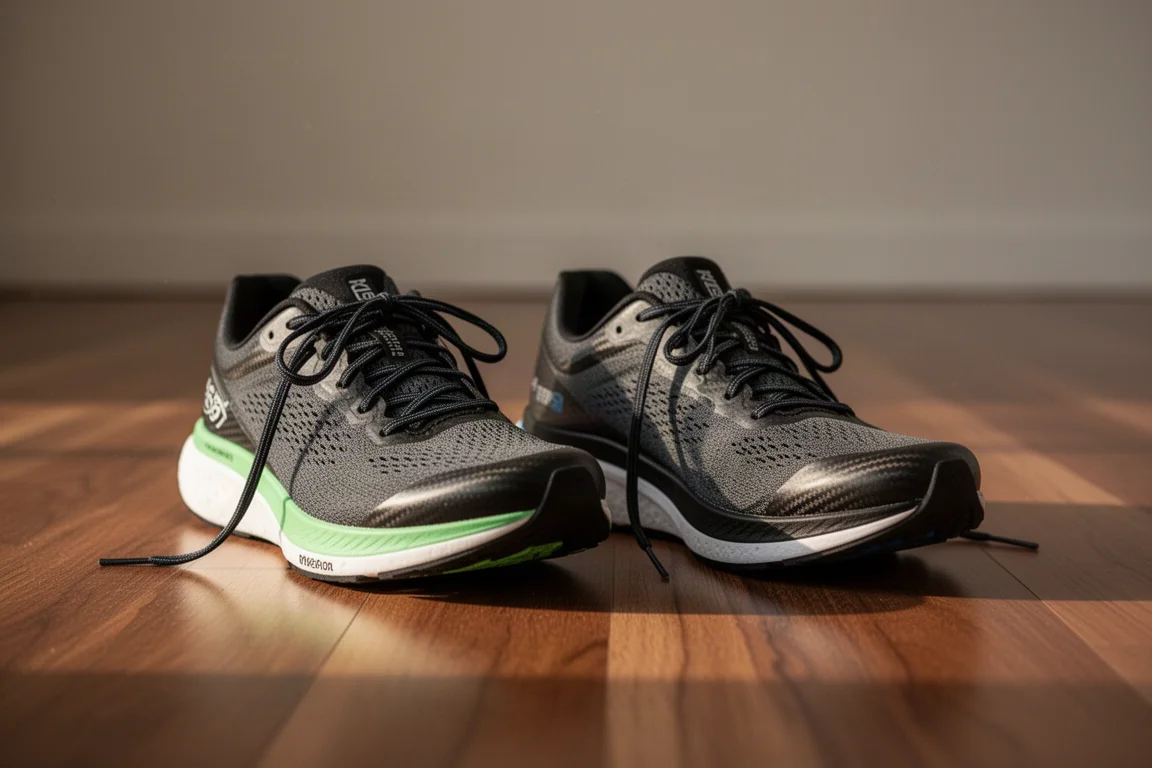
Side by side, the Edge Tokyo feels a little more fluid through the roll, with the firmer FF Turbo Plus wedge at the rear pushing you onto the toes a bit quicker. The Sky Tokyo feels softer at the heel and slightly bouncier overall. Both feel genuinely good off the toes, and preferences will likely come down to subtle feel rather than clear superiority.
Fit is true to size for both: a UK 9 (US 10) gave a good fit with enough toe room, though slightly less roomy than ASICS trainers like the Gel-Nimbus or Superblast. If those feel tight, a racer will feel tighter still. Heel and midfoot hold is excellent, the Motion Wrap uppers remain comfortable without adding weight, and the sawtooth laces stay tied and comfortable. Stick to your normal running shoe size.
One honest observation: with the Edge Tokyo and Sky Tokyo so similar, plus the very different, softer and much lighter Metaspeed Ray above them, the range is a little confusing. But if you are choosing between these two, run in both if you can, and go with the ride that feels better under your foot.
Conclusion
The Edge Tokyo and Sky Tokyo are both excellent carbon plate racing shoes with the same price, weight, and geometry, separated mainly by foam order and ride character: more fluid and forefoot-driven on the Edge, softer and bouncier on the Sky. This generation is the closest the two have ever been, and either one is a serious option for race day.
Further reading
Related Reviews

Running Shoes
Best Road-to-Trail Running Shoes: Three Versatile Options for Mixed Terrain
A practical guide to three road-to-trail running shoes that handle both pavement and mild trails, with clear strengths and trade-offs for different runner types.

Running Shoes
Best Running Shoes for Achilles Tendonitis: Three Options Explained
Three running shoes with different heel drops and support features designed to help reduce Achilles tendon pain during walking and running.

Running Shoes
Best Running Shoes for Women: Five Top Choices Ranked
A ranked guide to five women's running shoes, from versatile daily trainers to high-performance racing options, with real strengths and trade-offs for each.