Running Shoes
Asics Metaspeed Edge Paris vs Sky Paris: Which One Matches Your Running Style?
Two overhauled Asics racing shoes with a shared bouncy FF Turbo Plus midsole, light builds, and very different acceleration styles. Here is how to pick.
Introduction
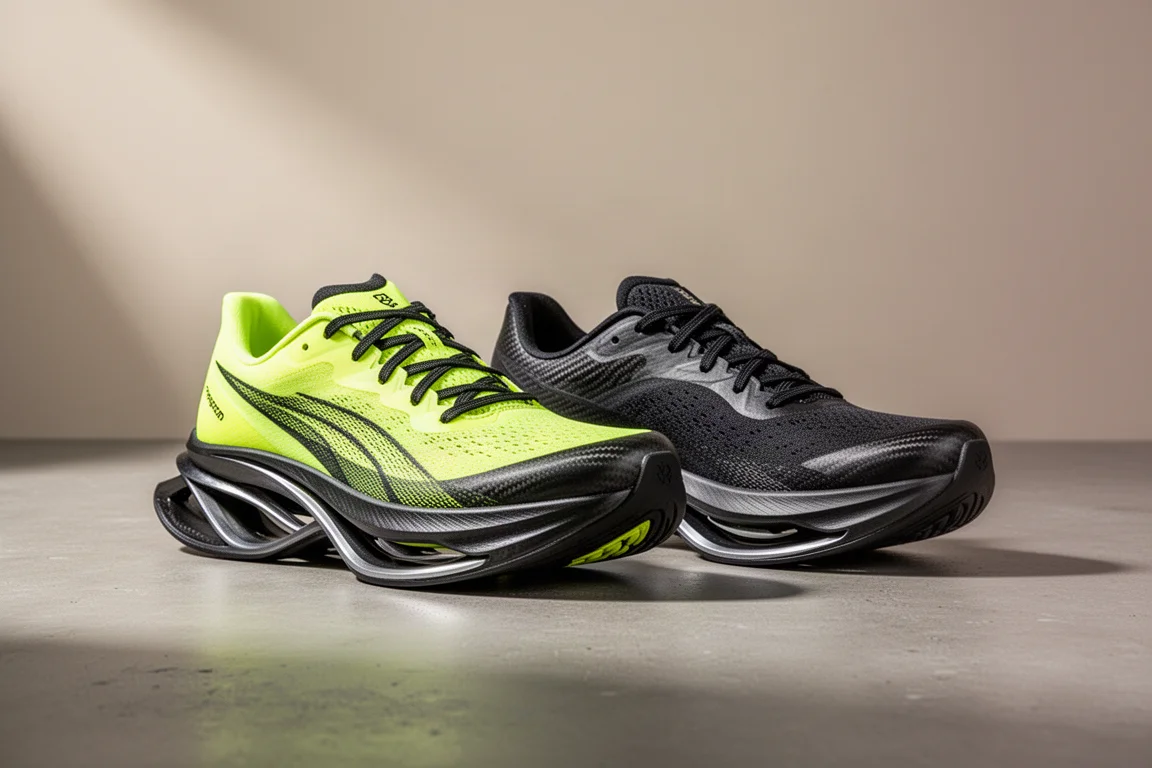
Asics completely redid the Metaspeed Edge and the Metaspeed Sky for the Paris generation, and the changes are significant. Both shoes are lighter than the versions before them, both use the bouncy Flight Foam Turbo Plus midsole, and both belong in the conversation among the lightest widely available racing shoes on the market, second only to the Adidas Adizero Evo Pro in that class. The real question is not which shoe is better overall, but which acceleration style matches yours.
The Shared Foundation: Light Weight and Lots of Bounce
Both shoes sit in the same weight range, around 185g for a men’s size 9 or women’s size 10.5, which is roughly 6.2 oz. That makes them the lightest broadly available racing shoes outside of the Evo Pro. The stack height is generous too, about 39.5mm in the heel and 34.5mm in the forefoot for a 5mm drop, but the slim, narrow profile keeps them from feeling tall or unstable.
The real story is the Flight Foam Turbo Plus. It has an enormous amount of bounce, and both shoes feel genuinely fast on foot at a variety of paces. Both use a curved plate, so the ride works with rolling mechanics rather than fighting them. The difference between the Edge and the Sky is not the ride quality, it is how each shoe helps you go faster.

Metaspeed Edge Paris: Built for Faster Leg Turnover
The Edge is the shoe for runners who accelerate by spinning their legs faster. When you fatigue in a race and your instinct is to increase your cadence and get your legs turning over more quickly, the Edge responds immediately. That responsiveness was noticeable deep into a 5K effort, when tired legs tried to quicken and the shoe kept answering.
Because it rewards quick turnover rather than a longer stride, it can feel slightly harder to push into race mode if your habit is to lengthen your stride to go faster. It still keeps you moving quickly, but the magic shows up when you shift into turnover mode. This is the shoe that feels alive when you are genuinely racing.
Metaspeed Sky Paris: Built for Stride Extension
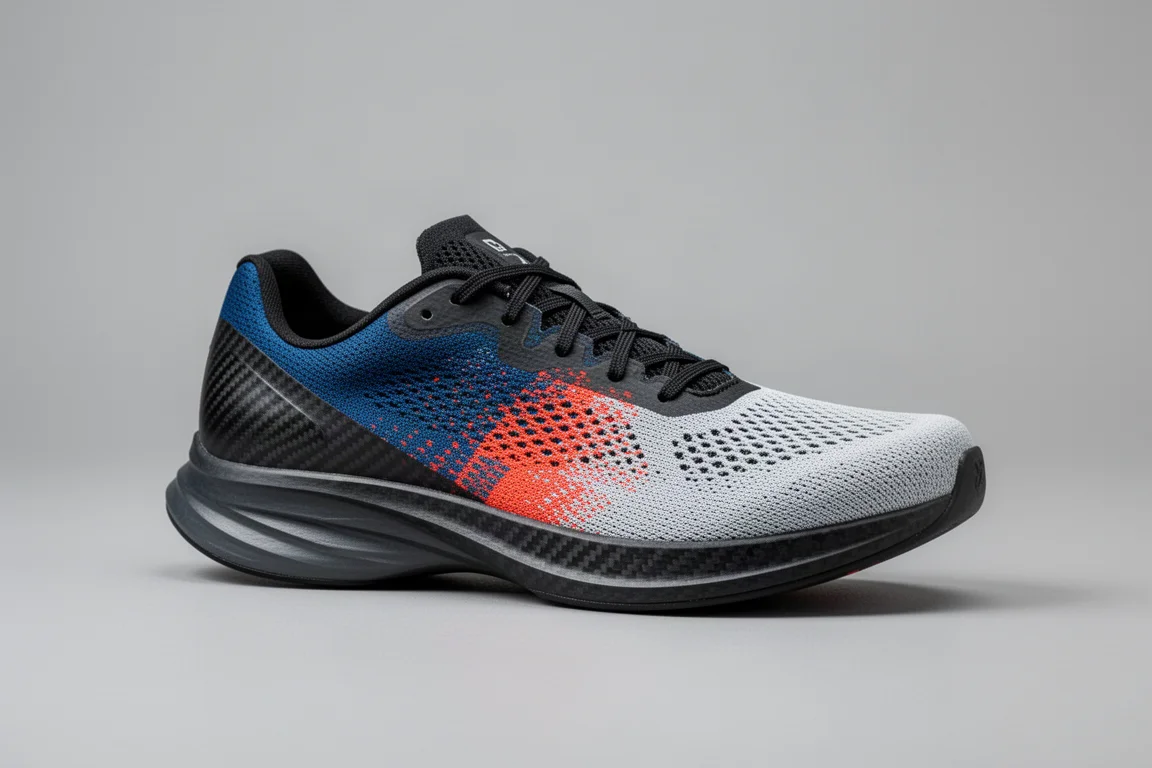
The Sky is the counterpart in the lineup, and the two shoes are differentiated by acceleration style. The Sky is designed for runners who go faster by lengthening their stride. If that describes how you naturally race and surge, the Sky is the shoe in this pair that matches your mechanics.
Asics redesigned both shoes from the prior versions and, by its own account, made them phenomenally better. Both share the light weight, the bouncy foam, and the curved plate, so the choice between them comes down almost entirely to which way you accelerate.
Durability: Better Than Most Racing Shoes
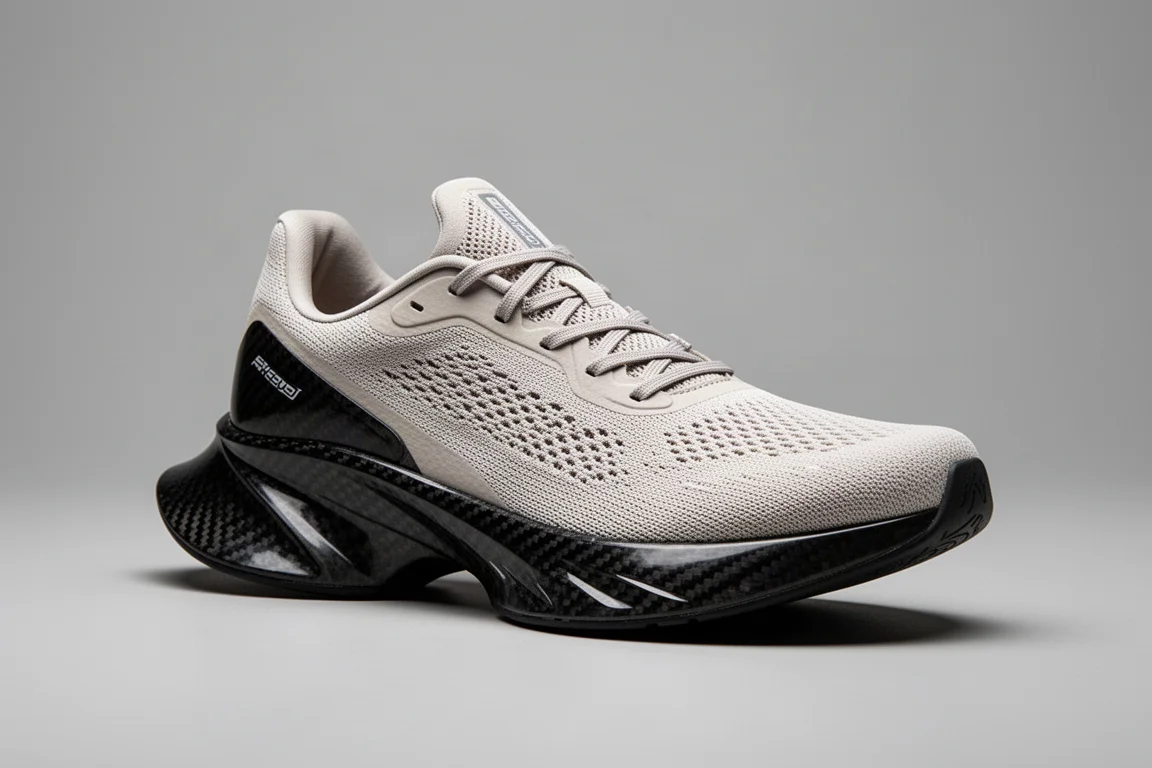
Racing shoes usually wear out quickly, but this generation holds up far better than most. After 100 miles, the midsole still feels totally fine and retains a similar bounciness, and there is plenty of traction left. That kind of durability is genuinely uncommon in this category.
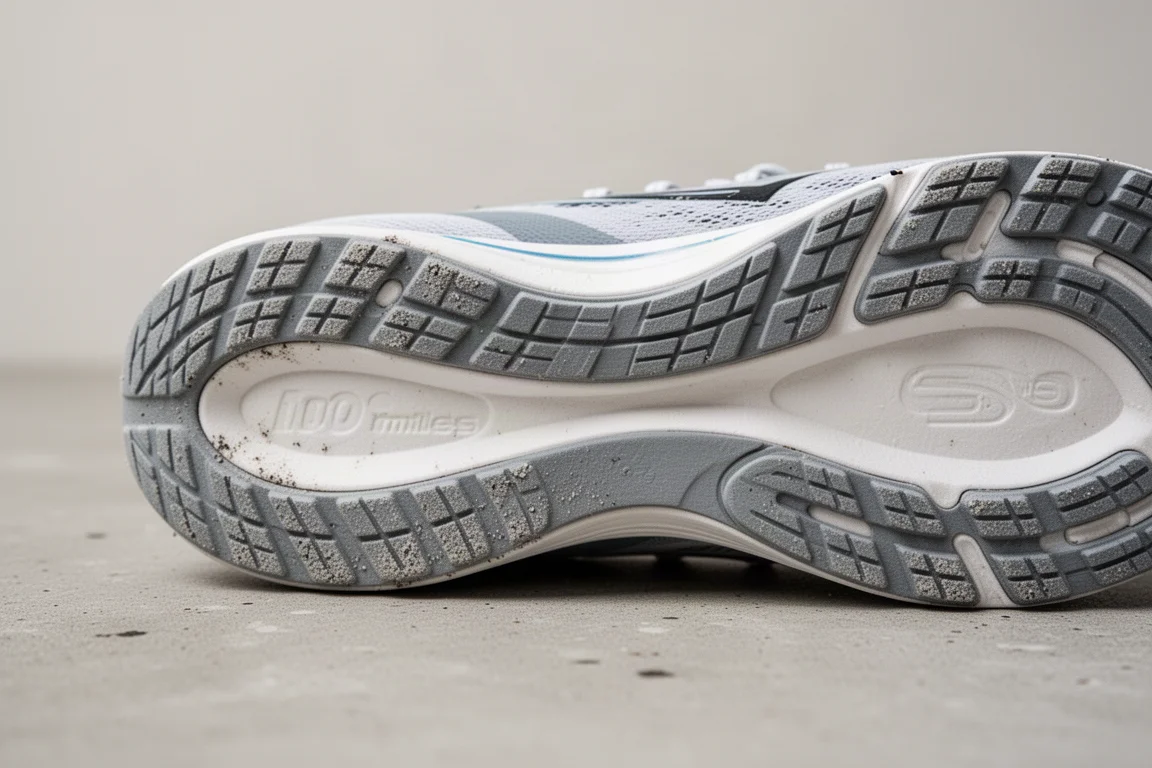
One traction note: these are road shoes. They are excellent on smooth road surfaces and the track, but soft surfaces are a struggle, so keep them off trails. On road, they are absolutely well suited.
Fit and Upper
The fit is normal to slightly snug, with a little extra volume for runners who need it, and the laces lock down without trouble. The tongue is thin and not gusseted, but it is so thin it stays put without any issues.
The standout feature is the heel. A very thin heel counter provides just a touch of structure while staying remarkably flexible, and the flexibility itself is impressive.
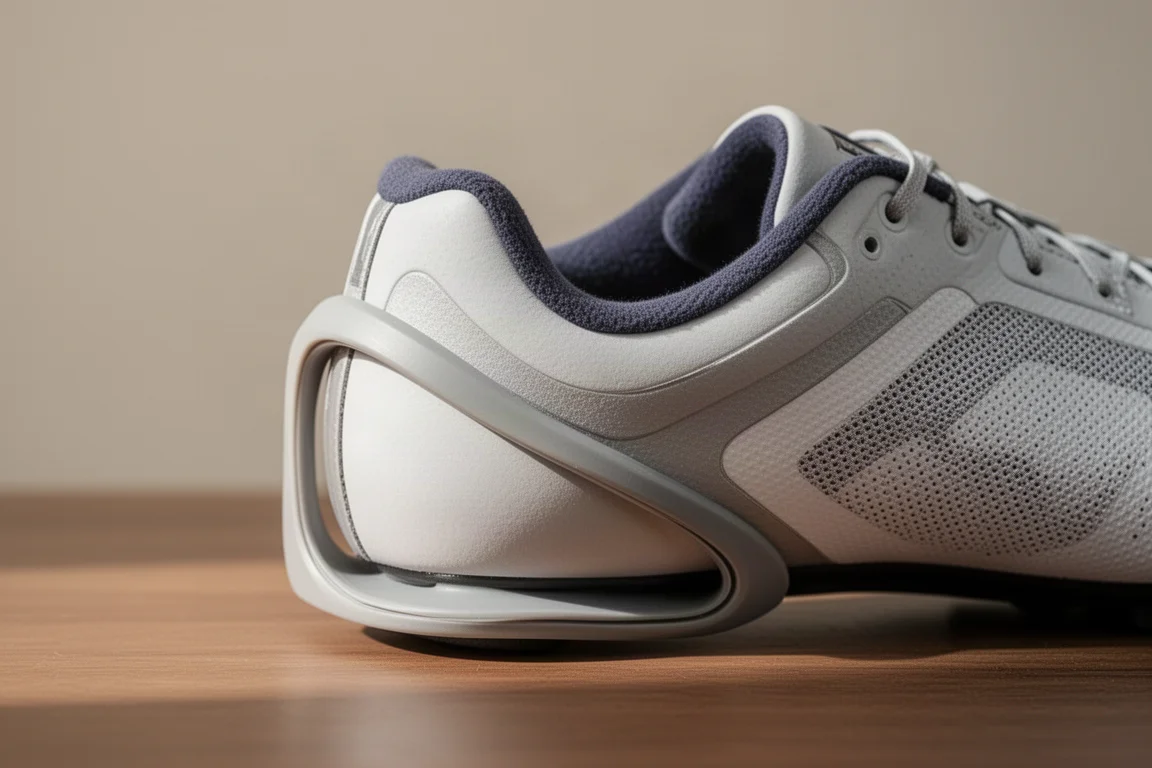
For runners with Haglund’s deformity or general heel sensitivity, this is a genuinely good option, because the soft, flexible heel area avoids irritation entirely.
Best Race Distances and Stability Guidance
The Edge has handled nearly every kind of workout: track intervals, fartleks, tempo runs, hill repeats, long runs with interval sessions, even a time trial pushing a stroller at a 5:04 mile. It races especially well from 5K up through the half marathon.
On stability, this is a neutral-leaning shoe with a mild amount of guidance. There is a medial sidewall in the midfoot, a slightly higher arch, and a small lateral sidewall, plus a heel that compresses a tiny bit more on the lateral side. It is not unstable, but it is not a stability shoe either. Runners with neutral mechanics can take it to the marathon without a problem. Runners with mild stability needs will find the half marathon a comfortable ceiling, with the forefoot providing solid stiffness and sole flare when fatigue sets in.

Buying Advice
If you accelerate by quickening your leg turnover, race anything from 5K to the half marathon, have a normal width foot or want a touch of extra volume, and want a very bouncy ride with minimal guidance, the Edge is the pick. If your natural instinct is to lengthen your stride when you push the pace, the Sky is the better match. Either way, both represent a serious step up from the prior generation, and the durability makes the investment easier to justify than most super shoes.
Conclusion
Asics raised the bar with both the Metaspeed Edge Paris and the Metaspeed Sky Paris. Pick based on how you accelerate: turnover runners will love the Edge, stride-extenders should look at the Sky, and neutral runners in either shoe get one of the lightest, bounciest, and more durable racing shoes currently available.
Further reading
Related Reviews

Running Shoes
Best Road-to-Trail Running Shoes: Three Versatile Options for Mixed Terrain
A practical guide to three road-to-trail running shoes that handle both pavement and mild trails, with clear strengths and trade-offs for different runner types.

Running Shoes
Best Running Shoes for Achilles Tendonitis: Three Options Explained
Three running shoes with different heel drops and support features designed to help reduce Achilles tendon pain during walking and running.

Running Shoes
Best Running Shoes for Women: Five Top Choices Ranked
A ranked guide to five women's running shoes, from versatile daily trainers to high-performance racing options, with real strengths and trade-offs for each.