Running Shoes
ASICS Metaspeed Edge Tokyo vs Metaspeed Sky Tokyo: Which Race Shoe Fits Your Stride?
A close look at how the two ASICS Metaspeed Tokyo race shoes differ in foam stack, plate position, feel, and durability, and which type of runner each one suits.
Introduction
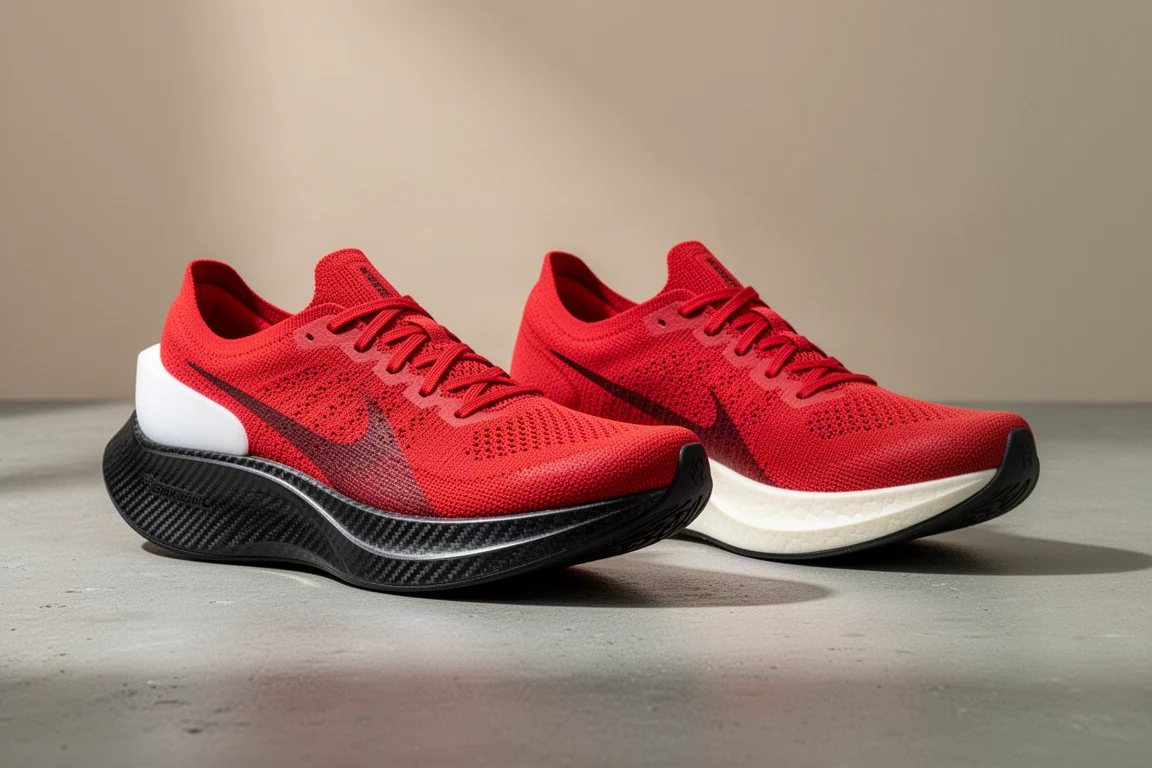
ASICS took an unusual approach with the Metaspeed Tokyo generation: instead of one flagship marathon shoe, it released two, the Metaspeed Edge Tokyo and the Metaspeed Sky Tokyo, built around two different running styles. The Edge is aimed at runners who want to increase cadence, taking more steps per minute with a lighter touch, while the Sky is designed for stride runners who put more power down through a longer stride.
That sounds straightforward, but living with both shoes reveals some genuine trade-offs around feel, durability, and comfort that are worth understanding before you spend race-shoe money.
How the Edge Tokyo and Sky Tokyo Differ
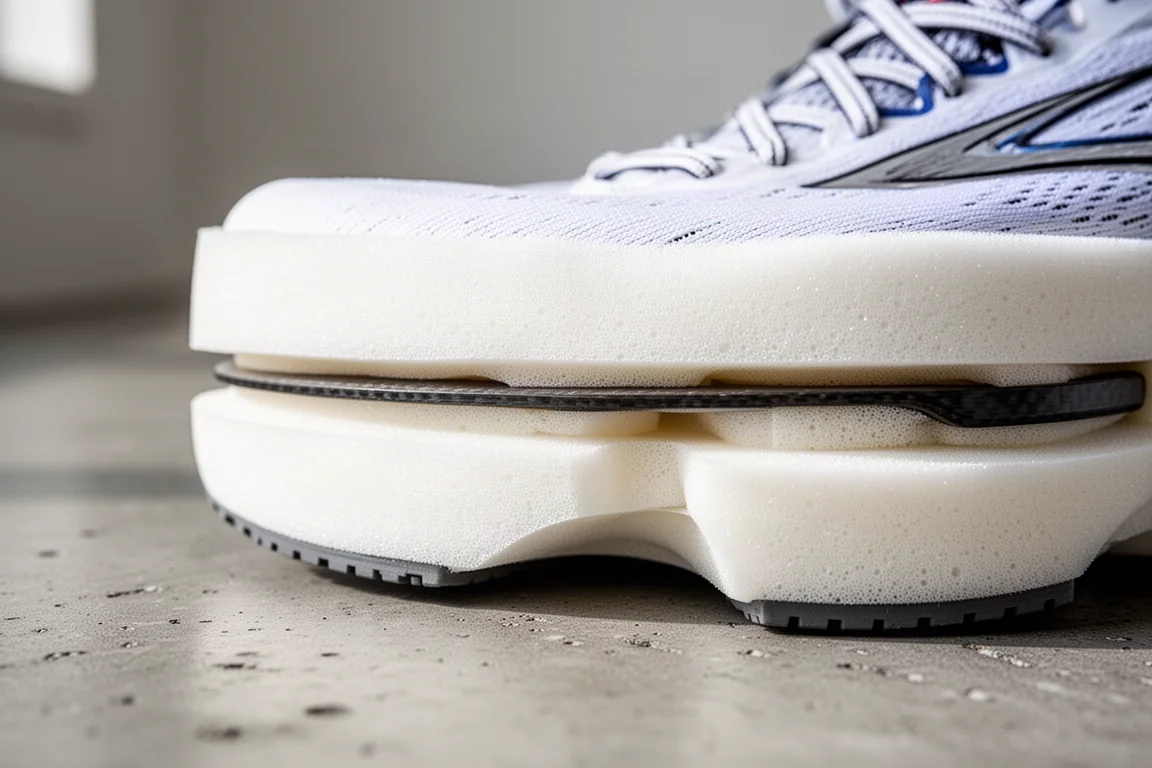
The core difference comes down to the foam stack and plate position. Both shoes use two ASICS foams: FF Turbo Plus, the older, firmer, PA-based foam, and FF Leap, the newer, softer ATPU compound. The Sky places FF Turbo Plus on top and FF Leap on the bottom. The Edge flips that arrangement, with softer FF Leap on top and the firmer FF Turbo Plus underneath.
Plate position matters just as much. The Edge has a lower plate position, which puts more foam above the plate and creates the illusion of extra forefoot cushioning. The Sky sits the other way, with the plate closer to the foot. Neither shoe has more or less foam overall; it is about where that foam sits relative to the plate and your foot.
One practical frustration: at launch, each shoe ships in a single colorway, red for the ASICS race shoes, and the two models look nearly identical at a glance. The giveaway is the foam. The Edge shows bright pure white foam on top, while the Sky has the off-white layer on top. You have to look closely to tell them apart.
Metaspeed Edge Tokyo: Built for a Lighter, Quicker Touch
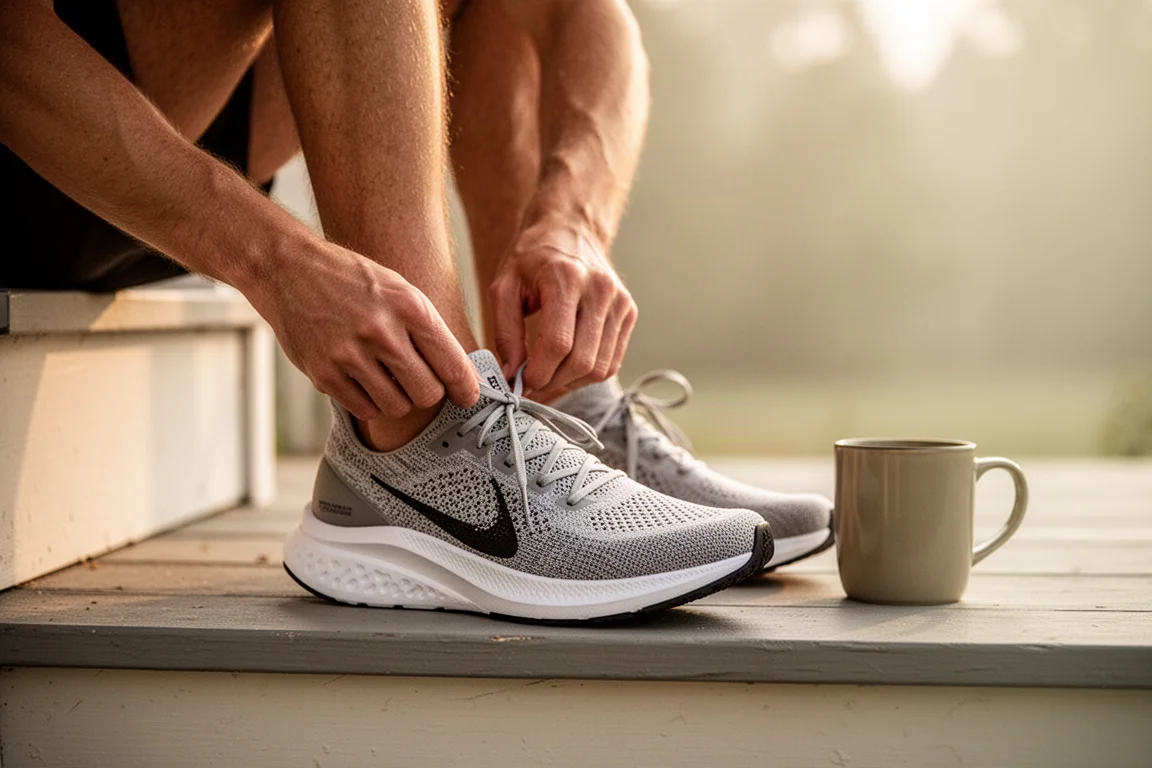
The Edge Tokyo rewards a forefoot-focused, higher-cadence running style. Landing with a lighter touch up front is where the shoe comes alive, and the softer FF Leap layer above the plate gives the forefoot a noticeably softer, bouncier feel. At hard efforts, it is genuinely quick: in an out-of-the-box workout of three one-mile repeats, paces around 5:10 per mile felt smooth, and there was plenty of bounce with a spoon-shaped plate that cradles the forefoot.
That softer top layer also appears to hold up better over distance. The firmer, off-white FF Turbo Plus layer on the bottom of the Edge is the less durable foam, and having it underneath means the outsole and midsole look far fresher after long miles than the Sky’s, which has been known to tear up badly on long runs, sometimes in well under 30 miles. If you want one shoe for both long-run training and racing, or you simply put a lot of miles on your race shoes, that durability difference is real.
The trade-off is that the Edge can feel odd at easier paces. The firm base foam plus plate geometry in the rear can feel harsh and choppy on relaxed jogging, almost like bottoming out the heel, while the front stays soft. The upper is also finicky: it lets you crank the top laces down uncomfortably tight, and getting the fit right can take multiple re-ties, with some visible bunching in the forefoot material.
Metaspeed Sky Tokyo: The Stride Runner’s Pick
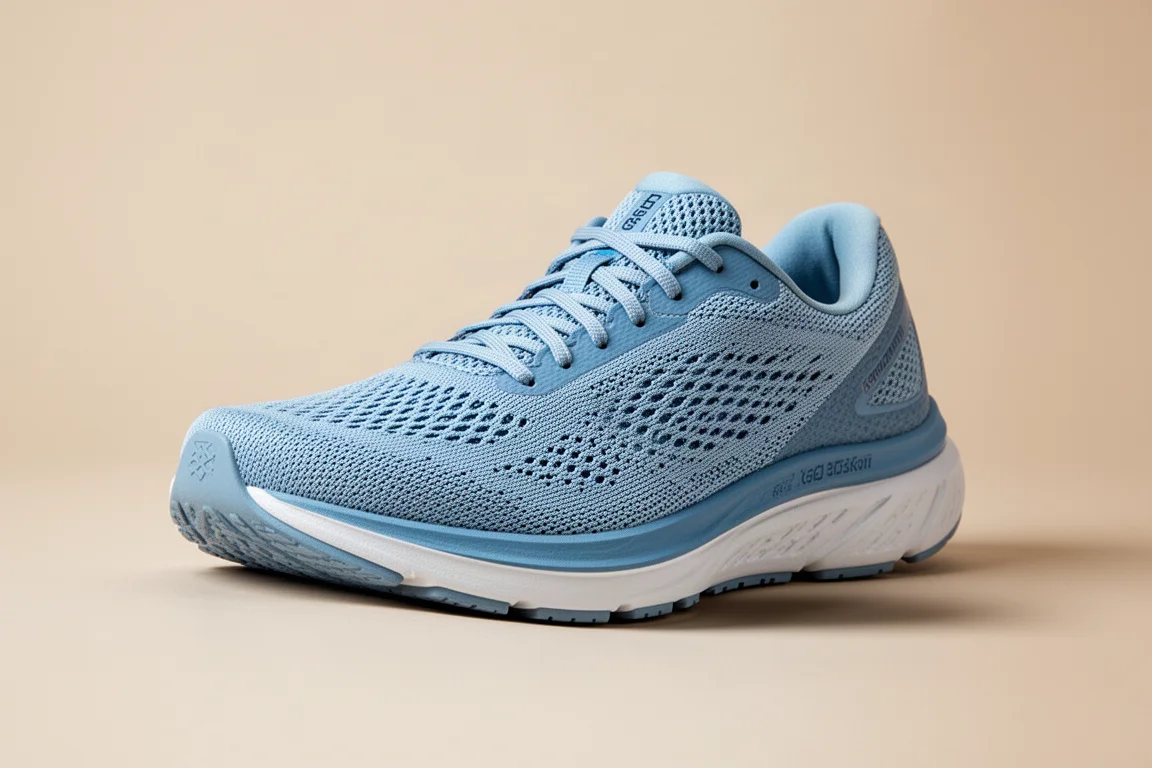
The Sky Tokyo is the better match for runners who land with power and roll through a longer stride. Because the softer FF Leap sits on the bottom, the heel compresses smoothly and the shoe rolls through the stride without the choppiness the Edge can show at the back end. Over a 22-mile long run, the Sky delivered a more comfortable, more natural ride for a stride-based runner, and the softer base foam helps the heel land and transition cleanly.
The speed is not in question either. The Sky handles hard workouts and marathon-pace work with confidence, and for many testers it is simply the better-feeling shoe of the pair.
The glaring weakness is durability. With the less durable, bright white foam on the bottom, the Sky can look completely chewed up after a single long run, with midfoot wear appearing in fewer than 20 miles for some runners. It is also worth noting that the plate sits close to the foot with a firmer foam on top, which over a very long run can start to beat up the feet. If you buy the Sky, go in knowing it is a shoe that may look old fast.

View more details for ASICS Metaspeed Sky Tokyo
Running the Edge Tokyo on a Long Run
Over a 20-plus mile long run with marathon-pace work mixed in, the Edge Tokyo delivered when it counted. At marathon pace and faster, the shoe disappears: the soft forefoot, the bounce, and the plate all come together and the pace comes easily. Twelve miles of marathon-pace repeats inside a long run felt strong and controlled, and the shoe certainly helped hit the splits.
But the easy miles exposed its personality. On recovery jogging, the combination of the stiff rear plate, firm base foam, and soft forefoot felt strange, with pressure from the carbon under the midfoot and a choppiness at the heel that made the shoe feel far more aggressive than its reputation as the “comfortable” option suggests. Despite having the softer foam on top, it did not feel like the more comfortable long-run shoe of the pair. The overall impression is of a genuinely aggressive race shoe that wants to be run hard, not a forgiving trainer.
Buying Advice: Edge or Sky?
For most runners, buying both does not make sense; together they represent a serious investment. Choosing one comes down to your stride and priorities:
- If you are a cadence-focused runner who lands lightly on the forefoot, the Edge Tokyo fits that style directly, and its more durable foam arrangement makes it a better candidate for heavy training miles alongside racing.
- If you are a stride runner who puts power down through the heel and midfoot, the Sky Tokyo is the smoother, more natural choice, but expect faster cosmetic and midsole wear.
- If your top priority is a durable marathon shoe you can also train in, other options may serve you better, and it is worth comparing before deciding.
- If you value a soft, comfortable forefoot feel and a plate that works with the foot rather than against it, the Edge’s forefoot is pleasant but some alternatives deliver that feel more naturally.
Conclusion
Both Tokyo models are fast, legitimate race shoes, but they are not interchangeable. The Edge Tokyo is an aggressive, bouncy race shoe that suits lighter-touch, higher-cadence runners and holds up better over mileage, though it can feel harsh and awkward at easy paces and the upper demands patience. The Sky Tokyo is the smoother, more natural ride for powerful stride runners, with the significant caveat of noticeably worse durability. Match the shoe to how you actually run, and either one can carry you through a marathon block.
Further reading
Related Reviews

Running Shoes
Best Road-to-Trail Running Shoes: Three Versatile Options for Mixed Terrain
A practical guide to three road-to-trail running shoes that handle both pavement and mild trails, with clear strengths and trade-offs for different runner types.

Running Shoes
Best Running Shoes for Achilles Tendonitis: Three Options Explained
Three running shoes with different heel drops and support features designed to help reduce Achilles tendon pain during walking and running.

Running Shoes
Best Running Shoes for Women: Five Top Choices Ranked
A ranked guide to five women's running shoes, from versatile daily trainers to high-performance racing options, with real strengths and trade-offs for each.