Running Shoes
ASICS Metaspeed Edge Tokyo Review: The More Versatile Racer of the New Metaspeed Pair
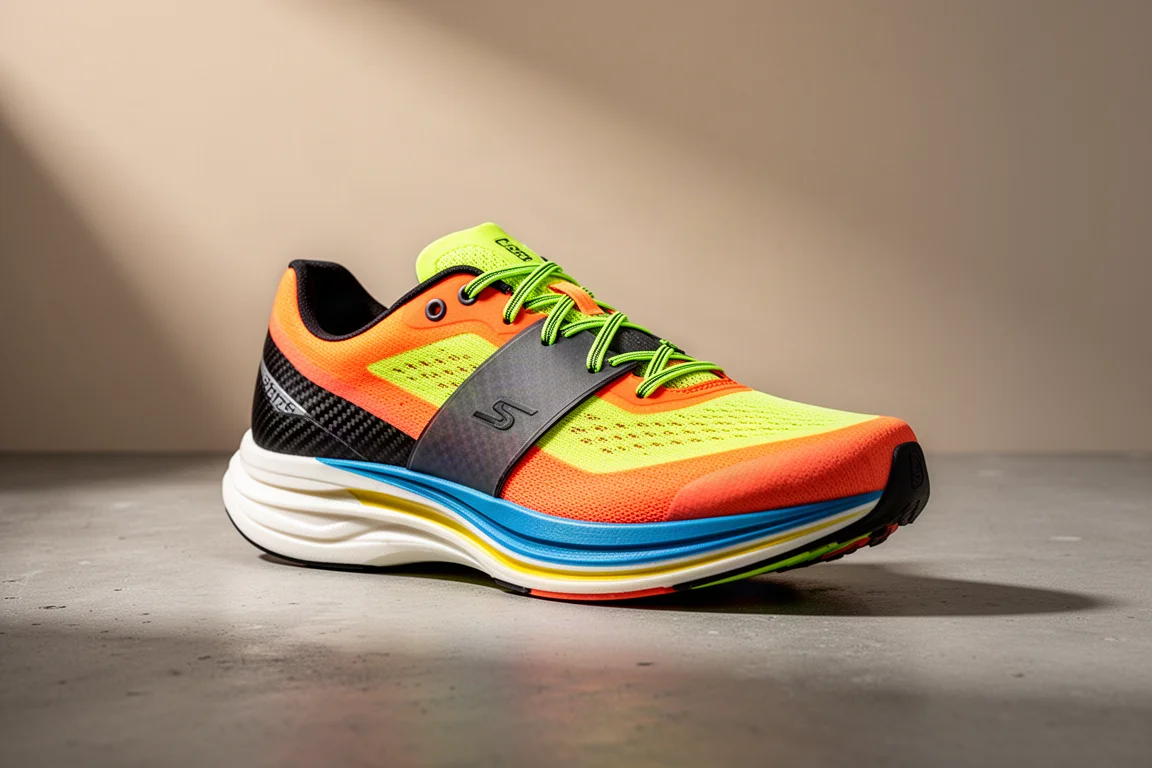
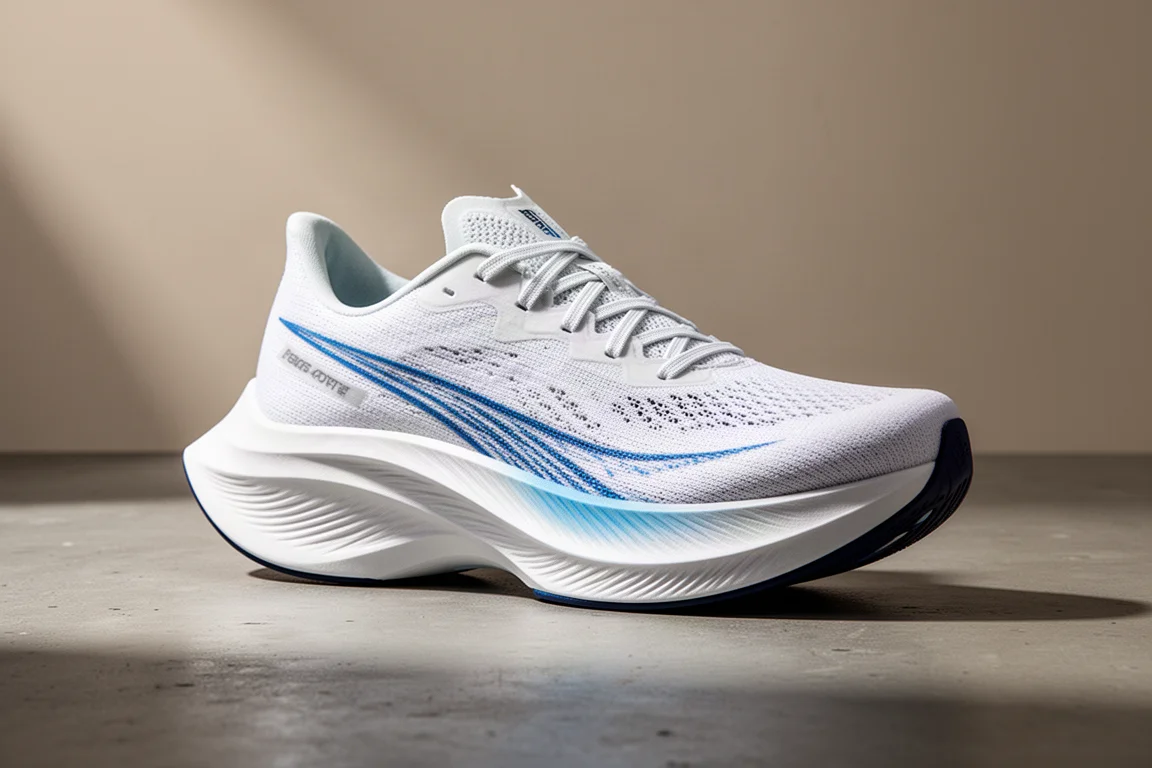
The Metaspeed Edge Tokyo pairs soft FF Leap Turbo foam up front with a firmer Pebax-based heel layer, delivering a fast, stable ride under 200g. Here is how it compares with the Metaspeed Sky Tokyo.
Introduction
The differences between ASICS’ Metaspeed racing shoes have always been nuanced, but the new 2025 versions feel noticeably different on foot. After initial miles in the Metaspeed Edge Tokyo, this one has come out ahead: lighter, slightly more stable, and built to last longer than its sibling, with a midsole that seems to get the best of both worlds from the last two generations of the Metaspeed series.
Weight and Stack: Very Little Shoe, In a Good Way
In a UK 11 (US 12), the Edge Tokyo weighs 183g (6.4 oz), about 11 grams lighter than the Sky Tokyo’s 193g. There is not an awful lot of shoe here, and that is entirely the point.
Stack height matches the Sky Tokyo: 43mm at the heel and 37mm at the forefoot, giving roughly a 6mm drop. At the widest point, the forefoot measures 11.5cm and the heel 7.9cm. The upper is identical to the Sky Tokyo: super light, flexible, and very breathable, holding up well in warmer conditions. The toe box runs slightly generous, but the serrated laces still deliver a great lockdown, and the thin tongue lies flat while keeping lace pressure off the top of the foot.
Midsole: Where the Real Differences Live
This is where the two shoes diverge. The Edge Tokyo uses a dual-foam setup: a top layer of the new FF Leap Turbo, described as an ATPU material and one of the softest foams around, sitting above FF Turbo Plus, a Pebax-based foam concentrated in the heel. FF Turbo Plus comes in around Shore A 30, while FF Leap measures 21.
The plate sits lower in the forefoot, closer to the outsole, than in the heel, and you can genuinely feel the softer FF Leap under the front of the shoe. The overall feel is closer to the previous Metaspeed Sky Paris than to the new Sky. The firmer heel provides stability, and as you roll into the softer forefoot, the toe-off feels springy and amplified. It is a race shoe well under 200g with a dual-foam character, and it works.
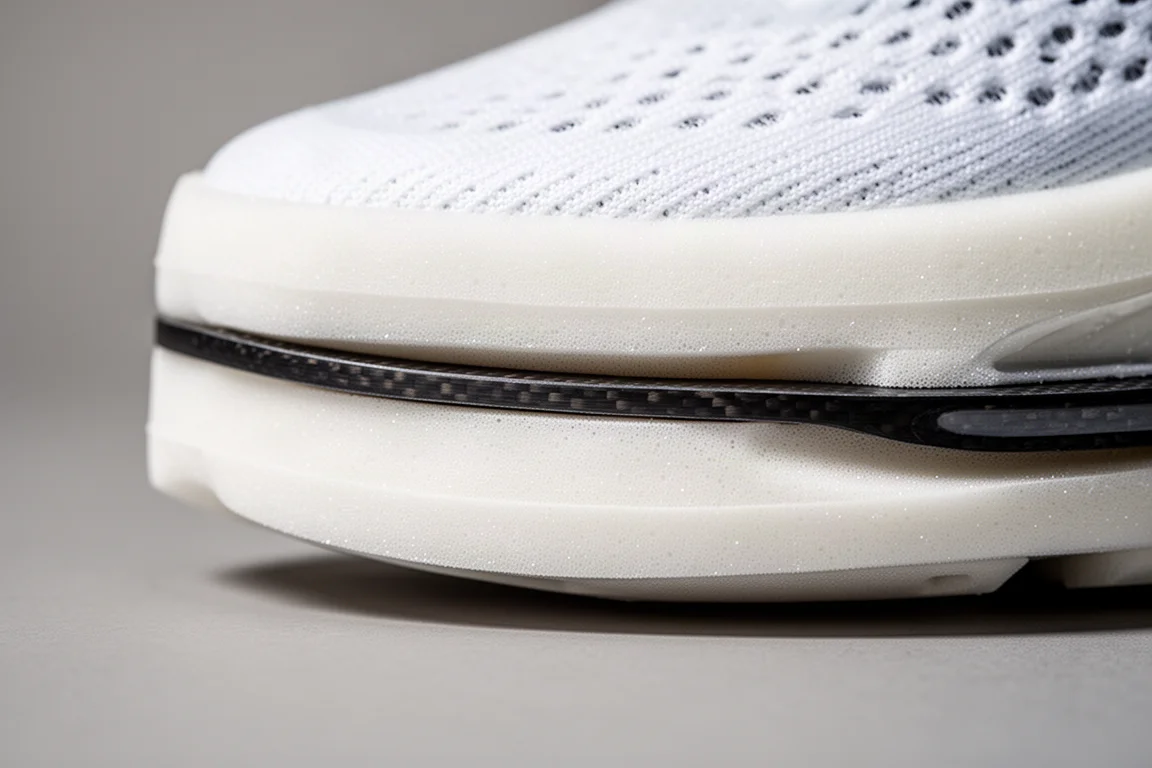
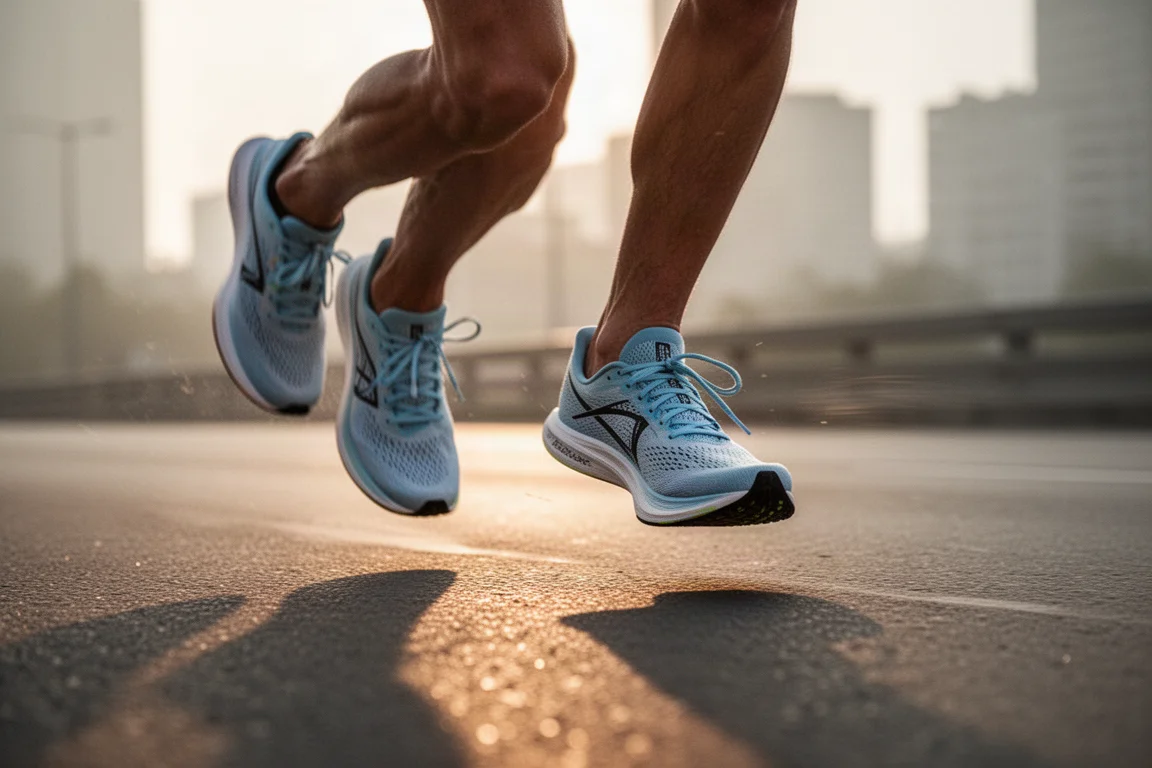
FF Leap concentrated in the forefoot returns to form quickly, which makes the Edge Tokyo feel more responsive than the Sky Tokyo. In half-mile and full-mile reps it was dynamite: the shoe urges you onto the front section of the midsole and rewards you for engaging the whole plate, while the Sky Tokyo feels bouncier and forgiving no matter where you land. At faster paces with a higher cadence, the Edge Tokyo is the sharper tool. It earns a 3/3 for the midsole: more stable, still fun and exciting.
Outsole and Durability
The outsole rubber is black this time and very soft, essentially the same compound as the previous Metaspeed generation. The main change is the cutout location: instead of the lateral forefoot cutout on the Sky Tokyo, the Edge Tokyo places it in the lateral heel. Traction is excellent, and the rubber grips impressively even in hot conditions, feeling almost like having tires on your feet. It does wear down over time into a flatter surface, which is fine for road and pavement.
The durability story favors the Edge Tokyo clearly. Because the durable FF Turbo Plus forms the bottom layer, the outsole and foam look practically unused after the same mileage and routes that already show early wear on the Sky Tokyo’s softer FF Leap. That softer foam is extremely compressive, so it remains to be seen how long the rubber pieces stay attached, but on evidence so far the Edge Tokyo will last considerably longer. Another 3/3 here.

Verdict and Scores
After initial runs, the Edge Tokyo scores 11.8 out of 12: 2.9 for the upper, 3/3 for the midsole, 3/3 for the outsole, and 2.9 for value. That is close to a perfect score, and it earns it. This is the better of the two models this time around: slightly more stable, same weight and build, and an outsole arrangement that should go the distance. It suits shorter distances at faster speeds, though for bounding through a half or full marathon the Sky Tokyo may still be the better bet.
How It Compares With the Metaspeed Sky Tokyo
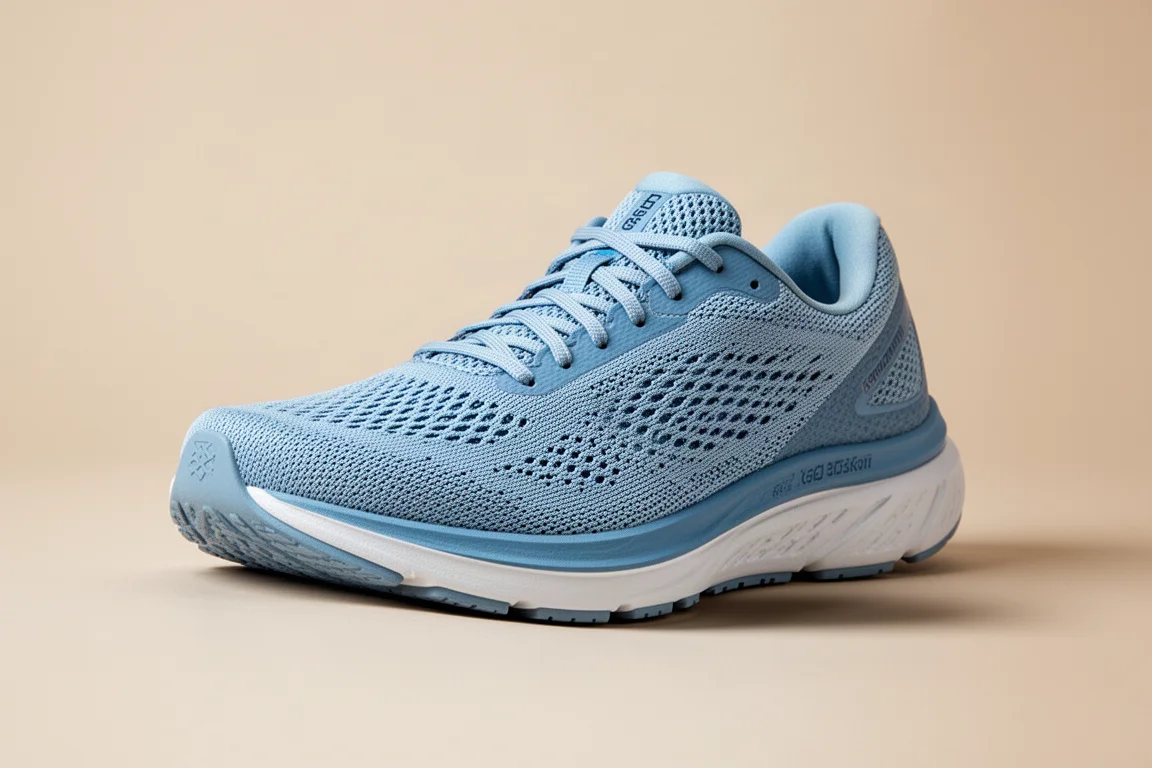
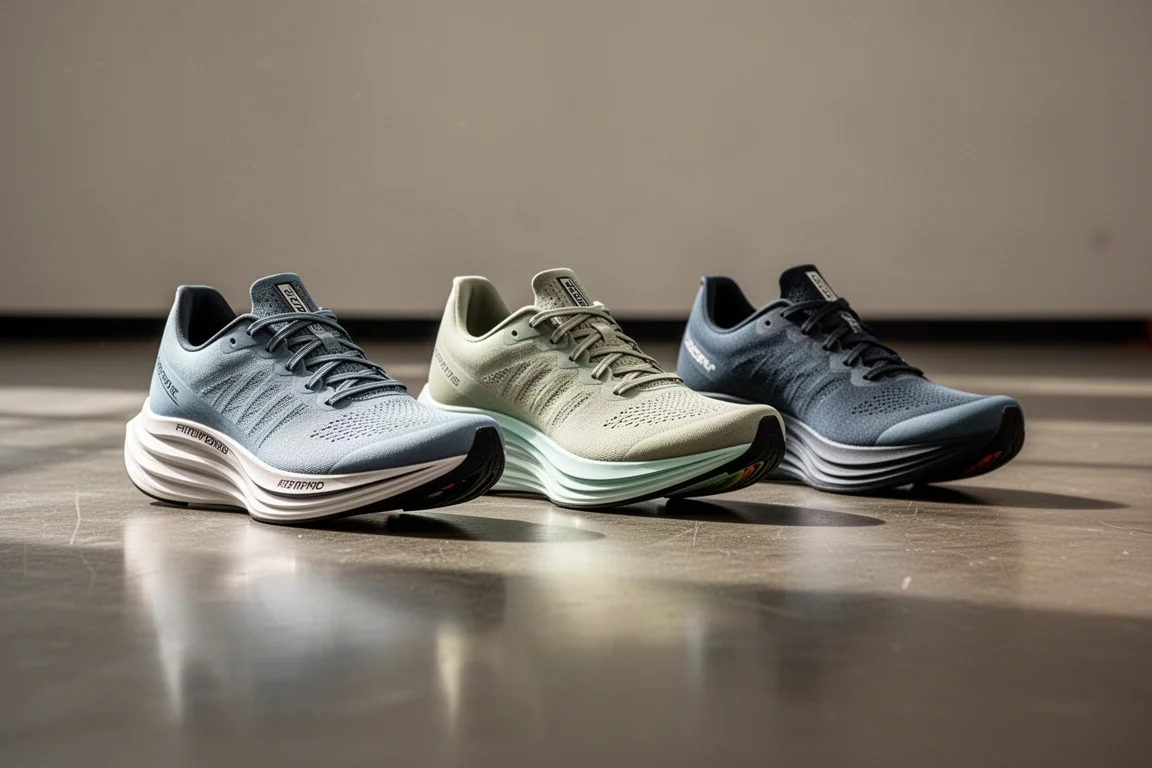
The Sky Tokyo is softer and more forgiving, a shoe you can land anywhere on and still get a bouncy ride. The Edge Tokyo wants engagement: land on the forefoot, keep the cadence up, and it responds with a quicker, snappier feel. The gap between the two models is bigger this time, though which one suits you is still not entirely obvious. If you prefer a softer, more cushioned marathon ride, the Sky Tokyo remains a strong choice.
Buying Advice: Which One Should You Pick?
If you want a versatile all-round racer that is stable, fast, and more durable, the Edge Tokyo is the pick. If pure softness and a plush, bouncy feel over long distances matter more, the Sky Tokyo is still worth a look. Keep an open mind with racing shoes: expectations can be wrong, and the shoe that seems like the secondary option sometimes brings out the best in your running.
Conclusion
The ASICS Metaspeed Edge Tokyo is a remarkably complete racer: 183g in a US 12, 43mm of stack, a dual-foam midsole that balances stability with spring, and an outsole built to outlast its sibling. With an 11.8/12 initial score, it is an easy recommendation for runners who want one fast shoe for everything from 5K reps to race day.
Further reading
Related Reviews

Running Shoes
Best Road-to-Trail Running Shoes: Three Versatile Options for Mixed Terrain
A practical guide to three road-to-trail running shoes that handle both pavement and mild trails, with clear strengths and trade-offs for different runner types.

Running Shoes
Best Running Shoes for Achilles Tendonitis: Three Options Explained
Three running shoes with different heel drops and support features designed to help reduce Achilles tendon pain during walking and running.

Running Shoes
Best Running Shoes for Women: Five Top Choices Ranked
A ranked guide to five women's running shoes, from versatile daily trainers to high-performance racing options, with real strengths and trade-offs for each.