Running Shoes
ASICS Metaspeed Edge Tokyo: A 100-Mile Review of a Racing Shoe That Rewards Patience
After 100 miles, this super-light racing shoe turned from a disappointment into one of the best racing shoes of 2025. Here is how it breaks in, holds up, and who it actually suits.
Introduction
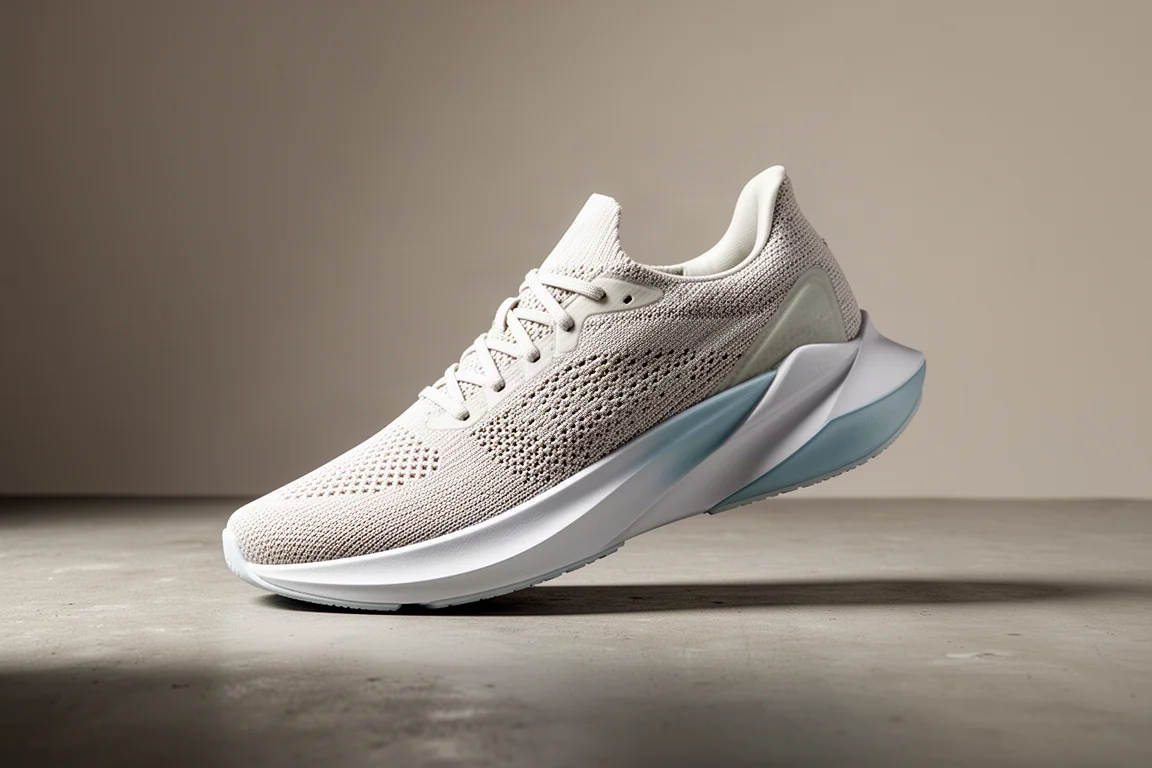
Some racing shoes impress on the first run. The ASICS Metaspeed Edge Tokyo was the opposite. Out of the box, it felt awkward: the midsole seemed firmer than expected, the upper felt loose up front yet harsh against the skin, and the ride did not deliver the rolling, bouncy sensation you expect from a $270 super shoe. Around the 40 to 50 mile mark, everything changed. The foam opened up, the ride became bouncier and more stable, and the shoe turned into one of the standout racing shoes of 2025. This review covers what 100 miles revealed about the fit, the midsole break-in, and the durability, so you can decide whether it deserves a place in your rotation.
Who This Shoe Is For
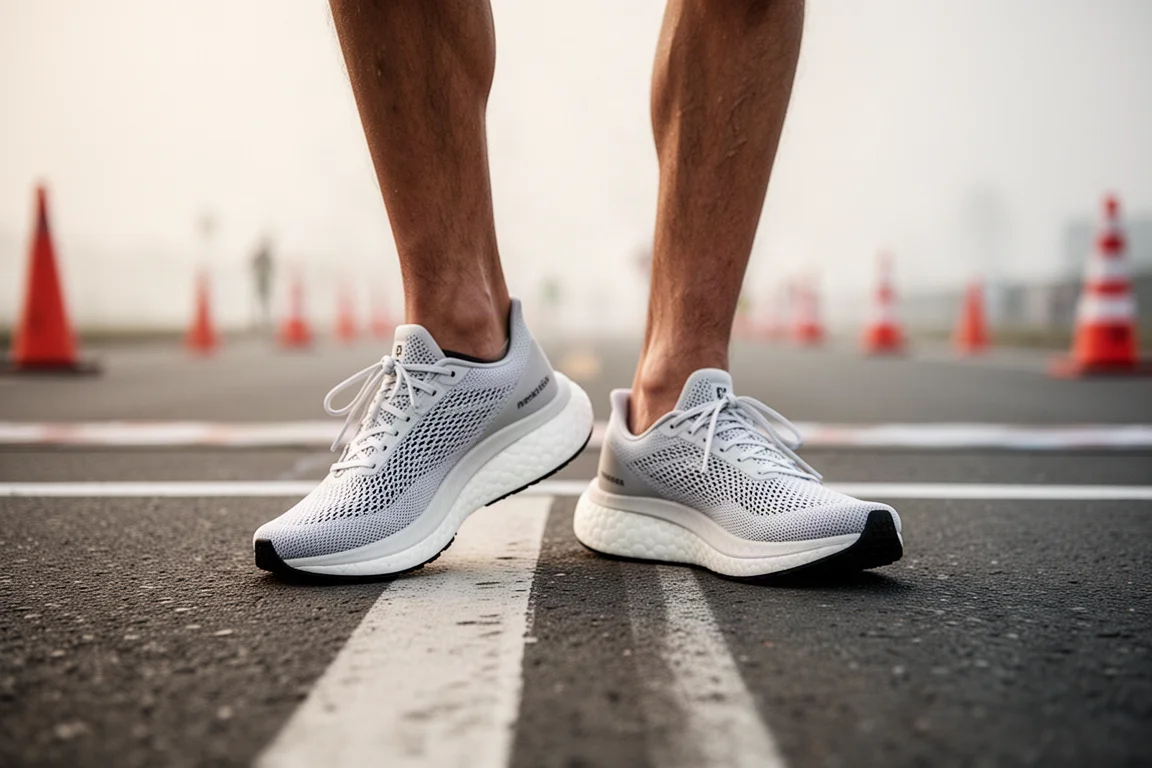
This is a shoe for runners racing from 5K up to the half marathon. It is at its best at tempo workout paces and faster, where the broken-in foam bounces off the forefoot and rolls you forward efficiently. Very light runners who can tolerate minimal shoe may stretch it to the marathon, but for most people the sweet spot is the 5K to half marathon range. If you want a super shoe that you can start in workouts and ease into racing, and you do not need bombproof security from the upper, this fits well.
Main Strengths
The headline number is the weight. In a men’s size 10 it weighs about 6 ounces, or 170 grams, which makes it the lightest in its category. Despite that, the stack height stays tall: 40 mm in the heel, 35 mm in the forefoot, for a 5 mm drop. The midsole combines two foams, with a more structured outer layer that flares in the heel and a bouncier inner top layer that sits inside it. Once that inner foam breaks in, compressing it creates a subtle sidewall effect that makes the heel feel noticeably more stable than it did on day one.
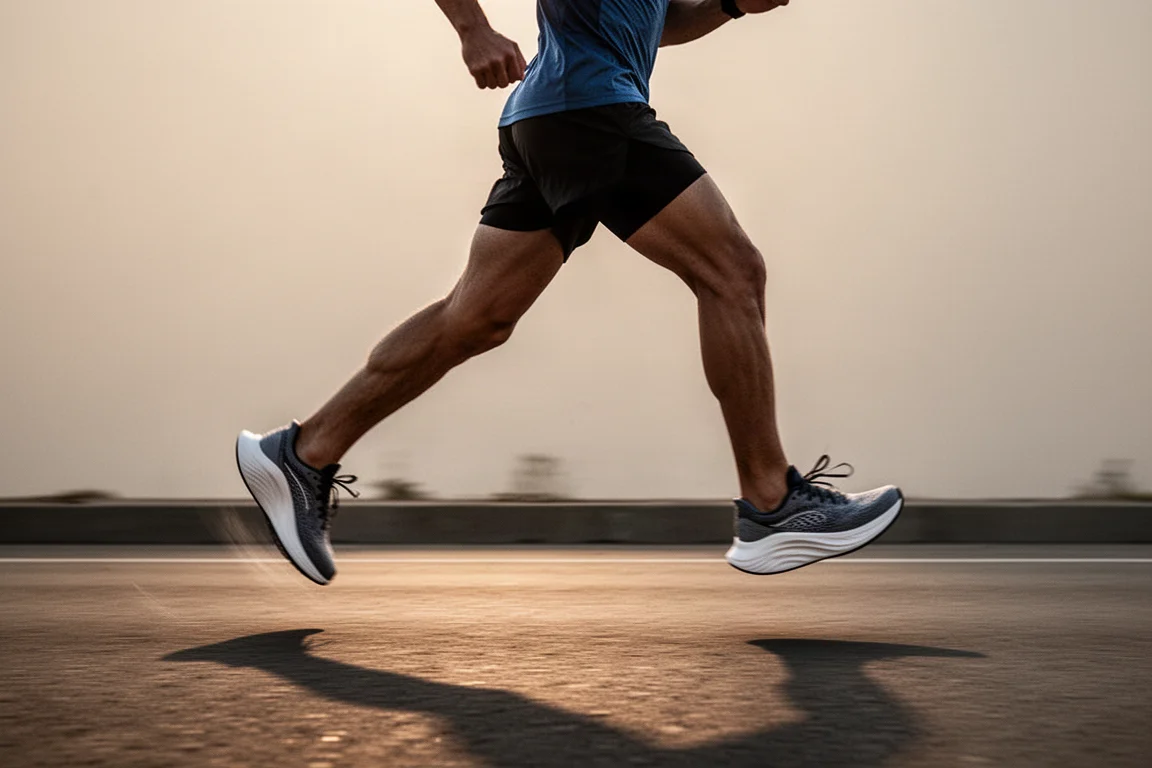
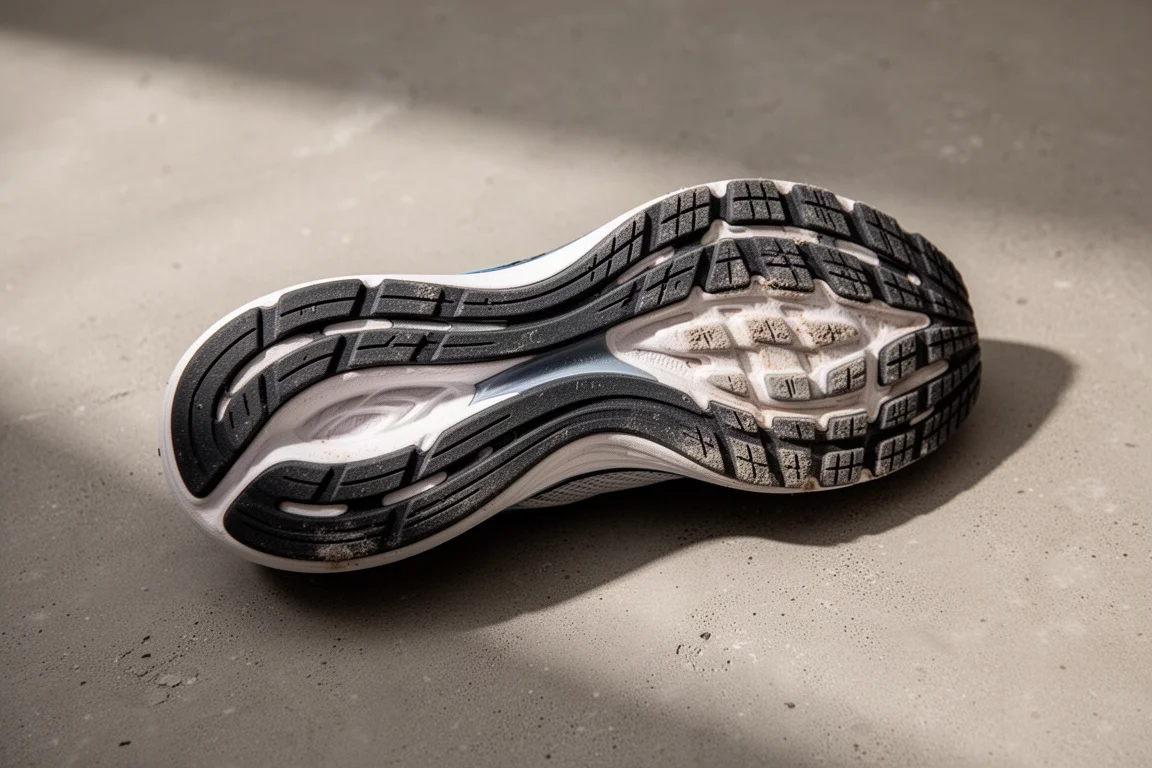
After break-in, the forefoot rocker becomes a genuine asset. Rolling through the heel at tempo pace feels smooth, and the forefoot snaps forward when you pick up the pace. It also handles a wide range of paces better than most super shoes, from long runs to track sessions, although slow running is the least comfortable use for it. The outsole is another quiet win: after 100 miles of aggressive road use, wear is barely visible, which is impressive for a shoe in this category. Notably, despite its relatively low drop, it has been one of the few super shoes that does not aggravate Achilles discomfort, thanks to the smooth rocker and the way the foam compression subtly raises the effective drop.
Things to Consider Before Buying
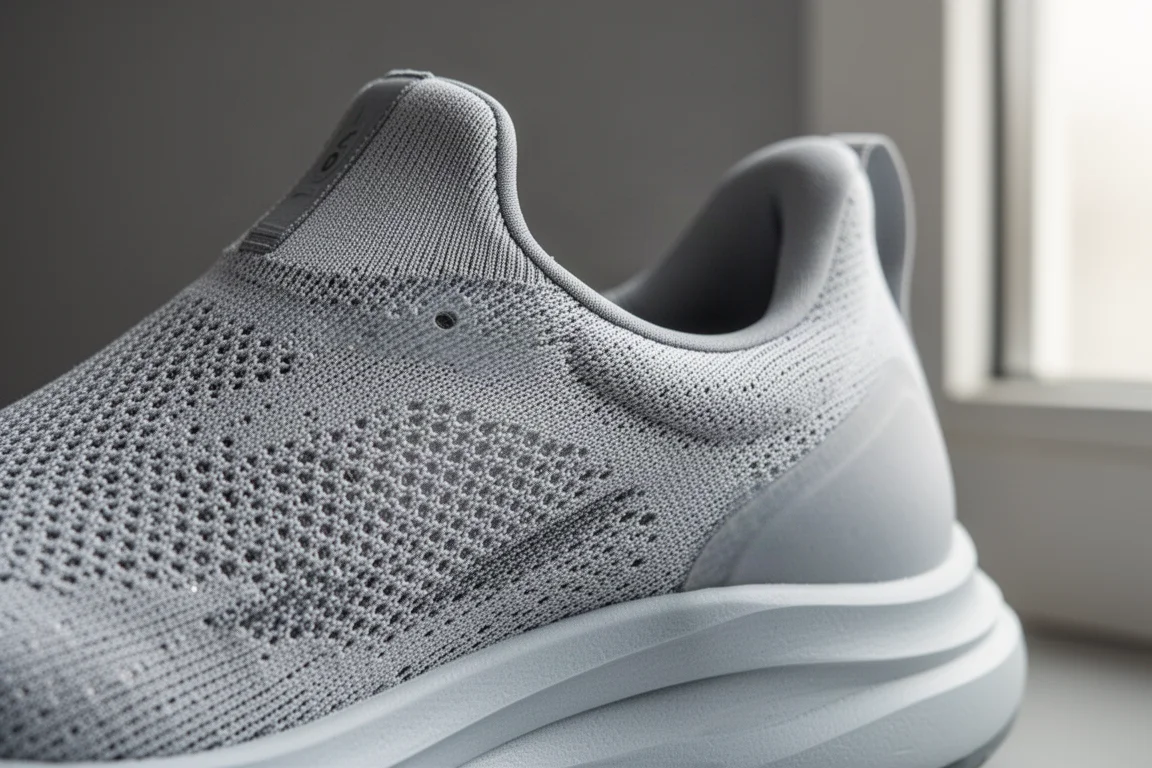
The upper is the compromise. It is high volume in the toe box but snug elsewhere, with plenty of breathability from a thin, flexible mesh. That thinness comes at a cost: security is limited, and the material is harsh against bare skin. Wearing it sockless is a bad idea, and even worn socks with holes caused blisters where skin was exposed. Laces need careful tensioning so they lock the foot without pressing painfully on the top of the foot. The shoe also struggles on unstable surfaces and courses with many tight turns, and it is best kept on smooth road.
There is also the break-in period to plan around. For the first 40 to 50 miles, the foam feels firmer and less bouncy than expected, and the shoe may feel slower than your old pair. If you buy it, do not race in it immediately. Start with workouts, let the foam compress and open up, and then bring it to the start line. And at $270, the price is steep, although the strong outsole and midsole durability mean it is not a shoe that dies after a couple of races.
Buying Advice
If your races are 5K to half marathon and you can live with a less structured upper, this is an easy recommendation. It is lighter than most of its direct rivals, rolls beautifully once broken in, and its durability means it can serve as both a workout and race shoe over a long stretch of the season. Compared with the stiffer Metaspeed Sky Tokyo, the Edge rolls and bounces more naturally, which suits a wider range of mechanics. If you need maximum security, frequent tight corners, or marathon-length support, look elsewhere.
Conclusion
The ASICS Metaspeed Edge Tokyo is a patience play that pays off. The first dozens of miles raise fair questions about the upper and the firm, unremarkable ride, but the foam’s break-in transforms it into a bouncy, efficient, genuinely fast racing shoe with excellent durability. For runners targeting 5K through half marathon who want one shoe for both fast workouts and race day, it earns its place among the top racing shoes of 2025, as long as you bring good socks and a little tolerance for the break-in period.
Product link
View more details for ASICS MetaSpeed Edge Tokyo
This product is mentioned in the review. Check the specifications, options, and compatibility before buying.
View more details for ASICS MetaSpeed Edge TokyoFurther reading
Related Reviews

Running Shoes
Best Road-to-Trail Running Shoes: Three Versatile Options for Mixed Terrain
A practical guide to three road-to-trail running shoes that handle both pavement and mild trails, with clear strengths and trade-offs for different runner types.

Running Shoes
Best Running Shoes for Achilles Tendonitis: Three Options Explained
Three running shoes with different heel drops and support features designed to help reduce Achilles tendon pain during walking and running.

Running Shoes
Best Running Shoes for Women: Five Top Choices Ranked
A ranked guide to five women's running shoes, from versatile daily trainers to high-performance racing options, with real strengths and trade-offs for each.