Running Shoes
ASICS Metaspeed Edge Tokyo vs Metaspeed Sky Tokyo: First Impressions of Two Very Light Race Day Shoes
Two nearly identical looking supershoes with different plate positions, featherweight builds, and strong grip. Here is how the Edge Tokyo and Sky Tokyo differ and who each one suits.
Introduction
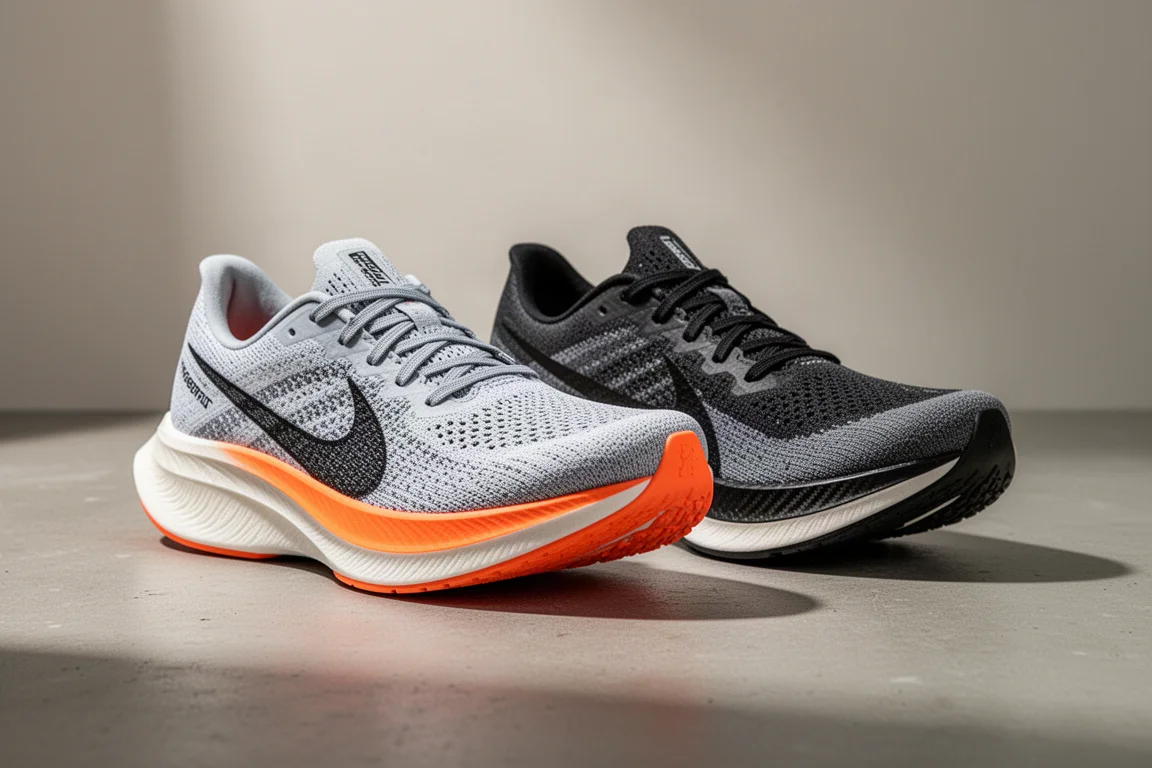
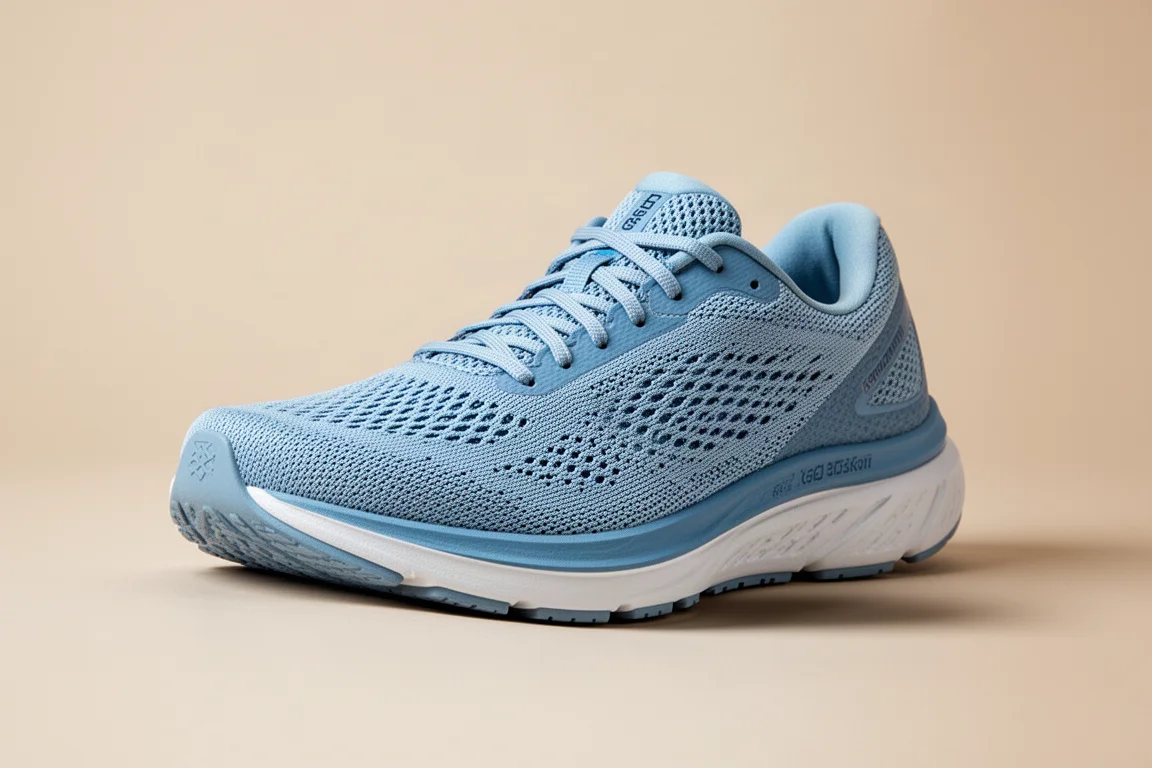
ASICS refreshes the Metaspeed line with a Tokyo edition of both the Edge and the Sky, and the two shoes present a familiar puzzle: they look nearly identical at a glance, they weigh almost the same, and yet they are aimed at runners who speed up in different ways. One is built around increasing cadence, the other around lengthening stride, and the difference lives in how deep the carbon plate sits inside the midsole.
If you have ever been confused by ASICS offering two versions of the same racing shoe, this breakdown should help. The short version: pick the one that feels best under your foot, because that matters more than the marketing split.
The Plate Position Difference
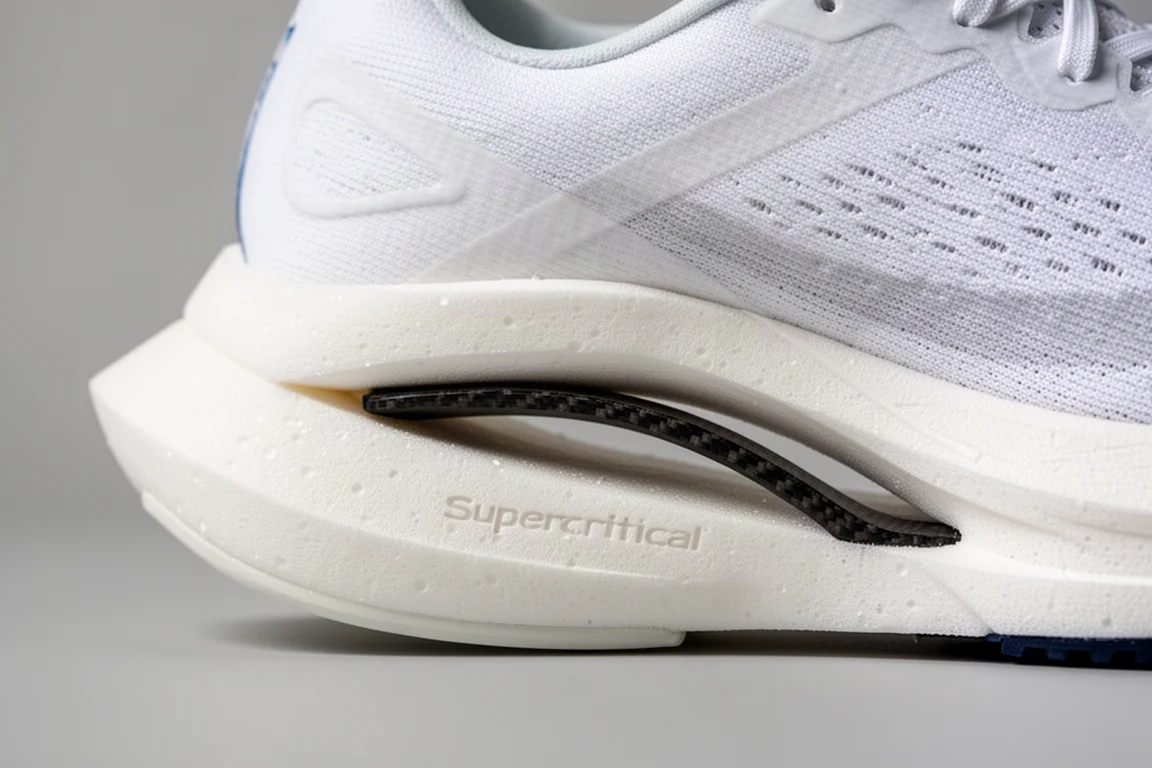
The core distinction between the Edge Tokyo and Sky Tokyo is the plate geometry. On the Edge, the plate sits closer to the top of the midsole, near the foot. The theory behind that placement is efficiency: the closer the plate is to the foot, the more directly the foot can use it for propulsion, producing a firmer, more mechanical feel with a quick rolling sensation off the toe.
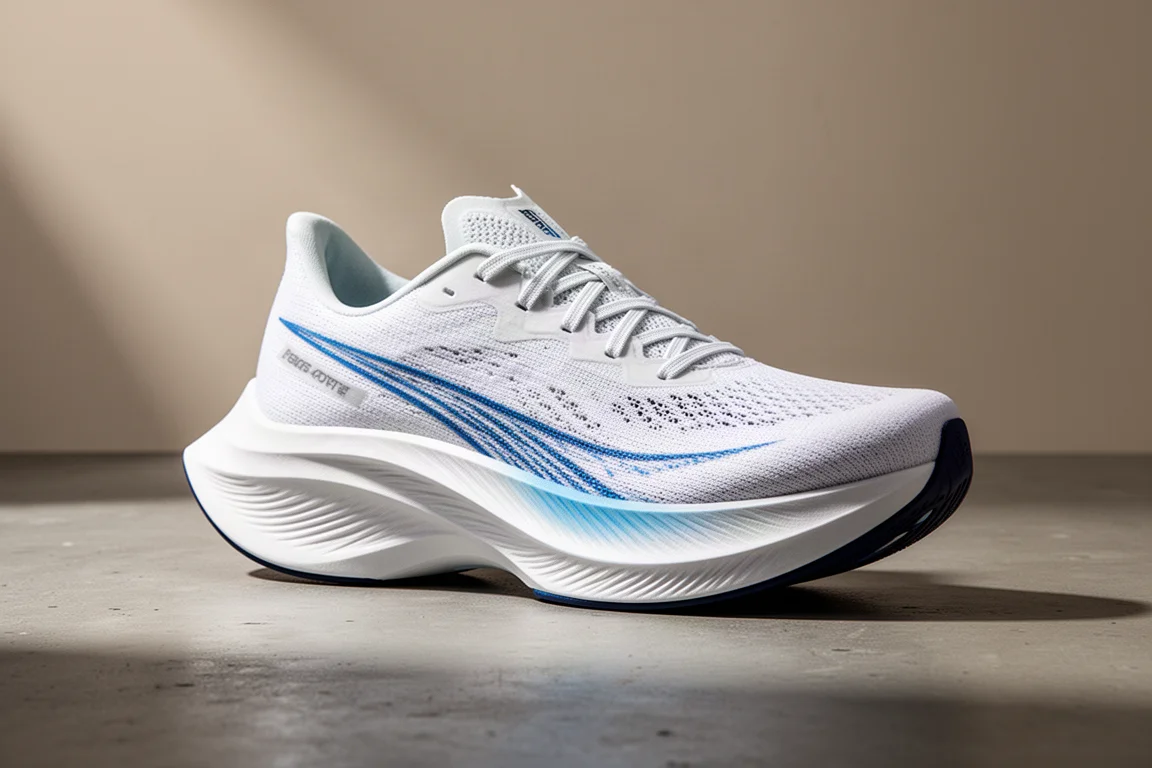
On the Sky, the plate dips deeper into the foam. That produces a softer feeling under the forefoot, with the plate activating later in the stride. Some runners prefer that extra cushioning underneath, and it can feel more forgiving at easier paces.
One of the testers in this comparison is a lower-cadence runner, around 170 steps per minute, who has consistently preferred the Edge over the last two versions because of that plate-close-to-the-foot feel. The other tester preferred the Sky in previous versions but flipped to liking the Edge this time around. That flip is a good reminder: the cadence-versus-stride framework is a guideline, not a rule, and real-world preference varies.
Weight and Ride Feel
Weight is where both Tokyo models make their strongest case. In a men’s US 10.5, the Edge comes in around 6.2 oz and the Sky around 6.3 oz, and ASICS claims a 15% weight reduction over the previous version. On the foot, both feel extremely light, in the territory of the lightest race day shoes available, right around the weight class of the Nike Vaporfly.
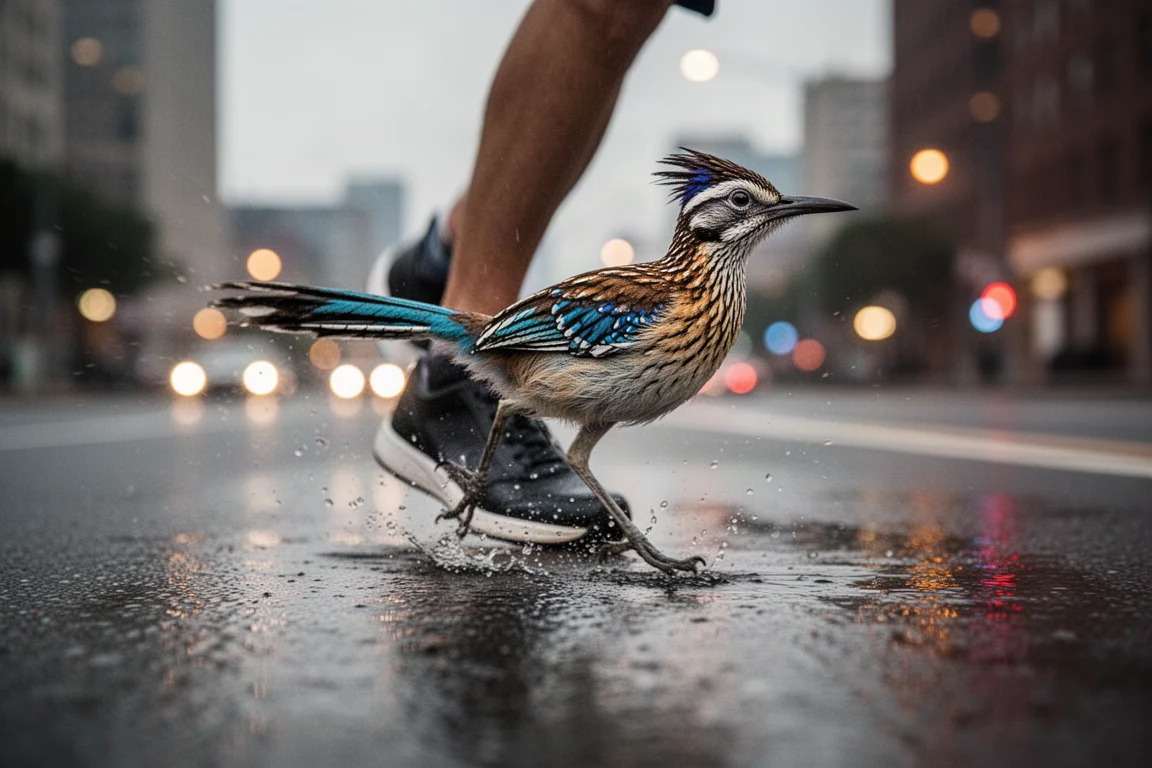
The Sky was taken through a workout of four hard 800m repeats, faster than 5K pace on a warm evening, and it handled everything asked of it. The standout impression was how little shoe there was on the foot and how quickly it picked up once the pace lifted. The Edge was used for a 10-mile run and its own set of 800m repeats, and felt slightly more substantial and a bit blocky and soft at slower paces.
One honest caveat: neither shoe delivered a dramatic mechanical pop off the toe at slower speeds. The Edge especially did not feel great at easy paces and could feel a little unstable there. Both shoes reward commitment. Once you pick the pace up, they keep going, and that responsiveness at speed is the real payoff.
Traction and Upper
Traction is a genuine strength here. The ASICS Grip rubber outsole proved excellent in a 10-mile run in the rain across wood decking, brick, and pavement. ASICS Grip sits just behind Puma Grip in the informal rankings of outsole traction, which is high praise. The Sky even includes a small cutout in the outsole rubber, likely in service of hitting that aggressive weight target.
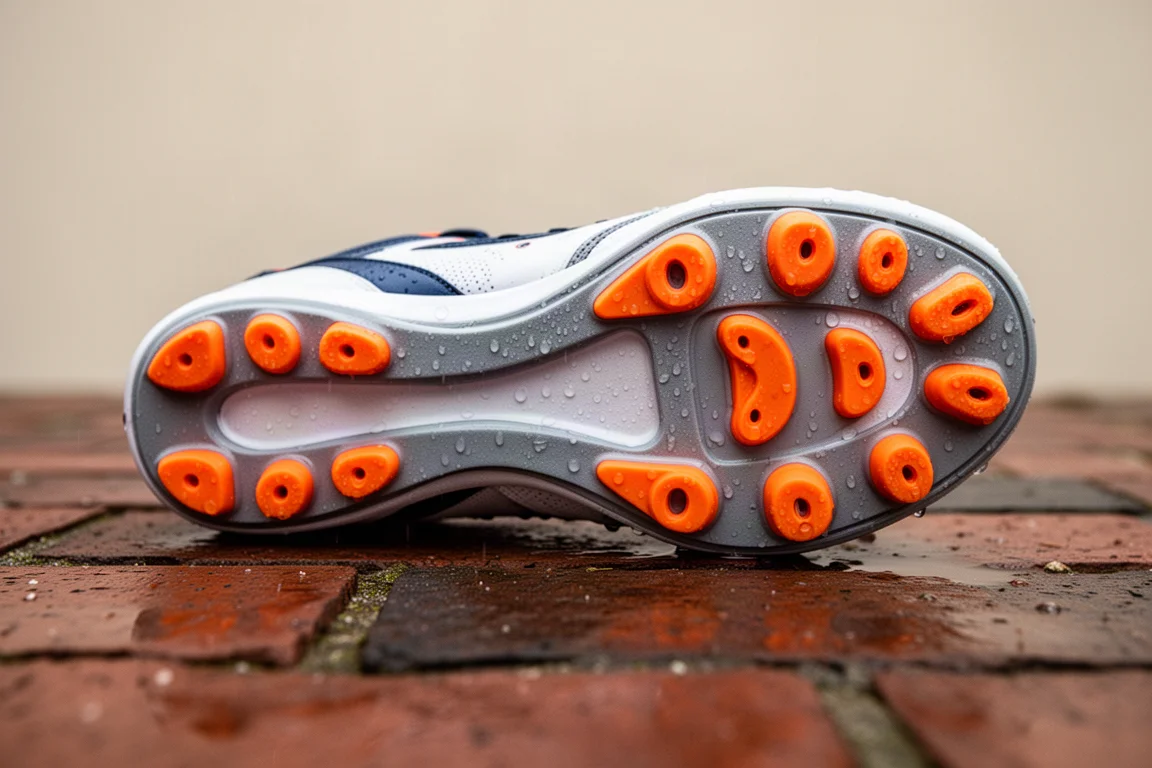
The upper is super lightweight and breathable, and fits well despite a simple design. A little heel lift showed up in testing, but a runner’s loop lacing pattern locked the heel down and solved it, at the cost of fairly short laces.
Which One Should You Pick?
If you run with a higher cadence and want a firmer, more responsive plate feel close to the foot, the Edge Tokyo is the more natural fit. It rewards quick turnover and gives a rolling sensation off the toe at speed. If you lean toward a longer stride and want a bit more cushioning under the forefoot, the Sky Tokyo delivers that softer plate activation while staying essentially the same weight.
Price is $270, with a release date of July 25. These are first impressions, and longer-term testing could shift the picture. For context, a previous version of the Metaspeed Edge produced a 5K personal record for one of the testers, so the line has pedigree at race pace.

The most practical advice from running both: forget the version naming and cadence theory for a moment, try both if you can, and let foot feel decide. The weight, the grip, and the upper are excellent on both; the plate position is the personal preference dial.
Conclusion
The ASICS Metaspeed Edge Tokyo and Sky Tokyo are two of the lightest race day options around, with excellent wet-weather traction and a breathable upper, and the choice between them comes down almost entirely to plate feel. Cadence-focused runners who like a firmer, closer-to-the-foot plate should look at the Edge. Stride-focused runners who want softer forefoot cushioning should look at the Sky. Either way, both earn their place as serious race day candidates at $270.
Further reading
Related Reviews

Running Shoes
Best Road-to-Trail Running Shoes: Three Versatile Options for Mixed Terrain
A practical guide to three road-to-trail running shoes that handle both pavement and mild trails, with clear strengths and trade-offs for different runner types.

Running Shoes
Best Running Shoes for Achilles Tendonitis: Three Options Explained
Three running shoes with different heel drops and support features designed to help reduce Achilles tendon pain during walking and running.

Running Shoes
Best Running Shoes for Women: Five Top Choices Ranked
A ranked guide to five women's running shoes, from versatile daily trainers to high-performance racing options, with real strengths and trade-offs for each.