Running Shoes
ASICS Metaspeed Edge Plus vs Metaspeed Sky Plus: Which Super Shoe Fits Your Stride?
Two carbon-plated ASICS racing shoes with the same 39 mm heel stack but very different personalities. Here is how to choose between them.
Introduction
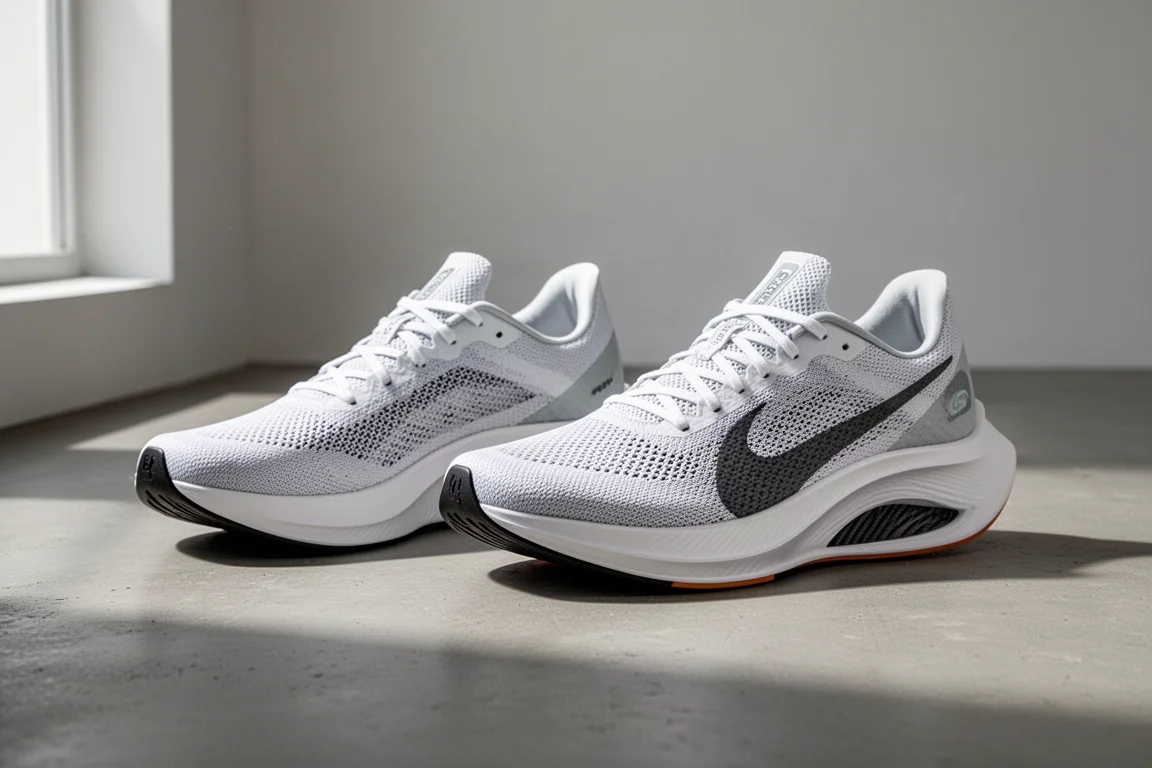
ASICS took two very different paths with its newest Metaspeed racing lineup. The Metaspeed Sky Plus is an evolution of the previous version, keeping its bouncy, aggressive personality, while the Metaspeed Edge Plus is a genuine redesign, jumping from a more moderate stack into a full high-stack carbon super shoe that now sits alongside the Sky as a serious racing option. Choosing between them is less about which is better and more about which geometry matches your stride, your calf mobility, and the kind of ride you enjoy.
Two Shoes, Two Geometries
Both shoes share a 39 mm heel stack, but the forefoot tells a different story. The Edge Plus measures 31 mm at the forefoot for an 8 mm drop, while the Sky Plus sits at 34 mm for a 5 mm drop. That 3 mm difference is one of the most important decision factors here, especially for runners with limited calf or Achilles length.
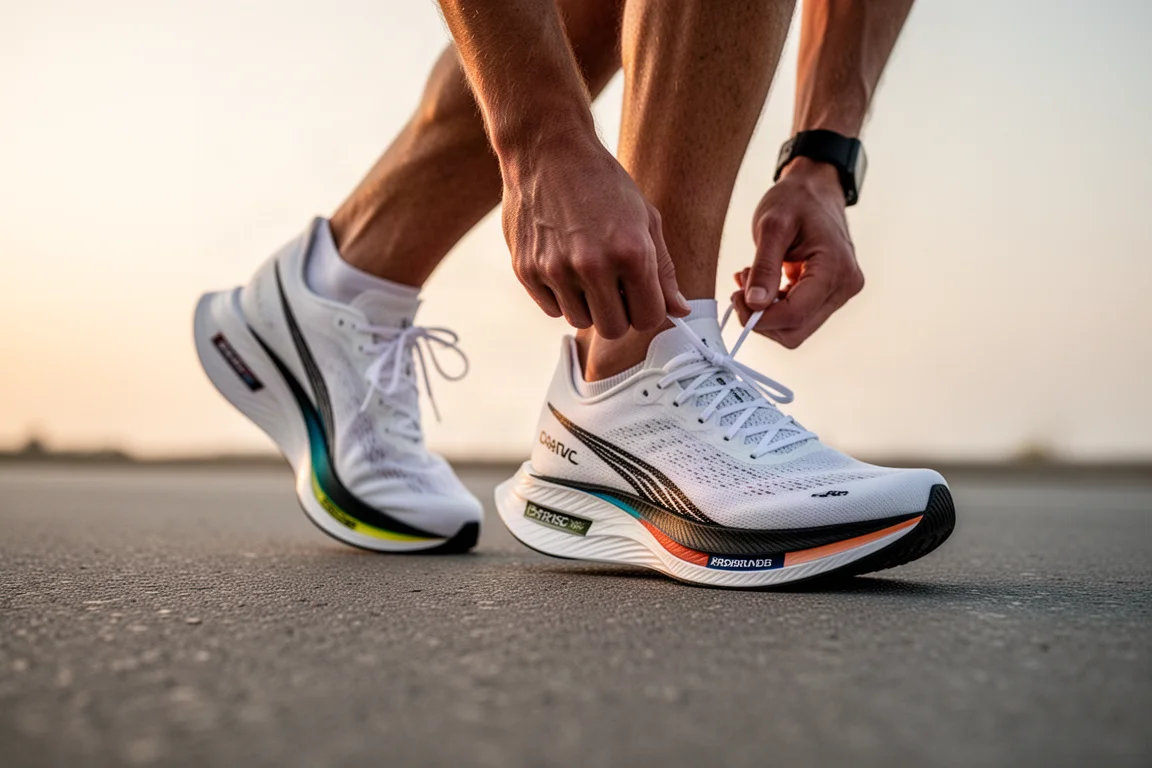
The Edge’s higher drop and smoother forefoot rocker make it noticeably easier on the calves, and it felt comfortable straight away. The Sky, with its lower drop and softer foam, compresses underfoot to the point of feeling almost zero-drop, which will delight low-drop fans but demands more calf and Achilles range. The Sky also uses a more aggressive forefoot rocker and a much bouncier ride, so it needs a short break-in, though it breaks in far faster than the previous version.
Ride Character: Roll Versus Bounce
ASICS frames the split as cadence versus stride: the Edge Plus is aimed at runners who speed up by increasing turnover, while the Sky Plus suits runners who extend their stride. In practice, the Edge feels firmer and more grounded with a smooth rolling ride, while the Sky is immediately bouncy and lively, closer in character to a Vaporfly or Alphafly.
The Edge was the more comfortable of the two for warming up, cooling down, and long runs, and it held up at easy pace, tempo, and flat-out efforts alike. The Sky shines once you are really moving fast, where that bounce becomes an asset rather than a distraction.
Plate Geometry and Sidewalls
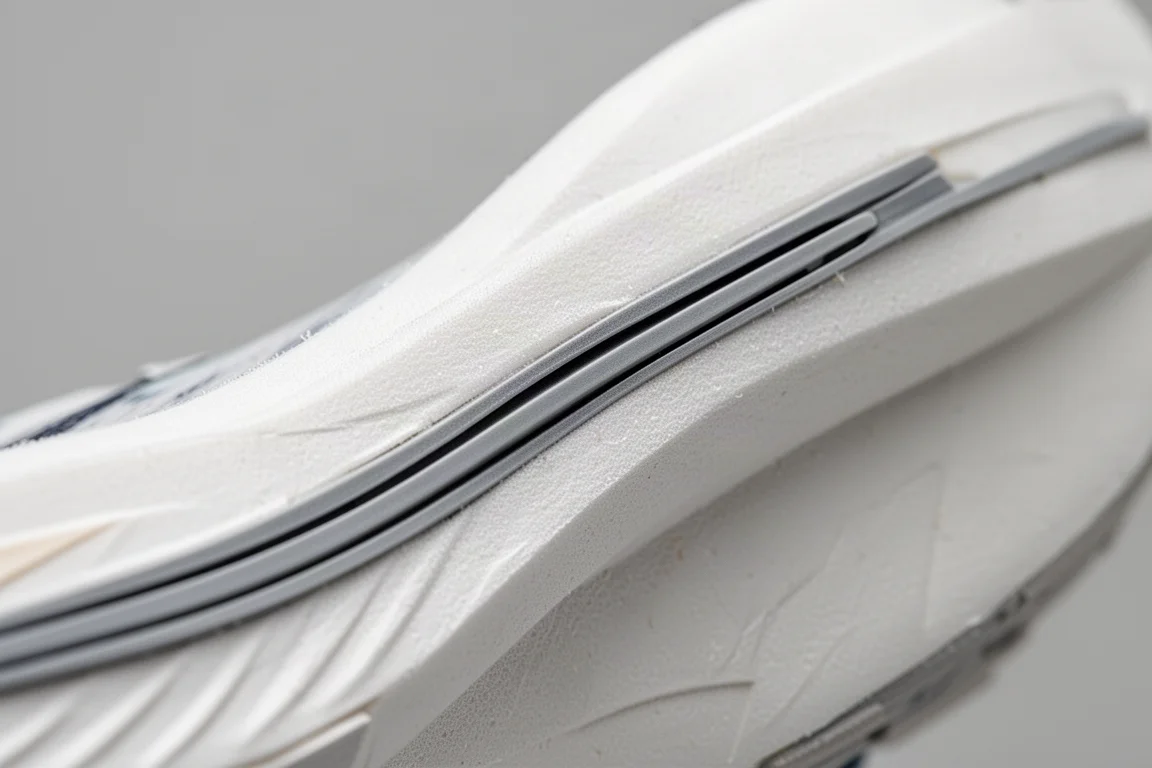
The plate in the Edge is much more curved and sits closer to the foot, while the Sky’s plate is flatter. Exactly how that affects mechanics depends on where your own foot bends, so treat it as a preference point rather than a rule. Neither shoe is a stability shoe, and both have narrow midfoot areas, but there are subtle differences: the Sky adds an extra lateral sidewall for runners who roll outward, while the Edge puts more sidewall through the midfoot into the forefoot, which helps it roll forward cleanly and gives it a slight edge in inherent stability.
Fit and Feel
Fit is nearly identical between the two, so it should not drive your decision. Both run true to size, which is a welcome fix from the original versions that fit short. The new upper material feels lighter and softer, though slightly more snug, so runners who like a roomy racing fit may want to keep that in mind.

On a long uphill run of more than 2,000 ft of continuous climbing plus a tempo effort, the Edge Plus felt smooth and comfortable the entire way. That long-run comfort matters when a shoe is on your feet for well over an hour at race effort, and it is a big part of why the Edge Plus stands out as a marathon and half marathon option. The Sky, meanwhile, offers noticeably more forefoot cushioning for forefoot strikers, but its softness under the heel can feel less natural for heel-heavy mechanics.
Which Runner Should Choose Which?
Masters runners and anyone with tighter calves or Achilles history may prefer the Edge Plus: its higher drop, smoother roll, and gentler rocker unload the posterior chain, letting the hips do more of the work. Younger or stronger-pushoff runners who like a bouncy, familiar super-shoe feel similar to a Vaporfly or Alphafly will gravitate to the Sky Plus, particularly at 5K to half marathon distances, though plenty will happily race a marathon in it.
The core questions to ask yourself are simple. Do you want a higher or lower drop? More heel cushioning or more forefoot cushioning? A rolling, grounded ride or a bouncy, aggressive one? With the same fit and heel stack in both, your answers point directly at the right shoe.
Conclusion
Both shoes are strong entries, and ASICS deserves credit for building two genuinely different tools rather than one universal answer. The Edge Plus wins out for runners who want a grounded, rolling, long-run-friendly super shoe, while the Sky Plus is the bouncier, more aggressive pick for fast efforts and lower-drop preferences. Neither is wrong; bodies change and shoes change, and having a couple of good choices is exactly the point.
Product link
View more details for Asics Metaspeed Edge Plus
This product is mentioned in the review. Check the specifications, options, and compatibility before buying.
View more details for Asics Metaspeed Edge PlusFurther reading
Related Reviews

Running Shoes
Best Road-to-Trail Running Shoes: Three Versatile Options for Mixed Terrain
A practical guide to three road-to-trail running shoes that handle both pavement and mild trails, with clear strengths and trade-offs for different runner types.

Running Shoes
Best Running Shoes for Achilles Tendonitis: Three Options Explained
Three running shoes with different heel drops and support features designed to help reduce Achilles tendon pain during walking and running.

Running Shoes
Best Running Shoes for Women: Five Top Choices Ranked
A ranked guide to five women's running shoes, from versatile daily trainers to high-performance racing options, with real strengths and trade-offs for each.