Running Shoes
ASICS MetaSpeed Edge Plus vs Magic Speed 3: Which Racing Shoe Fits You?
Two carbon-plated ASICS racers with very different personalities. We compare weight, stack height, foam, fit, and which distances each one actually suits.
Introduction
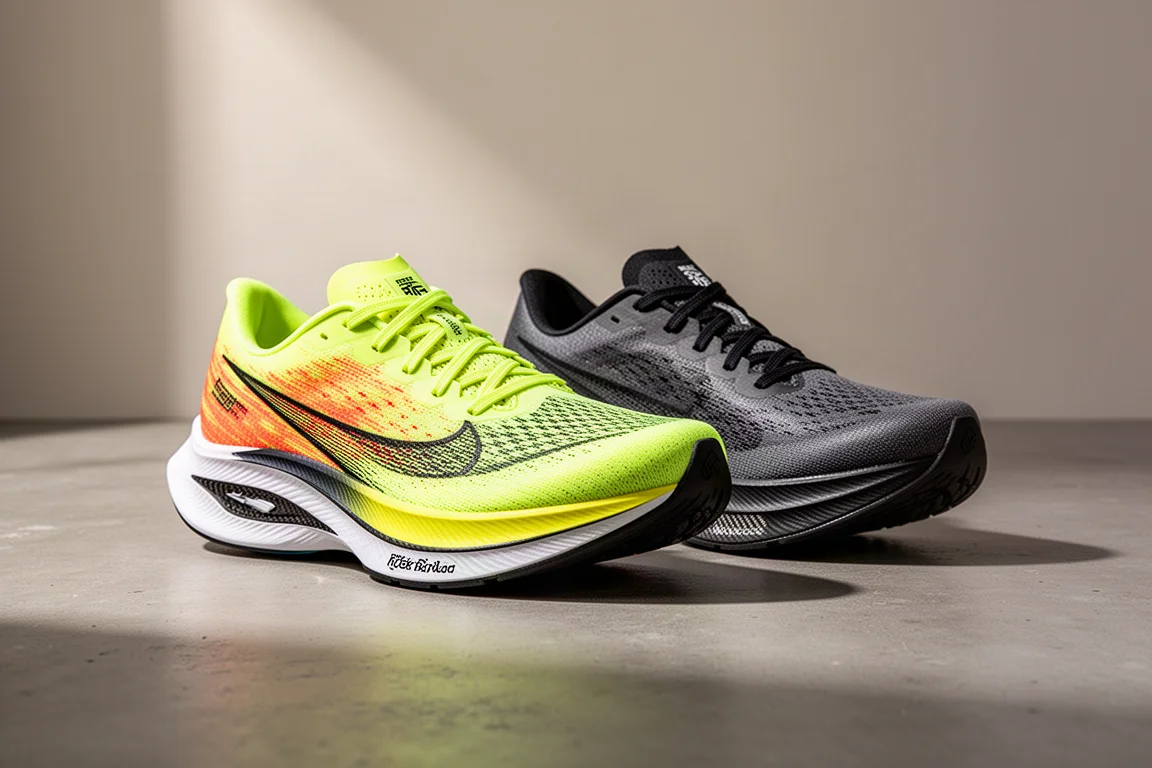
Prior versions of the Magic Speed were easy to overlook unless you caught them on deep discount, but the third version has improved enough that it now shares real DNA with the MetaSpeed Edge Plus. That makes the choice between them genuinely interesting, especially given the price gap: the Edge Plus sits at $250 while the Magic Speed 3 comes in at $160. If you like ASICS shoes and are trying to decide between these two, the differences mostly come down to ride character, fit, and how far you plan to race.
Specs: Weight, Stack Height, and Plate
The MetaSpeed Edge Plus weighs 7.4 oz for men’s size 9 and women’s size 10.5, using unisex sizing. The Magic Speed 3 comes in at 7.8 oz for men’s size 9 and 6.6 oz for women’s size 8. In practice, on a size 10 men’s foot, the Edge Plus measured 7.5 oz and the Magic Speed 3 measured 7.6 oz, so both may run lighter than the listed specs suggest.
Stack height is 39 mm in the heel and 31 mm in the forefoot on the Edge Plus for an 8 mm drop, while the Magic Speed 3 measures 36 mm heel and 29 mm forefoot for a 7 mm drop. Very similar drops, somewhat similar stack heights, but the foams are different: FF Turbo in the Edge Plus versus a two-layer FF Blast Plus setup in the Magic Speed 3. Both shoes carry a full-length carbon fiber plate, though the Magic Speed’s plate is much more prevalent underfoot while the Edge Plus feels better integrated.
Ride and Versatility
The Edge Plus is the more versatile shoe of the pair. It has been used for everything from a mile race up to the half marathon, and some runners will do well in the full marathon in it, though others may prefer a different shoe for that distance. The FF Turbo foam is responsive underfoot, the plate is well integrated, and it handles a large variety of paces with a smooth, comfortable ride.
The Magic Speed 3 feels more like a short-distance racer. The plate is super aggressive, easy runs do not feel comfortable in it, but once you get to tempo and faster efforts it comes alive. It has proven surprisingly fast to run in, likely because of how stiff the platform is. The FF Blast Plus feels a bit softer on its own but turns much stiffer combined with the carbon plate.

If you want a cheaper 5K shoe, the Magic Speed 3 may be the better pick. If you want more versatility across a bunch of races, the Edge Plus has the edge. Stability is quite similar between the two; neither is a stability shoe, though the Edge Plus feels just slightly more stable, and the softer top layer of the Magic Speed makes the midfoot feel a touch less secure even with its sidewalls. The forefoot on the Magic Speed is very stable.
Fit and Upper
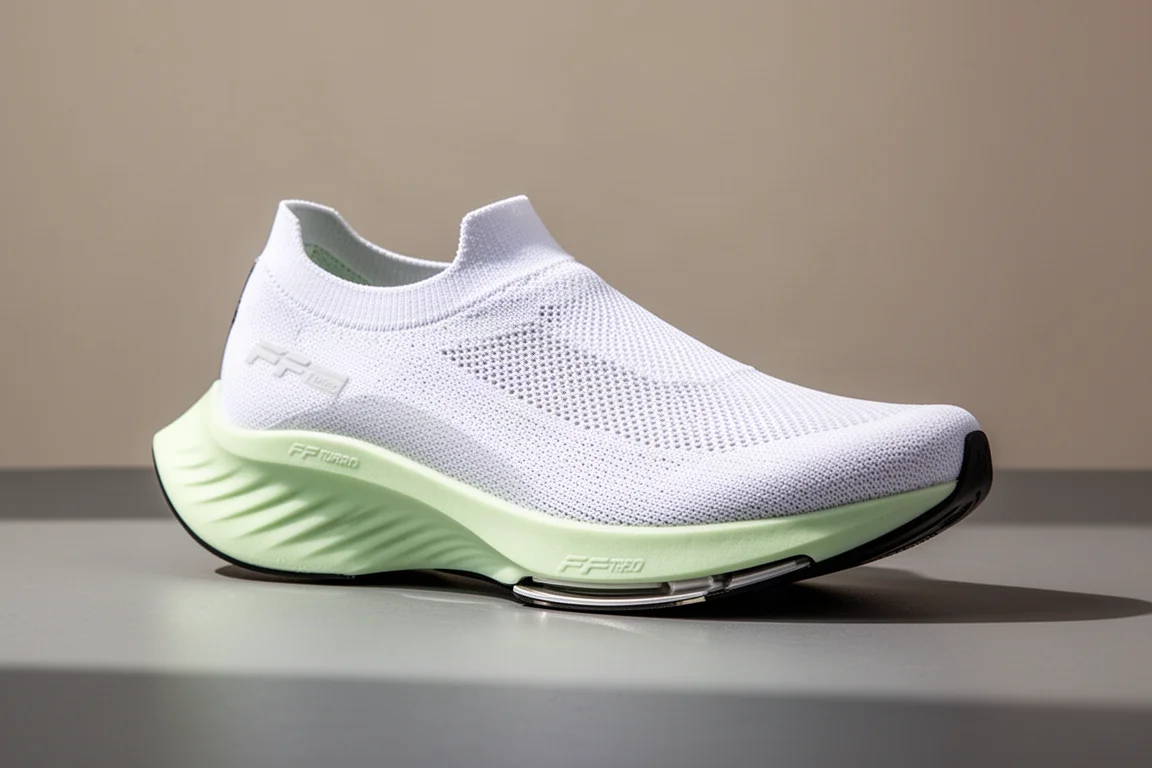
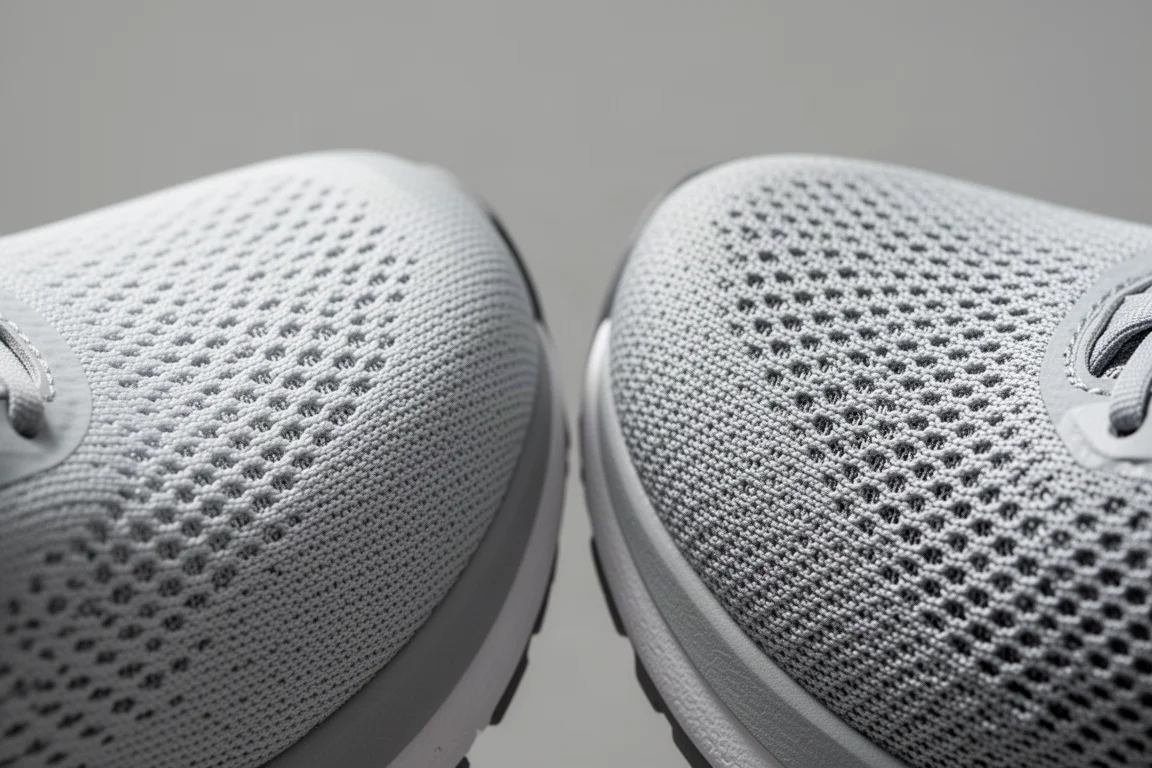
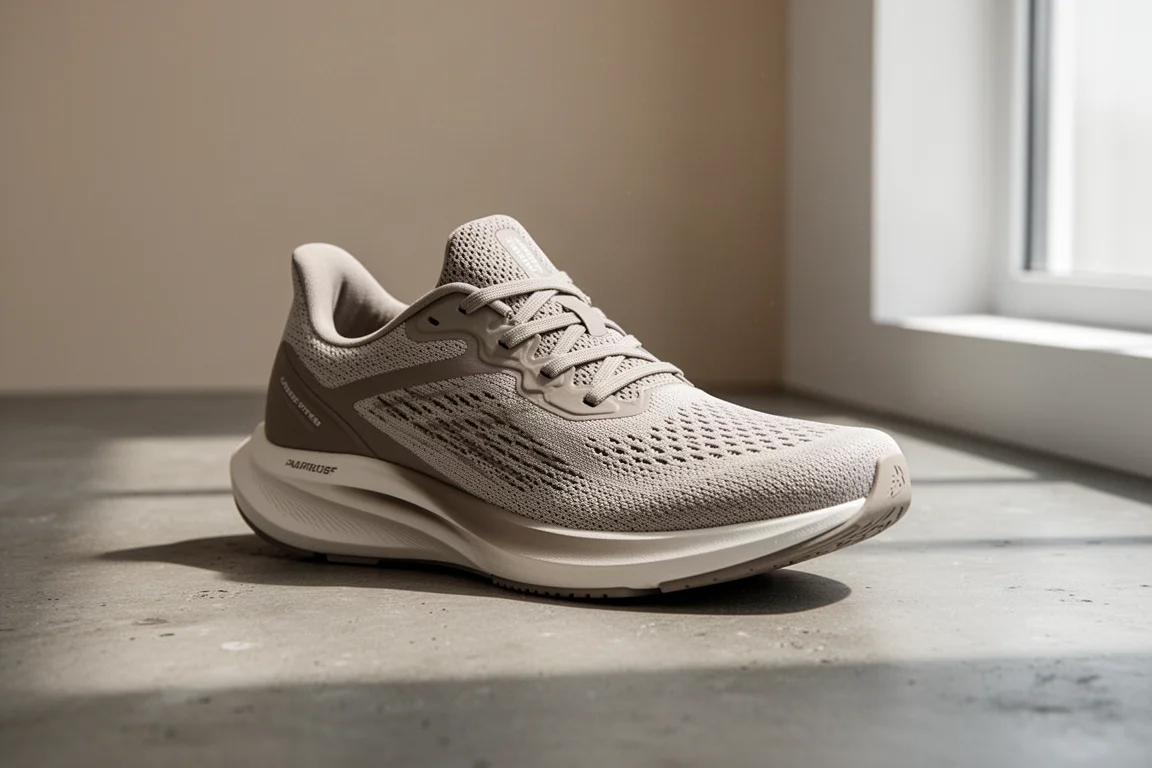
They may look similar in fit, but the different mesh uppers change things. The Edge Plus uses a nice mesh upper that fits true to size and feels snug without being intrusive. It adapts to the foot well and basically disappears once you start running. The tongue is free-floating and thin.
The Magic Speed 3’s stiffer mesh feels much closer to the foot. The heel counter, though flexible, is narrow and sits very close, and the toe box feels somewhat crunched. Oddly, that closeness works well when running really fast. Runners with narrow feet or anyone who wants a locked-in, close fit may do really well in the Magic Speed 3, and its gusseted tongue locks the foot in nicely. If you want things snug but out of the way, the Edge Plus is probably the better call.
Durability and Value
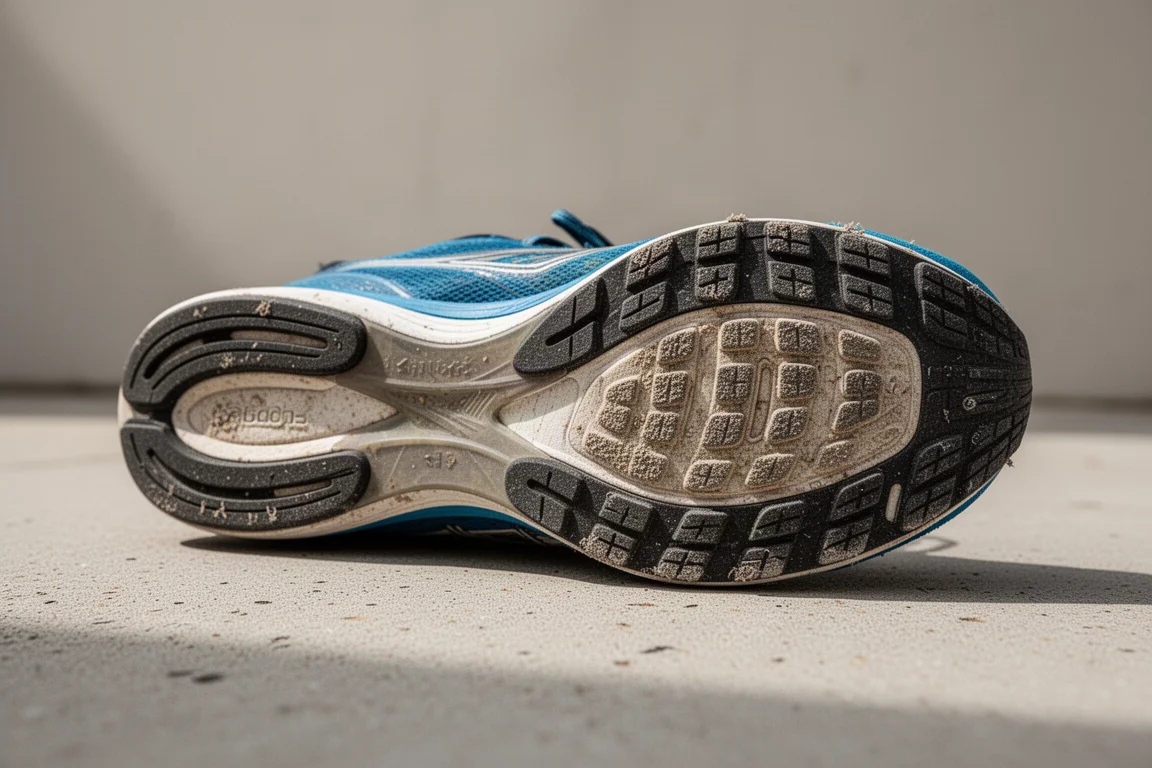
Both shoes are extremely durable. A Magic Speed 3 at 96 miles shows barely any wear, and an Edge Plus in regular use is also holding up really well. That durability softens the pricing conversation considerably.
At $250 the Edge Plus is a serious investment, but you get a super foam, a well-integrated plate, and a smooth ride across many distances. At $160, the Magic Speed 3 delivers remarkable speed and stiffness for the money. You are getting what you pay for with both.
Conclusion
Both are great options, and the right pick depends on your goals. Choose the MetaSpeed Edge Plus if you want a smooth, versatile racer that covers everything from the mile to the half marathon and beyond. Choose the Magic Speed 3 if you race shorter distances at hard efforts, have narrower feet, and want most of that performance for over a hundred dollars less.
Further reading
Related Reviews

Running Shoes
Best Road-to-Trail Running Shoes: Three Versatile Options for Mixed Terrain
A practical guide to three road-to-trail running shoes that handle both pavement and mild trails, with clear strengths and trade-offs for different runner types.

Running Shoes
Best Running Shoes for Achilles Tendonitis: Three Options Explained
Three running shoes with different heel drops and support features designed to help reduce Achilles tendon pain during walking and running.

Running Shoes
Best Running Shoes for Women: Five Top Choices Ranked
A ranked guide to five women's running shoes, from versatile daily trainers to high-performance racing options, with real strengths and trade-offs for each.