Running Shoes
Asics Metaspeed Edge Plus vs Magic Speed 2: Which Racing Shoe Fits Your Running?
Two Asics racing shoes with similar looks but very different rides. Here is how the firmer, cheaper Magic Speed 2 stacks up against the smoother Metaspeed Edge Plus.
Introduction
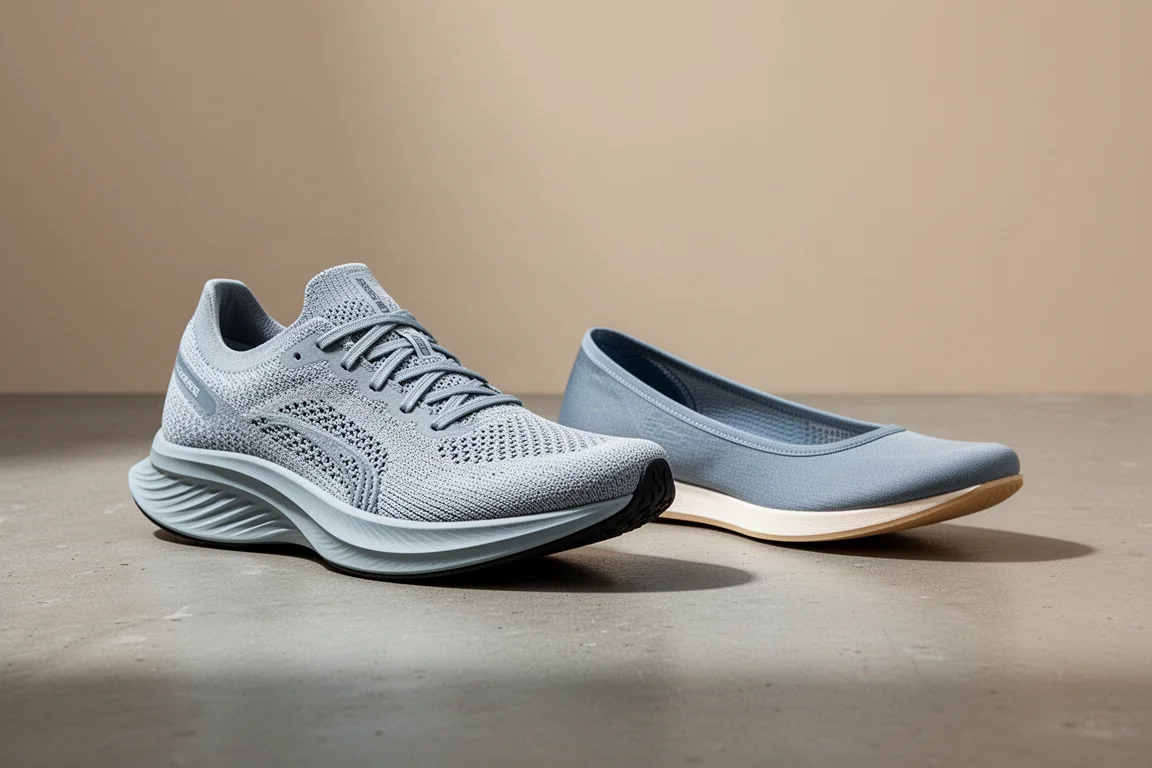
Asics currently sells two racing shoes that look a lot more alike than they actually are: the Metaspeed Edge Plus and the Magic Speed 2. Both sit in the racing shoe category, both carry plated midsoles, and both are fast underfoot. But they differ noticeably in price, weight, foam, stiffness, and the kind of running they suit.
This comparison breaks down those differences so you can decide which one matches your racing goals and budget.
Quick Comparison Overview
The Magic Speed 2 is positioned as the more affordable racing shoe at $150, while the Metaspeed Edge Plus is the premium option at $250. Both prices reflect where the racing shoe market is now, but the gap is significant and it shapes who each shoe is for.
Weight is close but not identical. The Metaspeed Edge Plus comes in at roughly seven to seven and a half ounces in a men’s size 10, while the Magic Speed 2 lands around eight and a half ounces in the same size, about an ounce heavier. Heel-to-toe drop is similar: seven millimeters on the Magic Speed 2 and eight millimeters on the Edge Plus.
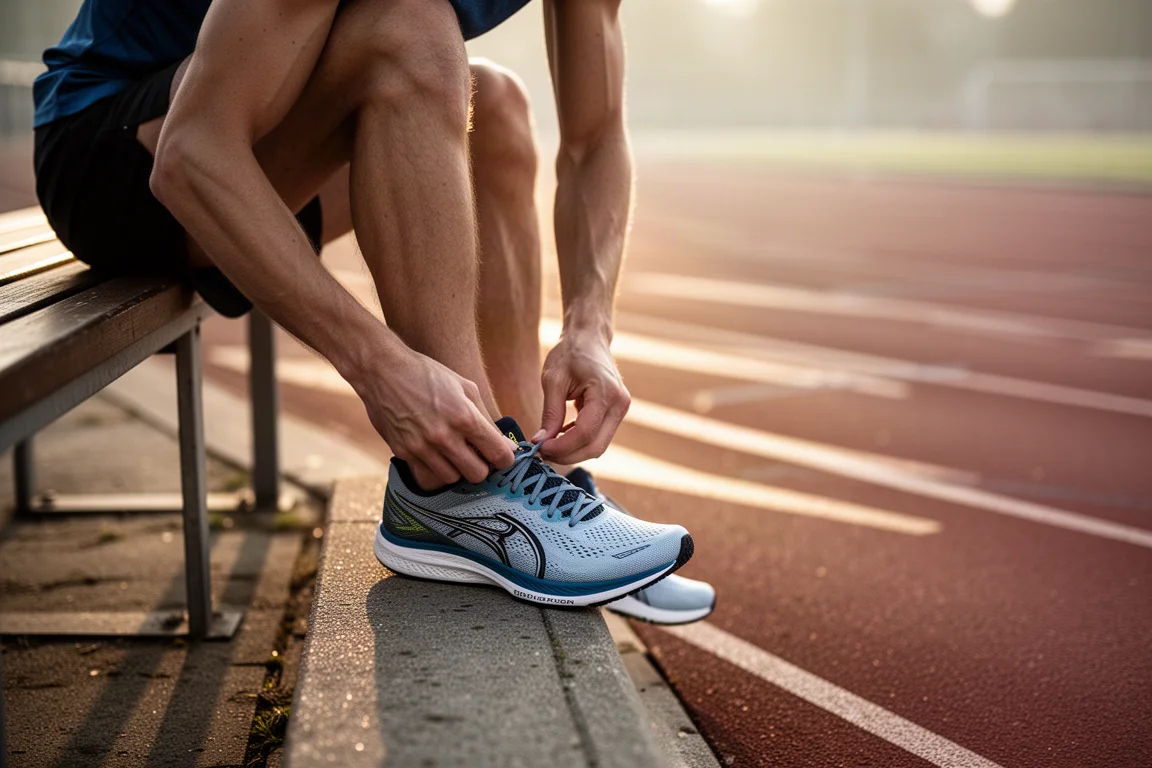
The foam is where things diverge. The Edge Plus uses FF Turbo foam paired with a full-length carbon plate, while the Magic Speed 2 uses a different foam construction that results in a noticeably firmer, stiffer ride.
Ride and Feel: Stiff Versus Smooth
The Metaspeed Edge Plus delivers a rolling, snappy ride with a touch more cushioning. Its curved carbon plate rolls you forward efficiently, and it feels good across a wide range of paces. It has been used comfortably for daily training paces, long runs, tempos, and intervals.
The Magic Speed 2 is far firmer and stiffer. Bending the shoe is genuinely difficult, and there is some uncertainty about its plate setup, which may involve a combination of materials or possibly two plate layers. Whatever the configuration, the result is an extremely stiff platform. The expected soft feel you might hope for is not there, and the stiffness only really comes alive at faster paces like intervals.
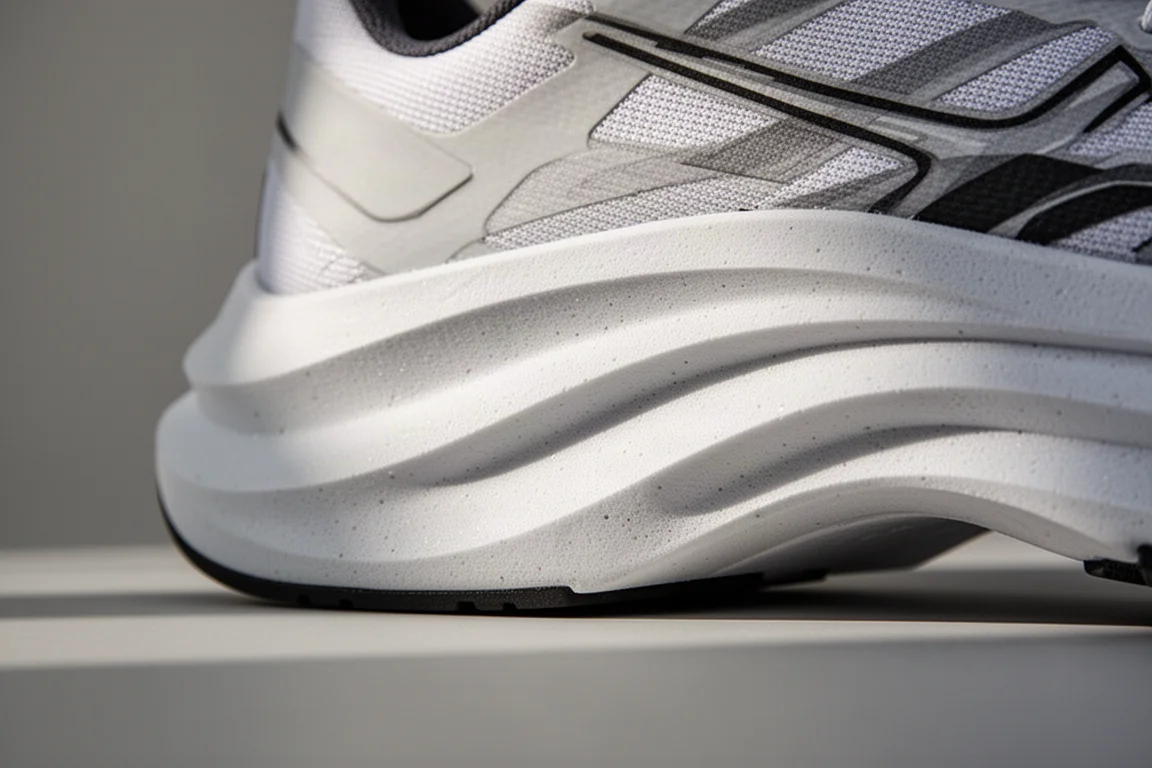
One important caveat: neither shoe is quite a full super shoe. The Edge Plus rides smoothly and rolls well, but its foam is firmer than the bounciest super shoes on the market. The Magic Speed 2 sits even further from that feel.
Fit and Uppers
The Metaspeed Edge Plus has a noticeably improved upper compared to its predecessor. It offers good width for a racing shoe, sits low in volume, and locks in securely without needing a heel-lock lacing technique. It is comfortable enough for longer races.
The Magic Speed 2 fits narrower throughout but with slightly higher volume. It feels like an old-school racing flat: snug, aggressive, and ready to go fast. Thinner socks are recommended, and the narrow midsole makes longer distances harder to recommend for runners who need a bit of stability.

Who Should Buy Which
The Metaspeed Edge Plus suits experienced runners who know exactly what they want and are willing to invest in a premium racing shoe. It works across nearly any use case: long runs, marathons, half marathons, 5Ks, and 10Ks. Its slightly guided midsole and rolling geometry make it a little more forgiving than its sibling.
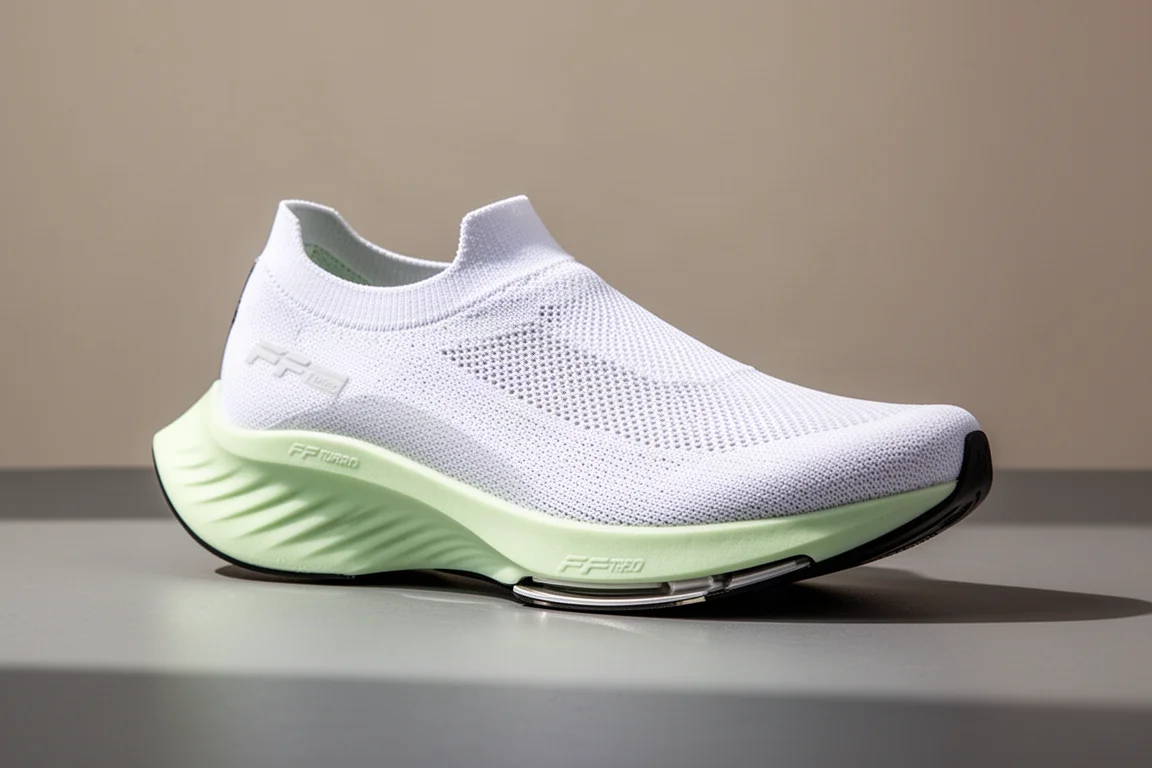
The Magic Speed 2 makes more sense as an entry point into stiffer, plated racing shoes. At $150, it is a lower-risk way to test whether your mechanics handle a stiff sole before spending $250. It also suits high school or college athletes who need a faster racing flat that can still handle a good amount of miles, as its durability has held up well over the miles logged so far.
Conclusion
Both shoes have clear roles. The Metaspeed Edge Plus is the smoother, lighter, more versatile option for committed racers, particularly over longer distances. The Magic Speed 2 is the stiffer, firmer budget entry into plated racing shoes, best for shorter efforts and faster intervals. Match the shoe to your pace range, foot shape, and budget, and either one can serve you well.
Further reading
Related Reviews

Running Shoes
Best Road-to-Trail Running Shoes: Three Versatile Options for Mixed Terrain
A practical guide to three road-to-trail running shoes that handle both pavement and mild trails, with clear strengths and trade-offs for different runner types.

Running Shoes
Best Running Shoes for Achilles Tendonitis: Three Options Explained
Three running shoes with different heel drops and support features designed to help reduce Achilles tendon pain during walking and running.

Running Shoes
Best Running Shoes for Women: Five Top Choices Ranked
A ranked guide to five women's running shoes, from versatile daily trainers to high-performance racing options, with real strengths and trade-offs for each.