Running Shoes
ASICS Metaracer Marathon Test: A Non-Plated Racer That Holds Up Over 26.2
We took the ASICS Metaracer over a full solo marathon distance to see whether this cushioned, lively trainer really has what it takes to race in.
Introduction
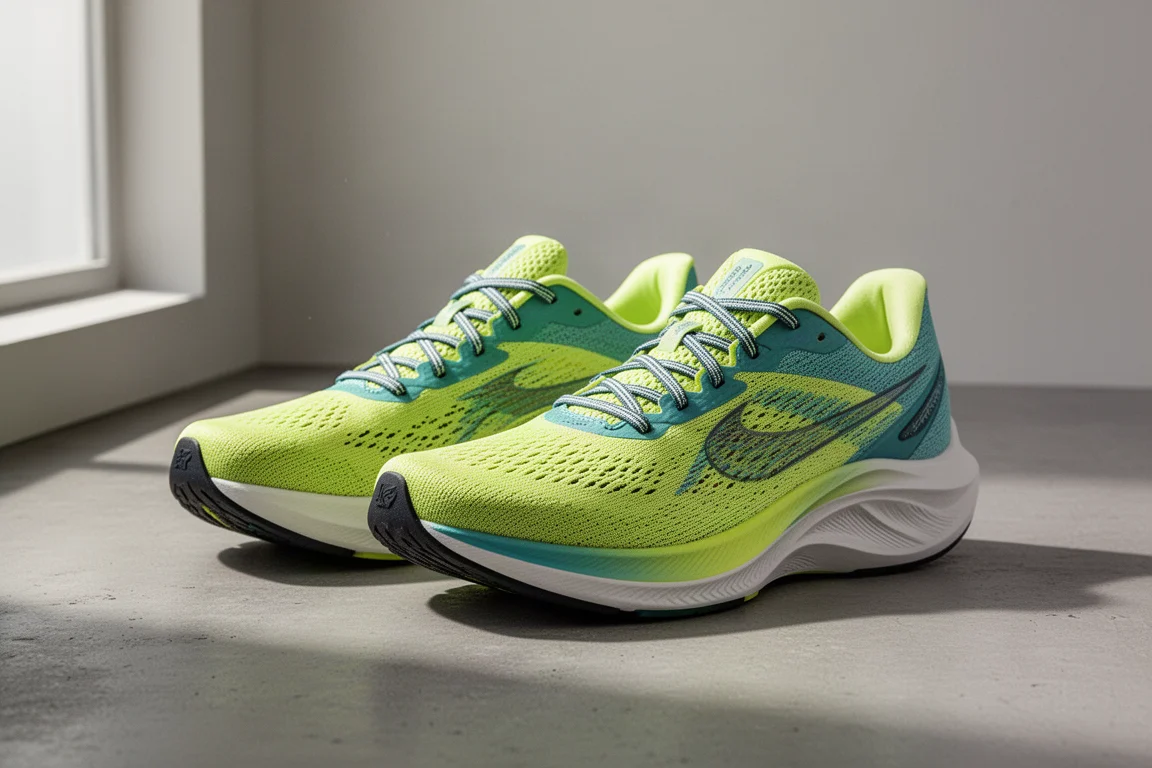
Some shoes earn their reputation in short, sharp test runs. The ASICS Metaracer has already picked up plenty of plaudits, but the real question for a marathon shoe is a simple one: how does it feel at mile 20, when your legs are gone and you need the shoe to do some of the work for you? To find out, we took it over the full 26.2-mile distance in one continuous solo marathon around West London, mixing paces from marathon effort down to a slow, heavy shuffle.
Why We Ran a Full Marathon in It
The goal was to test the shoe in the conditions that actually matter. That meant moving well when feeling fresh, and moving badly when feeling tired, because a marathon almost always includes both. The route covered the full marathon distance in roughly four and a half hours of moving time, including a few stops, with most of the run held at an easier, more conservative pace after an initially faster start.

That mix of fresh and fatigued running is exactly where a non-plated marathon shoe has to prove itself, and it gave a clear picture of what the Metaracer does well and where it asks for compromise.
How It Feels at Marathon Pace
At or just below marathon pace, the Metaracer is at its best. It has what can only be described as a happy cruising vibe: a big dose of bouncy energy that drives you along and gives back what you put in, wrapped in a smoothness that feels genuinely welcome over long distances. When you are moving well, the shoe comes to life.
This is the shoe’s marathon pace sweet spot, and it held consistent across the whole distance. If your race plan involves settling into a steady marathon effort and staying there, the Metaracer rewards that approach with a lively, energetic ride that still feels light underfoot.
The Slow-Pace Trade-Off
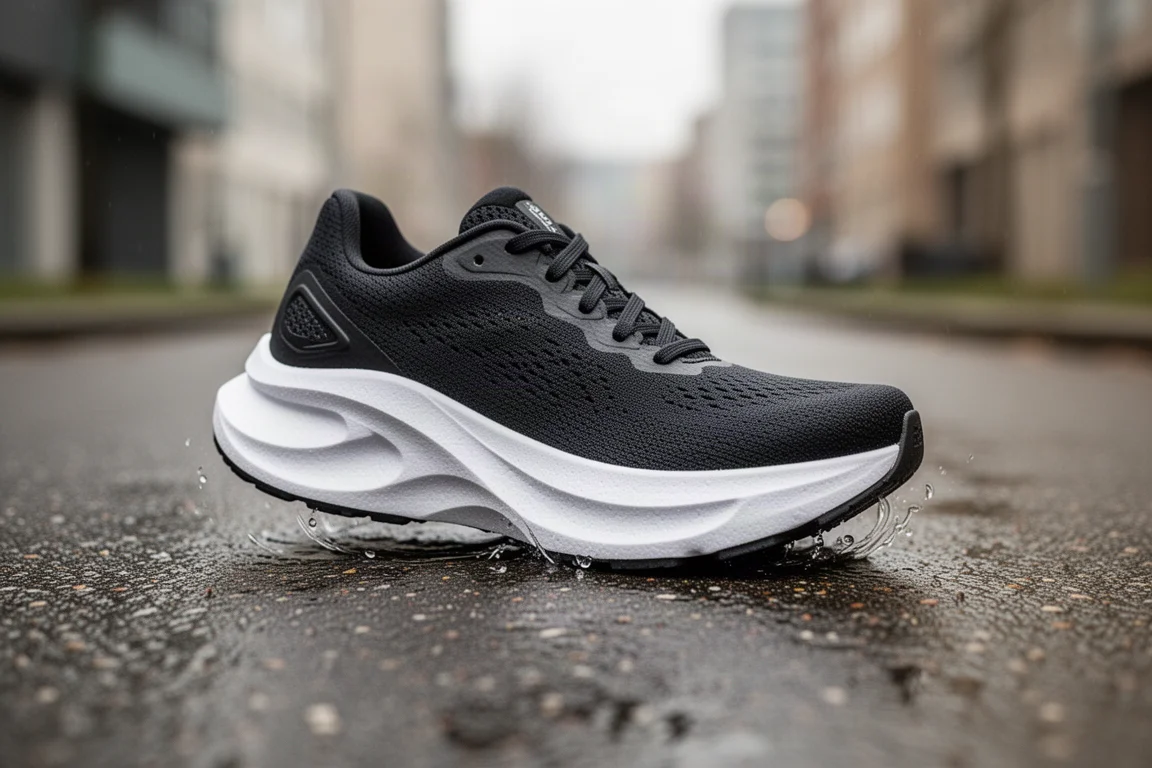
At slower, heavier paces, the picture gets more divided. When you sink back onto your heels and the pace drops, the cushioning starts to feel noticeably sinky, and it takes a little more effort to get out of the shoe and into the next stride. That lack of immediacy is the main knock against it when you are feeling leggy.
The flip side is what that extra cushion gives back. At the 19-mile mark, with tired feet and seven miles still to go, the midsole quietly did its job in the background: taking the edge off the road, keeping impact from driving up through the knees, and cradling the foot comfortably enough that foot fatigue never became a problem. It cocooned the feet nicely when the runner could not.

In the final six miles, with form wobbling and the road starting to feel punishing, the shoes stayed consistent, keeping everything down there comfortable and protected. That trade-off, a bit of mush in exchange for genuine protection, is worth considering seriously if your marathon will involve hours on your feet.
Who Should Race a Marathon in the Metaracer
The Metaracer makes the most sense for runners looking for a non-plated marathon race shoe who expect to be on their feet for three and a half to four and a half hours. If you plan to put in faster times but know there is a real chance you will fade to a slower, more labored pace late in the race, this shoe will do a job and look after you doing it.
It is priced at the higher end, but it offers genuine versatility: a shoe you can comfortably train in through a marathon build and then race in, with a reliable, trustworthy feel and a good guarantee of comfort over the distance. What you will not get is the big percentage performance gain of an out-and-out plated carbon racer like the Puma Fast-R 3 or the ASICS Metaspeed Edge or Sky. For most runners, though, those percentage gains are small, and the comfort and reliability here may be worth more.

If the question is whether you can last the distance, or whether you just want to get round with some energy left but a real margin of comfort, the Metaracer answers yes on both counts.
Conclusion
The marathon test confirmed what a shorter run only hinted at. The ASICS Metaracer is really cushioned, really protective, and light and bouncy enough to handle the full 26.2 well. It performs best at marathon pace or just below, gets a bit mushy when you slow right down, but repays that trade-off with protection that keeps your feet happy deep into the race. For a non-plated marathon option that you can trust over the distance, it earns a clear thumbs up.
Product link
View more details for ASICS Metaracer
This product is mentioned in the review. Check the specifications, options, and compatibility before buying.
View more details for ASICS MetaracerFurther reading
Related Reviews

Running Shoes
Best Road-to-Trail Running Shoes: Three Versatile Options for Mixed Terrain
A practical guide to three road-to-trail running shoes that handle both pavement and mild trails, with clear strengths and trade-offs for different runner types.

Running Shoes
Best Running Shoes for Achilles Tendonitis: Three Options Explained
Three running shoes with different heel drops and support features designed to help reduce Achilles tendon pain during walking and running.

Running Shoes
Best Running Shoes for Women: Five Top Choices Ranked
A ranked guide to five women's running shoes, from versatile daily trainers to high-performance racing options, with real strengths and trade-offs for each.