Trail Running Shoes
Asics MetaFuji Trail vs Adidas Agravic Ultra: First Take on Two Trail Super Shoes
Two carbon-plated trail racers compared: grip, foam, stability, and which terrain each one actually suits.
Introduction
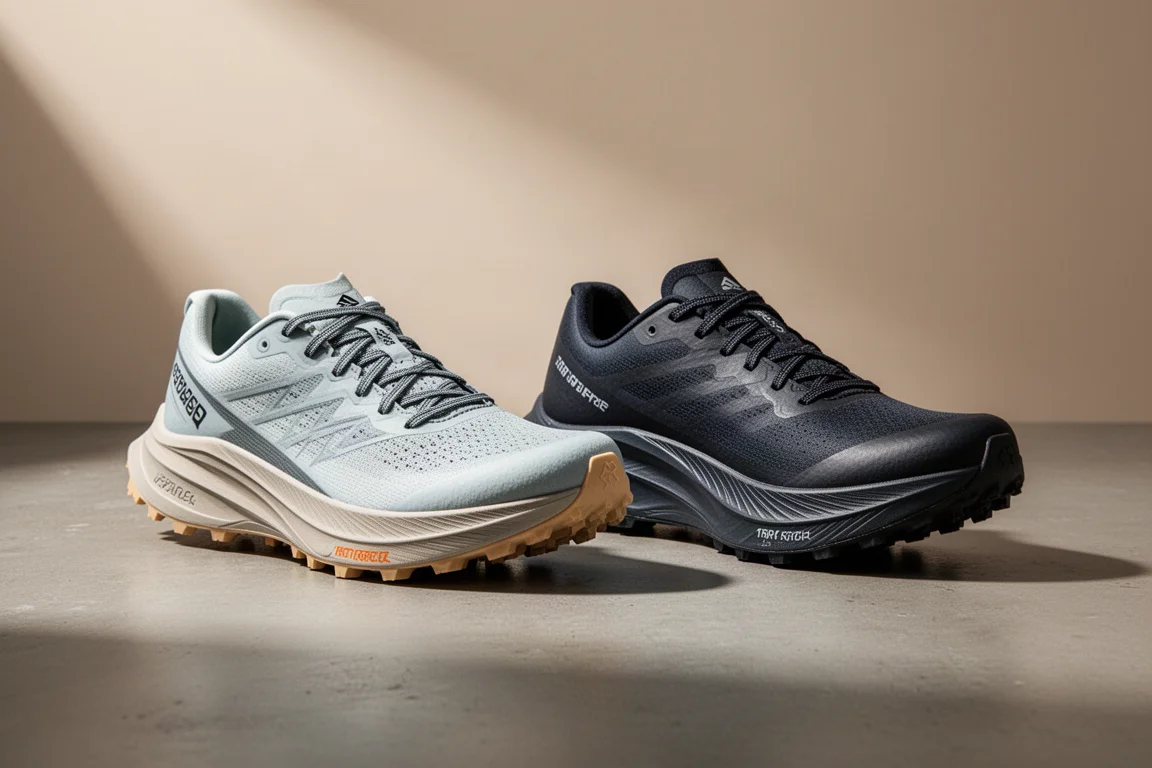
Carbon-plated racing shoes have fully arrived on the trails, and two models keep coming up in the same conversation: the Asics MetaFuji Trail and the Adidas Agravic Ultra. Both sit at the performance end of the trail running market, and both aim to deliver that springy, road super shoe sensation on dirt. After initial runs in the MetaFuji Trail and time in the Agravic Ultra, the picture is clearer: these are fast, exciting shoes with real trade-offs, especially when the terrain turns technical.
The MetaFuji Trail is a direct descendant of Asics’ Meta Speed line, sharing much of the geometry, foam approach, and plate philosophy of its road siblings. The Agravic Ultra, meanwhile, is the benchmark the MetaFuji keeps being measured against, and for good reason.
Asics MetaFuji Trail: Fast, Plush, and Built to Roll
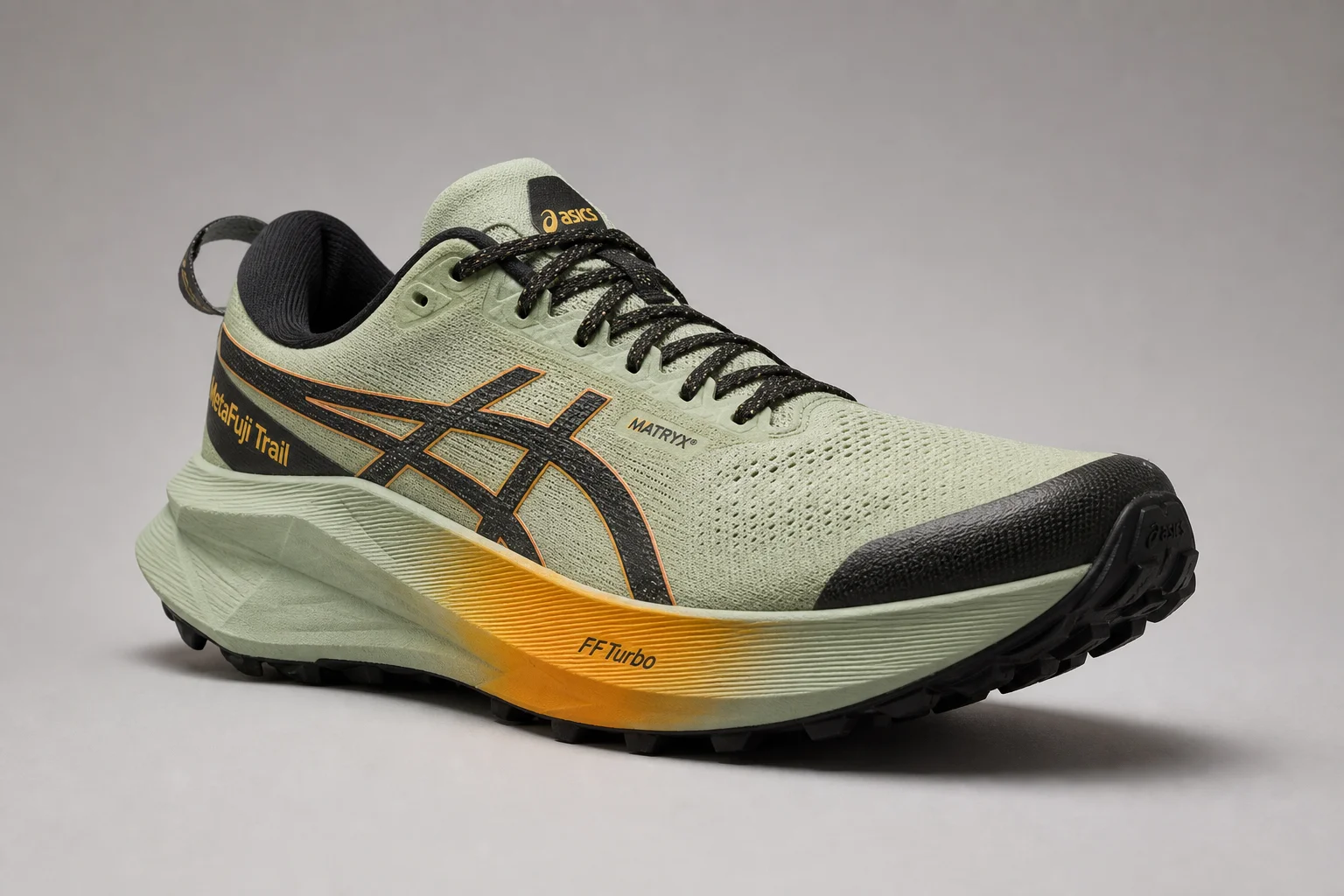
The MetaFuji Trail uses a full-length carbon plate tuned differently from the road version, paired with dual-density foam: FF Turbo, the fast race-day foam, layered with FF Blast Plus. The result is a shoe that rolls impressively well once you open up your stride. When you rock forward onto the toe, the toe-off feels genuinely special, more springy and responsive than several other trail super shoes.
It runs fast. Almost too fast, in fact, as both testers found themselves unable to hold back even when trying to run easy. On smooth gravel roads and flowing single-track, it feels closer to road running than trail running, smoothing out rock feel underfoot while keeping a lively, propulsive ride.

Grip and Outsole
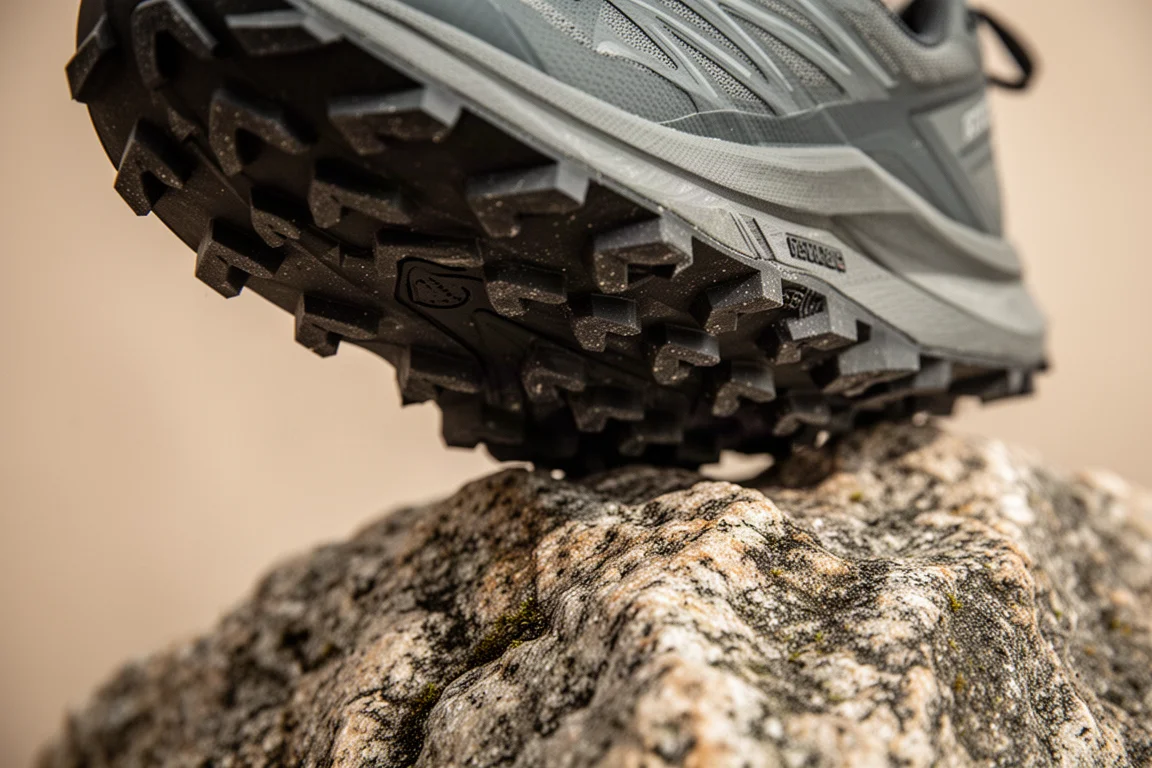
The Asics grip rubber is a known quantity from the brand’s road models, and on trail it performs very well. It is grippy, durable, and crucially it does not add a huge, clunky lug layer that slows the shoe down. The lugs are relatively shallow, which is perfect on hardpack, gravel, and smooth single-track.
The flip side is obvious: shallow lugs and a fairly smooth underfoot platform mean this is not a mud shoe. Early feedback notes it struggles in muddy conditions, but that was never the intended use case. If your races and routes stay on dry, rolling terrain, the grip holds up beautifully.
Stability on Technical Terrain
This is where the MetaFuji Trail asks you to be honest about your routes. The foam stack, especially early on, does not offer much stability on either side of the foot, and a hard ankle twist on an off-camber rock was a reminder that carbon-plated trail racing tech still has some wrinkles to iron out. The heel is wider than the midfoot, and the geometry changes noticeably from midfoot to rear, so the platform behaves differently depending on where you land.
On a flat gravel road it felt perfect. On a technical downhill it felt less stable than expected, prompting a slowdown until the trail flattened out again. The takeaway is simple: this is a shoe you need to run with intention, and it rewards smooth, flowing terrain over gnarly descents. More miles may soften the foam slightly and improve the stability picture, but as delivered, it is not a technical-trail specialist.

Adidas Agravic Ultra: The Comparison Point
The MetaFuji Trail feels most like the Adidas Agravic Ultra of the current trail super shoe crop. The foam density is similar, with the Asics feeling slightly firmer, which some runners will actually prefer on trail. Both shoes share that plated, propulsive character, though the Agravic Ultra does not quite deliver the same pronounced spring at toe-off that the MetaFuji’s foam-and-plate combination provides.
For runners deciding between the two, the difference comes down to feel: the Agravic Ultra is a touch softer and steadier, while the MetaFuji Trail is firmer, snappier, and more eager to roll you forward. Neither is the shoe for sketchy scrambles; both are best treated as race-day tools for faster, smoother trail courses.
Upper and Breathability
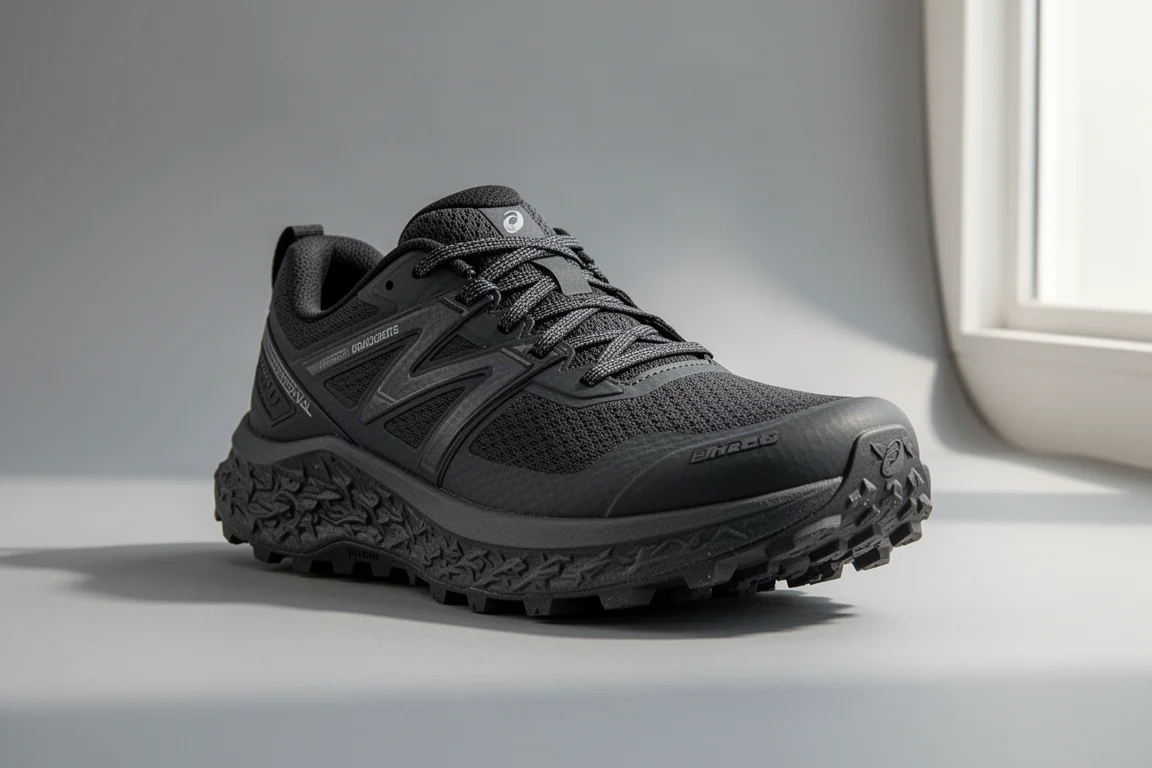
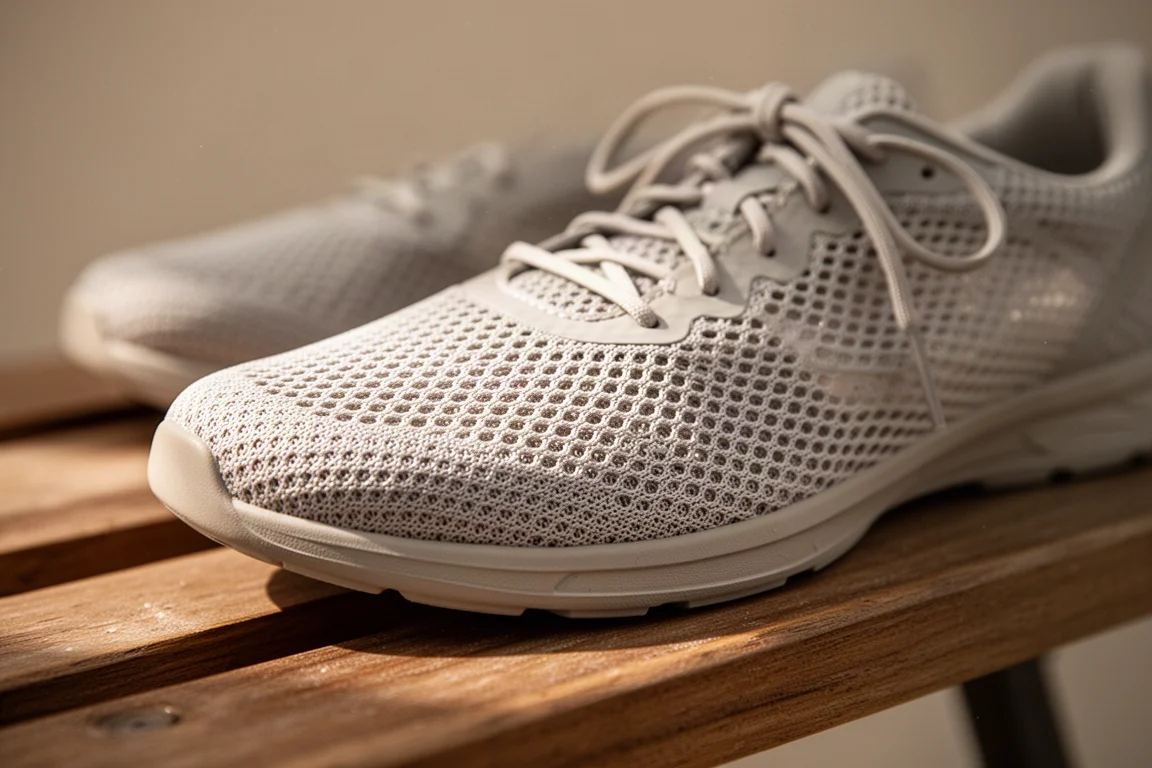
The MetaFuji Trail’s upper uses roughly 50% recycled material in a see-through, extremely lightweight engineered mesh. It is a strong match for hot, dusty courses, and the tighter weave should help keep grit out, a common complaint with more porous mesh uppers on some competing trail shoes where debris regularly works its way inside. For dry, dusty race-day conditions, this upper is a genuine advantage.
Who Should Buy Which
The MetaFuji Trail makes sense for runners targeting fast, rolling, mostly smooth trail races, think gravel roads, groomed single-track, and dry courses where toe-off spring and debris protection matter more than aggressive traction. The Agravic Ultra suits runners who want a similar super shoe ride with a slightly softer, denser foam feel. Neither is the right pick for muddy courses or steep, technical descents, and both reward a runner comfortable moving at pace.
Conclusion
The trail super shoe category is still finding its feet, and both of these shoes show how close it is to getting there. The Asics MetaFuji Trail delivers outstanding grip, a beautifully propulsive roll, and an upper built for hot, dusty race days, with stability on technical terrain as its main caveat. The Adidas Agravic Ultra remains a strong, slightly softer alternative. If your goal race is smooth and fast, either could earn a spot on the start line.
Further reading
Related Reviews
Trail Running Shoes
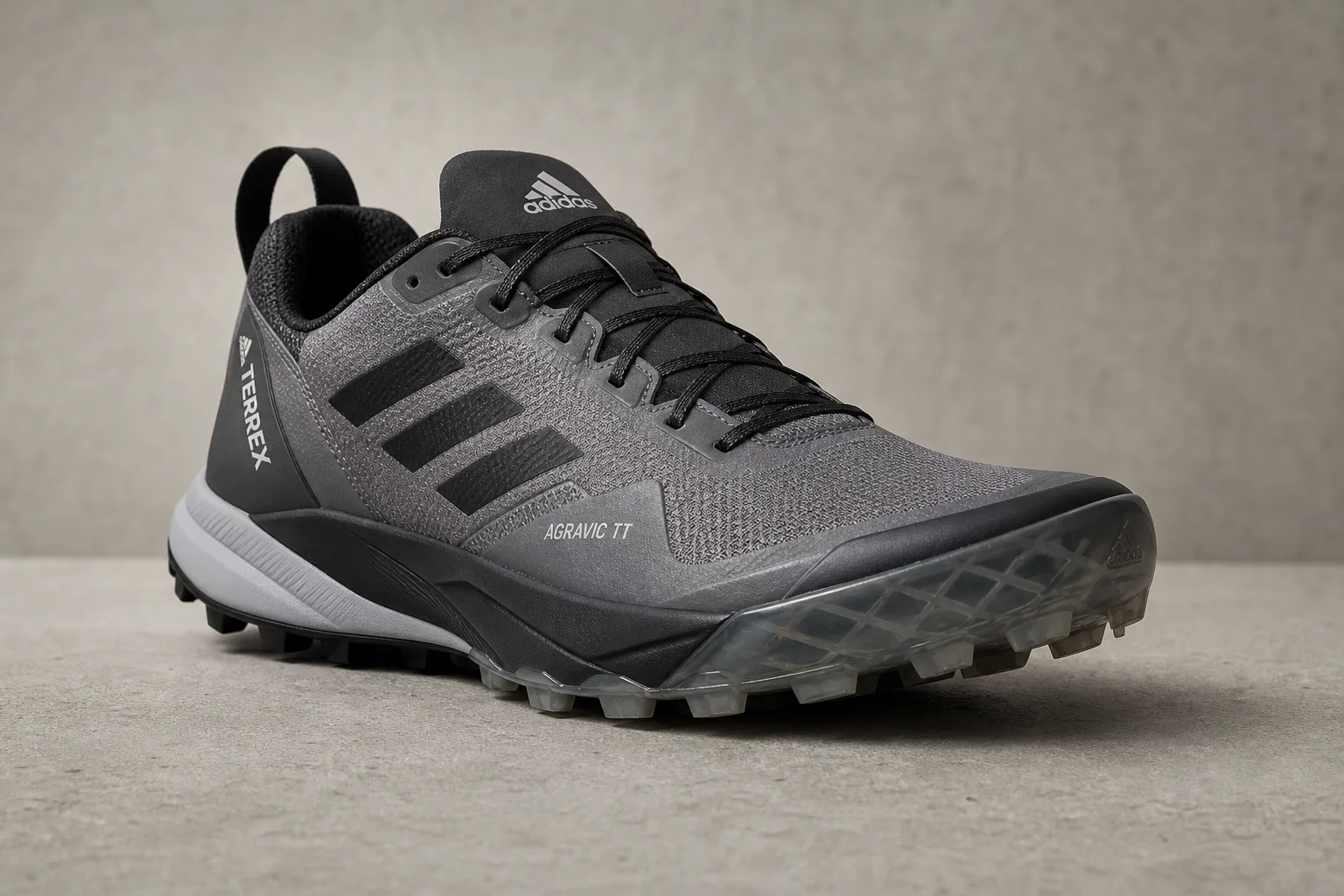
Adidas Terrex Agravic TT Review: A Technical Trail Shoe Built for Rocky Terrain
The Adidas Terrex Agravic TT combines a full-coverage rock plate with a firmer midsole to deliver protection and stability on technical, rocky trails. A capable choice for runners who prioritize underfoot defense over lightweight cushioning.
Trail Running Shoes
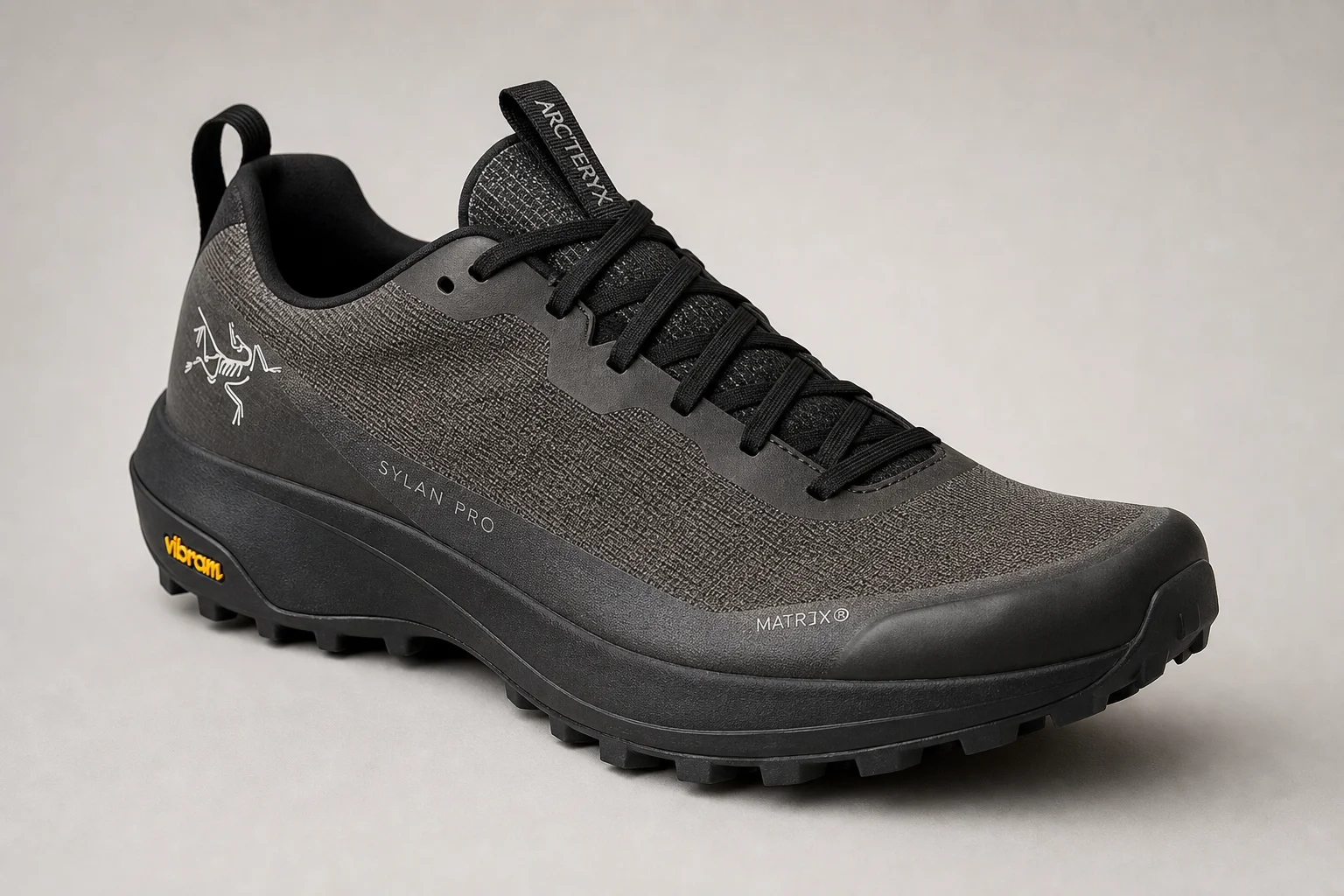
Arc'teryx Sylan Pro Review: A Rocker-Focused Mountain Running Shoe Tested on 20 Miles
The Arc'teryx Sylan Pro brings a pronounced rocker geometry and secure fit to mountain terrain. We tested it on a 20-mile Sawtooth loop to evaluate its climbing efficiency, protection, and handling of technical descents.
Trail Running Shoes
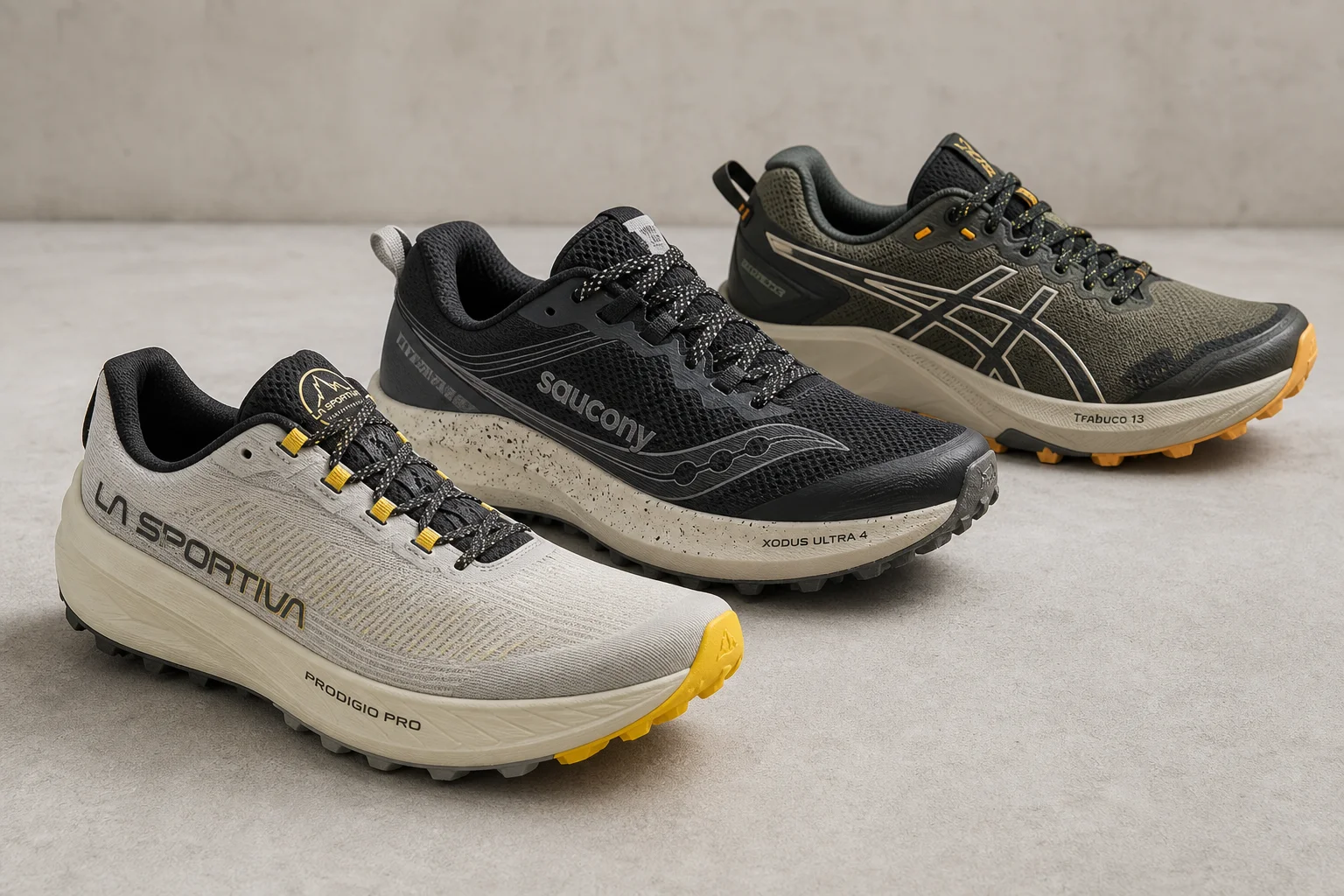
Best All-Mountain Trail Running Shoes: Three Versatile Options for Any Trail
A focused roundup of three all-mountain trail running shoes that handle technical terrain, long distances, and variable conditions with real strengths and practical trade-offs.