Trail Running Shoes
Asics Metafuji Trail First Run Review: A Carbon-Plated Trail Racer With A Stability Caveat
Asics brings road super shoe tech to the trails with the Metafuji Trail. Lively, light and grippy on runnable terrain, but stability at easier paces needs thought.
Introduction
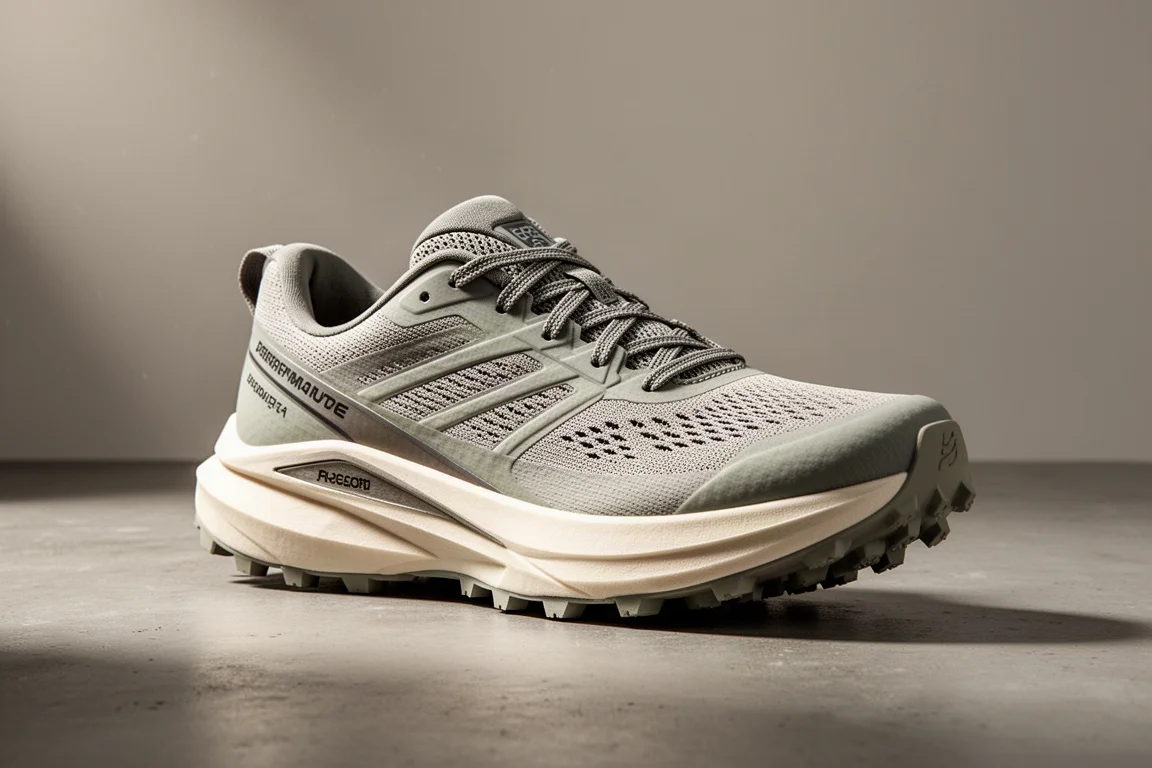
The Asics Metafuji Trail costs £220 or $250, weighs 267g (9.4 oz) for men in a size eight, and has a 5mm drop. It is a performance trail shoe built for hitting the trails at speed, combining a full-length carbon plate with a noticeably high stack of FF Turbo and FF Blast Plus cushioning. That dual-layer foam is designed to balance energy return and comfort while keeping weight as low as possible.
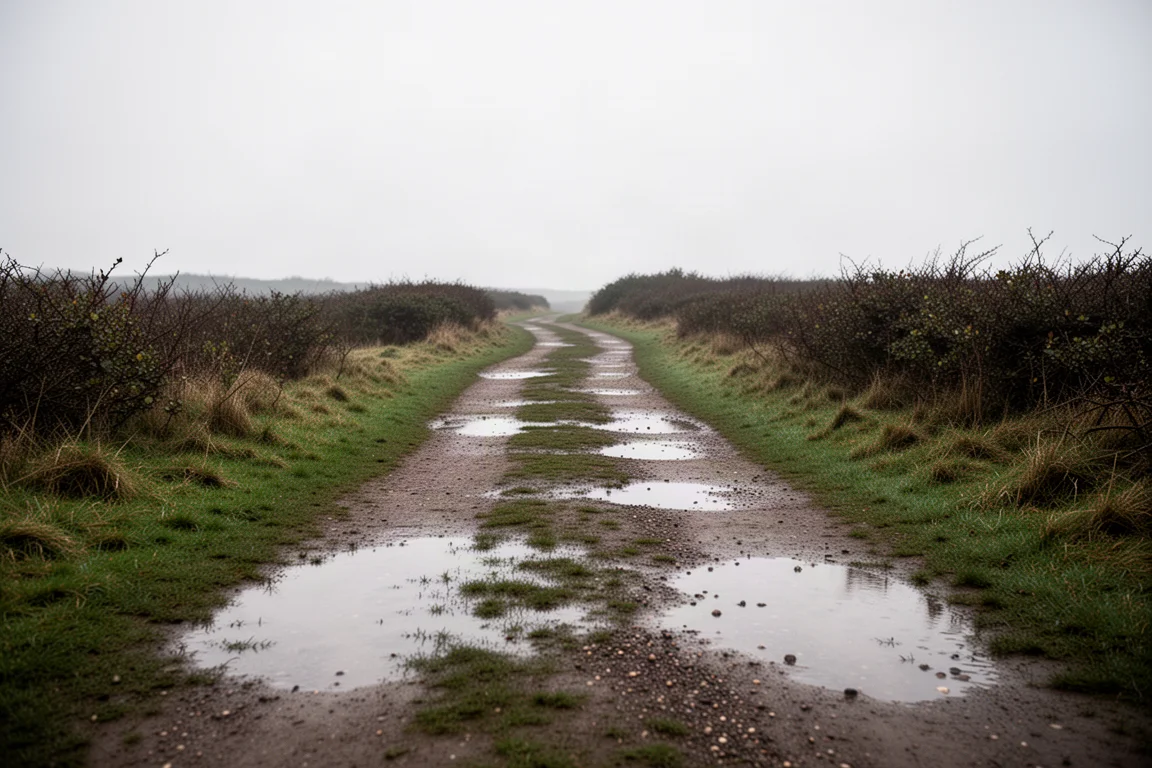
This is very much a first-run impression, based on two runs: a two-and-a-half-hour half marathon distance loop around the trails of the New Forest National Park, run nice and easy, and the New Forest Marathon itself, raced in 3:08 for a course personal best on a course run eight times. Terrain was mainly groomed paths, mostly firm compacted gravel, some wild horse trails, softer forest floors, grassy sections, and plenty of road linking the trails. Conditions for the marathon turned wet, with heavy rain, mud, sloppiness, wet grass and a lot of puddles. No steep climbs, crazy technical descents or particularly rocky ground featured in the testing, so this covers tame but attackable trails.
What the Metafuji Trail Is Trying to Do
The Metafuji Trail is the latest shoe to deploy the super foam plus carbon plate combo already familiar from road shoes, now translated to trails. It joins the Adidas Terrex Agravic Speed Ultra and the Hoka Tecton X3 in a new wave of turbocharged trail options. On terrain like the New Forest, where a road shoe can almost get away with it in the dry, this kind of shoe is close to perfect territory: road shoe performance when you want it, with trail grip and protection.

It shares clear design similarities with the Asics Metaspeed Sky Paris in look, construction and, in many ways, feel. Rather than aggressively bouncing you forward, it feels efficient: you can pick up the pace nicely, and it feels lightweight underfoot, especially on road sections. Up on the forefoot with the plate engaged on firmer ground, the ride is smooth and energetic without feeling overly aggressive.
Fit and Sizing
The upper is a breathable Nexkin mesh with reinforced areas for lockdown and pull-back yarn in the midfoot. Lock laces give a secure hold across the midfoot without pinching the toe knuckles, and padded heel collars hold the heel well. The tester’s regular Asics size, a UK 8, worked well, with plenty of room in the toe box for length and across the top of the toes, no slipping off the midsole and no heel issues.
The recommendation is simple: go true to size. Fit was comfortable from the first run, with no toe rubbing and enough roominess to cope with longer time on feet. The upper is also genuinely lightweight and airy. It was run in 23°C conditions and felt built for them, and after wading through a load of puddles it did not soak up much water, staying light, shedding excess and drying out quickly while moving.
Ride and Performance
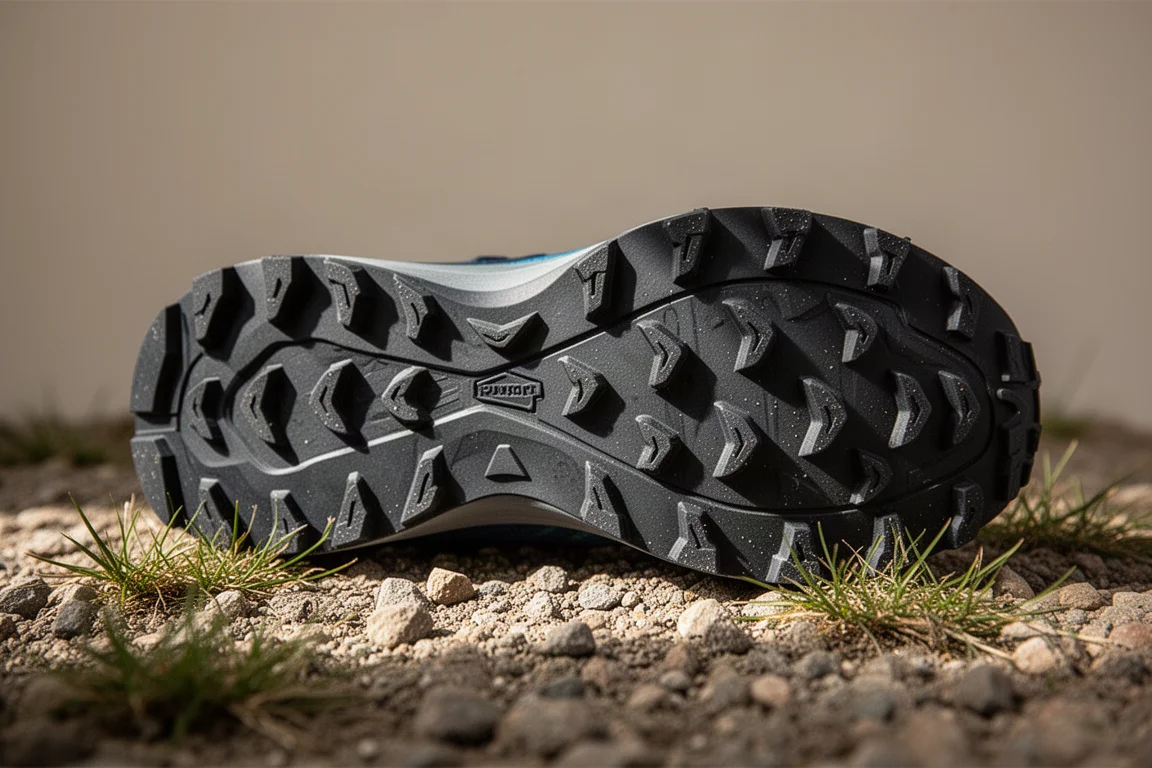
On the outsole is a healthy layer of Asics Grip rubber, delivering a high level of grip on wet and dry surfaces with plenty of durability, plus an extra rubber layer meant to shed dirt and mud while improving traction. The 4.5mm lugs proved nicely sticky for the terrain tested, but shallow enough for easy movement on bone-dry trails and road. In the soaking wet marathon conditions, they stuck well on some quite testing wet going. That said, they are not built for heavy, thick or really slippy mud; there is no vouching for anything steep here either.
There is one clear caveat: stability at slower paces. At around 9-minute-mile pace or slower, closer to easy ultra-style running, landings felt a little soft and wobbly from the footbed, occasionally too spongy with too much movement across it, particularly on softer trail ground. At marathon pace of around 6:45 per mile, it took very little in the way of rocks and small stones to make the foot tilt. The shoe is not wide, and that narrowness shows on trickier terrain with roots and uneven mixed ground. On firmer ground with the forefoot engaging the plate, the problem largely disappeared.
Where the Metafuji Trail Shines
This shoe really hits its stride on slightly softer, runnable ground: forest paths, canal paths, fields and compacted mud. There, it feels nippy, controlled and genuinely fast, with the plate and midsole foam kicking into gear. Interestingly, it arguably performed better on the road than the trail during testing, getting more back from the foam and plate combo on hard ground. Compared to firmer traditional trail shoes like the Inov-8 options, Salomon, Merrell Agility Peak or Asics Gel-Trabuco, it offers much more bounce and a livelier feel.
It is not an everyday easy-run shoe, though. It feels too lightweight and performance-focused for that, and unless you are running on the ground it likes, as fast as you can, the technology does not fully come alive. For most people enjoying the trails at a comfortable pace, a £220 or $250 shoe like this may be hard to justify.
Things to Consider Before Buying
Before investing, ask yourself whether you want soft, bouncy and energetic on the trails, or more ground feel and control. The brands are clearly pushing the trail super shoe path towards spring and energy, and for runnable trails there is real potential upside. But if you are an averagely gifted trail runner looking at technical terrain, or heading somewhere like the Lake District, deep winter mud, or rocky mountain surfaces where the midsole feels a touch too firm, this might be a bit wobbly and the wrong tool.
Buying Advice
For mixed terrain trail runs and marathons where roughly 80% of the route is attackable off-road, the Metafuji Trail has performed well so far. Within this new class, early leaning favours the Tecton X3 as the faster, more energetic option, while the Agravic Speed Ultra is loved for its easy ride and disappearing feel on foot. The Metafuji Trail sits somewhere in between, with strong merit as a solid entry into the performance trail shoe market. If you race the trails on softer, runnable ground, it is a strong pick; if your trail running is slow, technical or mostly off the terrain it likes, look elsewhere.
Conclusion
As a first-run reaction, the Asics Metafuji Trail gets an awful lot right: a lively ride, an easy feel on the foot, decent room and airiness, excellent grip for runnable terrain, and a road-worthy midsole performance. The main question mark is stability at easier paces and on technical ground. If fast trail racing on the right terrain is your goal, it deserves a place alongside the Tecton X3 and Agravic Speed Ultra on your shortlist.
Product link
View more details for Asics Metafuji Trail
This product is mentioned in the review. Check the specifications, options, and compatibility before buying.
View more details for Asics Metafuji TrailFurther reading
Related Reviews
Trail Running Shoes
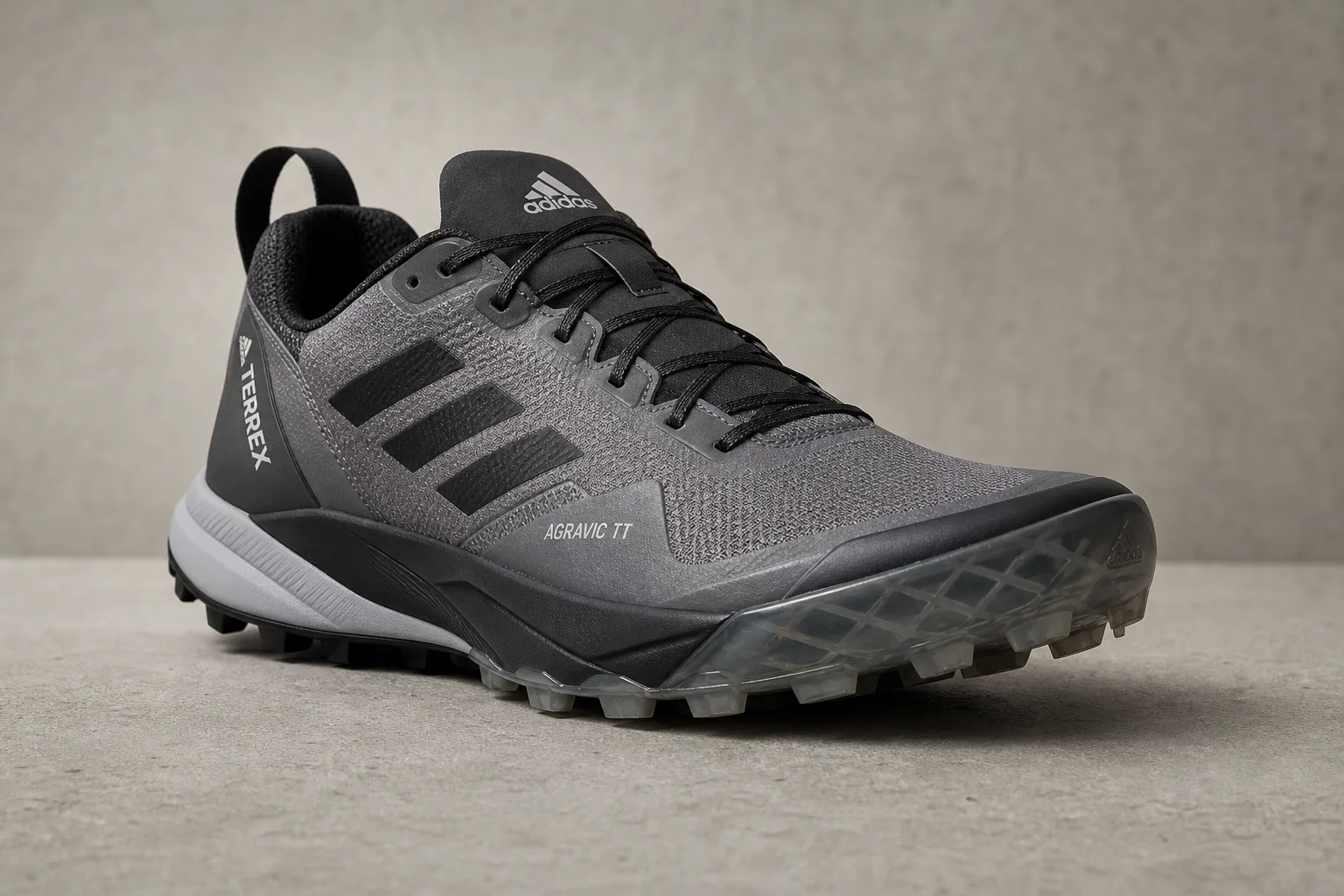
Adidas Terrex Agravic TT Review: A Technical Trail Shoe Built for Rocky Terrain
The Adidas Terrex Agravic TT combines a full-coverage rock plate with a firmer midsole to deliver protection and stability on technical, rocky trails. A capable choice for runners who prioritize underfoot defense over lightweight cushioning.
Trail Running Shoes
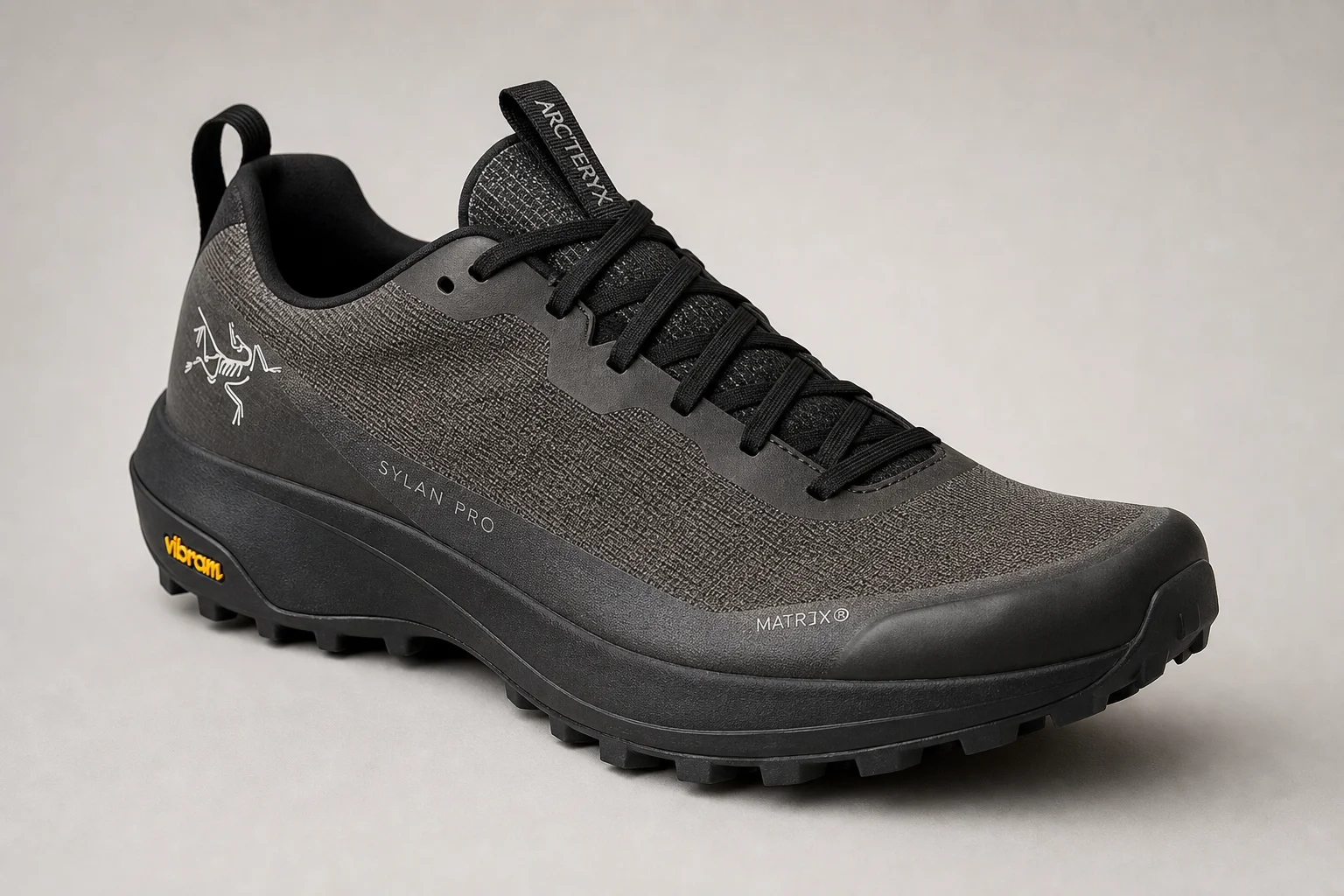
Arc'teryx Sylan Pro Review: A Rocker-Focused Mountain Running Shoe Tested on 20 Miles
The Arc'teryx Sylan Pro brings a pronounced rocker geometry and secure fit to mountain terrain. We tested it on a 20-mile Sawtooth loop to evaluate its climbing efficiency, protection, and handling of technical descents.
Trail Running Shoes
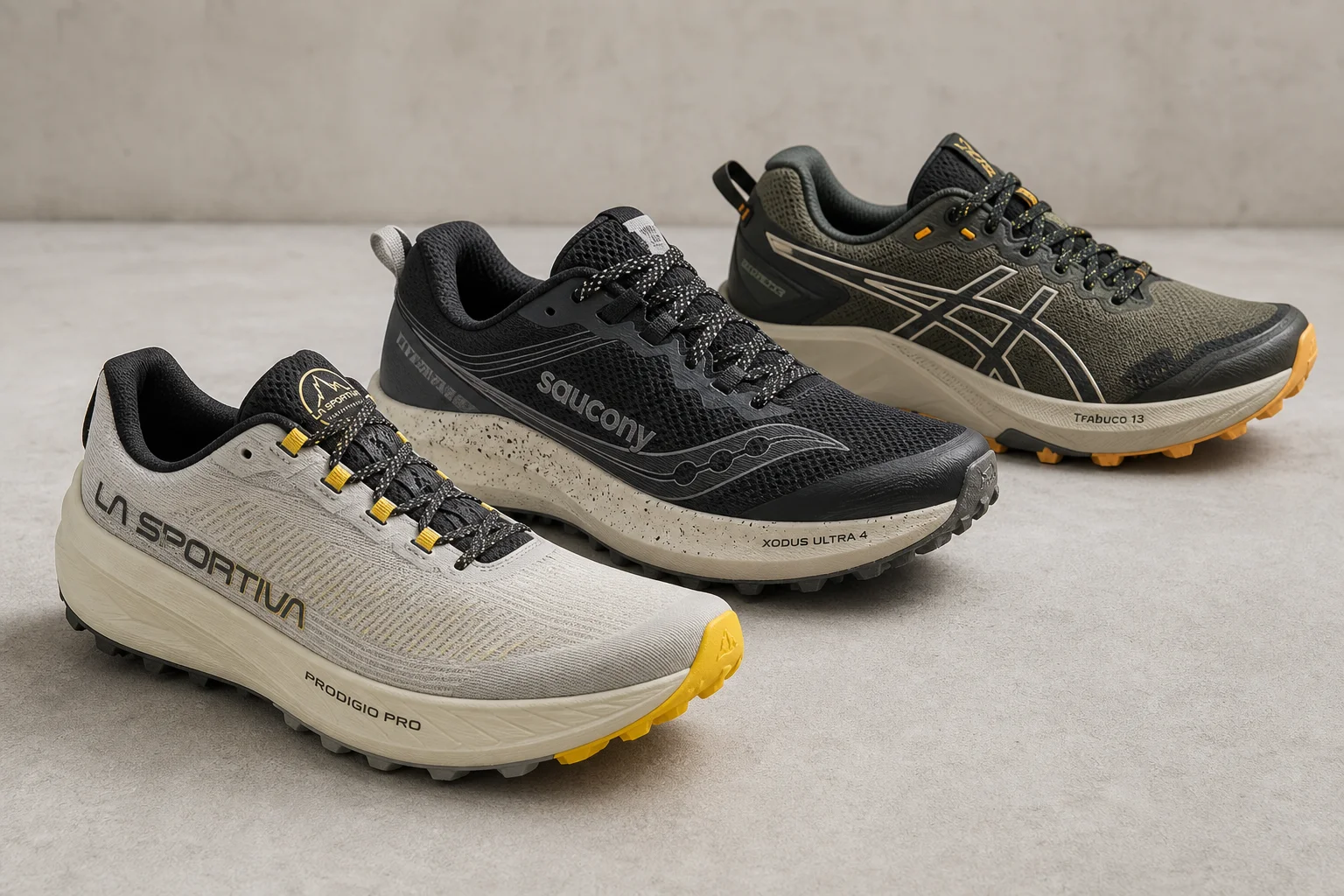
Best All-Mountain Trail Running Shoes: Three Versatile Options for Any Trail
A focused roundup of three all-mountain trail running shoes that handle technical terrain, long distances, and variable conditions with real strengths and practical trade-offs.