Running Shoes
ASICS Meta Speed Tokyo Lineup: Sky, Edge, and the New Ray
Three new ASICS racing shoes, a new foam compound, and one strikingly light new model. Here is what changes and which runner each shoe suits.
Introduction
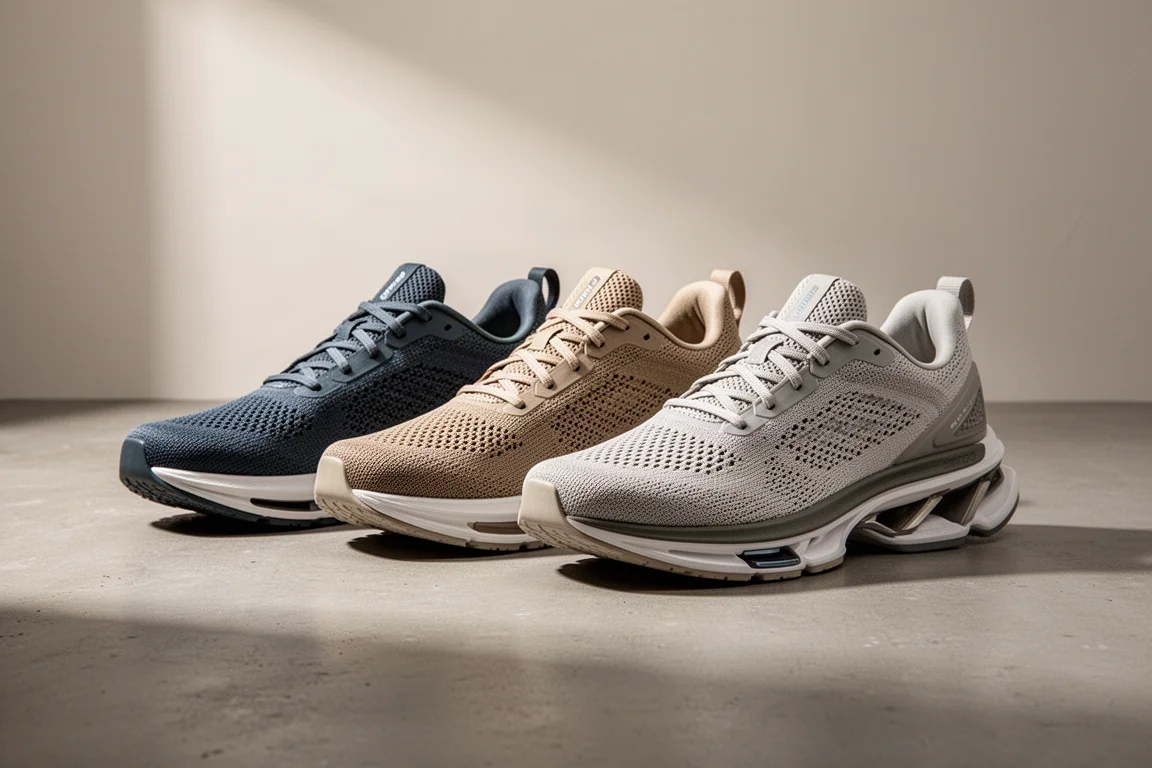
ASICS is refreshing its top racing line with three new models: the Meta Speed Sky Tokyo, the Meta Speed Edge Tokyo, and an entirely new shoe, the Meta Speed Ray. The Sky follows the Meta Speed Sky Paris, a shoe that delivered a streak of personal bests across 5K, 10K, and half marathon distances thanks to its low weight, comfort, and propulsive flatter plate placement.
The headline changes are a new foam compound, meaningful weight savings, and a clearer split between the Sky and Edge so it is easier to understand which shoe suits your running style.
Meta Speed Sky Tokyo
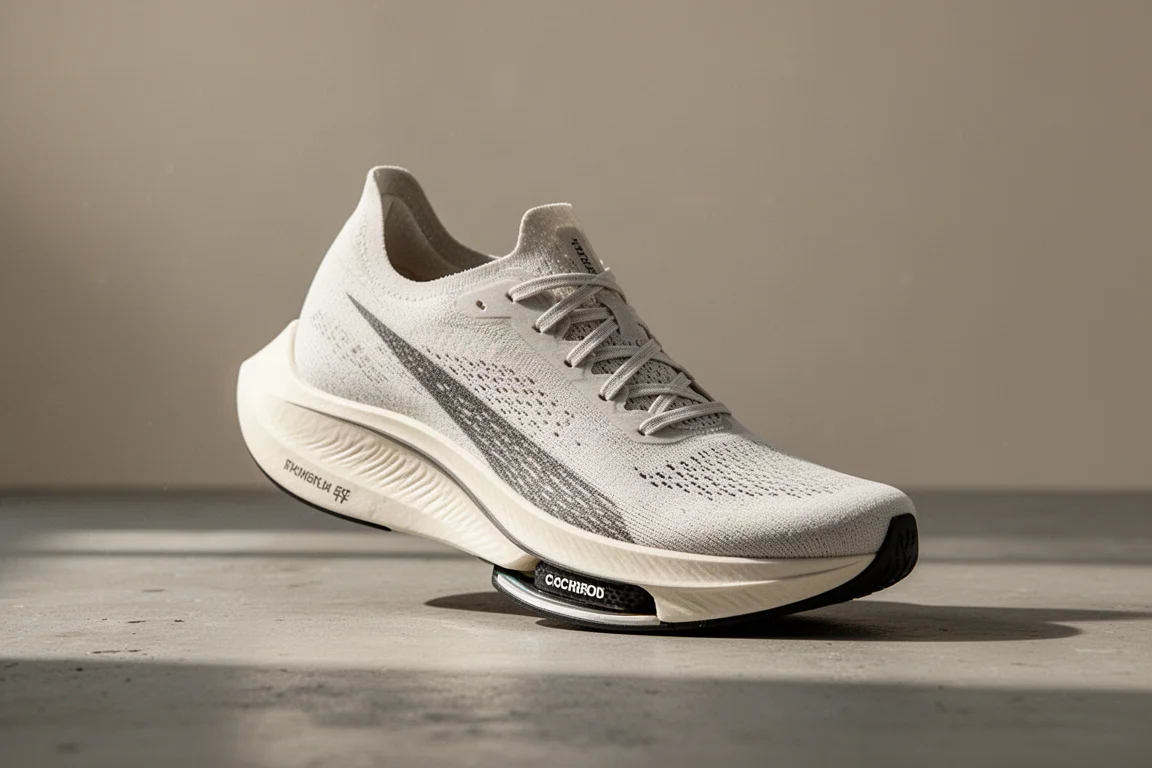
The new Sky Tokyo looks like a genuine upgrade. Sample sizes come in around 15 g lighter, dropping a typical pair to just under 200 g. ASICS has also packed in a new foam compound for higher energy return, claimed at an 18.8% improvement.
The upper mesh is more breathable and lighter than before, and the sticky rubber outsole carries over from the current models. Plate placement mimics the existing Meta Speed series, keeping that propulsive, slightly flatter feel that made the Sky Paris so effective for longer races.

For runners who loved the Sky Paris, this is shaping up to be the natural pick: familiar character, less weight, and more energy return.
Meta Speed Edge Tokyo
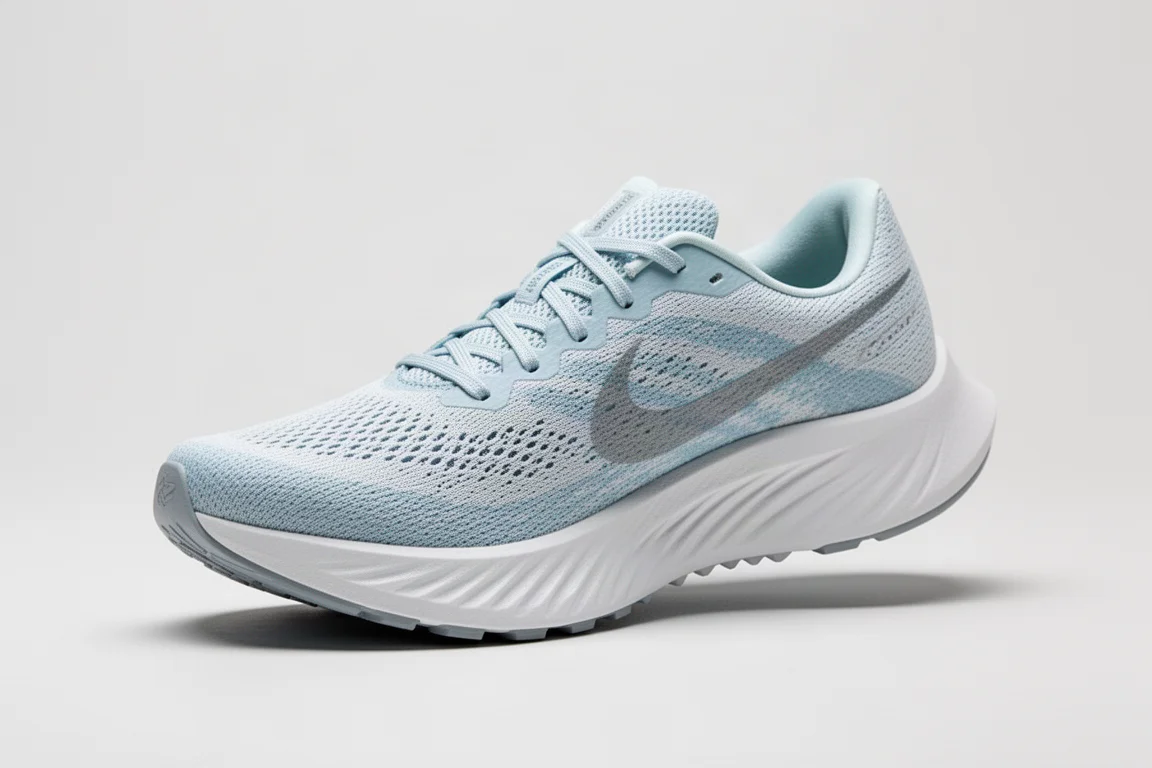
The Edge Tokyo gets similar weight savings and a slightly higher claimed energy return improvement at 21.4%. The bigger story is how differently it is now built. The Edge concentrates the new Flight Foam Leap in the forefoot section on top of the plate, with Flight Foam Turbo underneath, pointing the shoe toward a mid-to-forefoot landing with a more responsive heel.
The two models now look and feel clearly distinct, which should end the confusion about which one to choose. Where the Sky suits stride runners who increase stride length as they speed up, the Edge is aimed at quicker step turnover.
How the Foam Stacks Differ
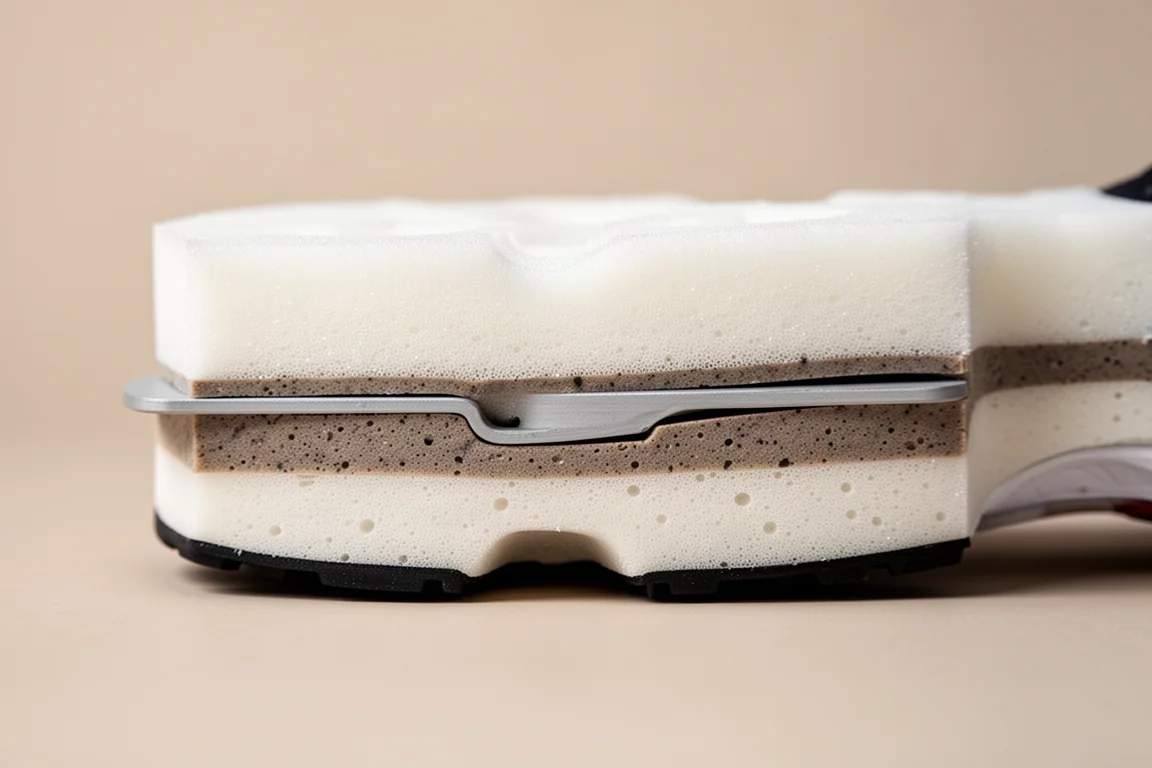
Both shoes use a 5 mm drop and keep the 40 mm stack. The Sky Tokyo puts a thinner layer of Flight Foam Turbo Plus on top of the plate with a large volume of the new Flight Foam Leap underneath. The Edge flips that logic, focusing Flight Foam Leap in the forefoot above the plate with Flight Foam Turbo below.
The result is a mixture of responsive and very soft foams, an approach similar to what ASICS did with the Super Blast. Visually, the foam placement is now much easier to see, making the Sky-versus-Edge decision more straightforward than before.
Who Should Pick the Edge
If your running form relies on fast, frequent steps and a mid-to-forefoot landing, the Edge Tokyo’s forefoot-focused foam stack is built for exactly that. The thinner, more responsive heel section rewards runners who spend little time on their heels.
Runners who lengthen their stride as pace increases will likely find the Sky Tokyo’s under-plate Leap mass and softer, more stable ride the better match.
Meta Speed Ray
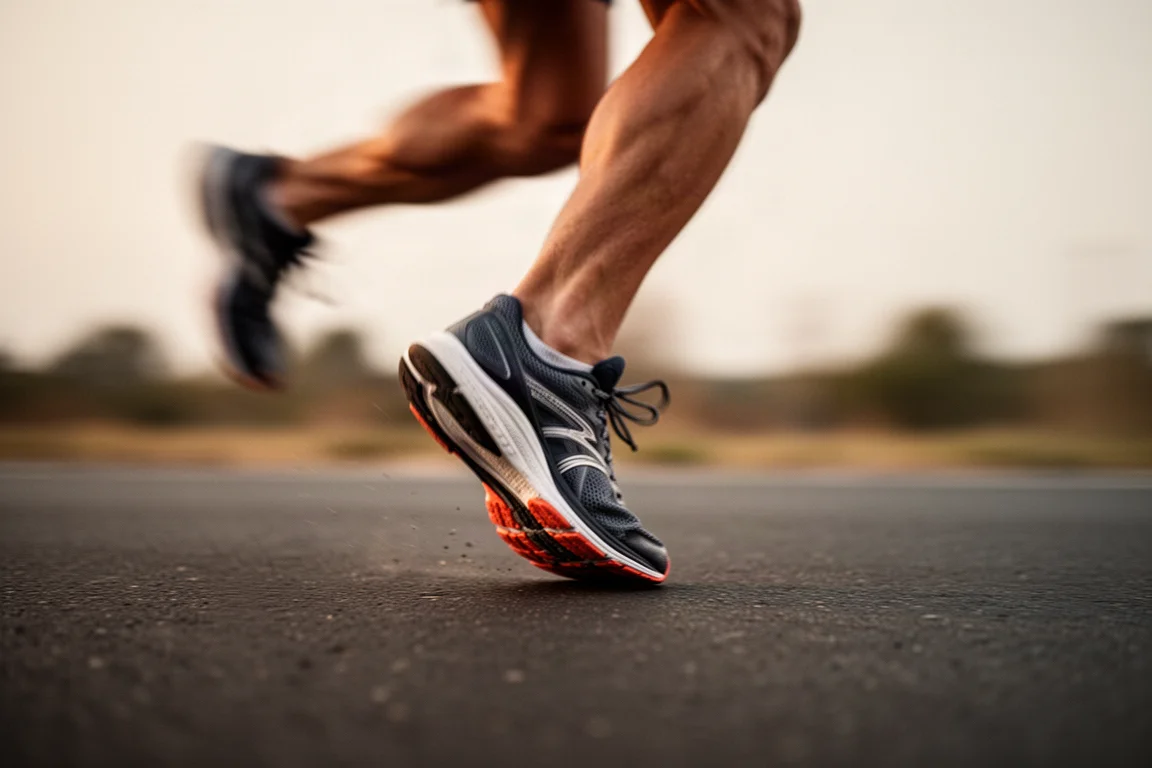
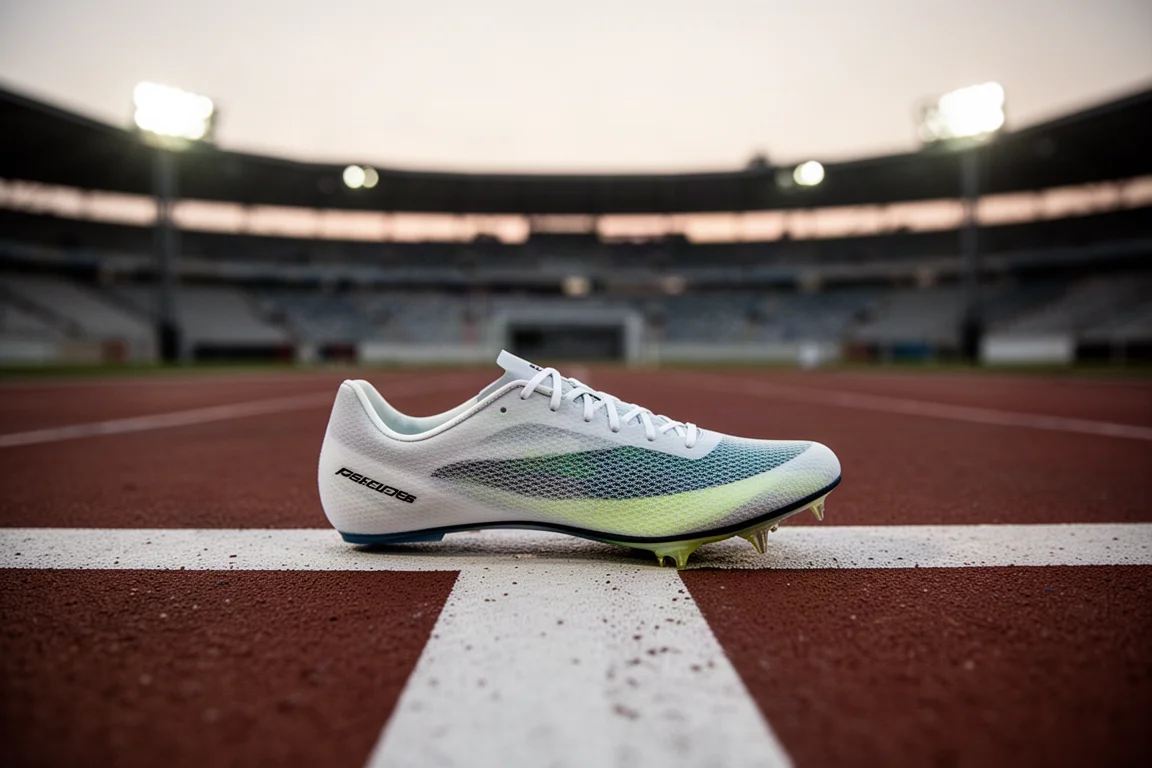
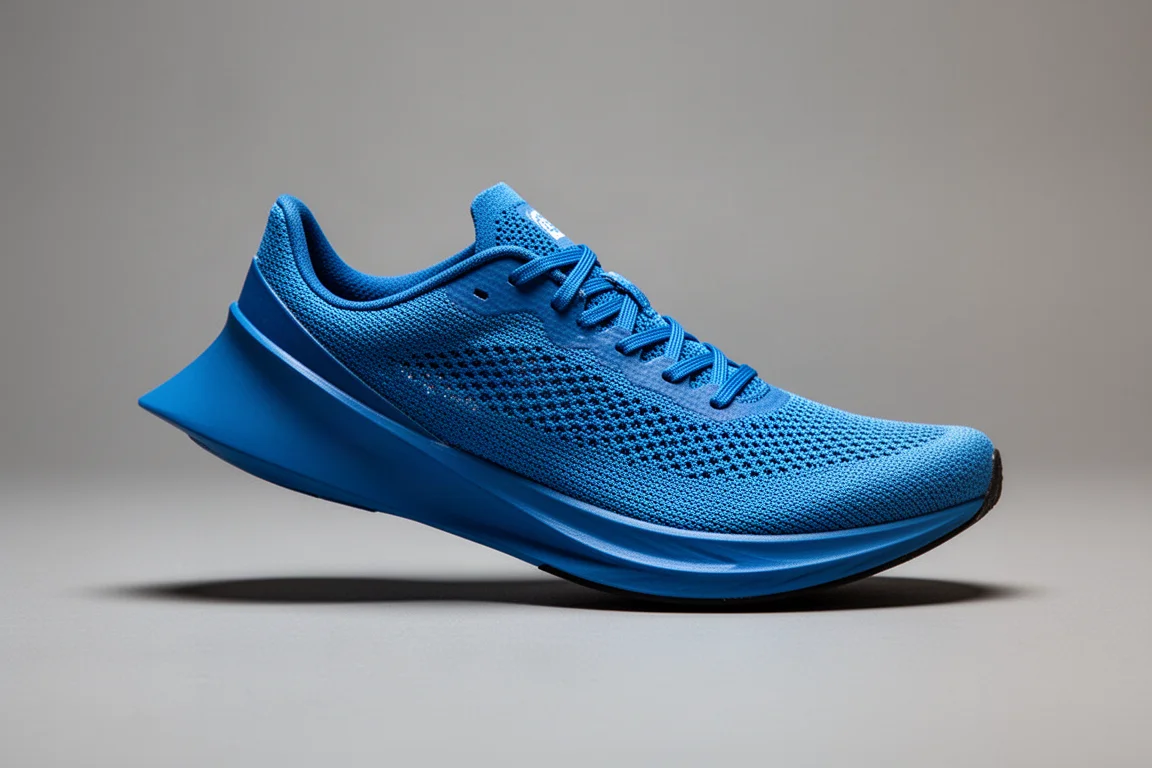
The Ray is a different beast altogether. At a claimed 129 g for the sample size, it sits well below 200 g and even under the roughly 138 g Adizero Pro Evo class of shoe, which is staggering. To save weight, it uses only a partial, thinner carbon plate for stability and rigidity, a single foam unit that minimizes glue, and a different upper material with no printing, even on the insole.
The foam is described as incredibly soft, though the shoe is clearly aimed at speed and pace with a mid-to-forefoot landing. Landing directly on the heel does not appear to be the intent here. ASICS has also noted, with some humor, that this shoe lasts more than one marathon.
Pricing is notable: listed at £265, about £25 above the Sky and Edge Tokyo and reportedly cheaper than the AlphaFly in Japan and likely in the UK too.
Pricing and Availability
ASICS lists the Sky and Edge Tokyo at £240 on its UK site, a small increase of about £20 over the current versions. That brings them in line with the Vaporfly 4, slightly above the Adizero Pro 4, and still below the Puma Fast-R 3.
The Ray’s £265 price keeps it well under the Pro Evo, a shoe that has been listed at £450 and widely seen as out of reach for most runners. Availability is listed as coming soon.
Conclusion
The Tokyo lineup makes the ASICS racing range easier to navigate. The Sky Tokyo is the safe bet for stride runners who want the Sky Paris formula with less weight and more energy return. The Edge Tokyo now has a clearly defined identity for cadence-focused, forefoot-striking runners. And the Ray is the ambitious outlier: ultra-light, pace-oriented, and priced far more accessibly than its direct rival. If the new Flight Foam Leap compound delivers the responsiveness of the current shoes alongside the promised weight savings, this is a very strong update across the board.
Further reading
Related Reviews

Running Shoes
Best Road-to-Trail Running Shoes: Three Versatile Options for Mixed Terrain
A practical guide to three road-to-trail running shoes that handle both pavement and mild trails, with clear strengths and trade-offs for different runner types.

Running Shoes
Best Running Shoes for Achilles Tendonitis: Three Options Explained
Three running shoes with different heel drops and support features designed to help reduce Achilles tendon pain during walking and running.

Running Shoes
Best Running Shoes for Women: Five Top Choices Ranked
A ranked guide to five women's running shoes, from versatile daily trainers to high-performance racing options, with real strengths and trade-offs for each.