Running Shoes
Asics Meta Speed Edge Review: A Lightweight Carbon Racer Built for Quick Turnover
The Asics Meta Speed Edge pairs a carbon plate with Flyfoam Blast Turbo foam in a 6.1 oz racing shoe, but heel hot spots and a steep price give some buyers pause.
Introduction
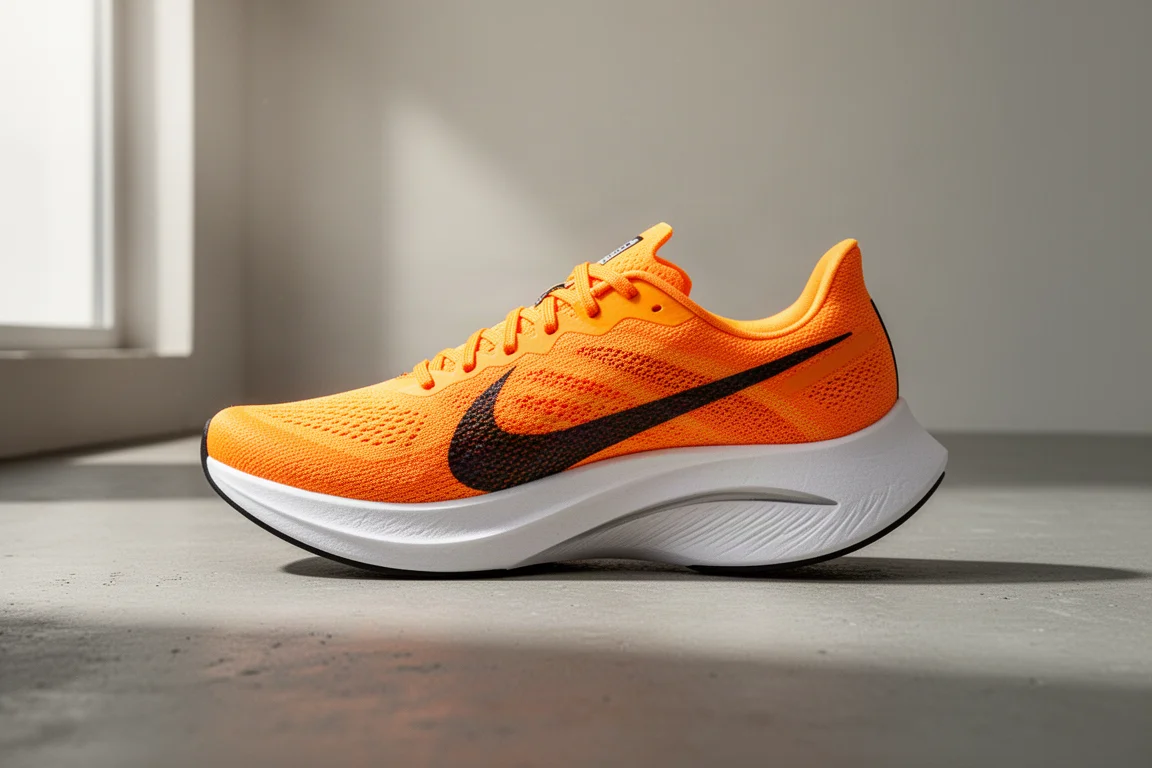
The Asics Meta Speed Edge is a carbon-plated racing shoe that leans heavily on two things: an impressively low weight and a nitrogen-infused super foam. After 50 miles of road testing, it earned a 7.4 out of 10 overall score. It is a good shoe with a lot going for it, but a few trade-offs keep it out of great-shoe territory.
Who This Shoe Is For
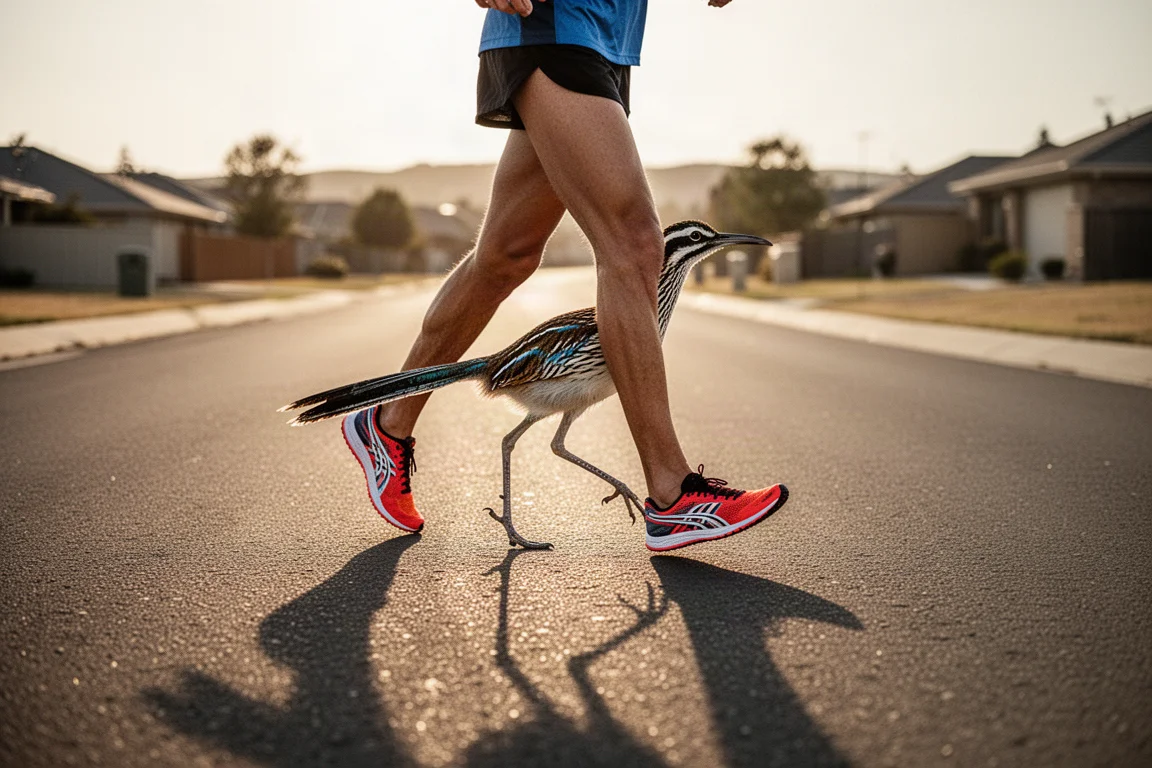
Asics positions the Meta Speed Edge for cadence runners, meaning runners with a quicker turnover whose feet move through the gait cycle rapidly, in a quick pitter-patter rhythm. That is the opposite of the Asics Meta Speed Sky, which targets stride runners with a longer, more loping gait and a higher stack height built around the full marathon distance.
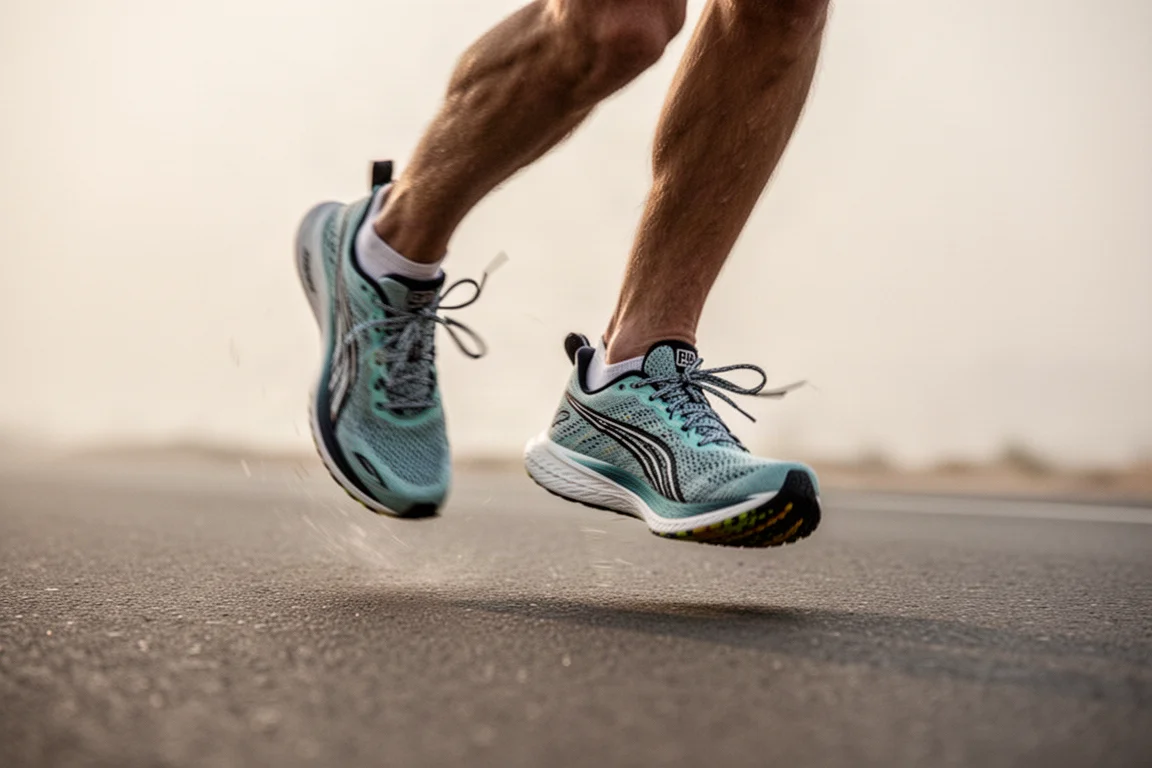
If your natural stride is short and quick, this shoe lines up well with how you run.
Weight and Key Specs
The headline number is the weight: 6.1 oz in men’s size 9, which puts it on par with the original Nike Vaporfly Next%. The stack sits at 34 mm in the heel and 26 mm in the forefoot for an 8 mm drop, a high stack height for a racing shoe this light.
Upper and Fit
The upper uses a 100% recycled polyester engineered mesh, which is remarkable given how good it performs. Breathability is very high and lockdown is decent. Fit is true to size with no length or width issues.
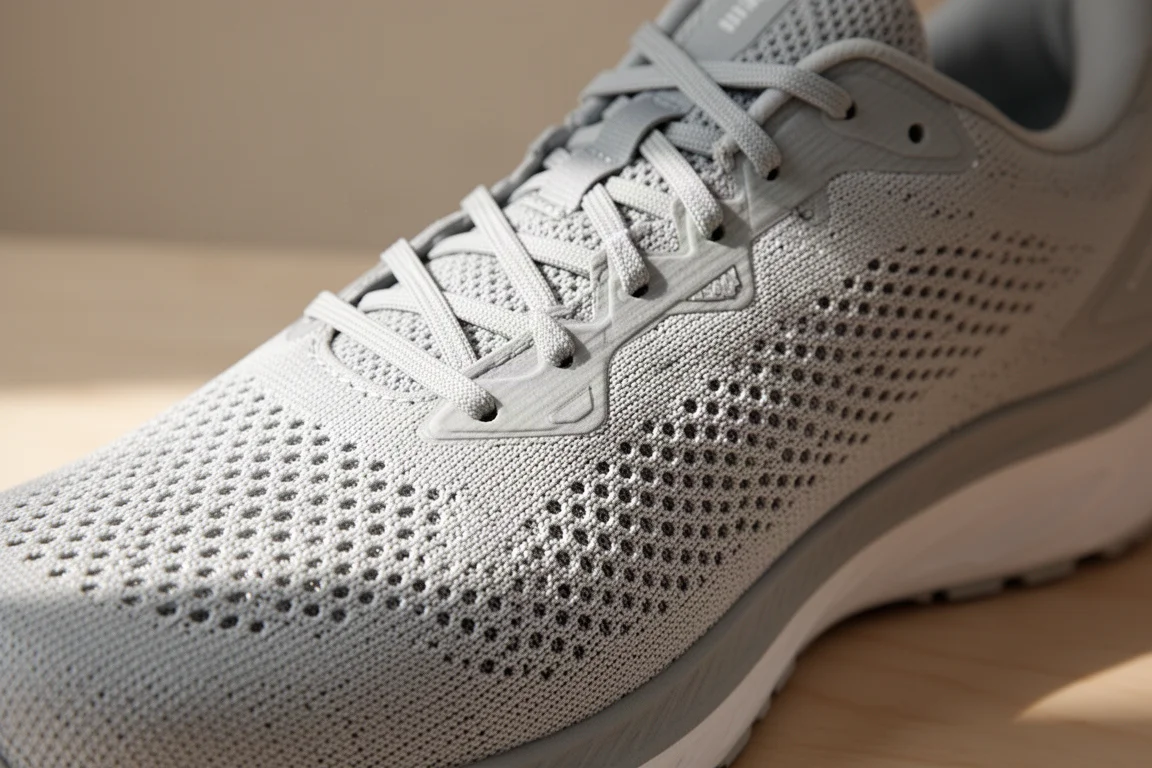
Two caveats: the tongue is paper thin, and the heel counter flexes quite a bit. That softer heel structure may be why testers reported heel hot spots at the back of the achilles tendon on longer runs. It was not horrible, but it was not amazing either, and Band-Aids were needed on some outings.
Midsole and Ride
The midsole is Flyfoam Blast Turbo, a nylon-based foam described as one of the lightest and bounciest midsole foams Asics has ever made. Paired with a carbon fiber plate, the ride and energy return scored 7.5 out of 10. It was good, but it did not jump out as incredible, and the Meta Speed Sky reportedly edged it slightly in the same category at 7.75.
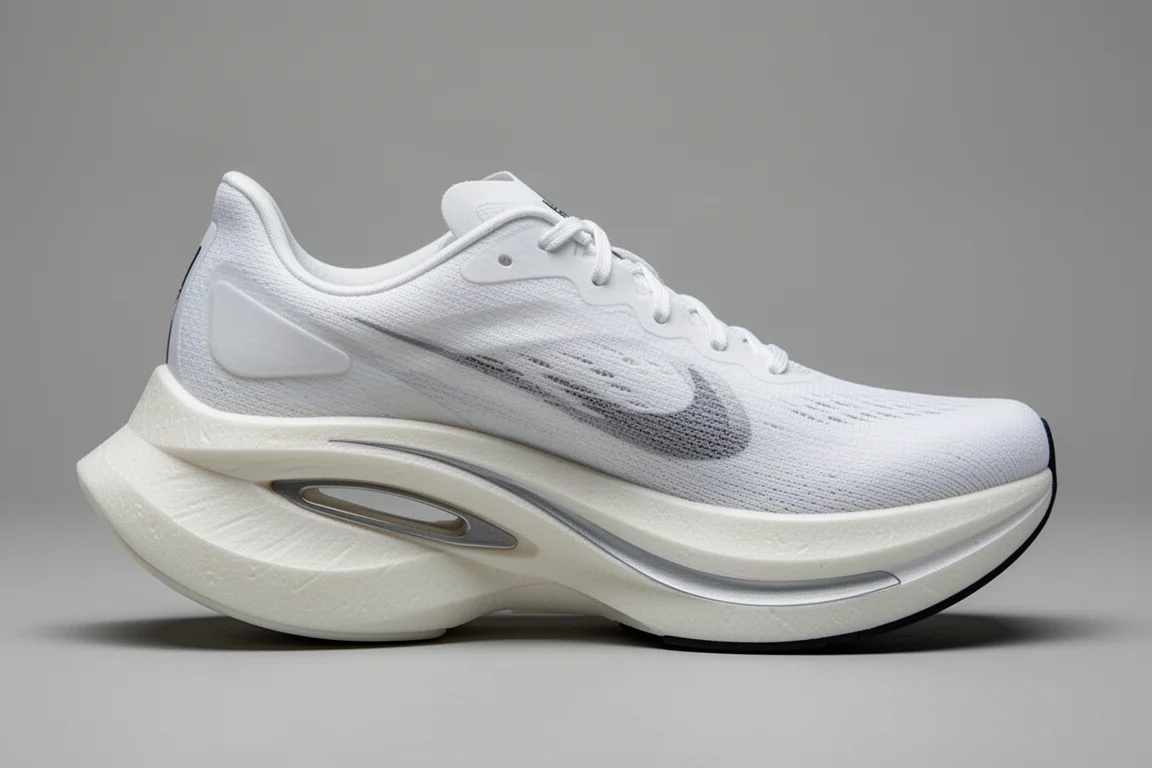
The outsole scored 8 out of 10, with solid Asics grip. Durability is predicted at around 250 miles.
Things to Consider Before Buying
Price is the sticking point. At $250, the Meta Speed Edge costs as much as the higher-stacked Meta Speed Sky, which feels hard to justify for a shoe with less stack. A $200 to $225 price would make more sense.
The other consideration is distance. On 22-mile long runs, by mile 18 legs were yearning for a bit more midsole stack. This is not a marathon shoe for most runners; it fits better as a half marathon or possibly 10K road racing shoe.
Buying Advice
If you want a lighter, slightly lower-stacked racer, alternatives worth a look include the Skechers Speed Elite Hyper, the Hoka Rocket X, and the Saucony Endorphin Speed 2. The Endorphin Speed 2 in particular has such strong energy return that some runners might even prefer it over this.
For cadence-driven runners who want a sub-6.5 oz carbon racer for half marathon distances and can accept the heel counter quirks, the Meta Speed Edge is a reasonable pick. For everyone else, compare carefully before spending $250.
Conclusion
The Asics Meta Speed Edge delivers an outstanding 6.1 oz weight, great breathability from recycled mesh, reliable outsole grip, and true-to-size fit. The drawbacks are heel hot spots, a thin tongue, a soft heel counter, and a price that undersells its lower stack height compared to the Meta Speed Sky. It is a good step in the right direction, best suited to quick-turnover runners targeting shorter road races.
Product link
View more details for Asics Meta Speed Edge
This product is mentioned in the review. Check the specifications, options, and compatibility before buying.
View more details for Asics Meta Speed EdgeFurther reading
Related Reviews

Running Shoes
Best Road-to-Trail Running Shoes: Three Versatile Options for Mixed Terrain
A practical guide to three road-to-trail running shoes that handle both pavement and mild trails, with clear strengths and trade-offs for different runner types.

Running Shoes
Best Running Shoes for Achilles Tendonitis: Three Options Explained
Three running shoes with different heel drops and support features designed to help reduce Achilles tendon pain during walking and running.

Running Shoes
Best Running Shoes for Women: Five Top Choices Ranked
A ranked guide to five women's running shoes, from versatile daily trainers to high-performance racing options, with real strengths and trade-offs for each.