Trail Running Shoes
ASICS Meta Fuji Trail 2 Review: A Lighter, More Versatile Trail Racer
The ASICS Meta Fuji Trail 2 trades some comfort for speed, pairing a slim performance fit with a carbon-plated super foam ride. Here's where it shines and where it struggles.
Introduction
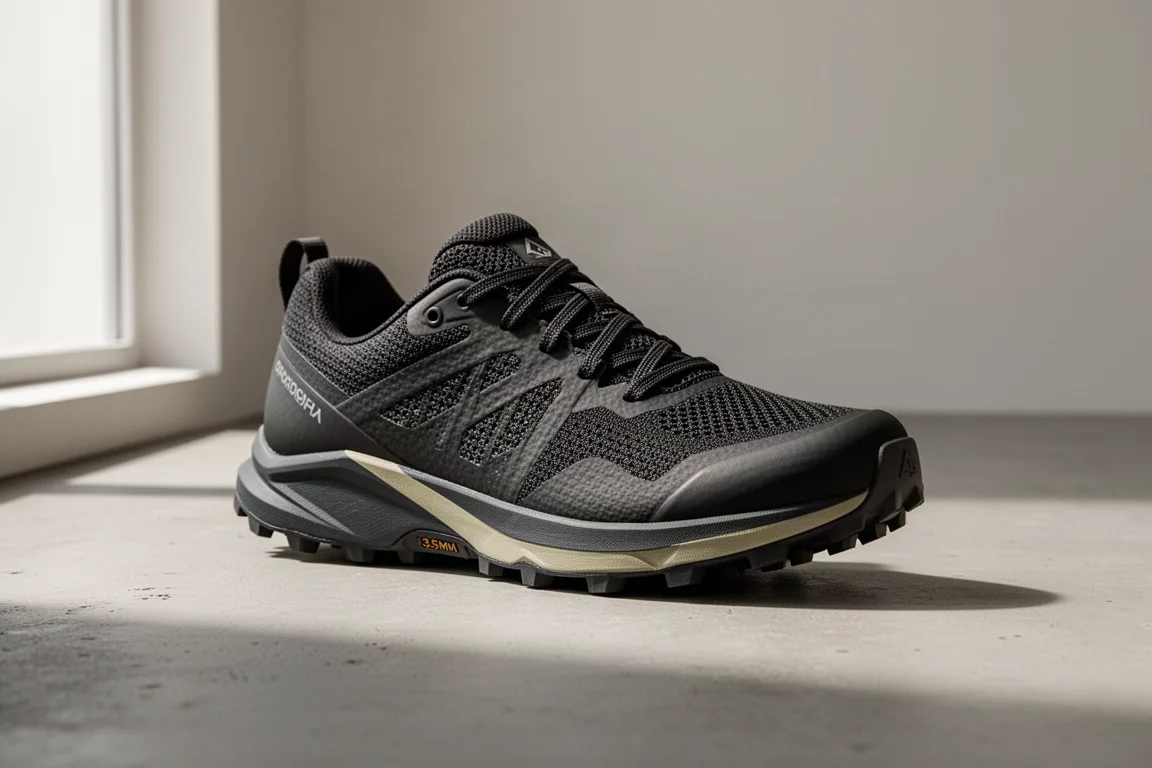
The first ASICS Meta Fuji Trail was a shoe with a very specific personality: fun, fast, and strictly for smooth, non-technical terrain. The Meta Fuji Trail 2 keeps that racing DNA but makes a genuine attempt to broaden its range. It feels lighter, more nimble, and noticeably more trail ready straight out of the box, even though the materials list on paper looks similar to the original.
After logging serious miles in it, the verdict is that ASICS has delivered a much better update than the raw spec sheet suggests. It is a lightweight, snappy, carbon-plated trail racer with a slim performance fit, and it earns high marks for quality and speed. Its ceiling, however, still sits somewhere around moderately technical trails, and that narrow sweet spot defines everything about this shoe.

Who This Product Is For
This is a race day and fast-day shoe for runners whose routes lean toward smooth to moderately technical trails. Think light road-to-trail transitions, gravel roads, rolling single track, and courses where you can simply run rather than pick your way over obstacles. It suits athletes who prioritize weight, energy return, and a secure, close-to-the-foot fit over plush long-distance comfort.
If your regular trails involve sustained side-to-side movement, rock hopping, or soft ground, this probably is not the right tool. Runners with wider feet or those planning double-digit-hour ultras should also read the fit section carefully before committing.
Upper, Fit, and Comfort
The Motion Warp upper returns, but in a much lighter execution than before. It is a technical engineered mesh that breathes well, holds up to trail use, and maps to the foot extremely well. The headline change is a new knit collar design that fully integrates the tongue and collar into one piece, laying nicely across the top of the foot with just enough padding to work with the quick lace system.
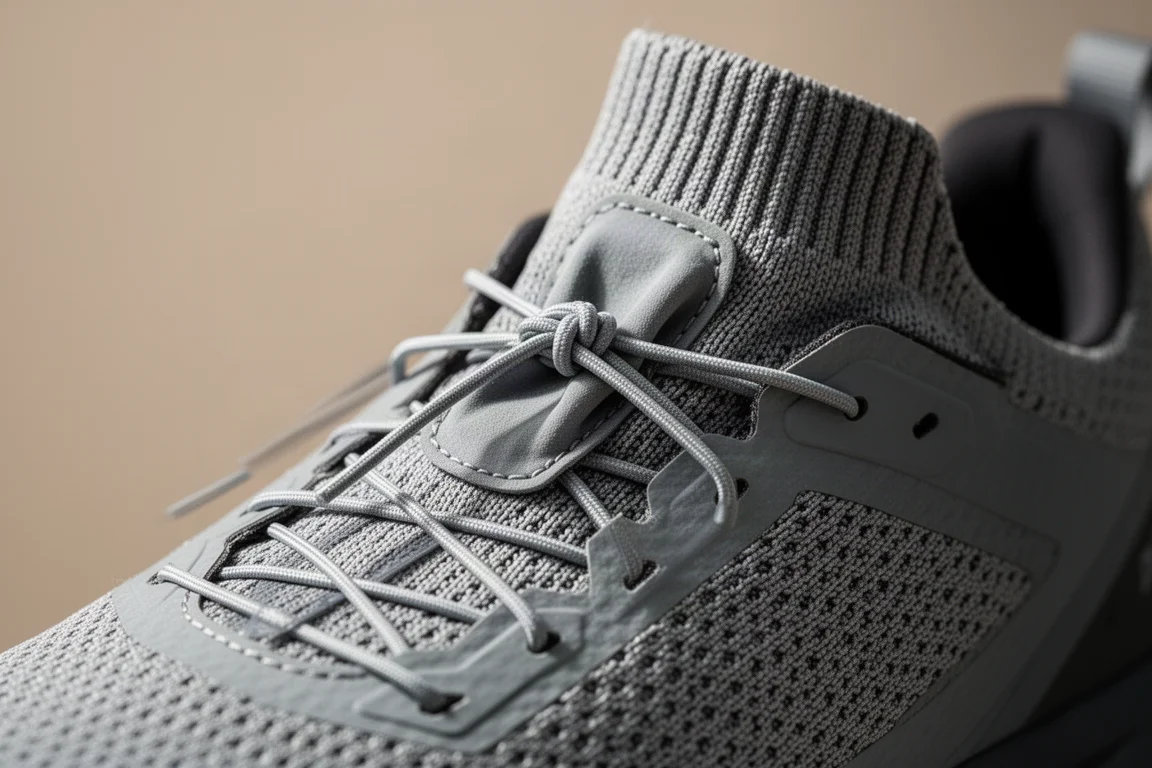
Those quick laces deserve special mention. Instead of the typical stiff Kevlar-style or plasticky lace, ASICS uses a much softer cord. That single material choice eliminates lace bite when cinching down through the midfoot and up toward the collar, and every tester agreed it was a smart, well-executed system.
The heel is equally well considered, with solid padding and just enough structure to lock the foot into the pocket for a secure, confident ride. The trade-off is width. This is a genuinely slim, race-day fit. The forefoot splays out slightly but is not truly accommodating, and testers noted the toe box is oddly tapered rather than outright tight. That shape is fine for short and medium efforts but becomes a real consideration at ultra distances, where the fit may limit how far most people want to go in this shoe.
Ride, Foam, and Carbon Plate
Underfoot, this is a max-stack racer: 41.5mm in the heel and 36.5mm in the forefoot. With such a lightweight upper, that much material below could easily create imbalance, but the package feels surprisingly balanced, snappy, and airy.
The midsole stacks two foams. On top sits FF Leap, ASICS’ super foam used in its road super shoes, delivering a lighter, softer, more energetic feel. Below it, a reddish FF Blast Plus layer acts as a stabilizer, extending up into the midfoot to add support even though the outsole is quite slim for a shoe this tall. Sandwiched between the foams is an X-shaped carbon plate that remains very rigid.
That rigidity cuts both ways. On smooth, flatter terrain and runnable uphills, the plate makes the shoe extremely efficient, propulsive off the toe, and genuinely fun, with an aggressive forefoot rocker. On moderate to technical ground, though, the plate tends to steer you wherever your toe is pointed, which undermined confidence on downhill and uneven sections. The shoe was more stable than its slim outsole suggests, but the plate remains the main trade-off in this design.
Traction and Outsole
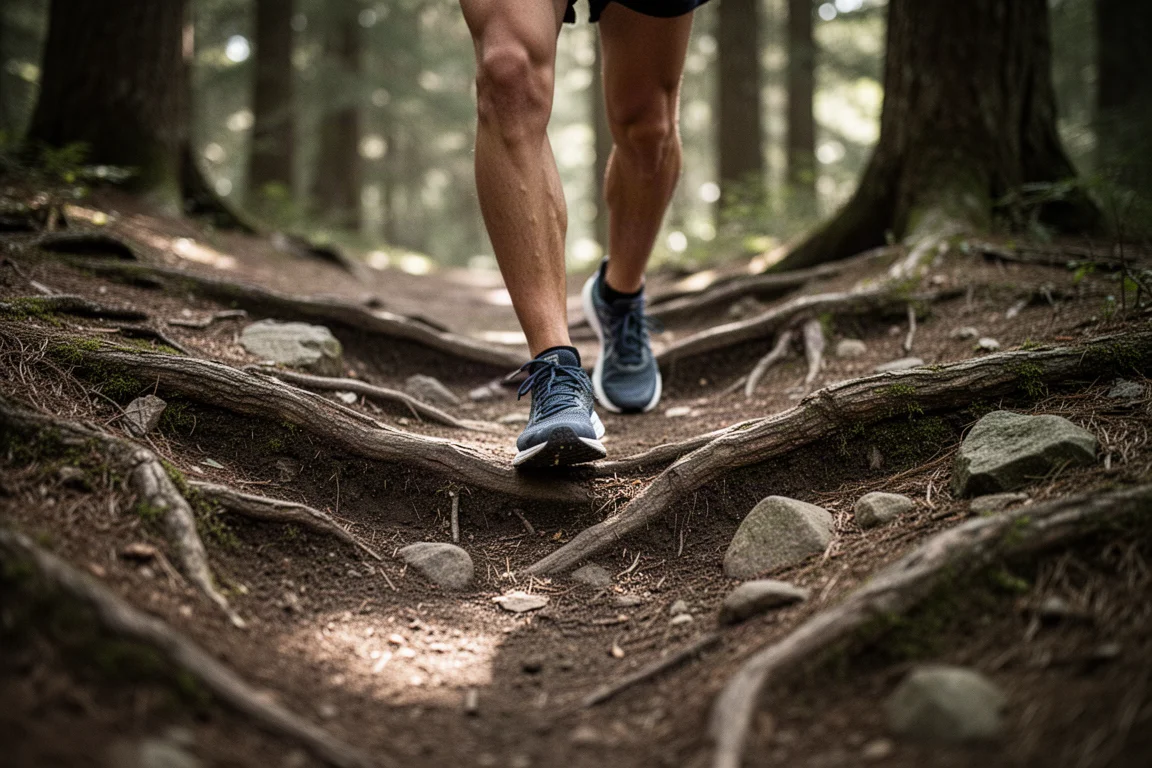
The outsole uses 3.5mm lugs, slightly shallower than the 4mm trail standard but not shallow enough to be road-only. The lug pattern itself is what makes this shoe versatile. It felt genuinely good on smooth trail, gravel, light trail, rock, and mostly dry terrain, and it even crossed pavement comfortably.
Where it falls short is soft ground. In mud or on spongy forest floor, the lugs do not dig in enough to inspire confidence. That matches the shoe’s overall character: built to be lighter and faster, with grip optimized for firm, runnable surfaces rather than sloppy conditions.

Things to Consider Before Buying
- The fit is slim. Performance-oriented and secure, yes, but runners with wider feet or those who want toe splay for all-day efforts should look elsewhere or size thoughtfully.
- The carbon plate demands runnable terrain. On anything requiring careful foot placement, the rigid plate can redirect your stride in unhelpful directions.
- Price sits above the race-day average. At $280, it runs above the typical $250 to $275 range for shoes with these components, so the value depends on how much of your running falls inside its sweet spot.
- Soft-ground grip is a weak point. Muddy or spongy trails are simply not what this shoe was built for.
Buying Advice
Among trail racers, the Meta Fuji Trail 2 occupies a distinctive, almost old-school position where lightweight design and a secure fit matter more than anything else. It compares more closely to the Salomon Pulsar Trail 2 and the S-Lab Pulsar 4 in fit and ride than to the Hoka Tecton X 4 or Brooks Cascadia Elite, with the Merrell Speed Arc Peak and Arc’teryx Sylan 2 also lining up reasonably well. It should not be confused with the more technically capable La Sportiva Prodigio Pro, which handles rough terrain far better.
Our scoring reflects the split personality. Design earns an A for an excellent update: more versatile, lighter, snappier, and more confidence-inspiring than the original, with quality materials throughout. Performance earns a B because the usable window, from very smooth to approaching moderately technical trail, is still fairly narrow. Value earns a B at $280, justified by build quality and fun factor but limited by the terrain range. Overall, it lands at a B: a great, fast, beautifully made shoe that only shines on a specific type of trail.
Conclusion
The ASICS Meta Fuji Trail 2 is exactly what a trail racer update should be: lighter, nimbler, and far more versatile than its predecessor, without losing the snappy, energetic ride that made the original exciting. It is an outstanding pick for 50K-style racing on low to moderate technical trails, and it can stretch further underfoot, though the slim fit may cap ultra ambitions. If your race courses are runnable and your feet like a close, secure fit, this is one of the more fun and efficient options available. If you spend your days on rock gardens and mud, keep looking.
Product link
View more details for ASICS Meta Fuji Trail 2
This product is mentioned in the review. Check the specifications, options, and compatibility before buying.
View more details for ASICS Meta Fuji Trail 2Further reading
Related Reviews
Trail Running Shoes
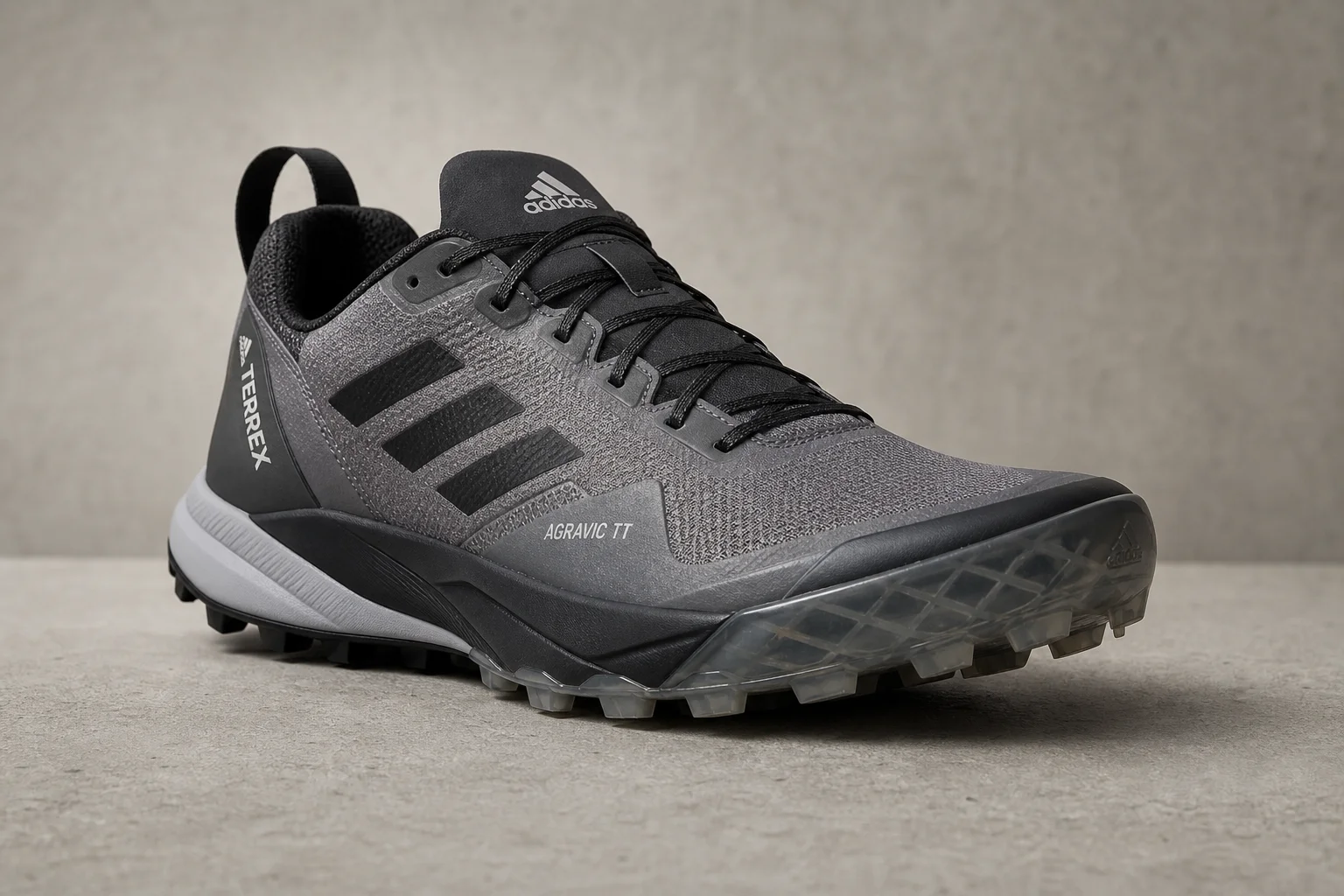
Adidas Terrex Agravic TT Review: A Technical Trail Shoe Built for Rocky Terrain
The Adidas Terrex Agravic TT combines a full-coverage rock plate with a firmer midsole to deliver protection and stability on technical, rocky trails. A capable choice for runners who prioritize underfoot defense over lightweight cushioning.
Trail Running Shoes
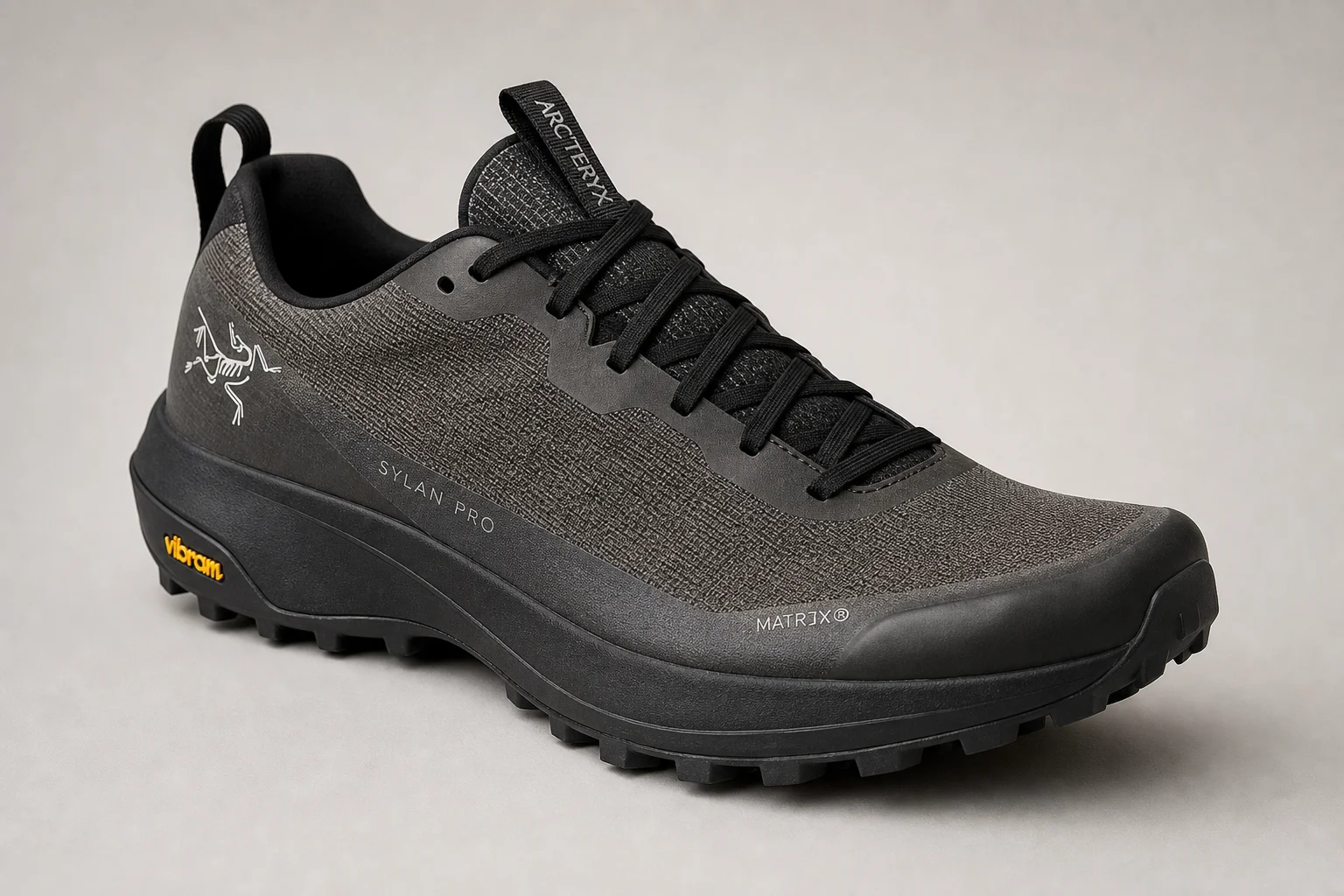
Arc'teryx Sylan Pro Review: A Rocker-Focused Mountain Running Shoe Tested on 20 Miles
The Arc'teryx Sylan Pro brings a pronounced rocker geometry and secure fit to mountain terrain. We tested it on a 20-mile Sawtooth loop to evaluate its climbing efficiency, protection, and handling of technical descents.
Trail Running Shoes
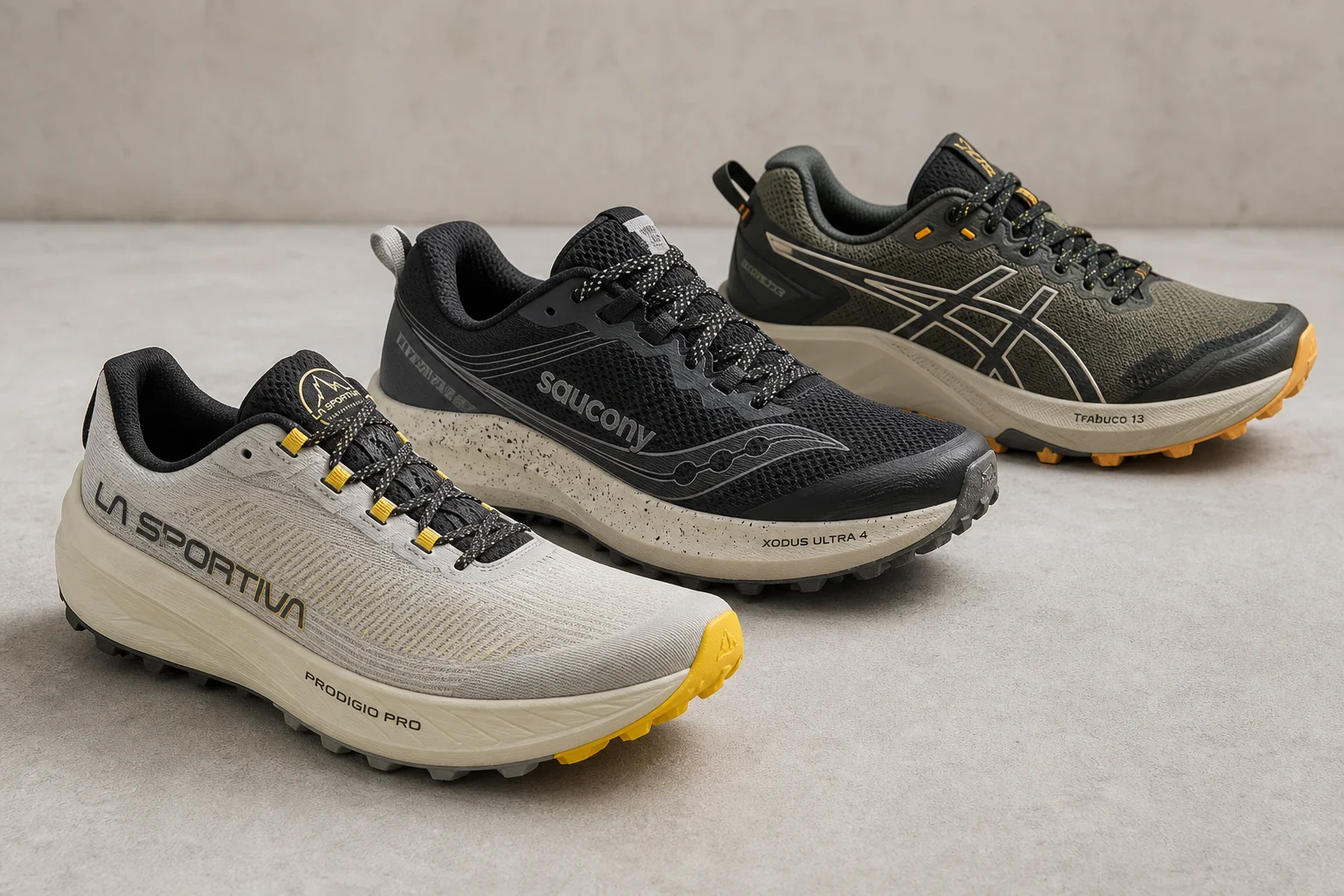
Best All-Mountain Trail Running Shoes: Three Versatile Options for Any Trail
A focused roundup of three all-mountain trail running shoes that handle technical terrain, long distances, and variable conditions with real strengths and practical trade-offs.