Running Shoes
ASICS MegaBlast vs SuperBlast 2: Two Trainers, Two Very Different Rides
The MegaBlast and SuperBlast 2 look similar on paper, but the ride, fit, and stability tell a different story. Here is how the two newest Blast trainers compare.
Introduction
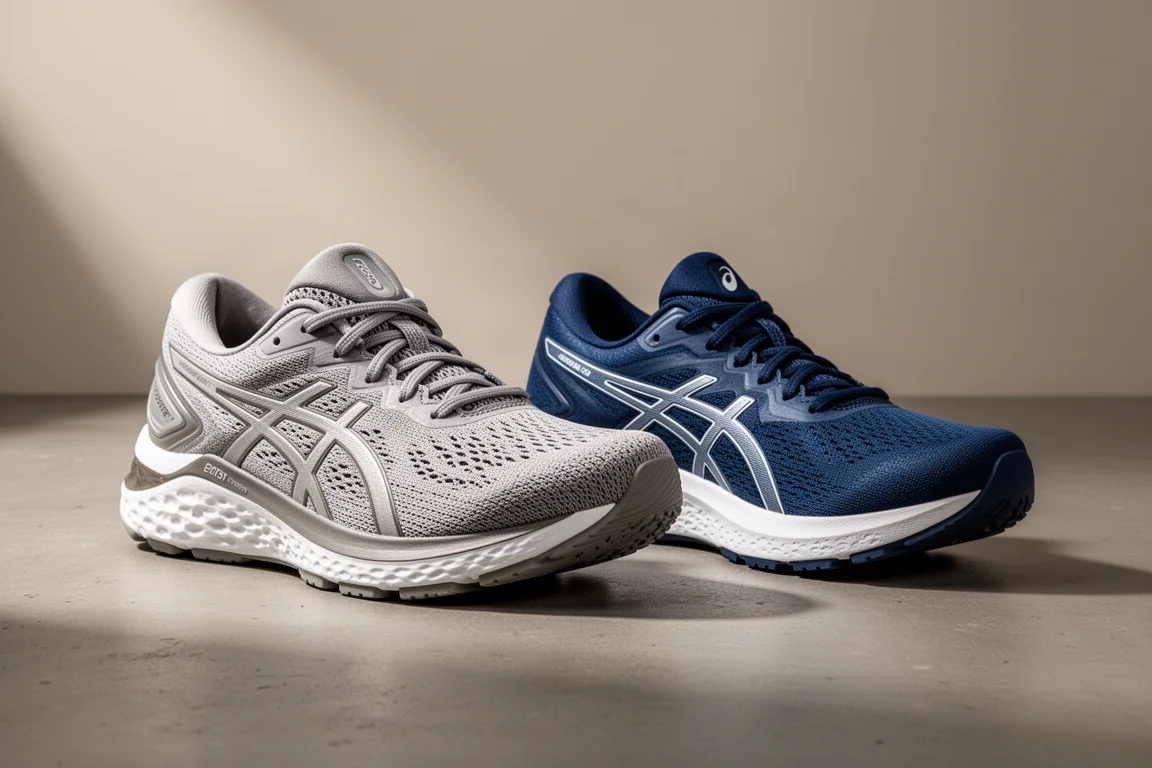
Within ASICS’ Blast family, the MegaBlast and the SuperBlast 2 are the two models that sit closest to each other, and that closeness raises an obvious question: do you actually need to choose between them, or are they different enough to justify existing side by side? The short answer from time in both shoes is that they are different, and in ways that matter for how you run.
ASICS reportedly tested a version of the SuperBlast shaped around a new midsole compound, and the tester feedback was that it simply did not feel like a SuperBlast anymore. That insight became the MegaBlast, positioned as a fourth, more performance-oriented entry in the lineup. It is priced at $225, a $25 premium over the $200 SuperBlast 2, and that price gap frames much of the comparison below.
Specs: Close on Paper, Different in Hand
The stack and drop are identical: 45mm in the heel, 37mm in the forefoot, for an 8mm drop in both shoes. On foot, neither feels remarkably higher or lower than the other; both sit comfortably in that six to eight millimeter feel once the rocker gets you rolling.
Weight is where they separate. In a men’s size 9, the SuperBlast 2 measures 8.7 oz (249g), while the MegaBlast comes in at 7.9 oz (229g). That roughly one-ounce difference is noticeable the moment you try to pick up the pace and turn the legs over faster.

Ride and Midsole: The Core Difference
The midsole construction is what makes these shoes feel so different. The SuperBlast 2 uses FF Turbo Plus on the top sole with a small but important firmer bottom layer of FF Max Plus. The MegaBlast runs its entire stack on the newer FF Turbo Squared compound, tuned more for training than a pure race foam.
The MegaBlast is extremely poppy, responsive, and bouncy. You load the foam and it visibly bounces back with you, rolling quickly onto a moderate rocker that never feels like it is pitching you forward. The SuperBlast 2 is also responsive, but its pop feels more controlled, partly thanks to that firmer bottom layer.
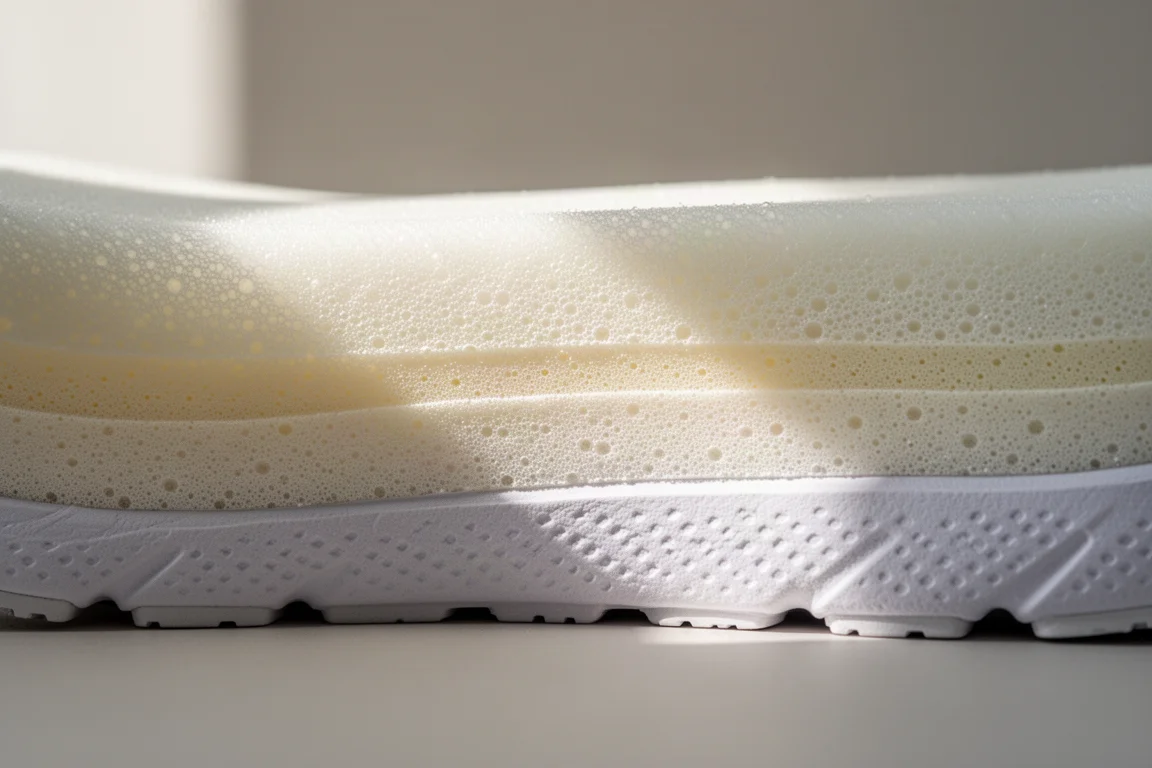
That firmer base also gives the SuperBlast 2 more torsional rigidity, creating a noticeably more stable platform. The MegaBlast rides livelier but a little wilder.
Stability: Where the SuperBlast 2 Pulls Ahead
The SuperBlast 2 earns its stable-neutral label honestly: a wide base, a full-length dual-density midsole that adds rigidity, and more aggressive sidewalls. If you need even a hint of stability, it is the clear choice of the two.
The MegaBlast is a true high-stack neutral trainer. The sidewalls are less aggressive, there is no dual-density midsole, and the more compliant foam leaves more room for the foot to wobble. Runners who crave a planted feel should lean SuperBlast; those who want a freer, springier ride should lean MegaBlast.
Fit and Upper
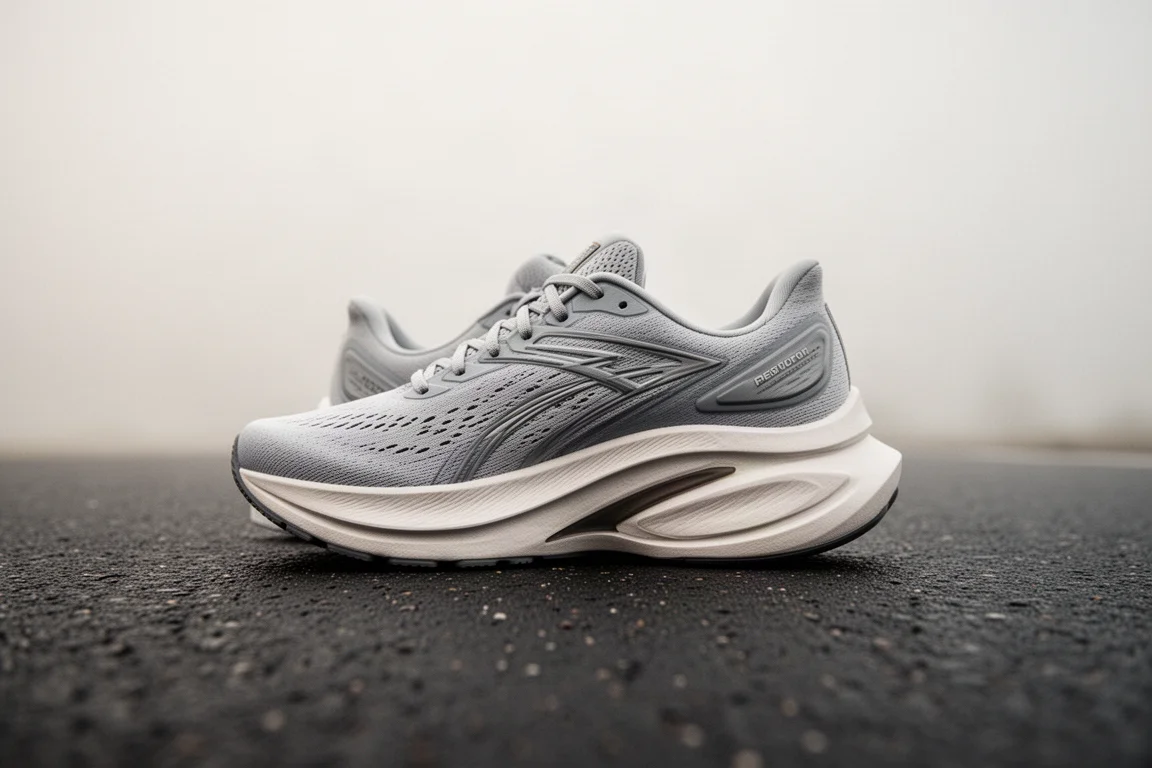
The SuperBlast 2’s upper is more trainer-like: a mesh material with some stretch, generous volume in the forefoot, and more padding through the tongue and heel. The MegaBlast has a thinner, race-ready upper with little to no tongue padding, less heel padding, and a rigid, low-stretch synthetic that creates a lower-volume forefoot. Its taper can even make it feel slightly short.
If you always sit on the fence between two sizes, the MegaBlast may be worth a half size up, since there is very little accommodation in the upper. Otherwise, stick with your usual size. Both shoes use ASICS Grip outsoles with no grip issues reported; the MegaBlast’s traction has even been squeaky-grippy on boardwalks.
Durability and the Open Questions
The SuperBlast’s durability is proven, with testers logging well over 200 miles on foam and outsole alike, which strengthens its value case at $200. The MegaBlast’s FF Turbo Squared is the big unknown: whether that lively feel still holds at 200, 300, or 400 miles remains to be seen, and the next few hundred miles will tell the story.
The other question is the upcoming SuperBlast 3. With the full Blast family now defined, ASICS can differentiate each shoe more deliberately. The hope is that the SuperBlast keeps the versatility and pop that made it popular, along with the stable-neutral elements that make it accessible to runners with mild stability needs. The real comparison will come once all four shoes exist and were designed with each other in mind.
Buying Advice: Which One Belongs in Your Rotation
If you want a racer but not a super shoe, the MegaBlast is the pick. It can handle some training, but it earns its keep on harder, longer efforts and true races. At $225 it costs $25 more, so the value question comes down to how often you will use that extra level of performance.
The SuperBlast 2 at $200 remains the do-everything option. It has handled easy runs, short recovery jogs, long runs, workouts, and even slower-effort half marathons. For an everyday trainer with race-day flexibility, it is hard to beat, and its proven durability makes the price easier to swallow.
Conclusion
Two shoes with matching stack and drop turn out to be far from interchangeable. The MegaBlast brings a lighter, bouncier, race-adjacent ride for hard efforts; the SuperBlast 2 brings a stable, versatile, proven platform for everyday training. Choosing between them is less about which is better and more about which role in your rotation needs filling.
Product link
View more details for Asics Megablast
This product is mentioned in the review. Check the specifications, options, and compatibility before buying.
View more details for Asics MegablastFurther reading
Related Reviews

Running Shoes
Best Road-to-Trail Running Shoes: Three Versatile Options for Mixed Terrain
A practical guide to three road-to-trail running shoes that handle both pavement and mild trails, with clear strengths and trade-offs for different runner types.

Running Shoes
Best Running Shoes for Achilles Tendonitis: Three Options Explained
Three running shoes with different heel drops and support features designed to help reduce Achilles tendon pain during walking and running.

Running Shoes
Best Running Shoes for Women: Five Top Choices Ranked
A ranked guide to five women's running shoes, from versatile daily trainers to high-performance racing options, with real strengths and trade-offs for each.