Running Shoes
ASICS Megablast vs Brooks Hyperion Max 3: Two Super Trainers, Very Different Results
Both are max-cushion super trainers built for faster training, but testing reveals a clear gap in ride quality, versatility, and value.
Introduction
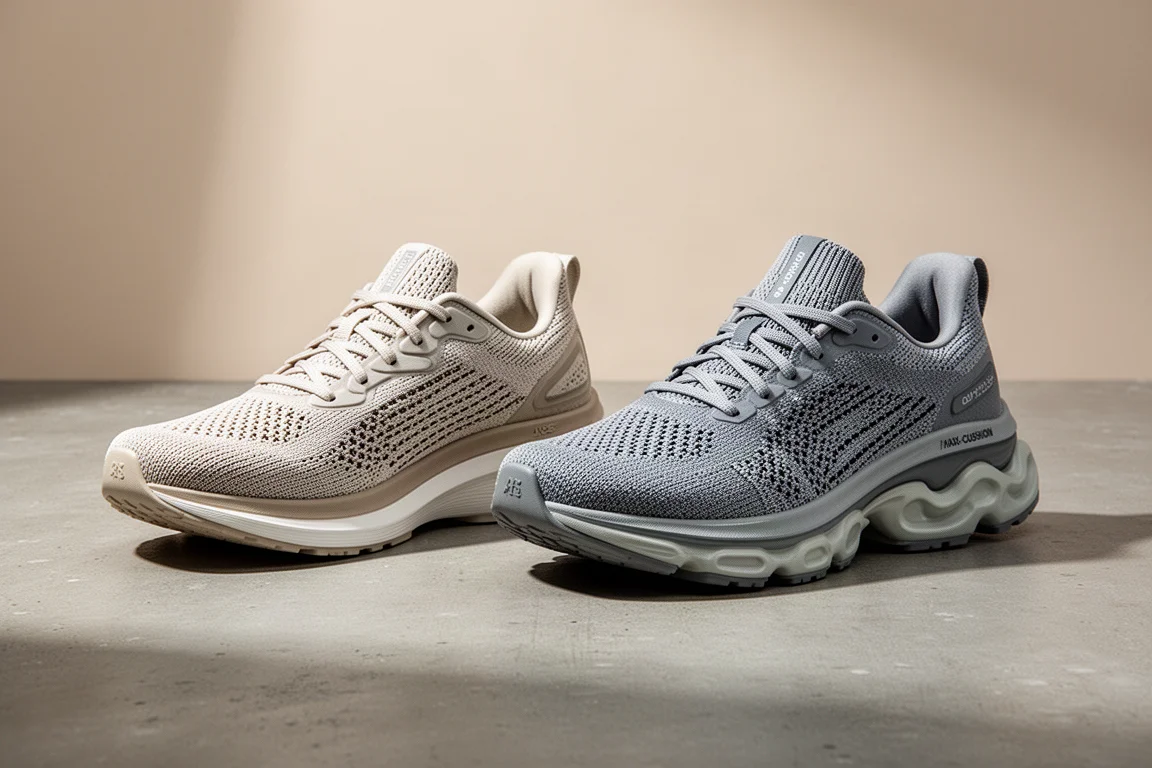
Super trainers occupy a specific slot in a running rotation: faster efforts, longer quality sessions, and steady paces where you don’t want to burn through a race shoe or slog through a daily trainer. Both shoes in this comparison were built for exactly that role, but testing shows they land in very different places.
The ASICS Megablast costs £210 or $225, weighs 225 g (7.9 oz) for men in a size 8, and has an 8 mm drop. The Brooks Hyperion Max 3 costs £170 or $200, weighs 288 g (10.2 oz) in the same size, and has a 6 mm drop. On paper the gap looks modest. On the road, it isn’t.
Key Specs at a Glance
The Megablast is the new super trainer in ASICS’ line, following the widely loved SuperBlast and Super Blast 2. It aims for more versatility than its older siblings, using an FF Turbo Squared midsole that balances a cushioned, smooth ride with high energy return. The ASICS grip outsole is built for traction and control, and the engineered woven upper is lightweight and breathable.
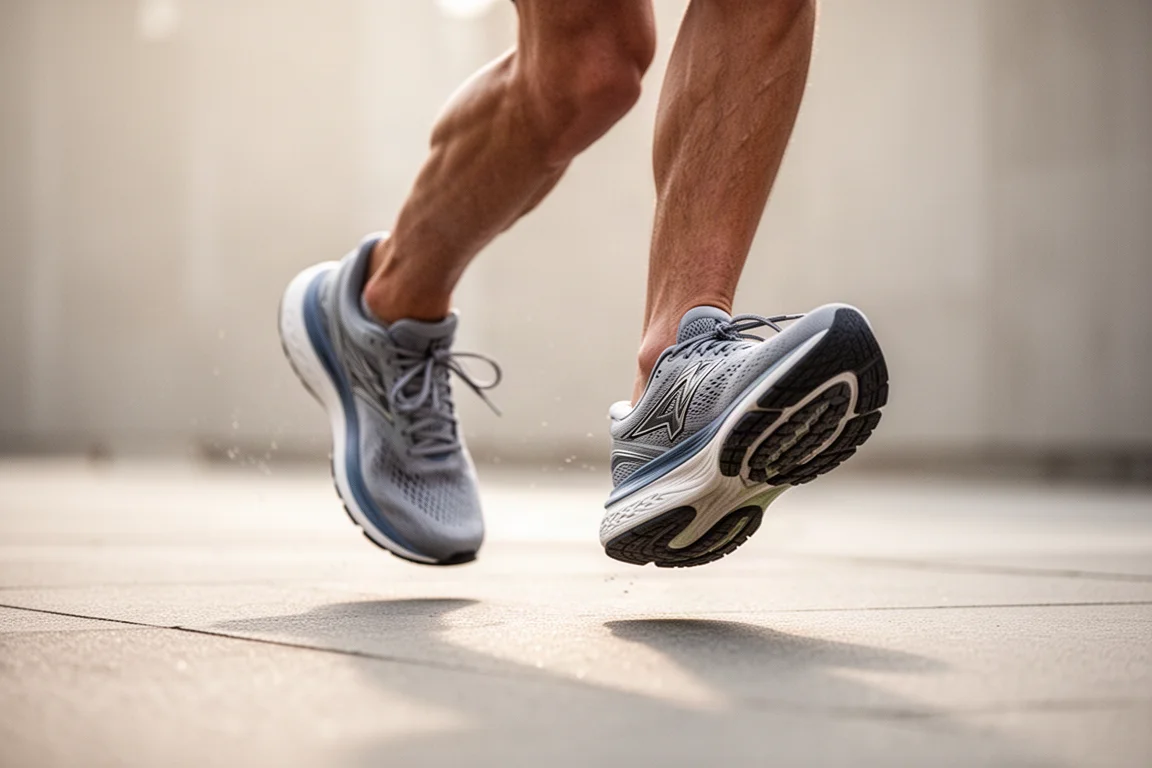
The Hyperion Max 3 received major upgrades this generation, most notably a new midsole build and a 10 mm increase in stack height over the previous version, making it a true max-stack shoe. It combines a top layer of energetic DNA Gold foam over responsive DNA Flash V2, with a speed Vold plate between them for stability and propulsion. The upper is a stretchy knit with an integrated tongue, and the outsole uses a modest layer of RoadTrack rubber.
Fit and Sizing
Both shoes fit true to size in regular ASICS and Brooks sizing, and both testers ran their normal size in each.
The Megablast has a light, airy, breathable upper that feels more racy than the Super Blast. The midfoot secures well with lace-lock style laces, and the padded heel collar gives good hold without being excessive. The one watch-out is the toe box: the taper on the outer side is quite dramatic, and early runs produced some little-toe rubbing that eased off as the upper softened. Runners with wide feet or those who like room to splay may want to consider half a size up.
The Hyperion Max 3 uses an integrated booty-style knit upper with a close, hugging, more racy fit than the roomier Max 2. There’s enough length and wiggle room across the toe box, and it was comfortable for test runs up to a couple of hours, but it’s less accommodating than its predecessor. It’s a snug setup, and some runners may find the upper a bit busy underfoot, though it performed fine even on long runs.
Ride and Performance
This is where the two shoes diverge sharply.
The Hyperion Max 3 is now a heavier, very high-cushion shoe that’s lively but nowhere near as direct or immediate in its return as the Max 2. It feels firm and slightly blocky underfoot, returning quickly rather than sinking, but it doesn’t throw you forward or transition quickly. Its clear strength is long efforts at a consistent pace: it’s comfortable, protective, and smooth for 30K marathon-training runs, and it handles a park run at around 5:30 mile pace. But it feels cumbersome for intervals and isn’t punchy or snappy like faster-tuned options such as the Saucony Endorphin Speed 5 or Hoka. It’s also noticeably heavier than the Megablast, though the weight isn’t the whole problem. The ponderous foam combination is.
The Megablast is a different class of shoe. Across more than 200 km of testing that included easy runs, recovery runs, hard tempo sessions, interval work, K reps, and a 4.5-hour solo marathon test, it handled everything. The FF Turbo Squared foam delivers loads of pop off the toes, the shoe is lighter, and it transitions noticeably quicker than the Brooks. It has a wide, stable base, a soft but controlled ride, and real pace when you ask for it. At marathon pace it’s smooth, energetic, and a genuinely excellent road-eating shoe, with enough versatility to be a realistic non-plated marathon racing option.

The Megablast’s one weakness is the very slow end: its softness makes it feel a bit sluggish and work-heavy at easy paces, which the firmer Hyperion Max 3 handles more readily. But neither shoe is really meant for easy miles, and if you’re spending this much on a super trainer, you’re probably not using it for recovery jogs anyway.
Verdict: Which One Should You Buy?
Judged purely on the ride, the Megablast is the more accomplished shoe: smoother, more natural, lighter, and more energetic, especially around marathon pace. The Hyperion Max 3 has a narrower sweet spot, doing consistent-pace long sessions well while falling short of the versatility, pace, and performance you’d expect at its price.
The Megablast is significantly more expensive, and that stings. But it’s one of the most versatile, if not the most versatile, shoes on the market, and it ticks more performance boxes than most alternatives. The Hyperion Max 3 is a perfectly good shoe, but you can get an equal level of performance for less elsewhere.

Choose the Brooks Hyperion Max 3 only if your budget can’t stretch to the Megablast, your running leans heavily toward long, steady sessions, or you want a slightly sturdier, more stable-feeling shoe as a heavier or newer runner. If you’re set against paying the ASICS price, look instead at other super trainers nearer the Brooks’ price point, such as the Hoka or Nike Zoomfly 6. Otherwise, the Megablast is the clear pick here, and the easier recommendation of the two.
Conclusion
Both of these are max-stack super trainers aimed at the same job, but only one of them delivers on it. The Brooks Hyperion Max 3 is a comfortable cruiser for long, steady miles. The ASICS Megablast does that too, plus intervals, tempos, hills, and even a marathon, and it does all of them better. If the budget allows, the Megablast is worth the upgrade.
Product link
View more details for Asics Megablast
This product is mentioned in the review. Check the specifications, options, and compatibility before buying.
View more details for Asics MegablastFurther reading
Related Reviews

Running Shoes
Best Road-to-Trail Running Shoes: Three Versatile Options for Mixed Terrain
A practical guide to three road-to-trail running shoes that handle both pavement and mild trails, with clear strengths and trade-offs for different runner types.

Running Shoes
Best Running Shoes for Achilles Tendonitis: Three Options Explained
Three running shoes with different heel drops and support features designed to help reduce Achilles tendon pain during walking and running.

Running Shoes
Best Running Shoes for Women: Five Top Choices Ranked
A ranked guide to five women's running shoes, from versatile daily trainers to high-performance racing options, with real strengths and trade-offs for each.