Running Shoes
Asics Megablast vs Adidas Hyperboost Edge: Two Big-Stack Super Trainers Compared
Two max-stack super trainers go head-to-head on ride, fit, comfort, and pace range to help you decide which is worth your money.
Introduction
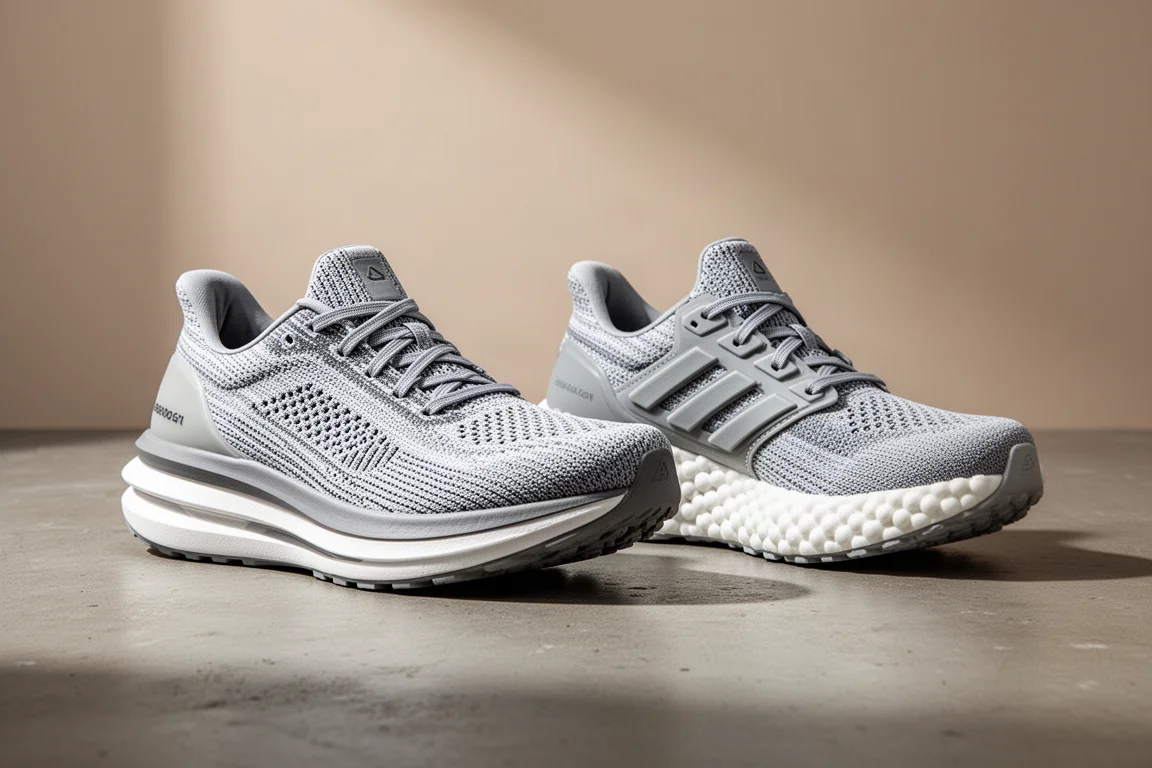
Big-stack super trainers are the shoes everyone is talking about right now, and two of the loudest names are the Asics Megablast and the newer Adidas Hyperboost Edge. Both load a huge amount of cushion under your foot, both are genuinely light for their size, and both aim to make daily training feel a step above the ordinary. We have put serious mileage into each, and this comparison breaks down where each shoe wins, where it stumbles, and which one deserves your money.
Stack, Weight, and Price at a Glance
The numbers are closely matched. The Hyperboost Edge packs 45 mm of foam in the heel and 39 mm in the forefoot for a 6 mm drop. The Megablast also carries 45 mm in the heel, with 37 mm in the forefoot for an 8 mm drop. Both are big, high-volume shoes; neither is compact, and neither offers anything close to a ground-feel ride.
Weight is nearly a wash too. In a UK men’s 9 (US 9.5) the Hyperboost Edge weighs 8.9 oz (253 g), while the Megablast lands at 8.4 oz (239 g) in a UK 8.5 (US 9.5). On price, the Hyperboost Edge costs $200 or £170, while the Megablast is noticeably more expensive at $225 or £210.
Midsoles and Uppers
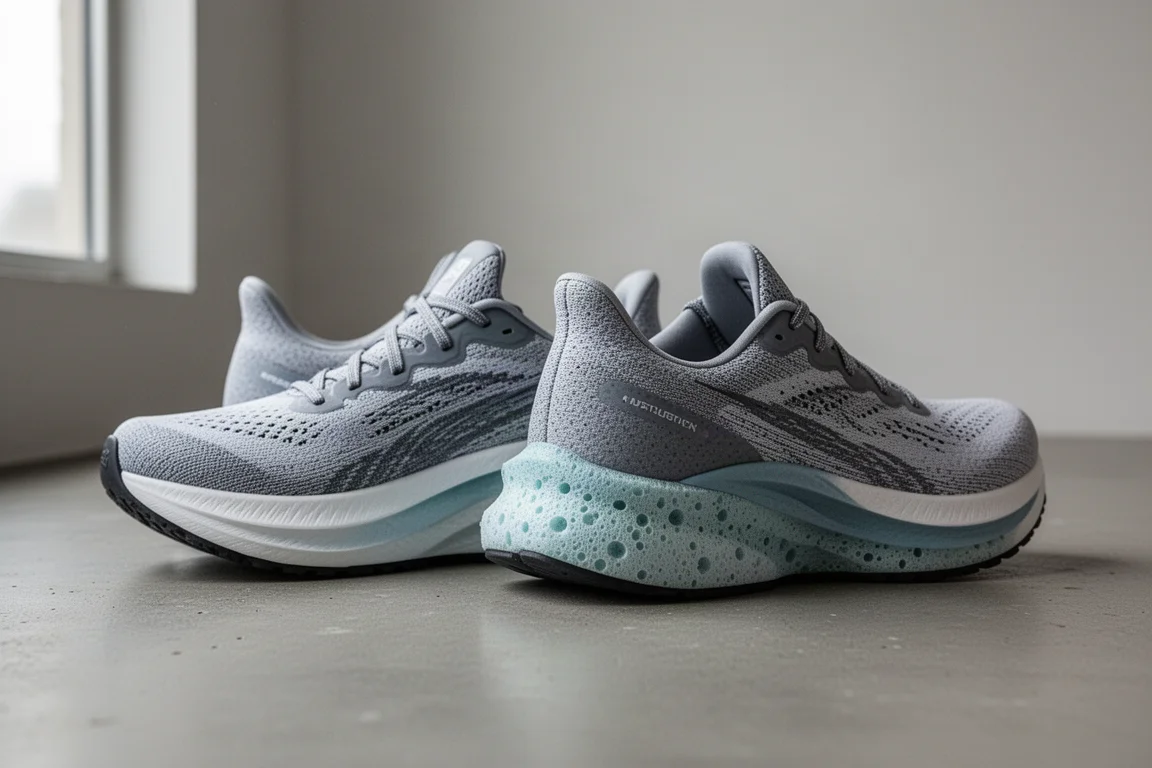
The Megablast uses a large rocket wedge of Pebax-blended FF Turbo Squared foam, and it is the standout part of the shoe. It delivers a bouncy, responsive, energetic ride with strong energy return at all paces, coming alive even more as you speed up. The Hyperboost Edge runs a new expanded beaded Pebax-based Hyperboost Pro foam with a slightly steeper rocker up front. That foam is a touch firmer but still very bouncy, and it molds around the foot for a smooth, cradled, sinky-soft feel that shines at easy paces.
Up top, the differences are stark. The Hyperboost Edge uses a Primeknit-style upper with plenty of overlays, adding structure and a locked-in feel, though it runs a bit rigid and not especially breathable. The Megablast goes with a looser, thinner engineered woven upper that feels more airy on the foot. Asics pairs it with sawtooth laces and a lightly padded tongue with no lace-pinch issues; Adidas uses a fabric-loop lace carriage that draws the midfoot in nicely, backed by a padded tongue that dials in well.
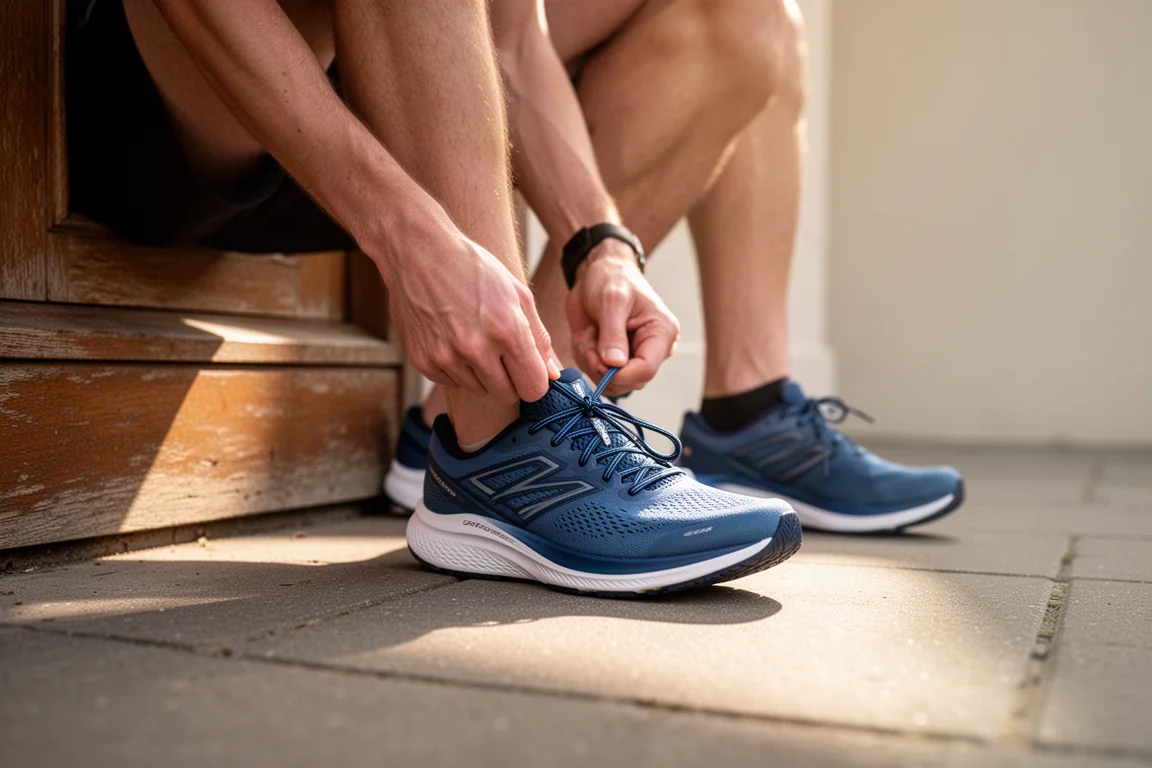
At the heel collar, the Megablast has more padding, with an internal pad wrapping the whole heel and ankle area. The Hyperboost Edge has a smaller internal pad that stops short, leaving stiff, under-padded collars under the ankle. That detail turns out to matter a lot, as we found in testing.
Fit and Sizing
Both shoes offer roomy toe boxes. The Megablast has a slight taper but plenty of room, with no restriction and space to move your foot inside the shoe. The Hyperboost Edge feels a touch more voluminous, with a less steep taper. Midfoot lockdown is excellent in both, with the Adidas lacing setup being a particular bright spot.
Sizing advice: stay true to your normal running shoe size in the Megablast. For the Hyperboost Edge, going half a size up creates a nicer, roomier fit; it would run too snug otherwise. Also note the two brands convert UK and US sizes differently, so check the label if you shop across regions.
The Heel Collar Problem
The biggest issue with the Hyperboost Edge is its high, stiff heel collar. If you roll your foot slightly, say on an uneven pavement, the collar digs in under the ankle bone and rubs. It happens on both sides of the shoe, and repeated testing confirmed it was not just a one-off or a lacing error.
It did not completely ruin the shoe, but it takes away from what is otherwise a very good ride. If you are sensitive to collar rub, this is a genuine reason to hesitate. The Megablast’s padded collar holds securely with no slipping and no such complaints, making its simpler fit the more comfortable of the two.
Ride Feel and Pace Range
Both shoes provide a huge amount of road protection and generous cushioning. The Hyperboost Edge takes softness and cradling to another level, with one of the biggest forefoot stacks we have run in and almost no road feedback coming through. It offers a smooth, assisted, comfort-first ride that feels effortless and cocooned at easy paces. That firmer midsole also helps with stability, and despite the big heel, it flows naturally at easy and steady efforts.

The Megablast feels more connected by comparison, and it is the bouncier, more immediate, more energetic shoe. It has a marathon-pace sweet spot and runs better than the Adidas at marathon and tempo efforts, with real speed on tap for parkruns and fast intervals. Its one weakness is a slightly soggy feel at the very slowest paces, which is exactly where the Hyperboost Edge feels best. Pushing the Adidas past tempo toward interval pace, it no longer feels as natural or lively as the Asics. That difference in pace range is the clearest way to split these two.
Outsoles and Durability
Flipping the shoes over reveals another clear win for the Hyperboost Edge: a full rubber outsole covering the entire shoe. That should help durability, and the full layer of firmer material also adds stability. Beaded PEBA foams like this have historically held up well, so expect plenty of miles from the Adidas.
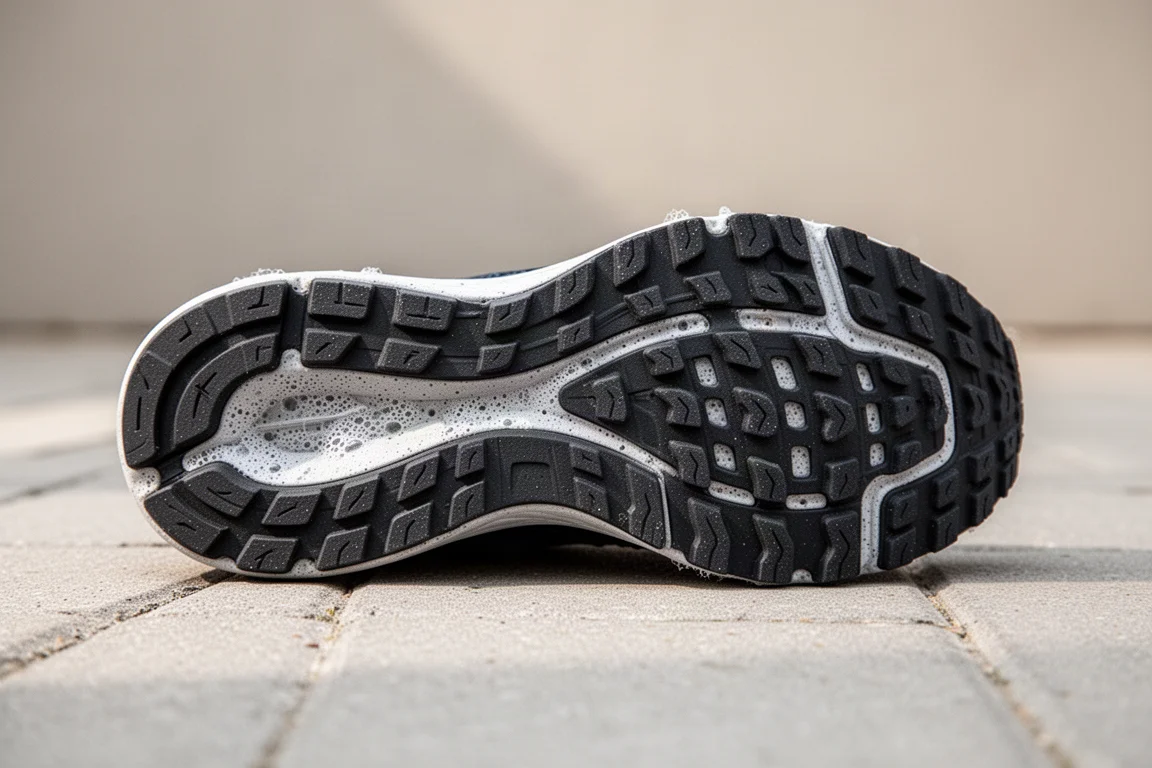
The Megablast uses Asics’ reliable grip with a more sparing set of reinforcements in key impact areas, leaving more foam exposed. It works well, but it is the less protective setup of the two. Testing mileage so far sits around 100 miles in the Megablast, including a solo marathon test, and roughly 50-60K in the Hyperboost Edge across easy runs, progression runs, tempo runs, a half marathon, and fartlek sessions.
Which One Should You Buy?
If you want the more versatile, more capable all-rounder, the Megablast is the pick. It handles fast runs comfortably while still offering plenty of protection for easy days, and its FF Turbo Squared foam gives you real energy return across every pace. Yes, it is pricey at $225, but the all-rounder credentials arguably offset the tag: you get a lot of capability for the investment, and it stands among the best super trainers available.
If value comes first and your shoe will mainly cover easier daily mileage up to marathon pace, the Hyperboost Edge is worth a serious look at $200. It is luxuriously cushioned, nicely energetic, and fun, and the fuller outsole should go the distance. Just be honest with yourself about the heel collar. If it digs in during a test run, walk away, because it will not improve with miles.
If neither price works for you, cheaper daily trainers such as the Kiprun Tempo, Saucony Kinvara, or Asics Versablast are sensible alternatives, with the Kiprun standing out as exceptional value.
Conclusion
Both of these shoes live up to the super trainer label, elevating daily training beyond a standard daily trainer thanks to huge stacks of impressive foam. The Hyperboost Edge is a fun, cushioned, lighter-than-it-looks max-stack option that Adidas should be proud of, and with a better upper and a fixed heel collar it could be excellent. But the Megablast takes another step up to a truly great shoe: livelier at faster paces, more comfortable on the foot, and more versatile across your whole week. Even at the higher price, that extra capability makes it our winner.
Product link
View more details for Asics Megablast
This product is mentioned in the review. Check the specifications, options, and compatibility before buying.
View more details for Asics MegablastFurther reading
Related Reviews

Running Shoes
Best Road-to-Trail Running Shoes: Three Versatile Options for Mixed Terrain
A practical guide to three road-to-trail running shoes that handle both pavement and mild trails, with clear strengths and trade-offs for different runner types.

Running Shoes
Best Running Shoes for Achilles Tendonitis: Three Options Explained
Three running shoes with different heel drops and support features designed to help reduce Achilles tendon pain during walking and running.

Running Shoes
Best Running Shoes for Women: Five Top Choices Ranked
A ranked guide to five women's running shoes, from versatile daily trainers to high-performance racing options, with real strengths and trade-offs for each.