Running Shoes
Asics Megablast Long-Term Review: 220 Miles in the Premium Super Trainer
After 350 km of running, here is how the Asics Megablast holds up on durability, versatility, and whether it justifies its high price.
Introduction
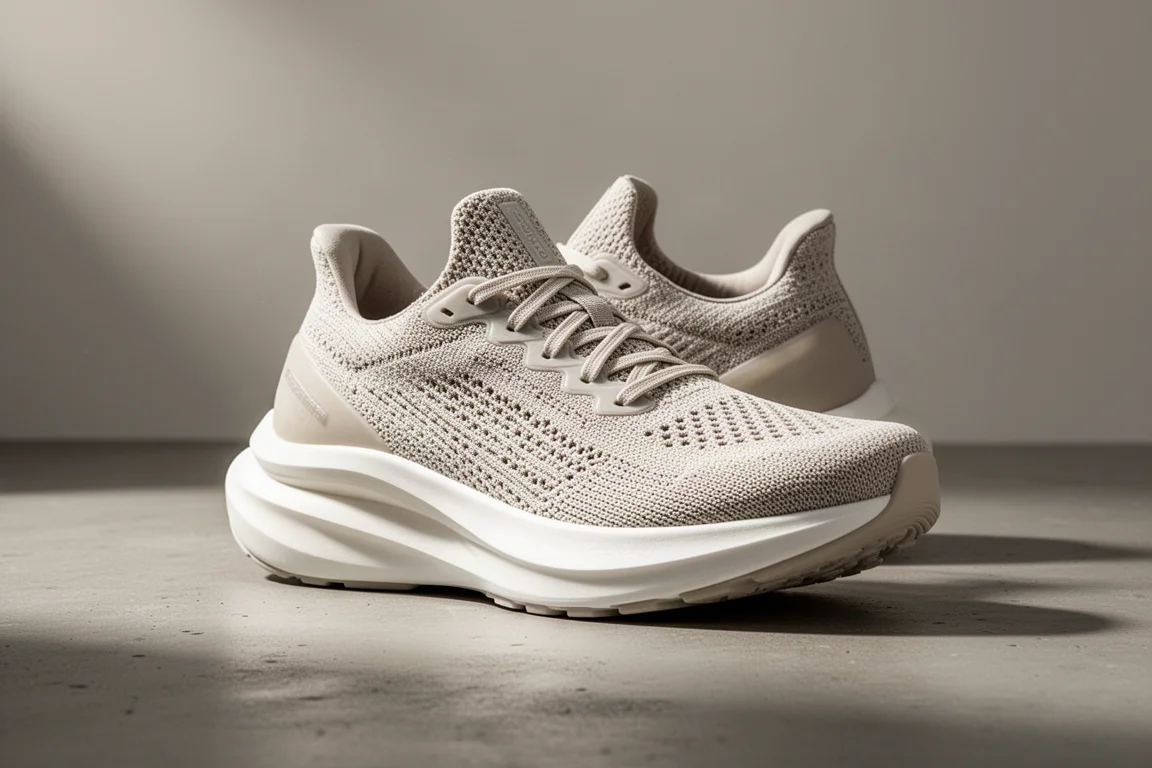
The Asics Megablast was one of the biggest running shoe launches of last year, and after months of testing and more than 350 km (roughly 220 miles) of running, it remains one of our favorite super trainers. It is also, undeniably, an expensive one, and that tension between performance and price is exactly what this long-term look sets out to answer.
The short version: the Megablast is a genuinely outstanding all-rounder that has held up remarkably well over time, but there are strong value alternatives worth weighing before you commit. This review breaks down what the shoe does well, what to check before buying, and how it stacks up against the key competition.
Who This Shoe Is For
The Megablast is aimed at runners who want a single high-stack trainer that can handle almost every run in a training week, particularly those with marathon goals in mind. Over this testing period, the shoe covered easy runs of every length, up to a 22-miler, plus steady progression runs, long marathon-paced efforts like a 15-mile run in 90 minutes, and even short track reps at faster race paces. It performed at a high level across all of them.
If you do a wide mix of paces and distances and want one shoe that does not force you to compromise, this is squarely your target product. If you only run short distances or mostly easy paces, cheaper options make more sense, as we will cover later.
Specs and Design
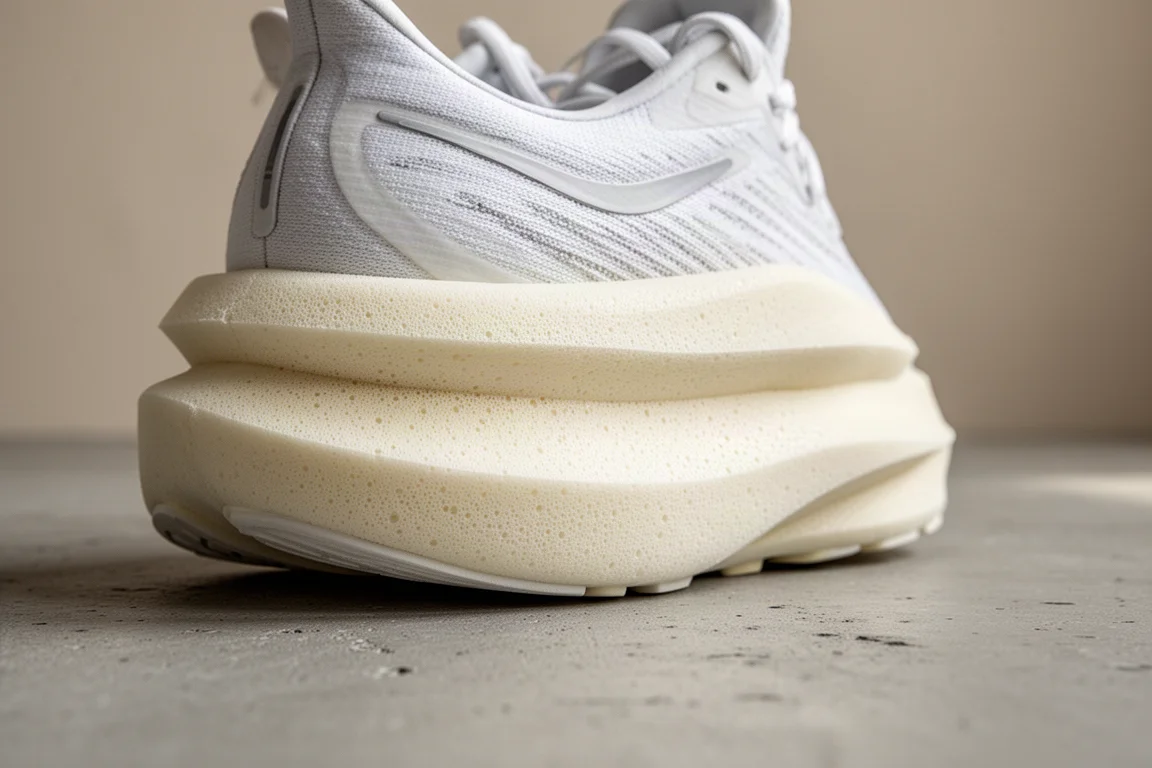
The Megablast costs £210 or $225, and so far there have been few, if any, discounts, largely because it keeps selling well despite the price. For that money you get an impressively light shoe: 241 g (8.5 oz) in a UK 9, which is a US 10. The stack height is 46 mm at the heel and 38 mm at the forefoot, giving an 8 mm drop, placing it among the highest-stack super trainers available.
The upper is a thin, breathable engineered woven material with just enough padding around the heel for comfort over long distances and long days of walking or travel. The midsole uses FF Turbo Squared, the foam introduced with the Megablast and Sonic Blast, and Asics’s most energetic foam. It is not the softest foam in the Asics lineup, but it is highly responsive and very lightweight. Unlike many super trainers, there is no dual-density setup here, just that foam all the way through.
Underfoot, an Asics Grip outsole covers the sides, heel, and forefoot, with a fair amount of exposed foam to keep the weight down.
Fit and Comfort
Sizing is straightforward: the UK 9 (US 10) tested here matches the usual size across the Asics range and delivered a very good fit. One thing to note: compared with the Superblast and more comfortable trainers like the Nimbus or Cumulus, the toe box tapers a little more sharply, especially around the outside of the little toe.
For narrow feet this was not an issue, but if you find shoes like the Superblast already snug in that area, the Megablast could feel too tight. Beyond that, the upper proved very comfortable, including runs over 20 miles, with no concerns to report.
Ride and Versatility Across Every Run Type
Versatility is the defining strength of the Megablast. It is not merely competent at everything; it feels genuinely good at everything. Easy runs are well cushioned and stable enough, steady long runs feel effortless, and faster workouts bring a surprisingly nimble ride for such a big shoe.
Compared with the Superblast, which has a large heel that can feel awkward at speed, the Megablast transitions off the heel more smoothly and feels lighter on the foot. The foam also eased up slightly over the first stretch of use, softening that early slightly blocky heel feel into an even smoother transition.

The FF Turbo Squared foam has enough give to feel soft without feeling mushy. Some runners report slight instability from the soft heel, but that was not the case here. There is no aggressive rocker pushing you forward, but when you pick up the pace, the foam responds with strong energy return, and no loss of bounce has been noticed at any point during testing.
Durability After 350 km
This is where a long-term review earns its keep. At 220 miles, the Megablast looks excellent. The rubber outsole shows no wear at all, despite including light trail running, and the exposed foam has not been eaten away. Aside from slight discoloration and minor wrinkling, the midsole has lost none of its bounce, response, or protection.
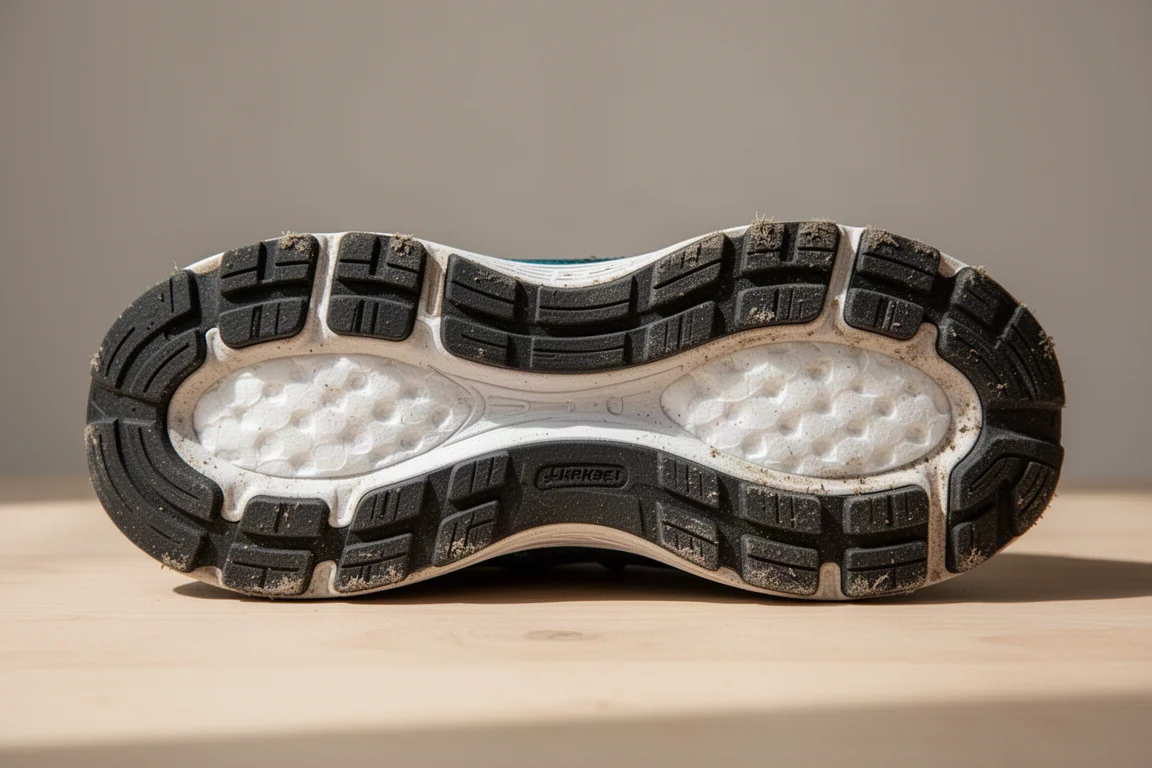
The slightly firmer character of FF Turbo Squared likely helps here. Everything points to hundreds more miles still to come, which softens the blow of the high asking price.
Things to Consider Before Buying
The price is the big hurdle. At £210 or $225 with few discounts, the Megablast is hard to justify purely on value, because several cheaper shoes come remarkably close to matching it. It is also not the most stable shoe on the market, and runners who need strong support should look elsewhere. Finally, the tapered forefoot is worth checking if you have wider feet.
If money is genuinely not a concern for this kind of purchase, you are getting what we consider the best all-rounder currently available, with an almost unique balance of comfort and speed for marathon training.
Buying Advice and Alternatives
The Superblast 3 is softer and more comfortable for easy paces but is not geared toward running as fast; its larger heel feels more awkward at speed. At this price level, the Megablast is the better all-rounder, though owning both would make an impressive two-shoe rotation if budget is irrelevant.
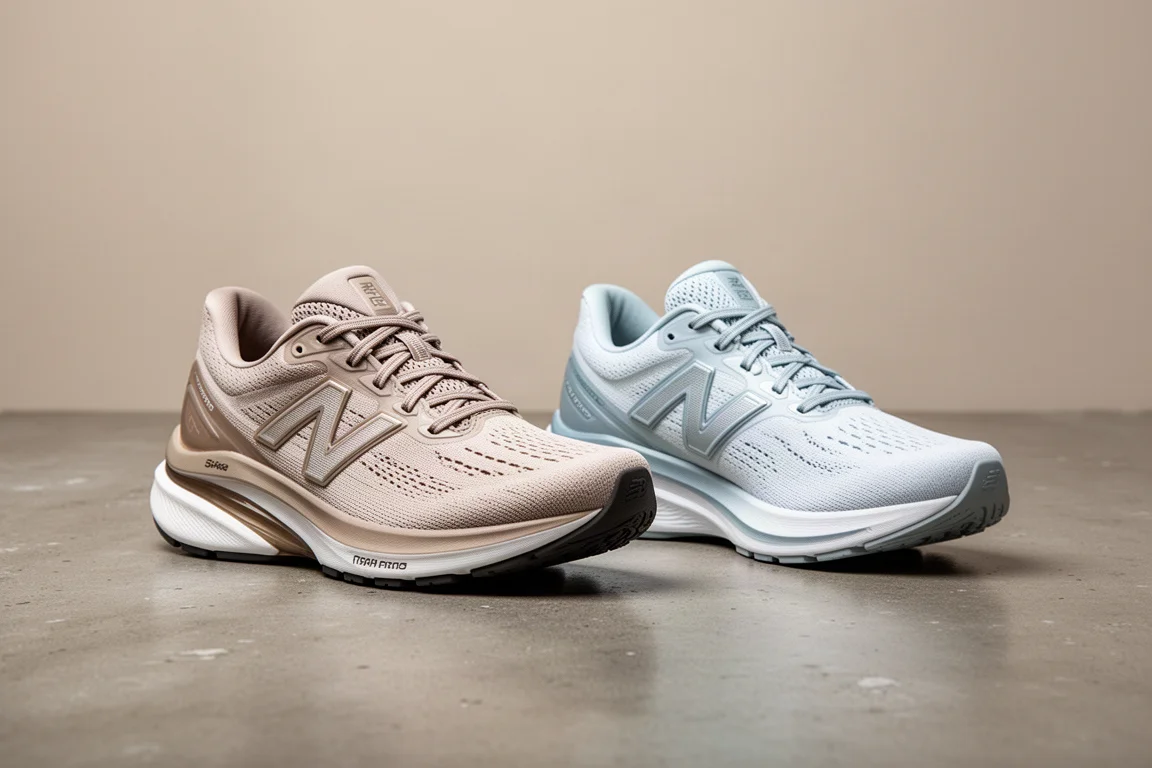
The Asics EvoRide remains tremendous value and is nippier and lighter for fast workouts, making it a strong pick for shorter-distance runners, but it is less cushioned and less comfortable over long distances, where the Megablast clearly pulls ahead.
The Kiprun Kipstorm Tempo is the value story of the year, often under £100 in the UK. Its foam is firmer and it is not quite as enjoyable over long runs, but it is close in performance, and you can sometimes buy two for the price of one Megablast. In the real world, that makes it the smarter purchase for most people.
The Asics Hyperspeed Edge is similar in concept but not quite as good: heavier, less energetic, slower to turn over at speed, and fitted with a relatively poor upper. The extra cost of the Megablast feels justified by comparison.
In the Saucony range, the plate-free Endorphin Azura and plated Endorphin Speed 5 are both a bit heavier despite lower stacks, and their PWRRUN PB foam is not quite on the same level as FF Turbo Squared. They are good shoes and better value, particularly the Azura, but the Megablast still edges them out. Among Hokas, the Mach X 3 is not as fast or lightweight, and the Mach 7 is far less cushioned, though the Megablast beats both overall.
Finally, the On Cloudmonster 3 Hyper LS is the intriguing newcomer: phenomenally light, with a well-fitting upper and a strong PEBA midsole with CloudTec that is stable yet quick. Early testing suggests it could rival the Megablast on performance, but it is even more expensive, to the point where the Megablast looks cheap by comparison.
Conclusion
The Asics Megablast is a crazy expensive shoe that is also a crazy good one. After 350 km it shows almost no wear, retains all of its energy return, and remains the most complete all-rounder we have tested, especially for marathon training. For pure performance, it is very hard to beat. For value, the Kiprun Kipstorm Tempo and other alternatives remain the wiser spend. Choose based on which of those matters more to you.
Product link
View more details for Asics Megablast
This product is mentioned in the review. Check the specifications, options, and compatibility before buying.
View more details for Asics MegablastFurther reading
Related Reviews

Running Shoes
Best Road-to-Trail Running Shoes: Three Versatile Options for Mixed Terrain
A practical guide to three road-to-trail running shoes that handle both pavement and mild trails, with clear strengths and trade-offs for different runner types.

Running Shoes
Best Running Shoes for Achilles Tendonitis: Three Options Explained
Three running shoes with different heel drops and support features designed to help reduce Achilles tendon pain during walking and running.

Running Shoes
Best Running Shoes for Women: Five Top Choices Ranked
A ranked guide to five women's running shoes, from versatile daily trainers to high-performance racing options, with real strengths and trade-offs for each.