Running Shoes
ASICS Megablast Review: 100 Miles in the Most Ambitious Daily Trainer Yet
A 100-mile week in the ASICS Megablast: durability, ride feel, comparisons, and whether the $225 price holds up for serious mileage runners.
Introduction
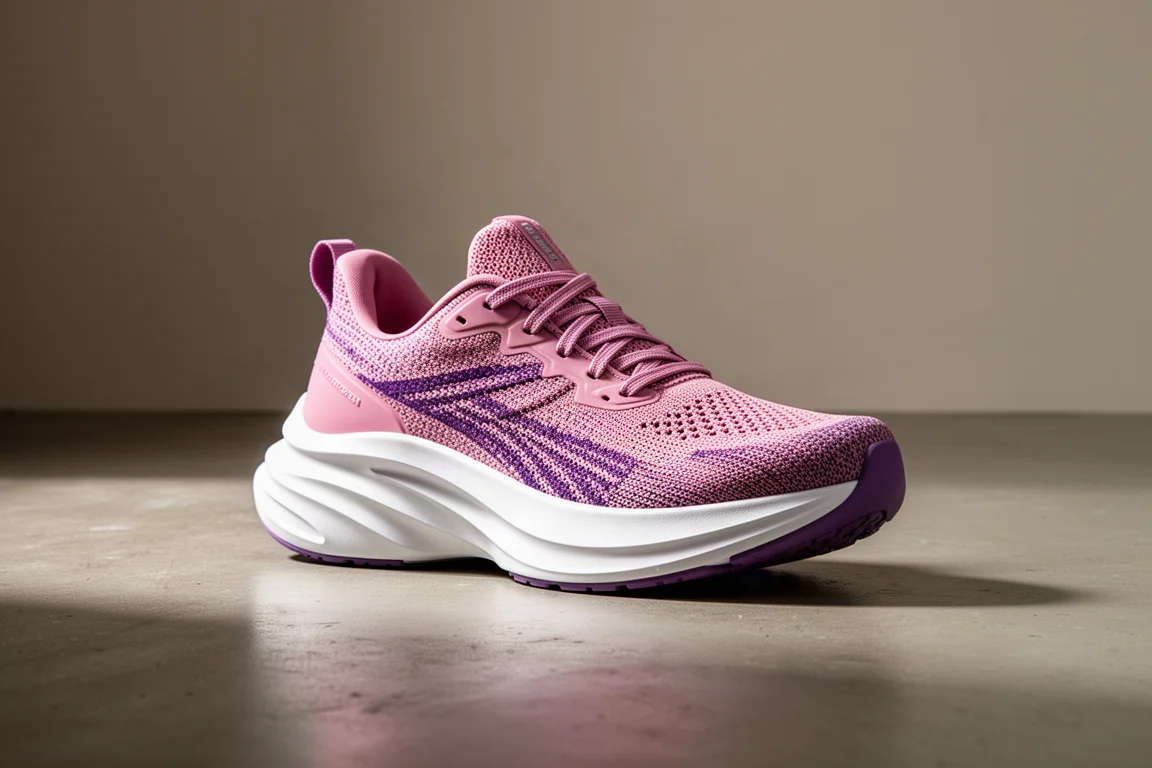
The ASICS Megablast arrived with a bold brief: build a non-plated daily trainer around the brand’s newest race-level foam and position it as its most expensive mainstream daily trainer at $225. After running a full 100-mile week in it, including a 25-mile long run and fast treadmill sessions, the short version is this: it held up better than any trainer we have put through that workload, and it earned a spot in the conversation for the best daily trainer of the year.
The 100-Mile Test
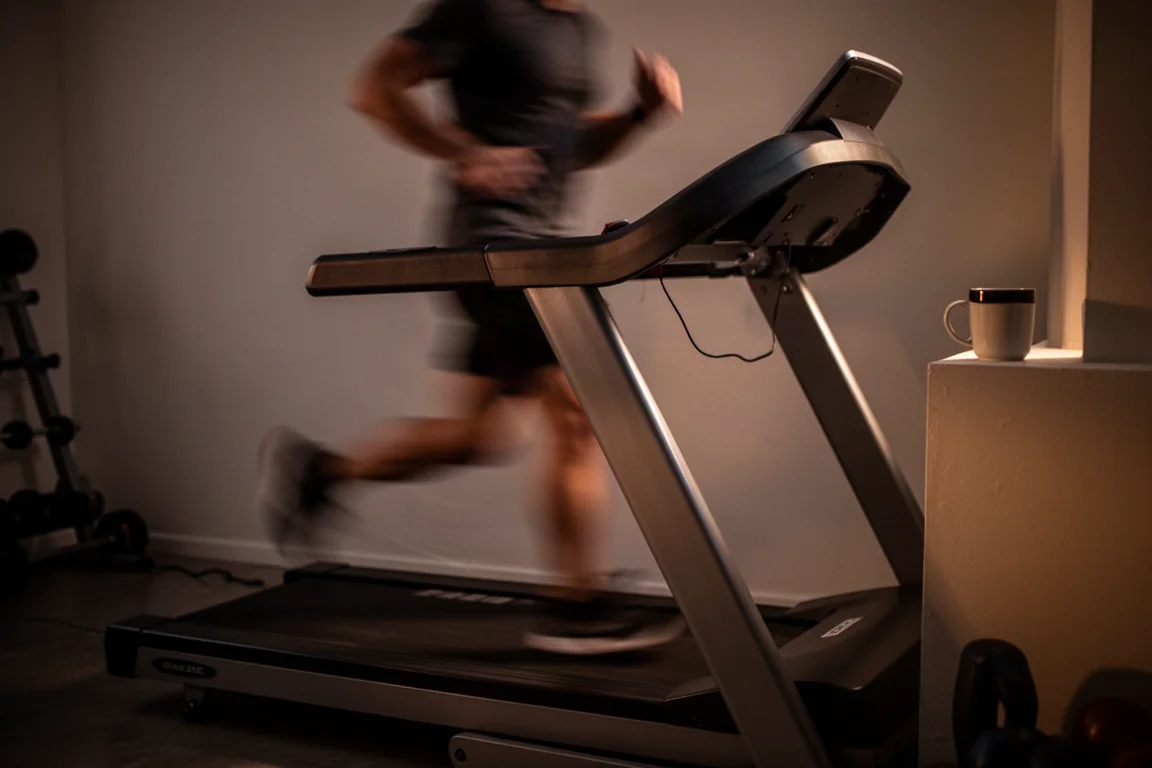
The test was unintentionally brutal. Across seven days, the Megablast absorbed 100 miles, capped by a 25-mile long run and a 15-mile treadmill session the following morning. Days varied in pace and surface, from 4:30 a.m. treadmill grind to relaxed outdoor miles.
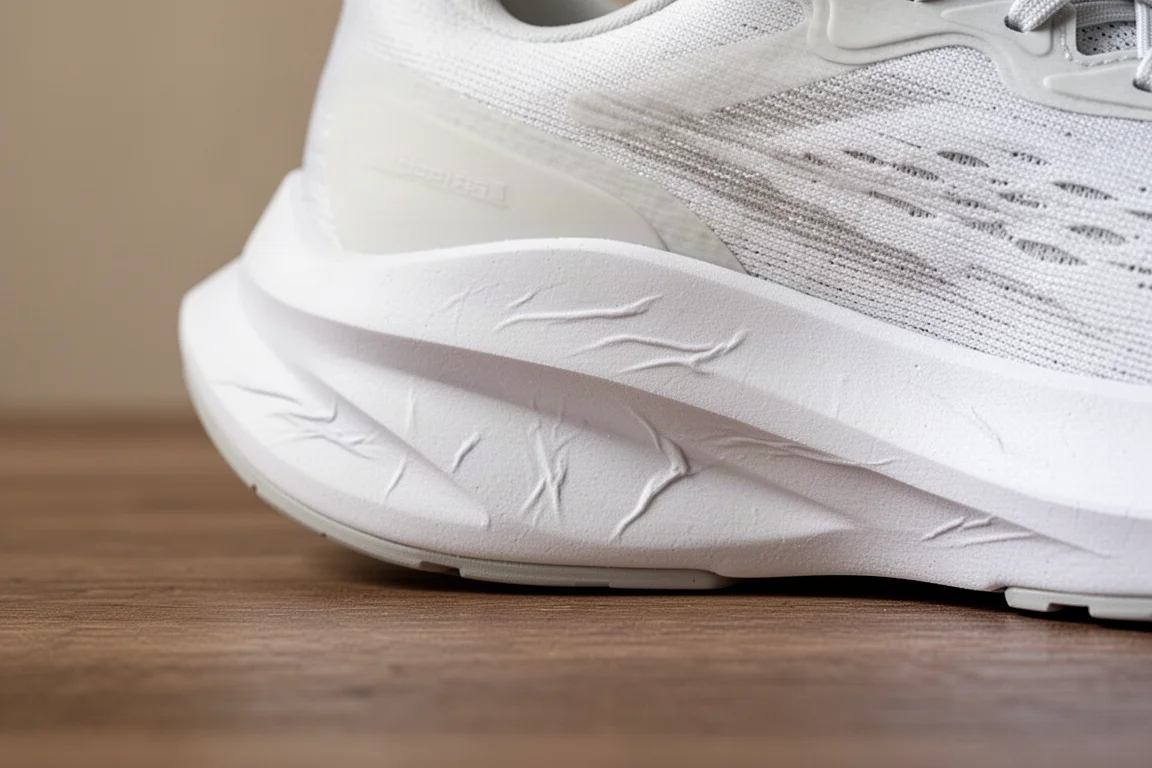
What stands out most after that week is not just that the shoe survived, but how little it changed. The midsole shows only faint break-in crinkle lines, far less than many shoes show after a single run, and the rubber outsole is essentially untouched despite a history of wearing shoes hard. Early durability signs point toward a shoe that could realistically reach 400 miles or more.
Ride and Midsole Performance
The Megablast is all about the midsole. It uses an aliphatic TPU foam, part of the newest generation of superfoams moving beyond PBA-based compounds, delivered here with no plate. In a size that weighs about 247 g with a 45 mm stack height (45.4 mm measured), it manages to be both lightweight and heavily cushioned, which is rare.
The ride is bouncy, smooth, protective, and notably stable. Unlike some max-cushion shoes where the heel can clunk along independently, this one cleans up the geometry nicely and feels planted without holding the foot down. It rewards effort: the harder you run, the better it feels. Fast strides in the 3:40 per mile range and 400-meter repeats at 4:40-mile pace were among the fastest sessions ever run in it, and a mile-24 marathon-pace pickup at 5:35 pace during the long run felt just as energetic as mile two.
One trade-off: at slower everyday paces around 7:50 to 8:00 per mile, it lacks some of the playful zing of a shoe like the Super Blast. It can handle recovery miles fine, but it has a subtle workhorse quality that nudges you to run a little faster.
Where It Fits in a Rotation
The Megablast covers roughly the middle 85 percent of training. It is not a pure recovery shoe, and it is not a race shoe, so runners chasing maximum speed on race day will still want a dedicated racer alongside it. But for everything between easy miles and hard workouts, it is remarkably complete.
It also shines as a travel shoe: one shoe that handles easy jogging, treadmill workouts, faster sessions, and even walking. Runners training for a marathon in the 3:00 to 3:30 range could plausibly race in it as well; a 3:18-pace 25-mile long run felt great in it.
How It Compares to Other Trainers
Against the Super Blast, this is a refinement: better geometry, lighter, smoother, and more comfortable, with the same broadly loved formula. Against the Saucony Endorphin Speed 5 and similar speed trainers, the Megablast is a clear step up; those shoes trade ride quality and comfort for durability, while the Megablast delivers both without compromise. Compared with the Hoka Skyward X, it delivers similar fun, bouncy character at roughly 70 g less weight. Against the Mizuno Neo Vista 2, the Mizuno wins on pure comfort and relaxed recovery feel, while the Megablast wins on speed, versatility, and likely durability.
Against the Nike Vomero Plus-style max-cushion competition, the MagMax comparison is the closest call. The MagMax is heavier, around 315-320 g, and better suited to comfort-first high mileage, while the Megablast is about 20 percent lighter and far more capable at speed.

Durability and Build Quality
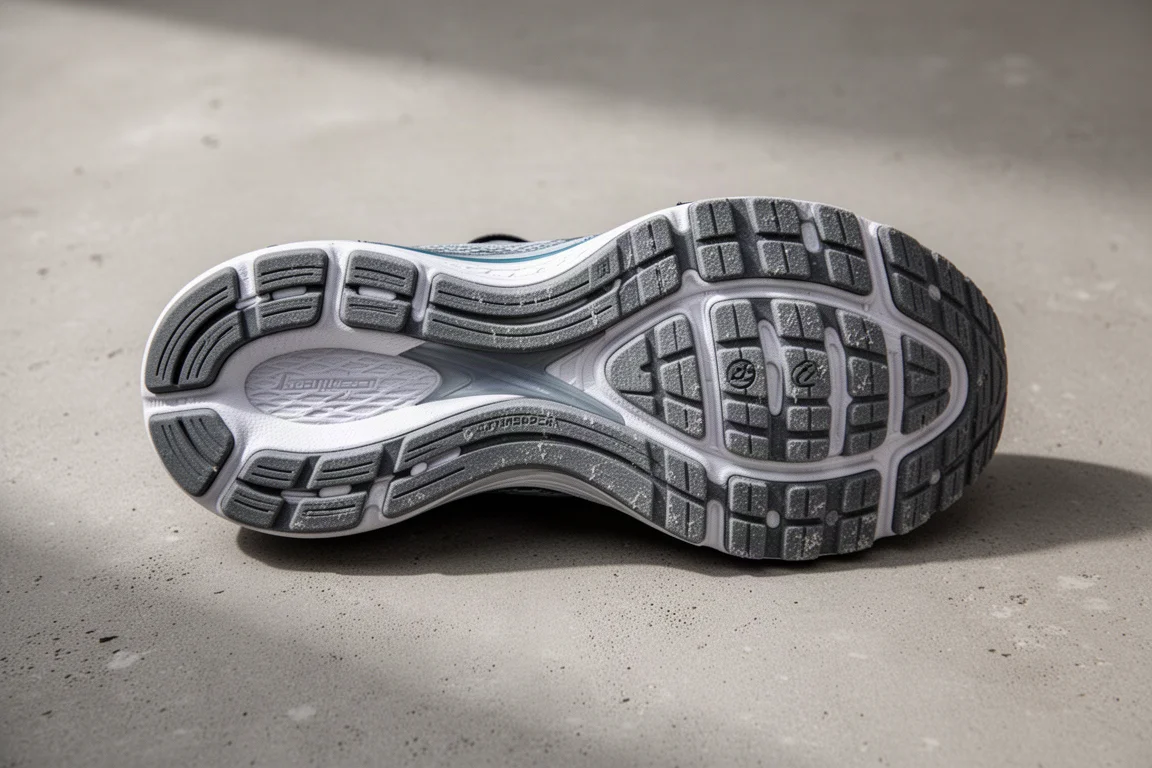
After 100 hard miles, the outsole rubber shows no meaningful wear and the midsole feels fresh. Build quality is excellent throughout, with a dialed-in upper and no panel gaps or rough edges. The main fit note: the toe box needed some lace tuning early on, but dialed in correctly, it stopped being an issue entirely.
Buying Advice: Is It Worth It?
At $225, the gut reaction is resistance, and that is fair. But context matters: mainstream race shoes now cluster between $230 and $295, and this delivers a full race-level foam midsole, no plate, a training-oriented upper, and more durable rubber. On that logic, the price feels defensible rather than gouging.
It is most worth it for runners doing long runs over an hour, regular speed work, or high weekly mileage. If you mostly jog 30 relaxed minutes at a time and do not care about having the latest and greatest, a cheaper trainer will serve you fine. If you want the single most versatile shoe on the market right now, this is the one to beat.
Conclusion
The ASICS Megablast is a genuinely special shoe: the lightest high-stack non-plated trainer available, extremely durable out of the gate, and capable at every pace from easy miles to near-race speed. Its flaws are minor and preference-based rather than structural. For high-mileage runners with the budget, it is easy to recommend as one of the best training shoes ever created.
Product link
View more details for Asics Megablast
This product is mentioned in the review. Check the specifications, options, and compatibility before buying.
View more details for Asics MegablastFurther reading
Related Reviews

Running Shoes
Best Road-to-Trail Running Shoes: Three Versatile Options for Mixed Terrain
A practical guide to three road-to-trail running shoes that handle both pavement and mild trails, with clear strengths and trade-offs for different runner types.

Running Shoes
Best Running Shoes for Achilles Tendonitis: Three Options Explained
Three running shoes with different heel drops and support features designed to help reduce Achilles tendon pain during walking and running.

Running Shoes
Best Running Shoes for Women: Five Top Choices Ranked
A ranked guide to five women's running shoes, from versatile daily trainers to high-performance racing options, with real strengths and trade-offs for each.