Running Shoes
ASICS Mega Blast vs Sonic Blast: First-Run Impressions of Two New Blast Trainers
Two new additions to the ASICS Blast lineup tested back to back on the same route: a lightweight, poppy speed trainer and a firm, structured, rocker-heavy trainer.
Introduction
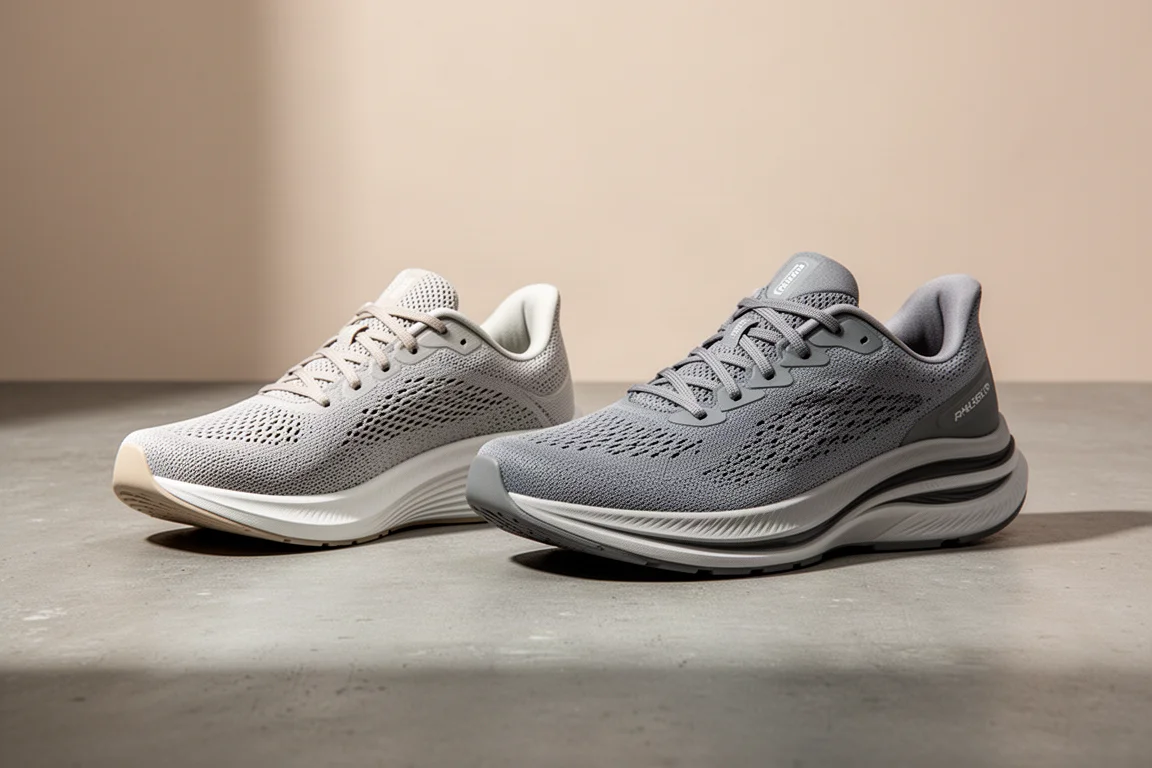
ASICS has been expanding its Blast lineup, and two brand new entries have landed: the Mega Blast and the Sonic Blast. For this piece, the test approach was deliberately simple: run both shoes back to back on the same route before reading anything about them, purely to capture how each feels on foot from the very first run. The result is a candid comparison of two shoes that, despite the shared family name, deliver completely different experiences.
Two Shoes, One Route: The Test Setup
The test ran roughly 10.5 to 11 miles in a single session: about 5.5 miles in the Mega Blast, then a quick swap at home and the same route again in the Sonic Blast. Running the identical loop one after another made the differences between the two impossible to miss. The two new shoes sit alongside the Nova Blast, a daily trainer that has earned repeated personal favorite nods, and the Super Blast, a popular lightweight option often used for longer races.
First Run: ASICS Mega Blast
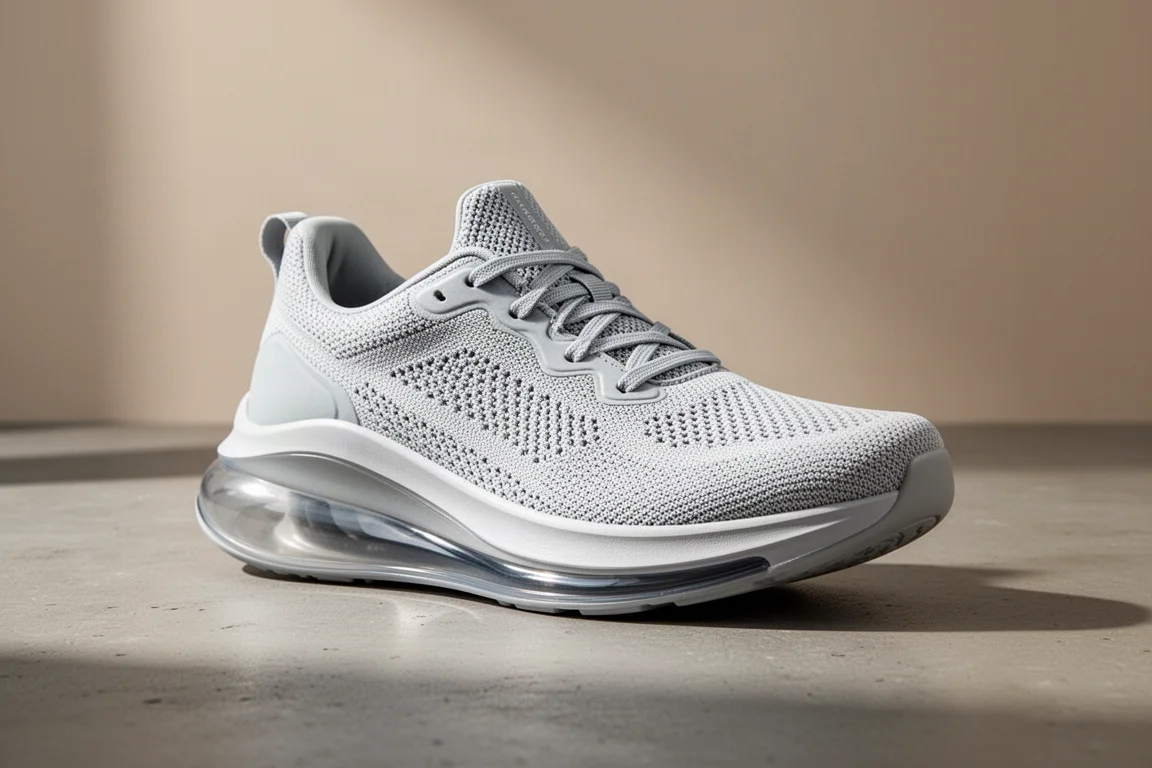
The Mega Blast feels extremely lightweight in the hand and on foot. It has a rockered profile that is mild and smooth rolling rather than aggressive, with the rocker starting early enough that it is easy to settle onto. The thin synthetic mesh upper is snug around the forefoot, but not uncomfortably so, and the whole shoe has a locked-down feel.
The midsole uses FF Turbo Squared, an updated version of the Turbo foam, and there is no visible plate, though the shoe is very stiff, so a plate inside would not be a surprise. On the run it behaved like a stiffer rocker shoe with limited toe flexion and forefoot mobility, but the ride stayed smooth from heel to forefoot. The standout quality was how the foam responded to pace: it felt firmer at easy paces around 9-minute miles, then became increasingly bouncy and responsive as effort climbed toward 10K pace around 6:30 per mile.
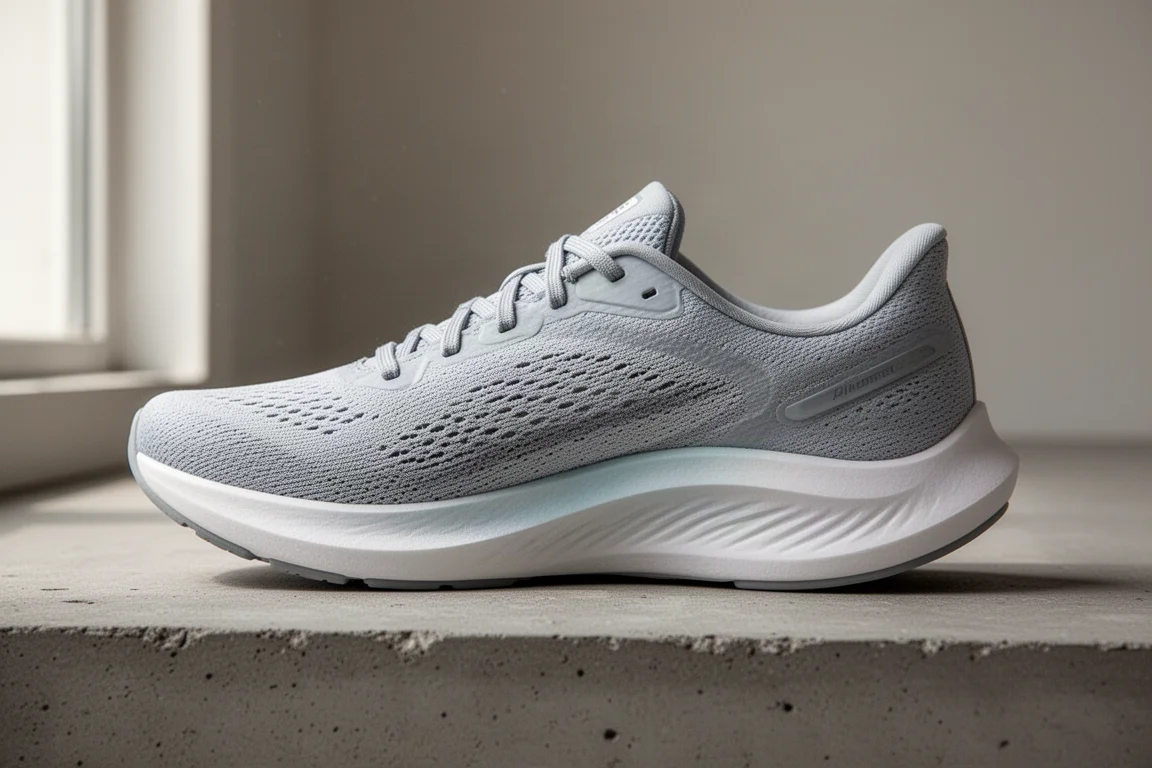
Thanks to the light upper, the rocker, and the bouncier foam, this shoe reads as a workout or racing option, especially for runners who dislike overly aggressive super shoes. The wider platform adds a touch of stability, and the shoe still delivers pop without being extreme. Overall, it slots a step faster and lighter than the Super Blast, keeping the rhythmic ride that made that shoe popular for marathons at moderate paces.
First Run: ASICS Sonic Blast
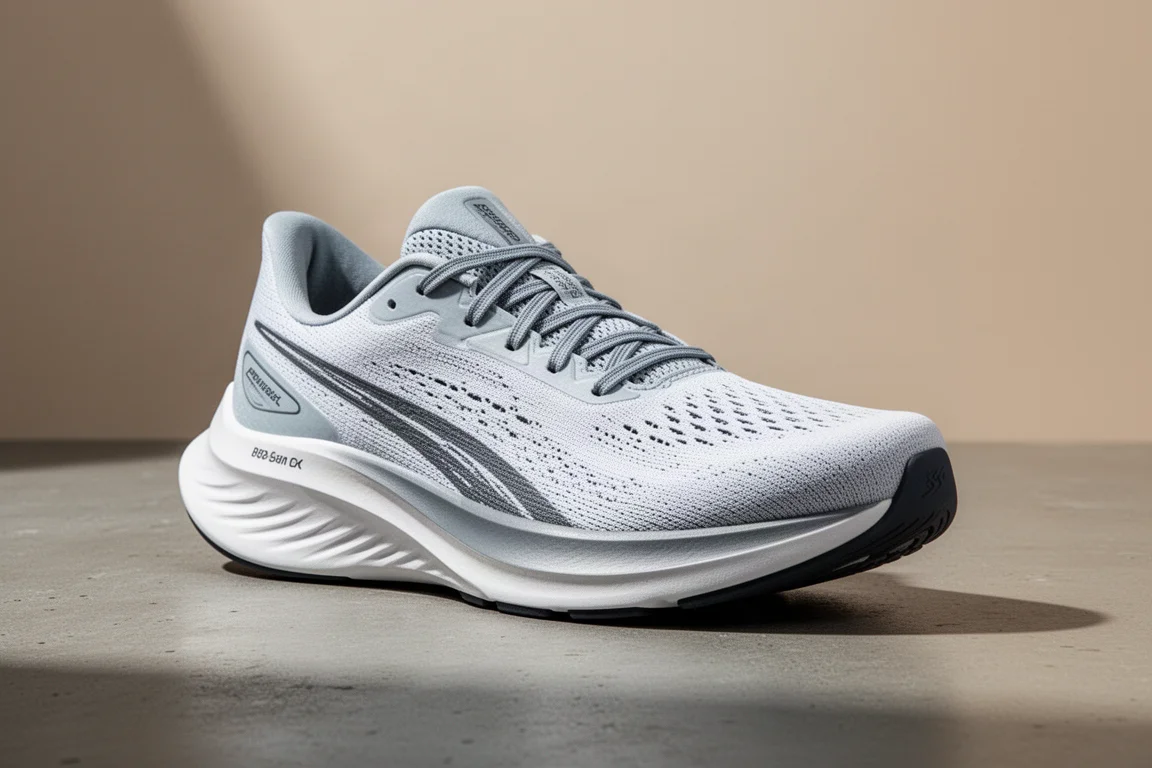
The Sonic Blast is a different animal entirely. It felt bottom-heavy from the first step, and it took a few miles to learn how to run in it. The design suggests a dual-density midsole with what appears to be a firmer layer lower down and FF Blast Turbo Squared foam up top, with a visible plastic plate in between. The rocker is more aggressive than the Mega Blast, with noticeable toe spring at the forefoot, and the whole shoe feels rigid.
On the run, getting up onto the toe was noticeably harder because of the later-stage rocker and the stiff construction. It felt heavier and a bit clunkier, more of a firm and stiff training model than a racing shoe. Runners who like late-stage rocker shoes, such as the Glycerin Max or the Endorphin Elite 2 among racing options, may recognize this character: you have to work to get that far forward. By mile five, the rhythm of the shoe started to settle, but the firmness never disappeared.
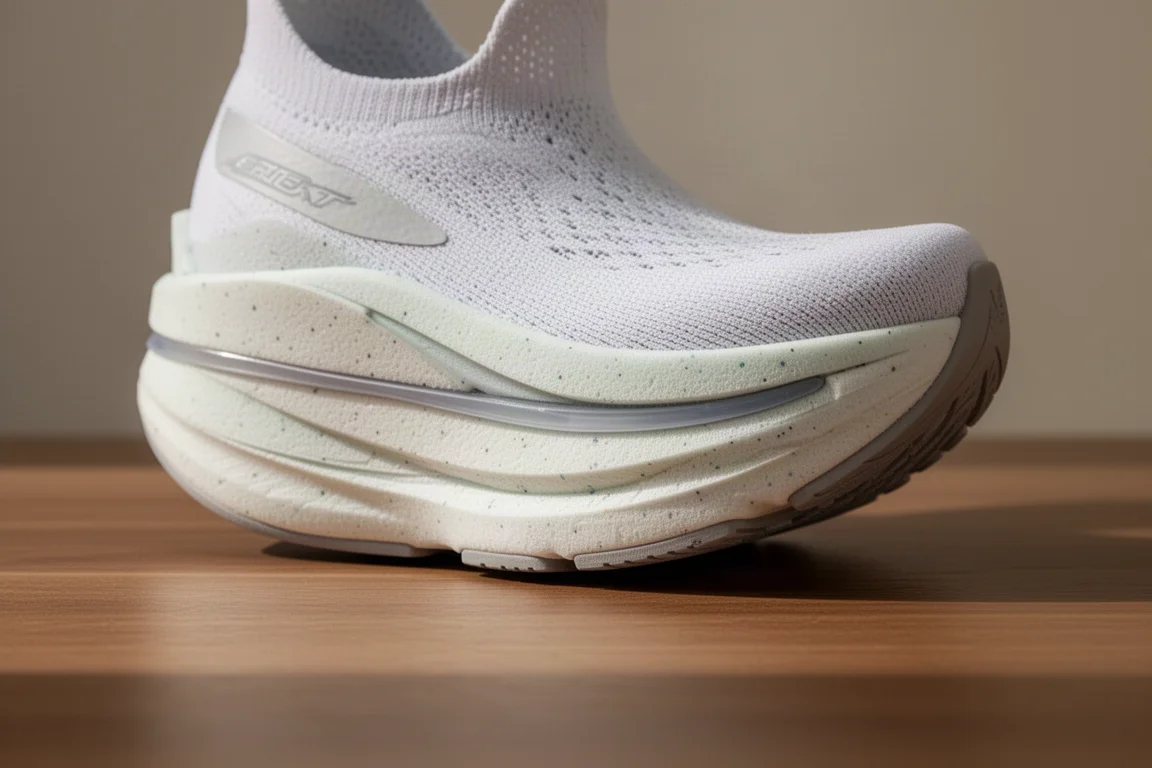
Within the Blast lineup, the Sonic Blast reads as a trainer with a stiffening agent: a bit of added structure, an on-foot weight around the same as the Nova Blast or even a touch heavier, and a firmer, more deliberate ride.
Buying Advice: Which Blast Fits Your Rotation
If forced to pick between the two, the Mega Blast takes the nod, mainly for its smoothness across a wide pace range, its lighter on-foot feel, and the way it gets poppy when you push the pace. The versatility is genuinely there, covering easy miles up to 10K efforts without feeling like two different shoes. The Sonic Blast is better framed as a structured trainer for runners who specifically enjoy a stiff, late-rocker feel rather than a direct alternative. More miles may refine the picture, but these first impressions set a clear divide: a lighter trainer-to-racer in the Mega Blast, and a firmer, heavier training model in the Sonic Blast.

Conclusion
The Mega Blast and Sonic Blast prove that a shared lineup name does not guarantee a shared ride. The Mega Blast is the smoother, lighter, more versatile option that rewards pace, while the Sonic Blast is a firm, structured trainer that demands an adjustment period. Runners chasing a workout-to-race shoe have a clear favorite here; those who prefer a stiffer, late-rocker training feel have a new option to explore.
Further reading
Related Reviews

Running Shoes
Best Road-to-Trail Running Shoes: Three Versatile Options for Mixed Terrain
A practical guide to three road-to-trail running shoes that handle both pavement and mild trails, with clear strengths and trade-offs for different runner types.

Running Shoes
Best Running Shoes for Achilles Tendonitis: Three Options Explained
Three running shoes with different heel drops and support features designed to help reduce Achilles tendon pain during walking and running.

Running Shoes
Best Running Shoes for Women: Five Top Choices Ranked
A ranked guide to five women's running shoes, from versatile daily trainers to high-performance racing options, with real strengths and trade-offs for each.