Running Shoes
ASICS Mega Blast vs Adidas Adizero Evo SL: Which One Deserves Your Money?
A close comparison of two of the most talked-about lightweight training shoes, covering uppers, midsoles, outsoles, and which runner each shoe actually suits.
Introduction
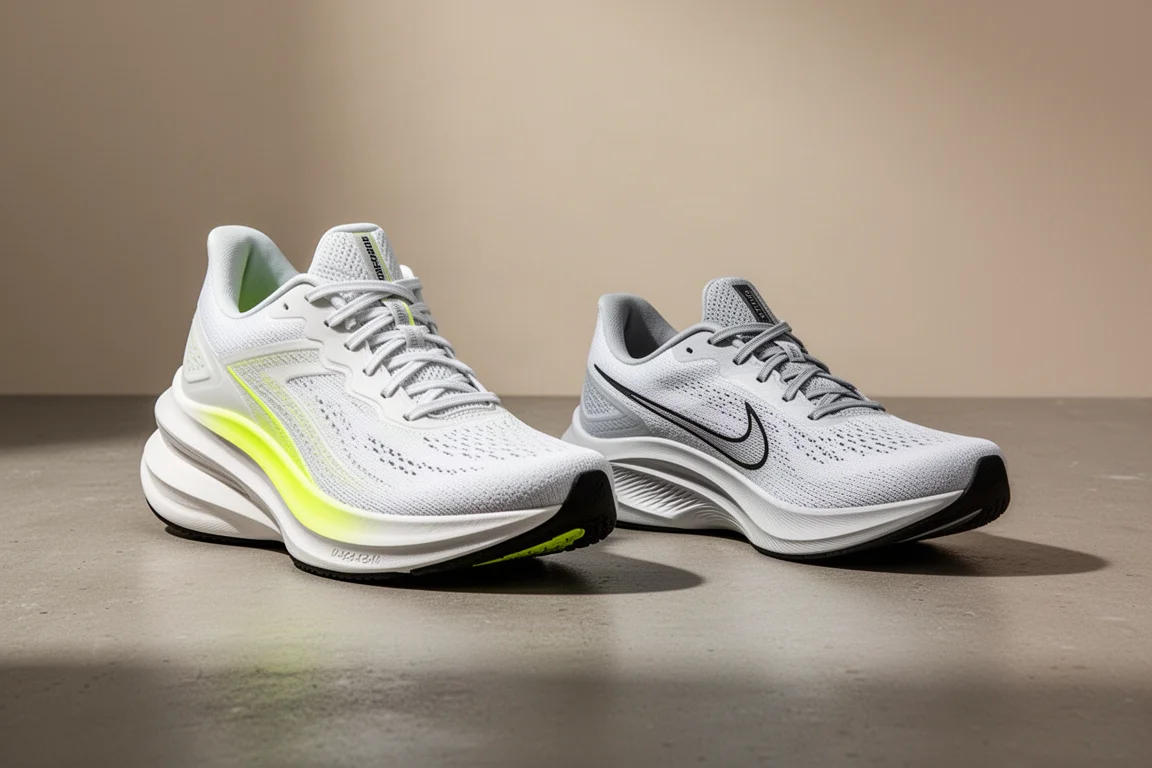
The ASICS Mega Blast and the Adidas Adizero Evo SL are two of the most talked-about lightweight training shoes right now, and both have been tipped by some as shoe-of-the-year material for 2025. They are, however, quite different shoes once you get them on foot, and the Mega Blast costs around £80 more. This comparison breaks down where each shoe wins, so you can decide whether that price gap is worth it for your running.
Stack, Drop and Fit
On paper, the Mega Blast carries a much more significant stack: 45mm in the smaller sample size versus a claimed 38mm for the Evo SL sample. Measured with the same technique on an actual pair, the Evo SL came in at about 39mm in the heel, so Adidas’ stated measurements seem slightly off. Both shoes share an 8mm drop.
The Mega Blast is also quite a bit wider in the forefoot and especially in the heel in terms of surface area, giving it a broader, more stable base than the Evo SL.
Uppers: Fit, Laces and Tongue Slide
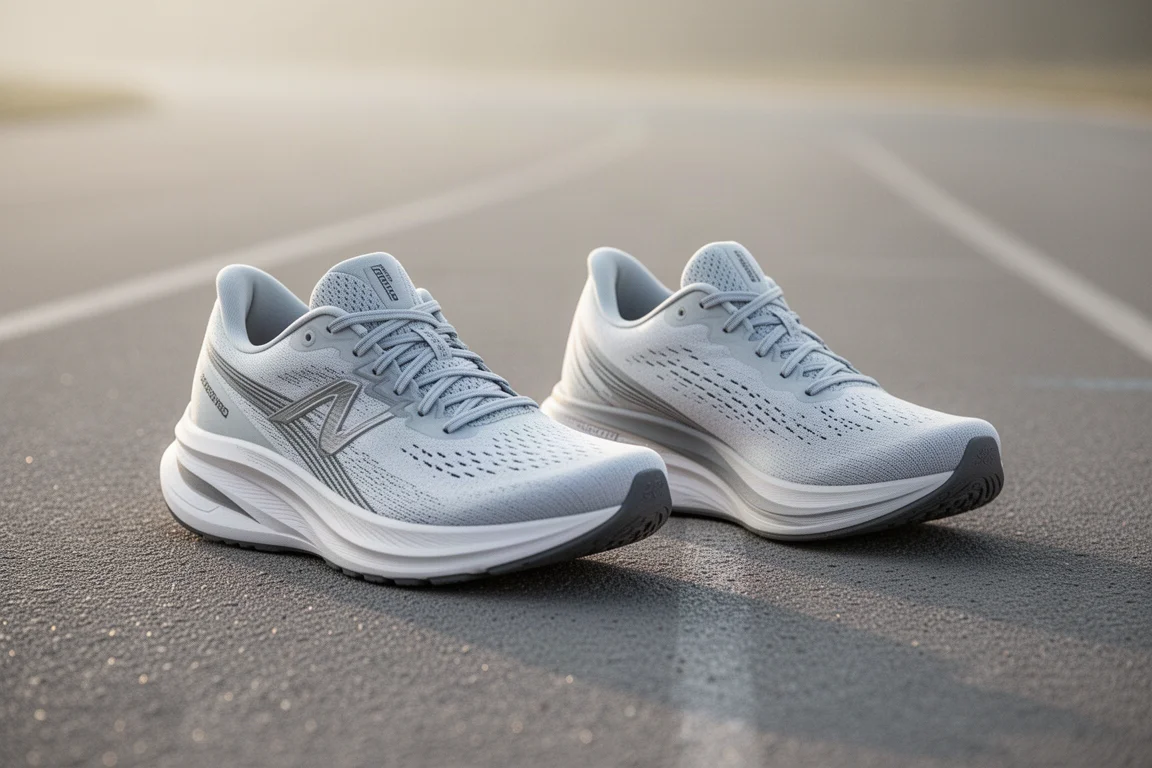
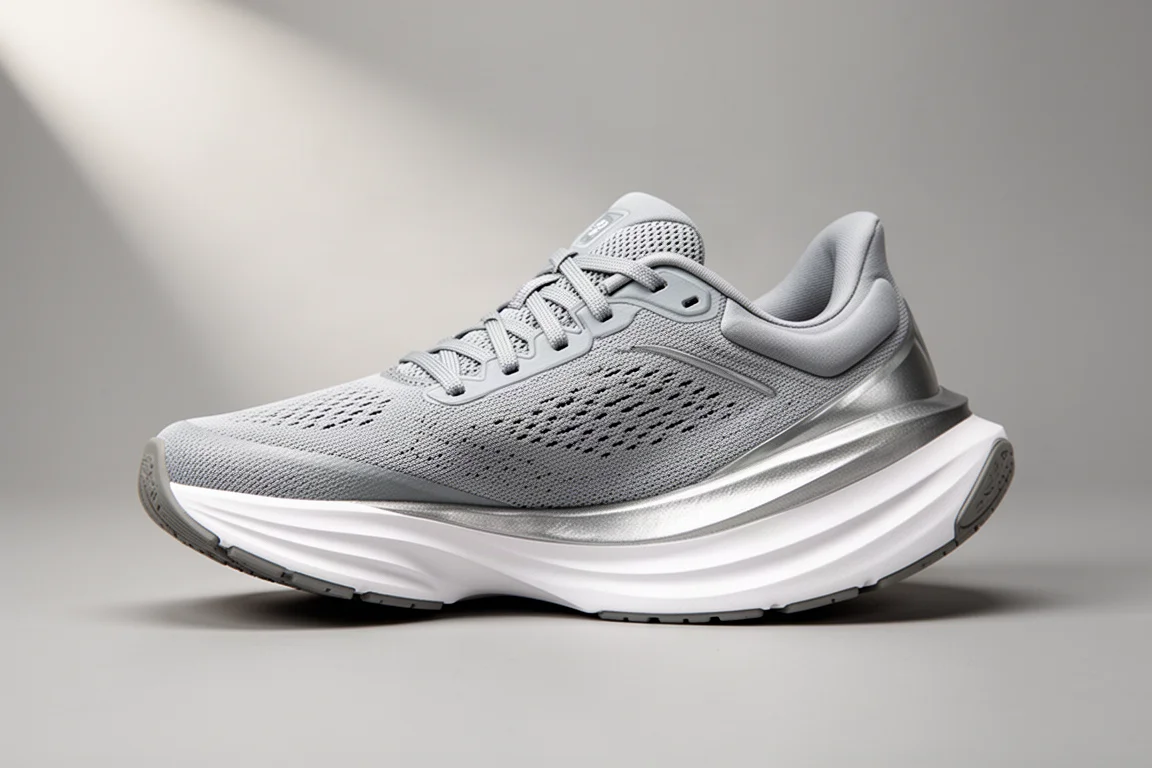
The Mega Blast upper is a little thinner, more flexible and more breathable than the Evo SL’s, with gusseting on both sides of the tongue and serrated laces. It also has sensible padding on the tongue and around the ankle, a flexible toe box, and no overlays, making it a very good low-weight simple design that is easy to clean.
The Evo SL uses flat, very thin laces that are not really up to the task. Some tongue slide to the lateral side was unavoidable on longer runs, and swapping in serrated laces from an older pair did improve lockdown. Moving the tongue loop further up toward the eyelets and adding serrated laces would improve things considerably. The insole is another weak point: it is very slippery on top and does not give the best connection with the midsole.
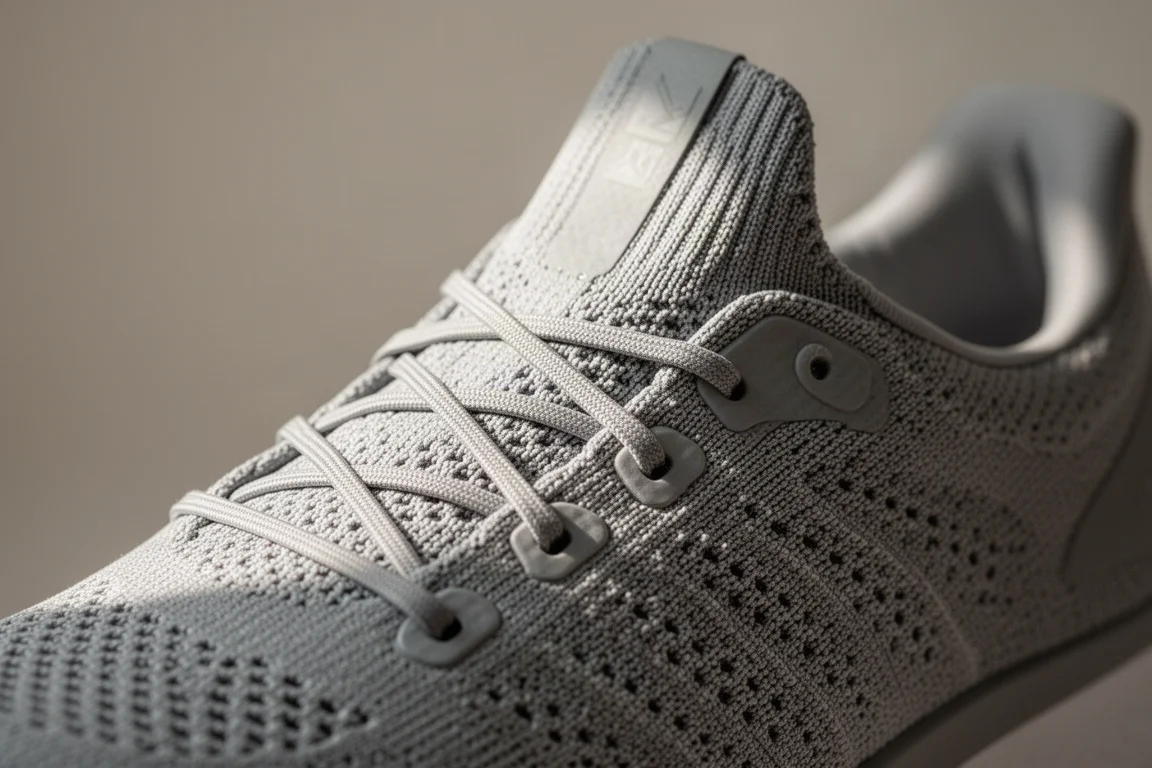
Overall, the Mega Blast upper is superior on several levels.
Midsole: Foam Feel and Break-In
The ASICS Flight Foam Turbo Squared in the Mega Blast is compressive and soft out of the box, with no break-in needed. It is bouncy and responsive, with plenty of impact protection and a stable base. There is a bit more bounce here than in the Evo SL, returning to form a little quicker and feeling slightly less dense. The heel can feel a touch too soft and inconsistent for some runners, but the extra stack makes the Mega Blast a somewhat more versatile shoe, handling longer distance efforts better as the miles ratchet up.

The Light Strike Pro in the Evo SL is okay out of the box but transforms after roughly 100km of break-in, feeling more fun, soft and compressive. It suits everyday easy training and can handle a few faster reps, though it lacks forefoot rigidity for genuine 5K or 10K pace work. It is a solid choice for half or full marathon training miles.
The Mega Blast has no plates whatsoever; the foam handles torsional rigidity on its own. The Evo SL has a torsion plate in the arch area acting as a shank, plus ridges in the forefoot under the insole that aid flexibility. Neither is a 5K or 10K racing shoe; both are best seen as lightweight, versatile training shoes. If you can only buy one and want something that does loads of different runs, the Mega Blast edges it.
Outsoles and Wet-Weather Grip
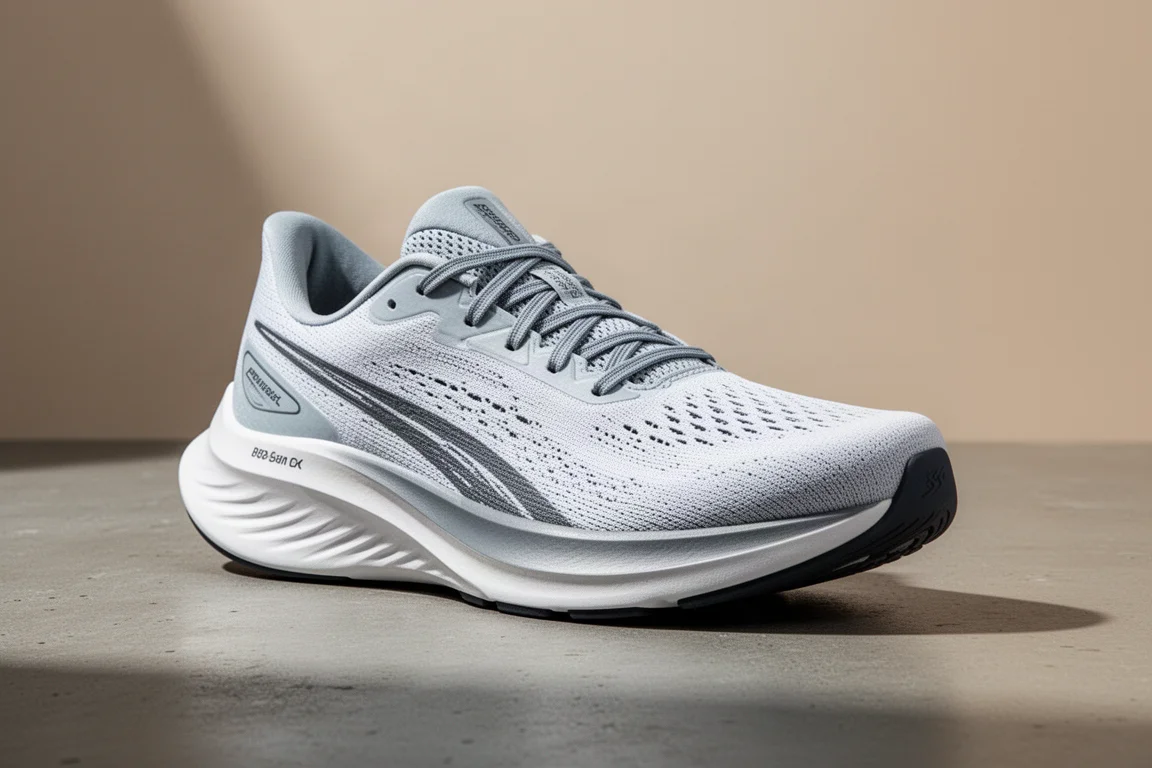
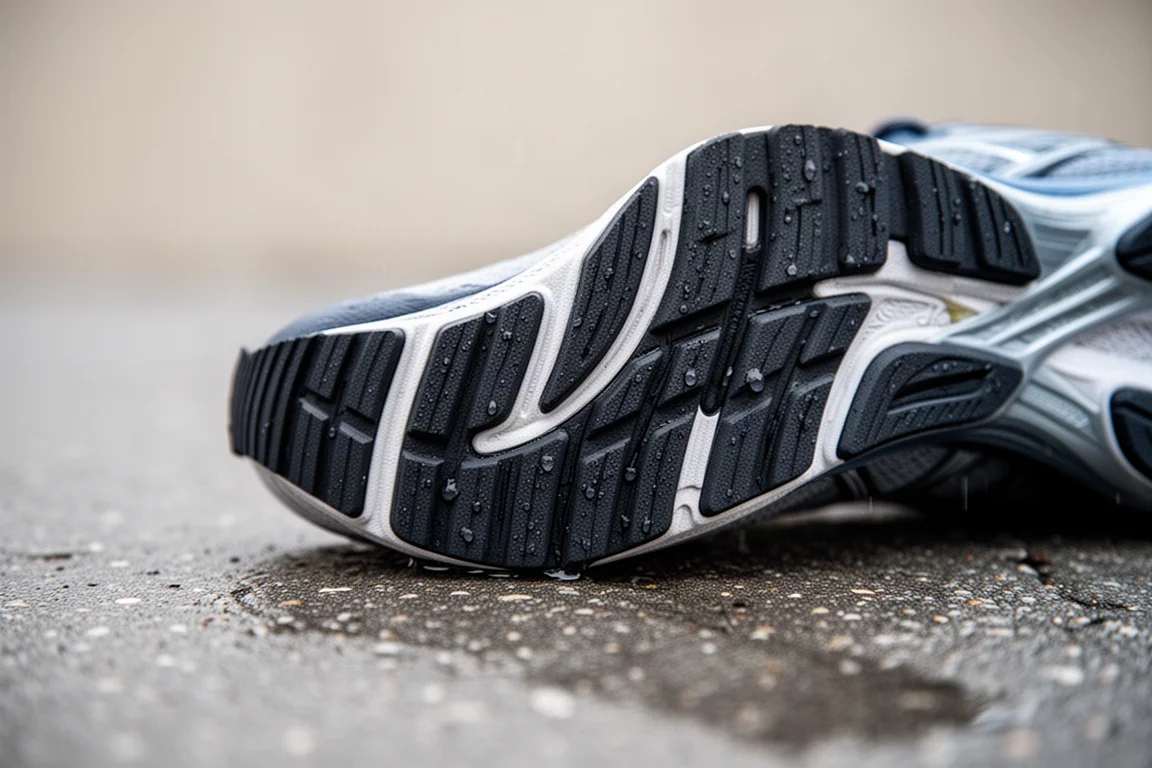
The Continental rubber on the Evo SL is very good in most conditions, but it does not hold up well on smooth surfaces in very wet weather, particularly marble or smooth concrete, and it can be a little dangerous in mud. On wet, smooth surfaces it leaves a bit to be desired.
The Mega Blast has deeper, more robust ridges that work well in wet and dry conditions on road and pavement, handled light trail without trouble, and showed no real sliding on smooth wet surfaces. Both shoes are holding up well so far, though the Mega Blast’s thicker rubber looks better suited to autumn and winter running.
Which Should You Buy?
The Mega Blast’s advantages add up: better laces, better insole, a more breathable upper, no tongue slide, a more versatile midsole with more bounce and no break-in period, and better outsole grip with thicker ridges. If you are training for a full or half marathon, it could tick a lot of boxes in your rotation.
If you are a hobby runner running three or four times a week without real long runs, the Evo SL is more than enough. You could upgrade it with serrated laces and better insoles for maybe £15 to £30 combined, but that pushes you toward roughly £160, and you still cannot fix the tongue slide or the lower stack. At that point, it may be better to simply buy the Mega Blast.
Conclusion
Both shoes are genuinely good, but they are quite different on foot. The Mega Blast earns its higher price through a more polished upper, a more versatile and energetic midsole, and stronger grip, while the Evo SL remains a popular and capable option once broken in. Match the shoe to your running: marathon-buildup miles and long efforts favor the Mega Blast, while shorter everyday training favors the Evo SL.
Further reading
Related Reviews

Running Shoes
Best Road-to-Trail Running Shoes: Three Versatile Options for Mixed Terrain
A practical guide to three road-to-trail running shoes that handle both pavement and mild trails, with clear strengths and trade-offs for different runner types.

Running Shoes
Best Running Shoes for Achilles Tendonitis: Three Options Explained
Three running shoes with different heel drops and support features designed to help reduce Achilles tendon pain during walking and running.

Running Shoes
Best Running Shoes for Women: Five Top Choices Ranked
A ranked guide to five women's running shoes, from versatile daily trainers to high-performance racing options, with real strengths and trade-offs for each.