Running Shoes
Is the Asics Mega Blast a Real Marathon Race Shoe? A Full Verdict After 160 Miles
After 160 miles, speed workouts, and a 25-mile long run, we answer whether the plateless Asics Mega Blast can genuinely stand in for a carbon race shoe on marathon day.
Introduction
The question keeps coming up: should you use the Asics Mega Blast for your fall marathon? Is it a viable race shoe? Are you giving something up by skipping a carbon-plated racer for your PR attempt?
After more than 150 miles in the shoe, including long runs, treadmill jogs, tempo work, and a structured VO2 max session, the short answer is yes. It is a resounding yes. But the reasoning is not what most people expect, and the right alternative for you depends heavily on your goal time. This guide breaks down how the Mega Blast performs at speed, how it stacks up against the Super Blast 2, MagMax, Mach X3, DV8 Nitro Elite 3, Adios Pro 4, and Fast R3, and which shoe makes sense for a sub-3, sub-3:40, or sub-4 hour marathon.
What Makes the Mega Blast Different
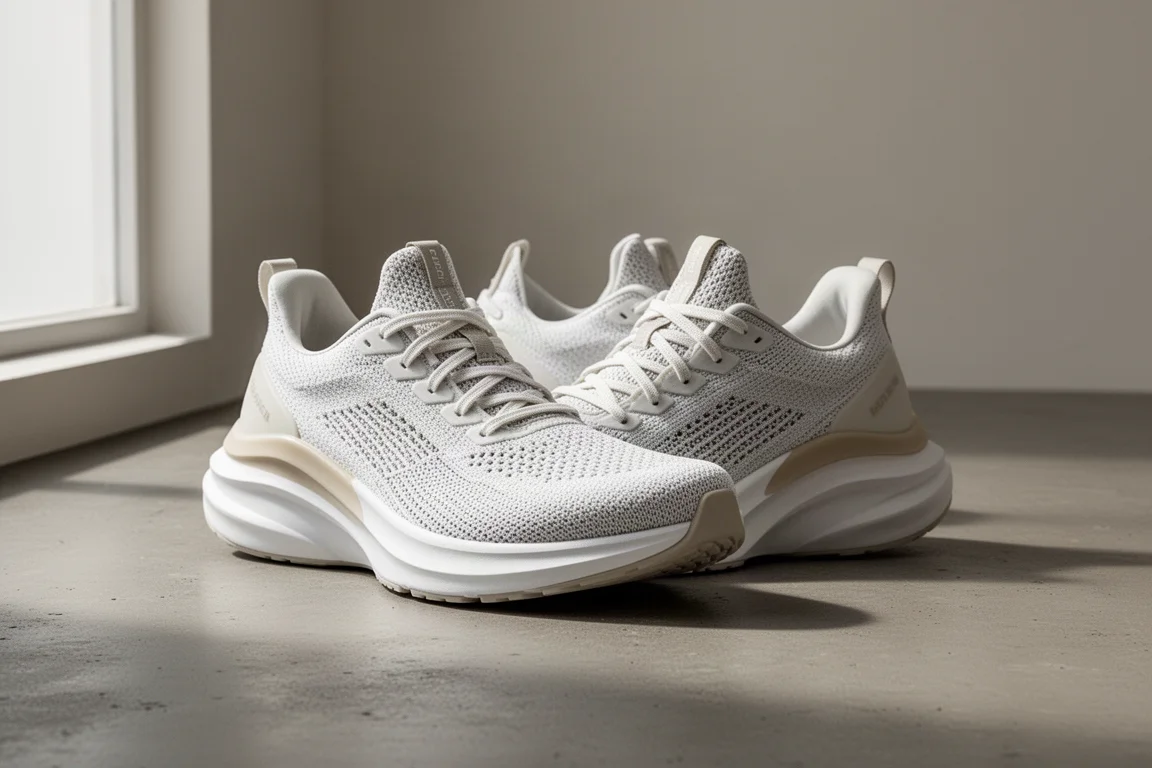
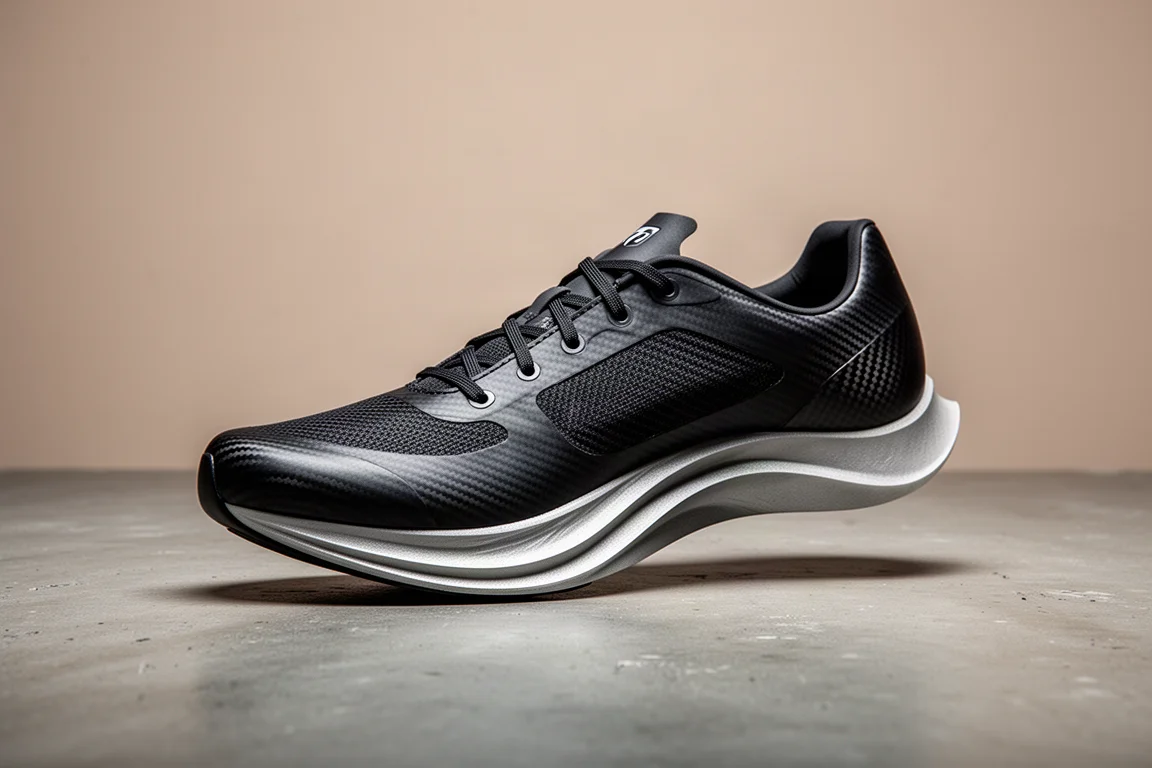
The Mega Blast skips the carbon fiber plate but still delivers a relatively stiff platform underfoot. It uses FF Turbo Squared foam, an aliphatic TPU compound, with a generous chunk of stack in the heel. The reason so many runners are considering it for the marathon comes down to three things: excellent stability, a lot of foam underfoot, and a surprisingly low weight.
At about 250 grams, it sits well under a traditional max-cushion trainer, which usually runs closer to 300 grams. Race shoes come in around 220 grams or less, but they do not offer the same stability and width through the heel. The Mega Blast genuinely has stability up there with the best of them. It is not wobbly at all, the foam is very energetic, and the upper has a race-oriented fit.
Fit, Feel, and the Two Complaints Worth Knowing
In a true US 10.5, there is comfortable room at the front of the shoe without slamming into the toe box, and the upper does not feel overly cinched. The two complaints that surface most often are a tight upper across the top of the foot and lace bite. Neither showed up here, and after a few runs the upper settled in and stopped being an issue entirely.
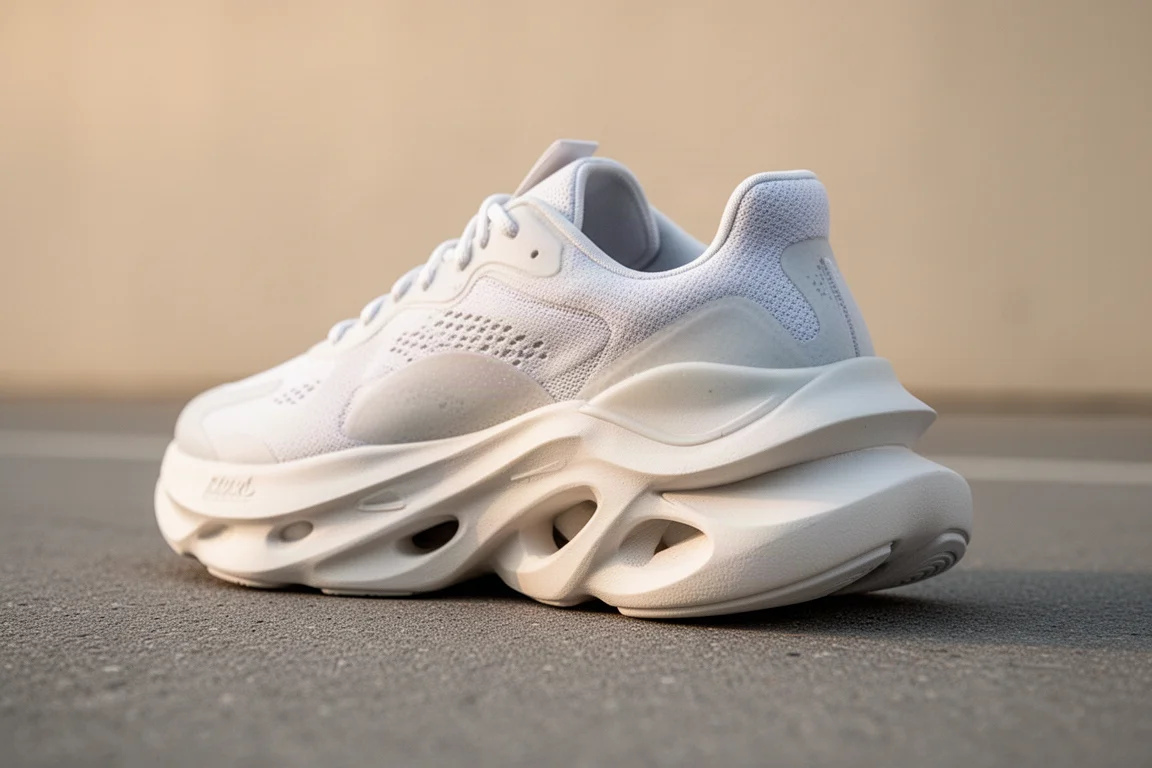
If you are prone to lace bite, the fix is simple: loosen the laces and retie, or try a thicker sock. Give the shoe two or three runs to break in before making any judgment on fit. One minor note late in the shoe’s life: a little sensation near the big toe at the front, which may have been more about toenail length than the shoe itself.
A Real Speed Test at VO2 Max Pace
To answer the race-shoe question properly, the shoe was taken through a structured speed session that would normally be run in a carbon shoe: 12 reps of one minute at VO2 max effort, roughly 4:50 pace, with short 40-second recoveries. The goal was to crank the heart rate above 180 and hold it there, and the shoe delivered without a single step where it felt like it was holding anything back.

That is the real reason this is a viable race shoe. It is not that it is the most aggressive or the lightest shoe on the market. It just works. It has the requisite speed, it is light enough not to slow you down, and it has the comfort to survive 26.2 miles. After a 25-mile long run with zero discomfort, followed by a 15-mile treadmill run the next morning, the foam held up without turning mushy.
Mega Blast vs Asics Super Blast 2
The Super Blast 2 has been a popular marathon shoe for runners targeting 3:45 and slower, and the Mega Blast is best understood as an upgrade to it. The difference comes down to feel: the Mega Blast is softer and more energetic, while the Super Blast 2 is firmer and more stable.
Once you dip under the four-hour mark, the Super Blast 2 drops out of contention as the optimal choice. The Mega Blast simply feels faster, quicker, and nimbler. The faster you are, the more the Mega Blast makes sense over the Super Blast 2.
Mega Blast vs Puma MagMax
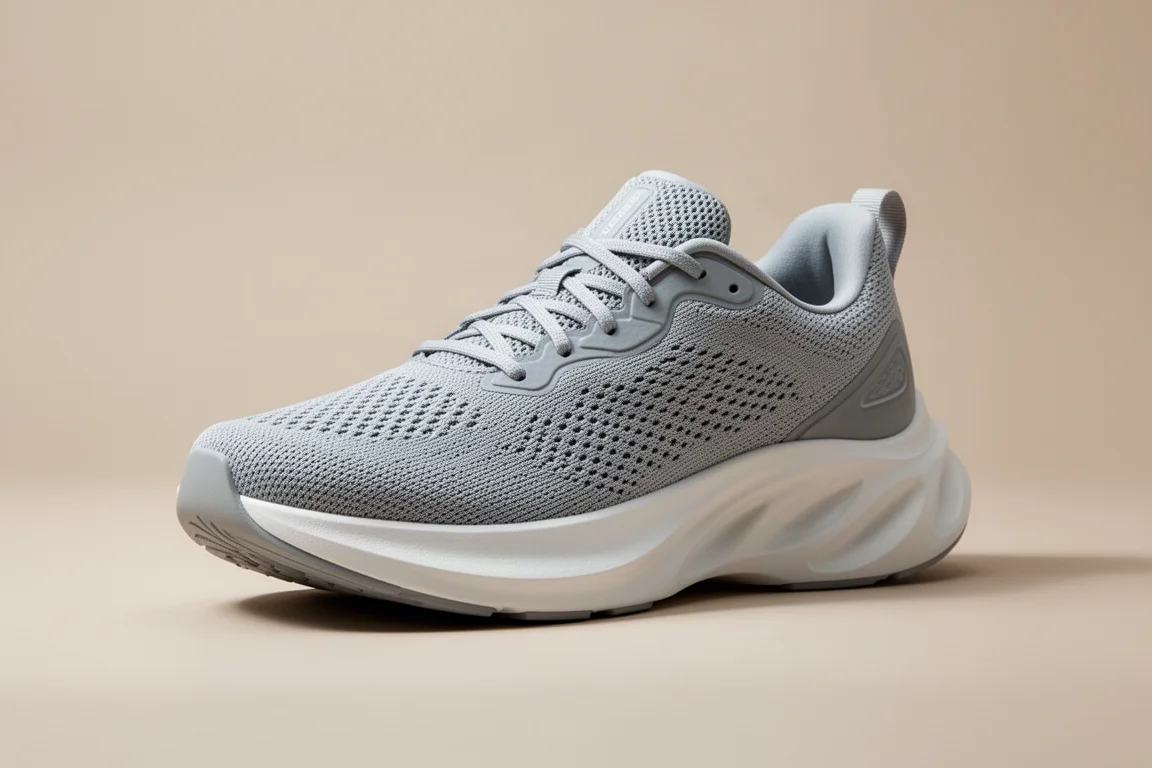
The MagMax follows the same logic as the Super Blast 2: more stability, a slightly firmer and less aggressive ride, and a feel that is better optimized for time on feet than for speed. It is also heavier than the Super Blast 2, but the geometry is less choppy, which many runners find more comfortable over long distances.
The cleanest way to split these two: the Mega Blast is best at running fast, the MagMax is best at running long. If you are closer to the three-hour mark, go Mega Blast. If you are closer to four hours, the MagMax is a genuinely good pick.
Mega Blast vs Saucony Mach X3
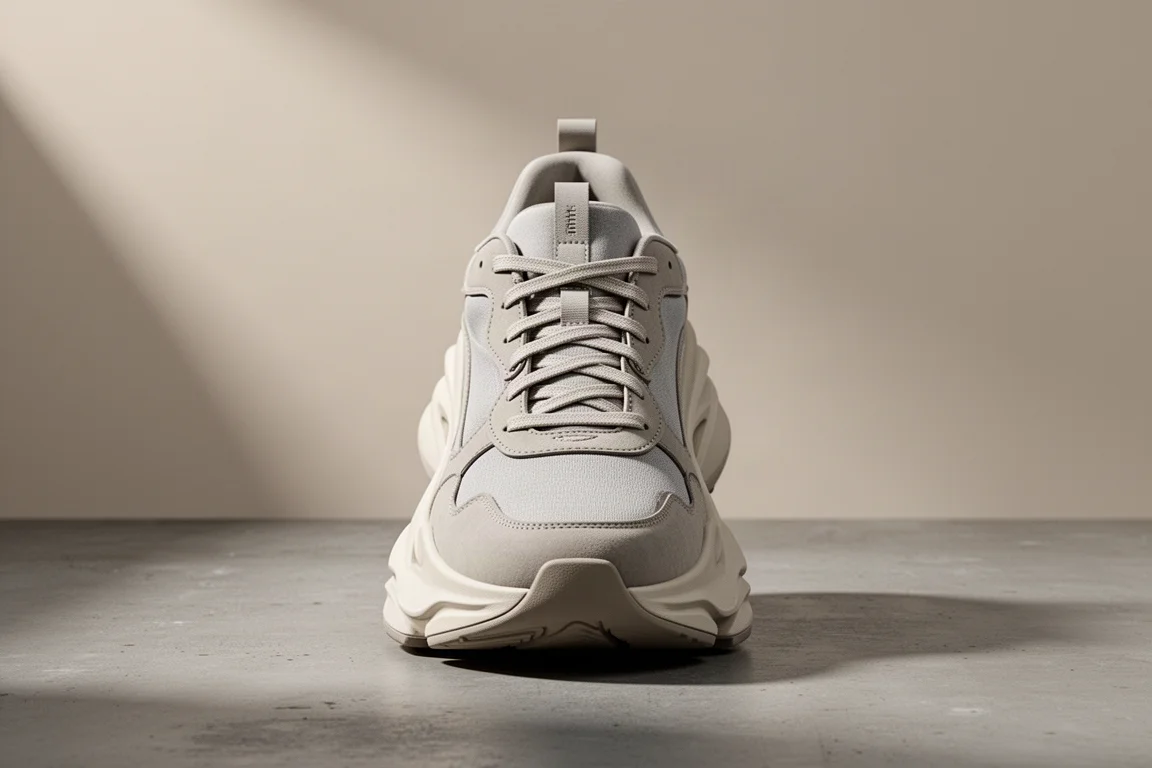
The Mach X3 is one of the best plastic-plated shoes available, with a notably smooth and comfortable ride thanks to a redesigned, more relaxed upper compared to its more aggressive predecessor. It has even handled 20-mile long runs at around 8-minute pace with ease.
The honest verdict: the Mega Blast can do everything the Mach X3 can, while the Mach X3 is perhaps slightly more comfortable underfoot and likely stands up better as a training workhorse. For racing speed, Mega Blast. For long-run capability and durability in one shoe, Mach X3.
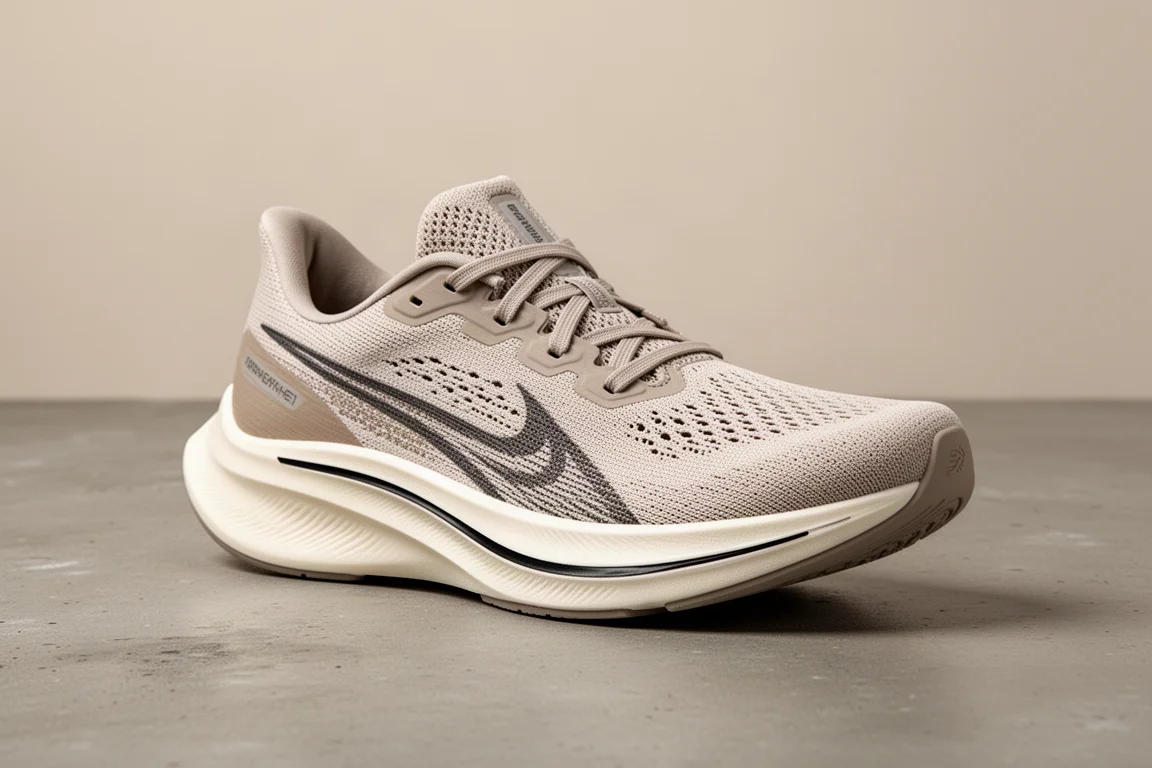
Mega Blast vs Puma DV8 Nitro Elite 3
This is where the carbon question gets real. The DV8 Nitro Elite 3 has the carbon plate and genuine race foam, and the Mega Blast is not faster than it. For a sub-2:30 or sub-2:40 PR attempt, the carbon shoe is the clear pick, and the stiffness benefits start making a real difference around the 3:15 and sub-3 range.
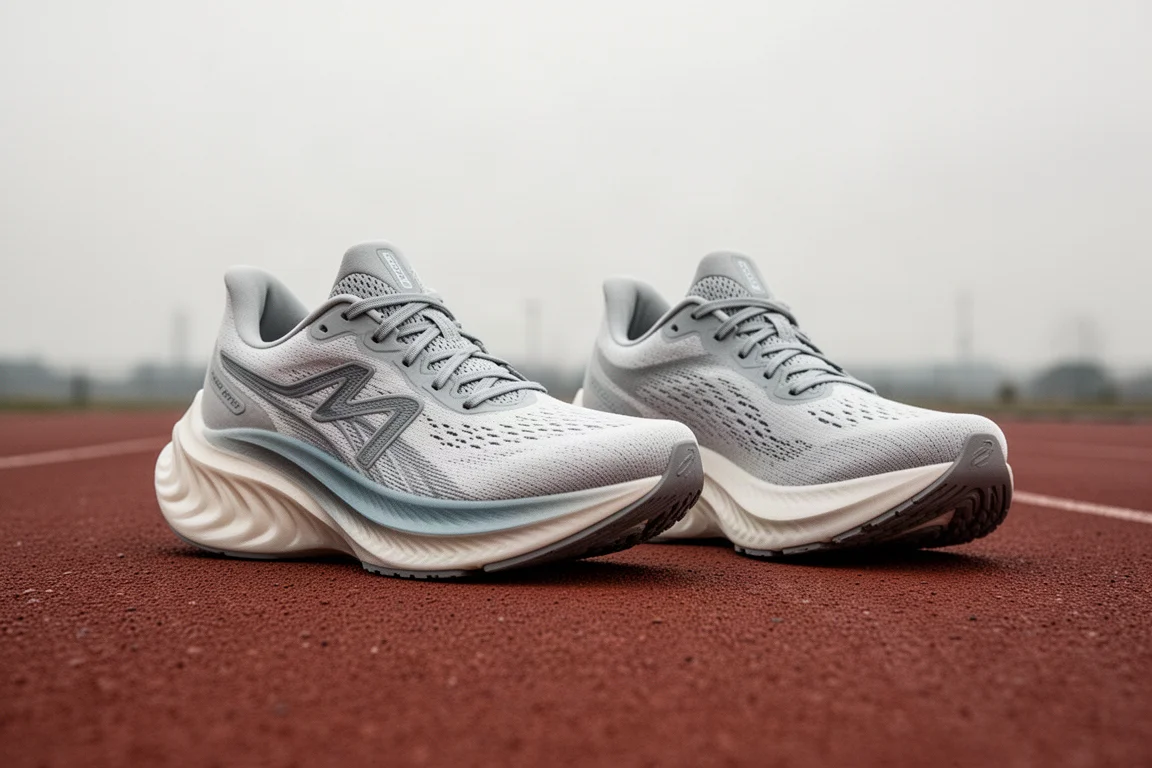
The trade-off is comfort. There is no plate in the Mega Blast to potentially bother your feet over the long miles, and the DV8 Nitro Elite 3 also happens to have one of the most normal, stable feels of any race shoe out there. If you want the speed and snap of carbon, take the Puma. If you want comfort over the war of attrition, take the Mega Blast.
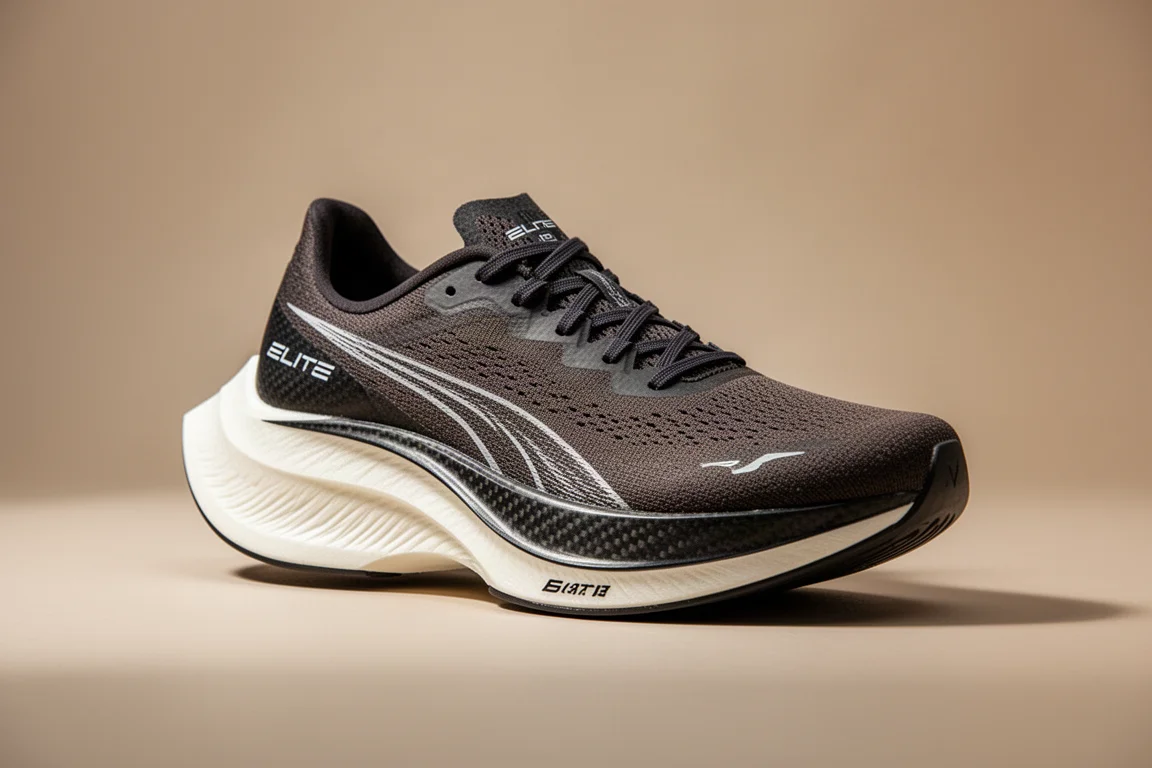
Mega Blast vs Adidas Adios Pro 4
The Adios Pro 4 is a much softer shoe despite its carbon rods construction. The Mega Blast feels slightly firmer, but the quickness is there and the geometry is very similar, making this a surprisingly close matchup at the front end.
The difference shows up in the heel. The Adios Pro 4 has a soft, sinking-down feel on landing that some runners will love and others will not. The Mega Blast has a more normal feel, closer to a standard daily running shoe. If you want soft speed, go Adios. If you want a firmer, more stable, more familiar feel, the Mega Blast or the DV8 Nitro Elite 3 are the better calls.
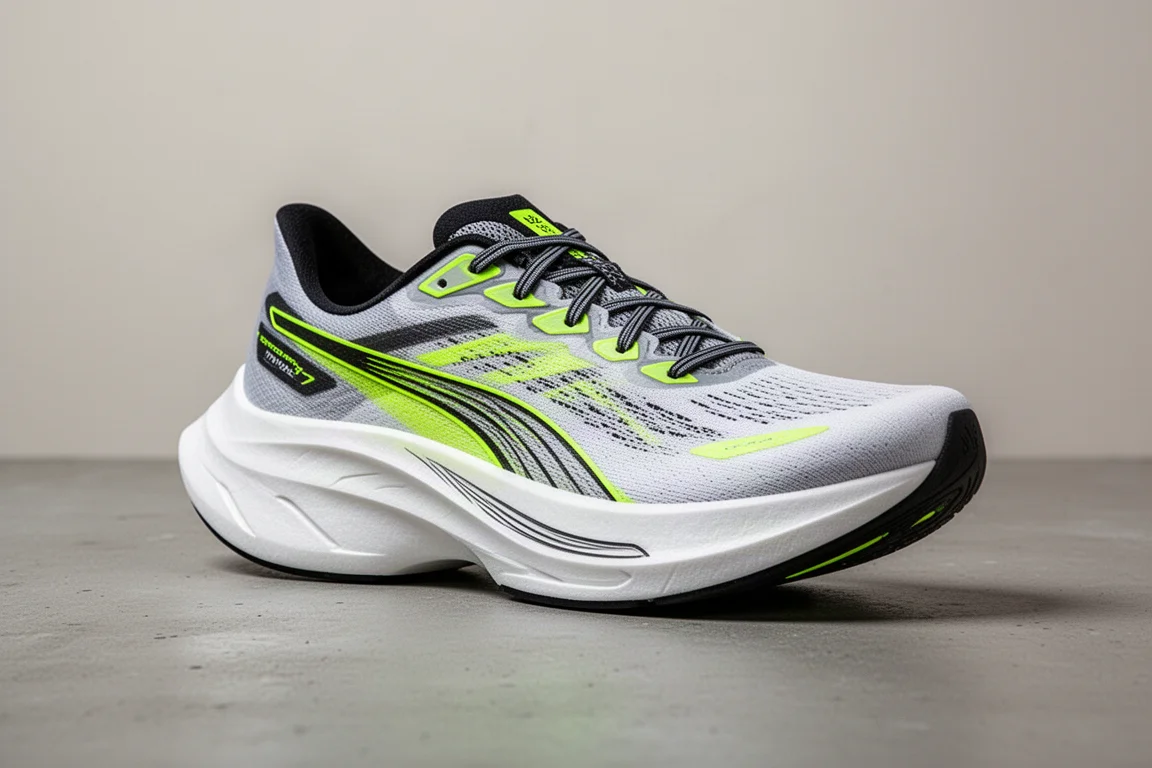
When Only the Fastest Will Do: Saucony Fast R3
There is a place for the absolute fastest ride, and the Fast R3 represents that demon-time category. If you are fully confident in your fitness and the marathon is a speed question rather than an endurance question for you, the Fast R3 or similar max-level racers give you that extra margin at the front end.
But those optimizations only matter if you have the strength and endurance to use them. The Fast R3 style shoes are also notably harsher on the calves, and for anything around four hours or longer, including long ultras like a 50K or 40-miler, they stop making sense. If you want the fastest possible option for a hard, aggressive race effort, this is your lane.
Durability After 160 Miles
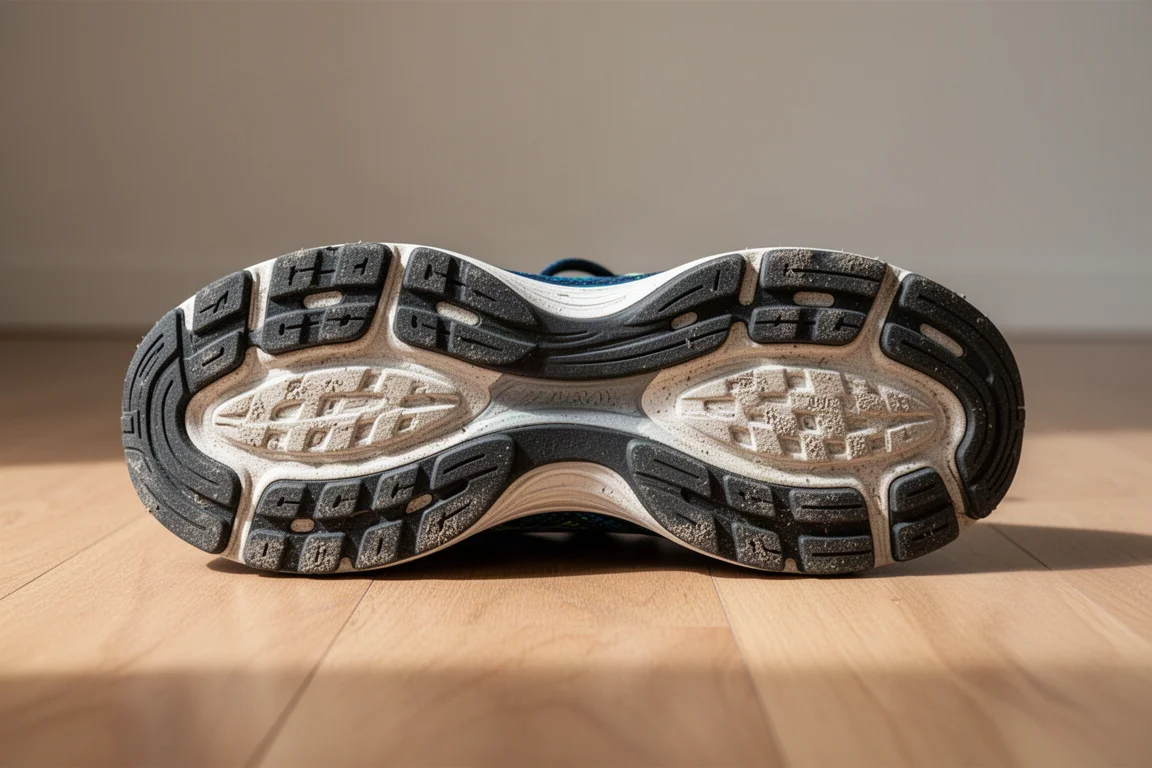
At roughly 160 miles, the Mega Blast is in fantastic shape. The rubber coverage looks close to new after a wipe-down, the exposed foam shows only expected wear, and the foam itself shows no signs of fatigue. The most worn area is the lateral heel, where aggressive toe-off during speed work naturally chews into the rubber.
This matters for the marathon specifically. You want a shoe that can stand up for the entirety of the run, and even without a plate, the thick foam here does not get mushy. One technical footnote: the Mega Blast technically exceeds World Athletics stack rules for certified race times, which only matters at the elite level. For everyone else, it is a non-issue.
Buying Advice: Which Shoe for Which Marathon
For sub-4 and sub-3:40 marathoners, the Mega Blast is close to an automatic pick. Racing at those times is an endurance battle about hanging on, and a comfortable, stable, fast-enough shoe is exactly the right tool. There is also a practical argument: if you do not want to buy a $250 race shoe on top of your daily trainer, this is the one-shoe solution.
For sub-3 attempts, it is still viable, but the carbon shoes start earning their keep if you are confident and strong. The rule of thumb: if the marathon is an endurance question for you, go Mega Blast. If it is purely a speed question, go carbon. For 5Ks and 10Ks, the Mega Blast offers more than enough speed for most runners, though on a truly great day the fastest plated shoes give a bit more.
Conclusion
The Asics Mega Blast is 100% a viable race shoe, and possibly the best plateless option ever made for the marathon distance. It handles 25-mile long runs, recovery jogs, tempos, marathon pace, and 4:50 VO2 max reps without complaint, delivers most of what a carbon shoe offers for the vast majority of marathoners, and skips the harshness that aggressive racers inflict on your legs. If your goal race is about endurance, comfort, and hanging on, this might be the smartest shoe choice you can make.
Further reading
Related Reviews

Running Shoes
Best Road-to-Trail Running Shoes: Three Versatile Options for Mixed Terrain
A practical guide to three road-to-trail running shoes that handle both pavement and mild trails, with clear strengths and trade-offs for different runner types.

Running Shoes
Best Running Shoes for Achilles Tendonitis: Three Options Explained
Three running shoes with different heel drops and support features designed to help reduce Achilles tendon pain during walking and running.

Running Shoes
Best Running Shoes for Women: Five Top Choices Ranked
A ranked guide to five women's running shoes, from versatile daily trainers to high-performance racing options, with real strengths and trade-offs for each.