Running Shoes
ASICS Mega Blast: A 200-Mile Look at a Do-It-All Speed Trainer
After two centuries of mileage, the Mega Blast has softened, adapted, and held up remarkably well. Here is how it performs past the 200-mile mark.
Introduction
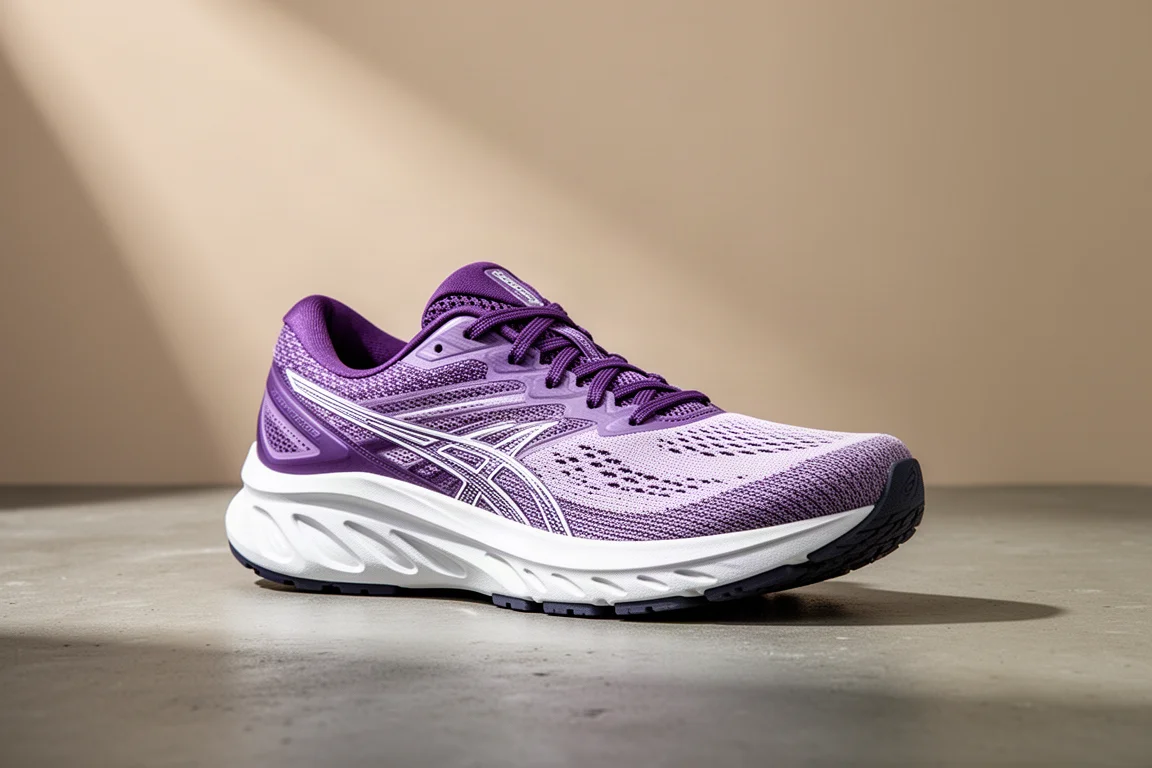
Some shoes are fun for a hundred miles and then quietly fall apart. The ASICS Mega Blast has done the opposite. After 200 miles, it is still performing flawlessly, and the long-term picture has actually changed the way the shoe behaves for the better.
This is a non-plated, decently lightweight daily trainer: around 250g with a 45mm stack height and an 8mm drop. Out of the box, it is energetic, bouncy, and fast. After two centuries of mileage, it has developed into something a little different, and understanding that shift is the key to deciding whether this shoe belongs in your rotation.
Who This Product Is For
The Mega Blast is built for runners who want one shoe to cover a surprising range of work. It handles everyday runs, and it handled a 25-mile long run in training without complaint. It is the kind of shoe that encourages you to pick up the pace: it wants you up on the forefoot, and it rewards effort with a lively, snappy ride.
It is also a shoe for people who already have a rotation. If you run a few times per week, pairing it with something more traditional, simple, and supportive, like a classic structured trainer, makes a lot of sense. It is unlikely to be anyone’s first running shoe, and it works best alongside, rather than instead of, a plainer daily option.
The Big Question: Does the Foam Soften Up?
The main early question around this shoe was firmness. Some runners found it too stiff, and wondered whether you had to run fast to get the most out of it. From mile 100 to 200, that experience genuinely shifted. The foam reads noticeably softer and more comfort-oriented now, which turned the Mega Blast into a legitimate daily trainer rather than a shoe that always demands pace.
There is an important nuance, though. The foam is an aliphatic TPU compound, and how it feels depends heavily on how often you run in it. Run in it frequently, especially on back-to-back days or at higher weekly volume, and it softens into a more relaxed daily-trainer feel. Reserve it and run in it less often, and the snap and rigidity regenerate, keeping it stiffer and more speed-focused. That is essentially what break-in is: frequent use breaks down the foam’s tension, while rest lets it bounce back.
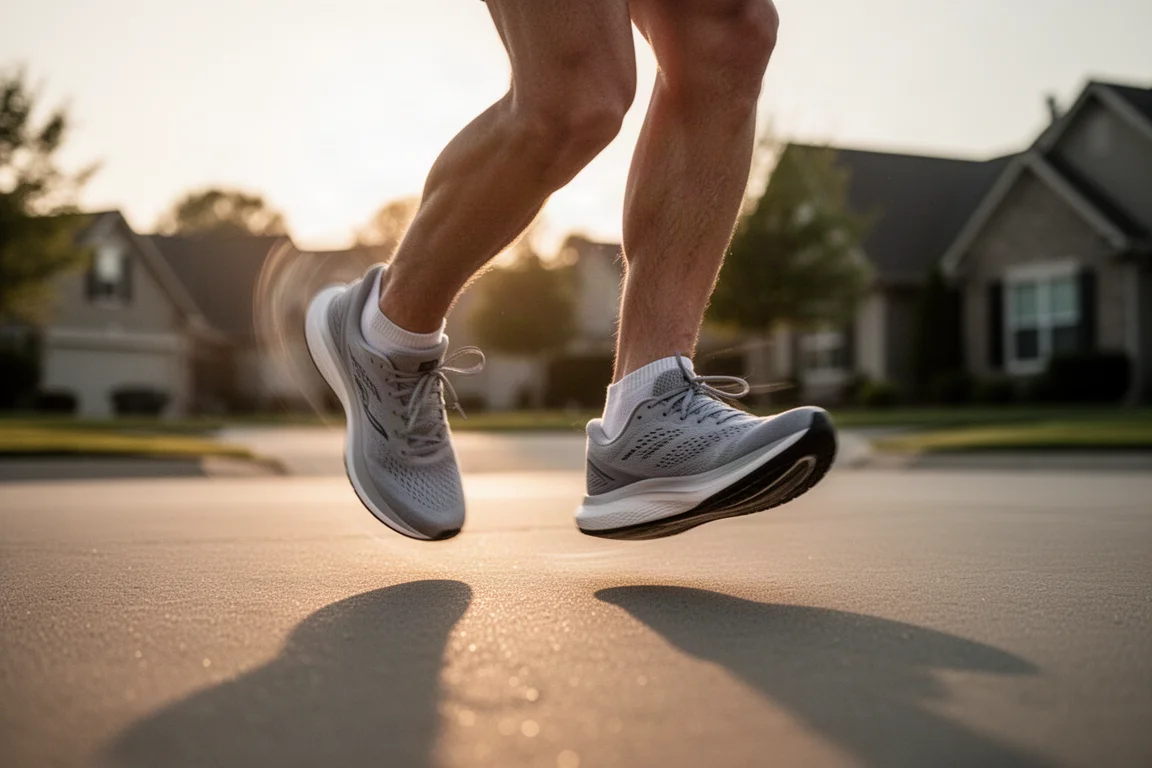
In practice, this makes the Mega Blast something of a chameleon. Want a speed shoe? Use it mostly for workouts and it will stay snappy. Want a daily trainer? Run in it four or five times a week and it softens right up. It is common sense when you think about it, but the effect is unusually pronounced in this shoe.
Things to Consider Before Buying
Three trade-offs are worth knowing about before you commit.
First, the price. It sits at a premium level, and that is simply what it costs new, though secondhand marketplaces can bring the price down considerably.
Second, the break-in. Out of the box, the ride is very aggressive and bouncy, and it wants you to put real effort in. The first 100 miles came quickly and energetically, but the shoe needed those miles to settle into its more balanced character.
Third, the upper. This is the weakest point of the shoe. There is a tight feeling across the front of the foot, some runners have experienced lace bite on the top of the foot, and the toes can bump against the toe box. Padded socks can help with the top-of-foot pressure. The good news: at 200 miles, those upper issues had completely gone away, so the upper, like the midsole, seems to need break-in.
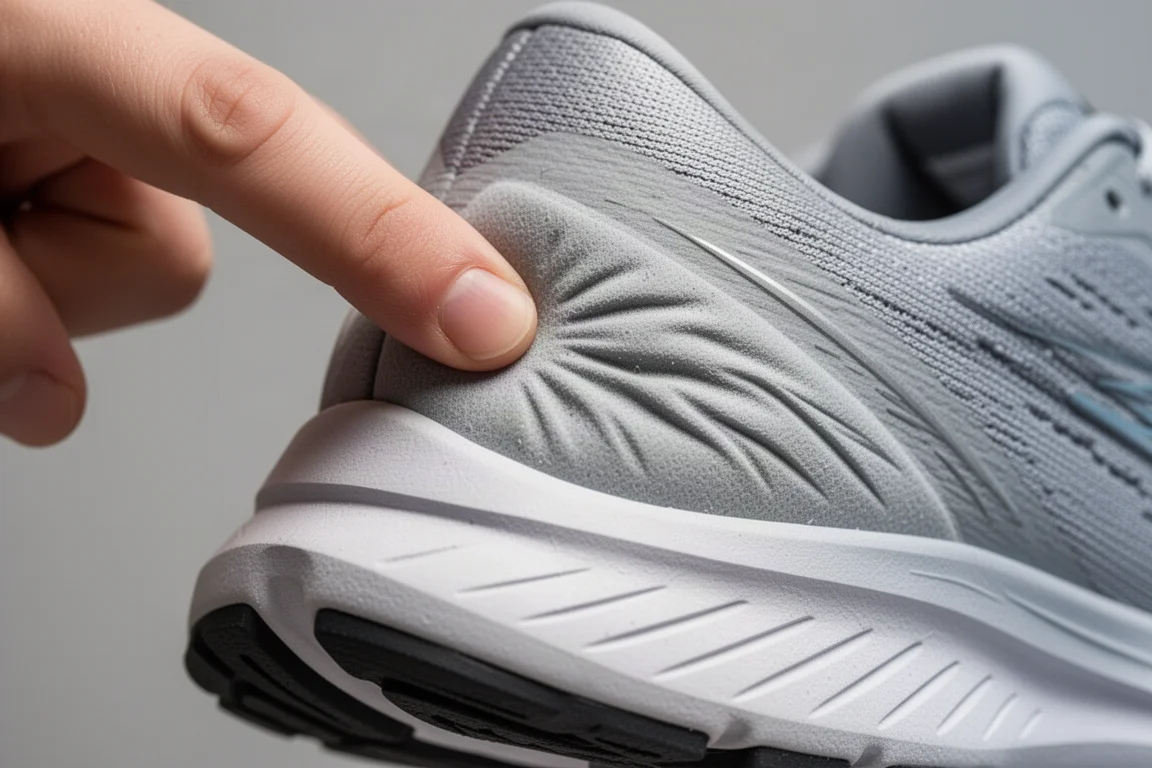
One more dynamic to watch: the heel can sink a little more on faster paces as the foam softens. This is not a slower shoe, but there is a trade-off between the added comfort and a small loss, perhaps one to two percent, in speed capability at high mileage. How that lands for you will depend on your paces and your mileage habits.
Durability After 200 Miles
Durability is where this shoe quietly earns its reputation. At 200 miles, the outsole rubber is practically untouched, with grip that can only be described as tank-like. The upper stayed in good shape without any special cleaning or care.
The foam, meanwhile, has held its character. Even after heavy daily use in the week before a marathon, when the shoe went noticeably soft, the snap and rigidity regenerated with rest. At 200 miles it does not feel like it is losing anything meaningful, which is rarer than it should be in a lightweight, bouncy trainer.

Buying Advice
If you want a single do-it-all daily trainer and speed trainer, the Mega Blast fits that brief exceptionally well. It is bouncy, still feels good out of the box, and past 200 miles it remains a genuinely fast, versatile option.
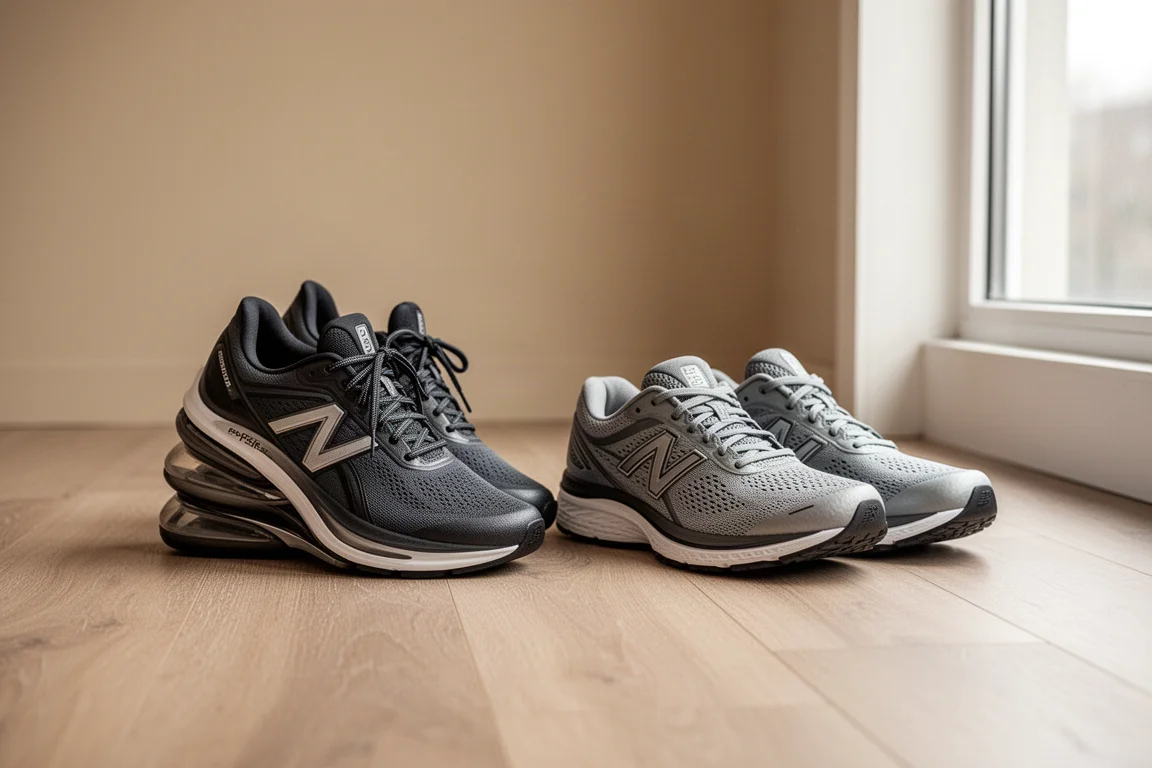
Pair it with something simple, supportive, and traditional, a shoe that does not force you to run fast, rather than another tall super-trainer. That contrast keeps both shoes honest and extends the life of each. If you train at very quick paces and worry the Mega Blast might eventually feel too soft as a workout shoe, the honest answer is that you probably already have a rotation with a dedicated speed option anyway.
Conclusion
At 200 miles, the ASICS Mega Blast remains a standout. It adapts to how you use it, holds up impressively against wear, and delivers a ride that is still bouncy and responsive long after most shoes have faded. The tight upper and premium price are real trade-offs, but for runners who want one shoe that can genuinely cover daily miles and fast days, it is hard to do better.
Product link
View more details for Asics Mega Blast
This product is mentioned in the review. Check the specifications, options, and compatibility before buying.
View more details for Asics Mega BlastFurther reading
Related Reviews

Running Shoes
Best Road-to-Trail Running Shoes: Three Versatile Options for Mixed Terrain
A practical guide to three road-to-trail running shoes that handle both pavement and mild trails, with clear strengths and trade-offs for different runner types.

Running Shoes
Best Running Shoes for Achilles Tendonitis: Three Options Explained
Three running shoes with different heel drops and support features designed to help reduce Achilles tendon pain during walking and running.

Running Shoes
Best Running Shoes for Women: Five Top Choices Ranked
A ranked guide to five women's running shoes, from versatile daily trainers to high-performance racing options, with real strengths and trade-offs for each.