Running Shoes
ASICS Mega Blast After 100 Miles: A Durable, Bouncy Daily Trainer Worth the Premium
A long-term look at the ASICS Mega Blast, covering how its aliphatic TPU midsole holds up, where it fits in a rotation, and which alternatives actually make sense.
Introduction
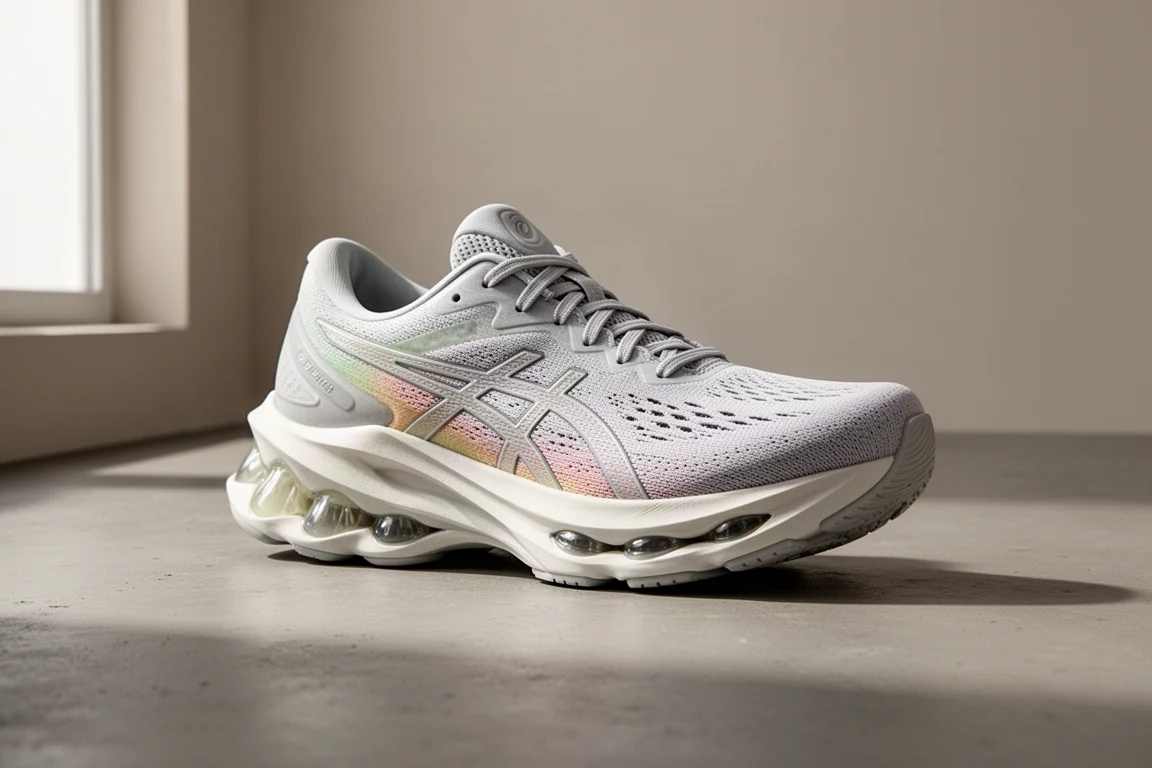
Some shoes feel fast on the first run and slowly lose their charm. The ASICS Mega Blast has done the opposite: after 100 miles, it still feels close to fresh out of the box, with the same bounce and lightness that made it an immediate contender among the best shoes of 2025. At $225, it is not cheap, but the long-term picture makes the premium easier to justify.
How the Mega Blast Performs at 100 Miles
The Mega Blast is essentially a daily trainer, but its taller stack, bouncy ride, and lighter weight make it ideally suited for long runs. That has been the natural home for it: medium-long midweek runs with uptempo miles, steady efforts between easy and marathon pace, and everything in that sweet spot where the shoe simply likes moving quickly.
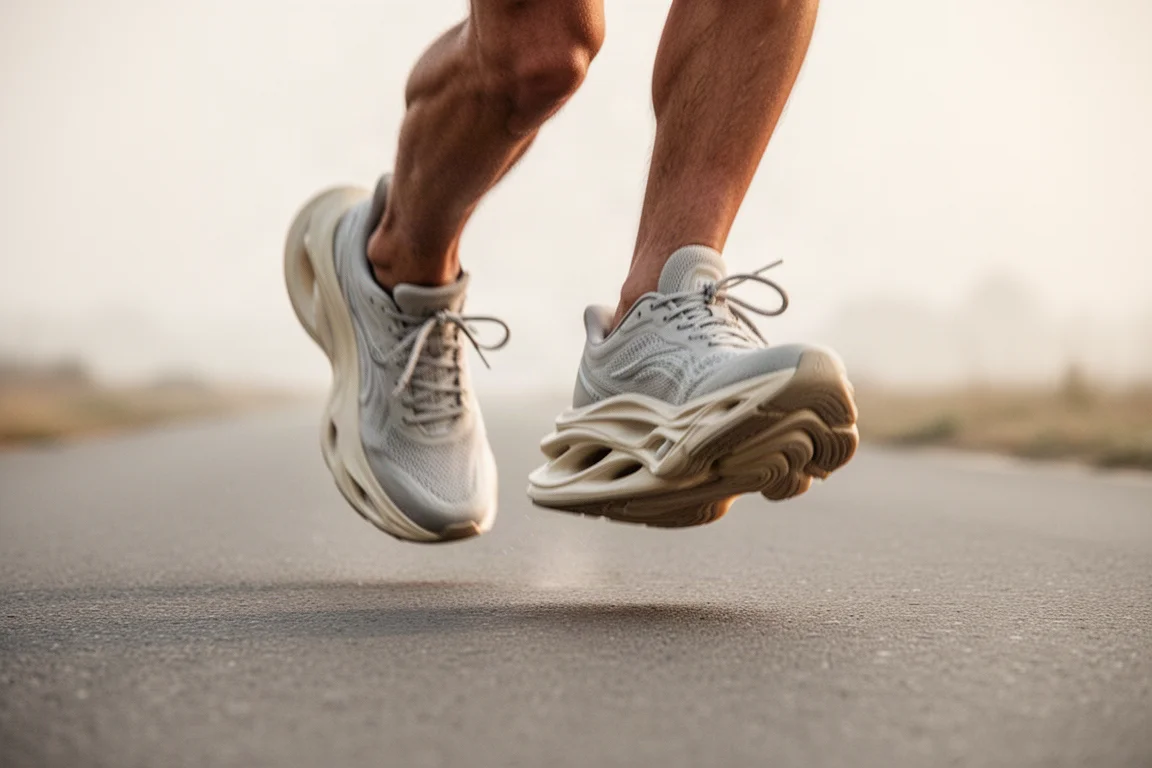
The midsole uses FF Turbo Squared, an aliphatic TPU foam that is lightweight and bouncy while still cushioned enough to handle repeated impacts over long distances. It is not as aggressive as a racing shoe, which is exactly the point. Easy runs, speedy long runs, fartleks, and intervals are all fair game. The one scenario where it falls short is a true recovery run, where a plusher, slower, more pampering shoe is usually the better tool.
Durability and Midsole Wear
Aliphatic TPU foams tend to break the usual trade-off where the better a foam feels, the shorter its lifespan. In the Mega Blast, the foam is tuned for daily training and long runs rather than outright racing, and that shows in how it ages.
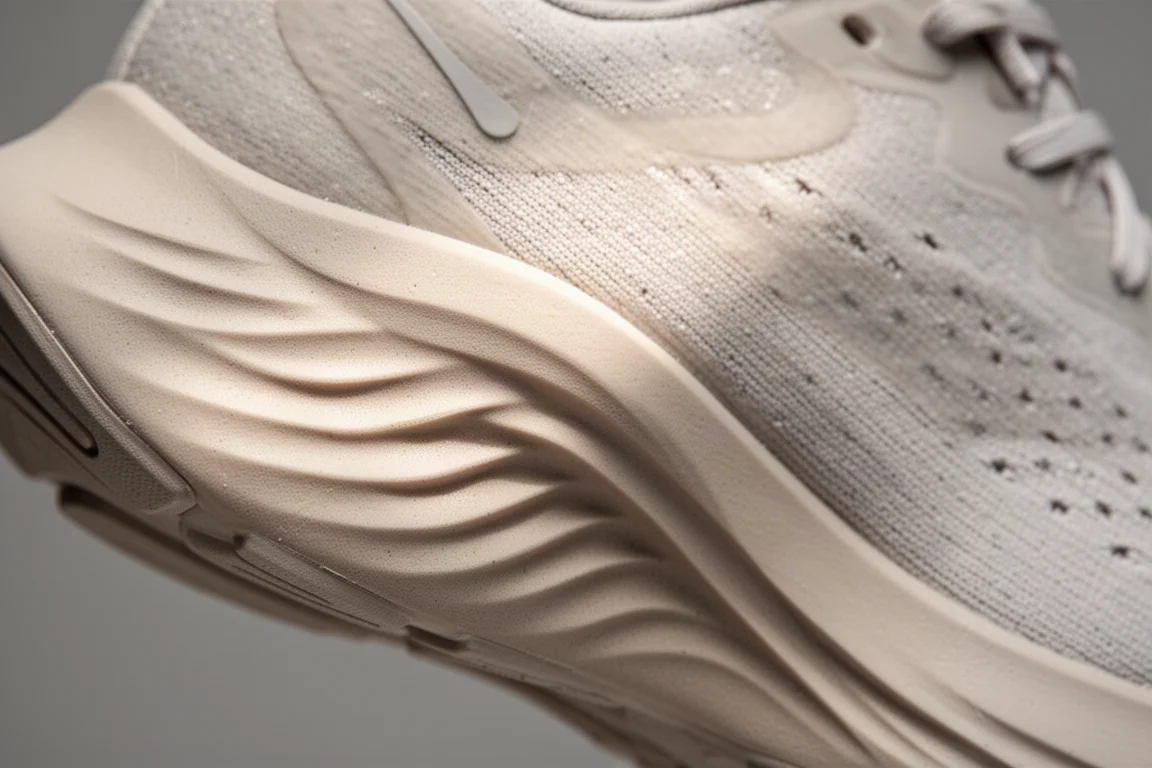
After 100 miles, there is visible creasing on the TPU midsole, but underfoot the shoe still feels close to new. The compression and decompression that made the ride feel dynamic on run one is still there: the foam catches the foot on landing and springs back with a satisfying pop on toe-off. There is plenty of life left in this midsole.
The upper is where the first real signs of wear appear. In the color-fade transition zones, a small area on the medial side shows slight peeling or fraying, though it is purely cosmetic and hard to notice without a close look. The foam padding at the back of the heel collar is starting to show light friction marks in both shoes. Otherwise the upper holds up well, though the material is on the rough, less forgiving side, similar to earlier Super Blast 1 era products, and it can still rub the top of the toes on longer runs.
Outsole and Grip After 100 Miles
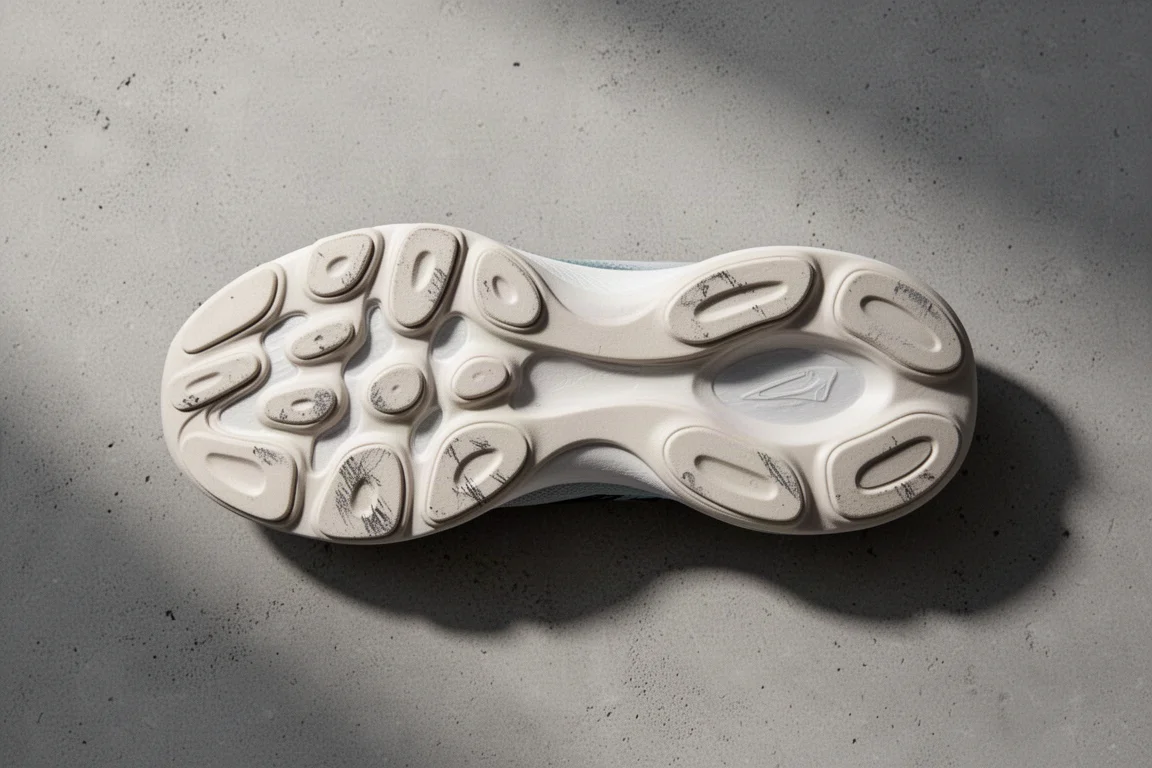
The outsole is the most pleasant surprise. There is very little rubber on this shoe, with a lot of exposed foam, yet the wear is minimal. The areas where feet land directly on the TPU show only light scuffing along the channels, and the rubber that is present is holding up well, including in the usual high-wear spots at the outer heel and the forefoot band.
The one area with slightly more wear is the forefoot trampoline pods, where the exposed foam scuffs a bit more, but even there it is less than expected at 100 miles. Because this shoe tends to be used at quicker paces with less time spent in the heel, the pattern makes sense. Overall, it exceeds expectations for a daily trainer outsole.
Fit and Sizing
The Mega Blast runs true to size for a normal running shoe size, and the fit has held up well over the miles. The upper material is not the softest and has a slightly rough hand feel, so runners with sensitive toe boxes should be aware that longer runs can occasionally cause rubbing at the top of the toes.
Buying Advice
The Mega Blast launched at $225 and still retails for that price, and it is unlikely to go on sale soon given how new it is. That price is hard to love, but the durability of the TPU foam means the miles per dollar picture is better than it first appears. If a faster, lighter long-run and workout shoe is the goal and a separate plush recovery shoe already exists in the rotation, this is the one to pick.
Alternatives Worth Considering
The Brooks Hyperion Max 3 no longer works well as a direct alternative. It has proven more enjoyable as a regular max cushion shoe, mainly because of its weight, so it fills a slightly different role.
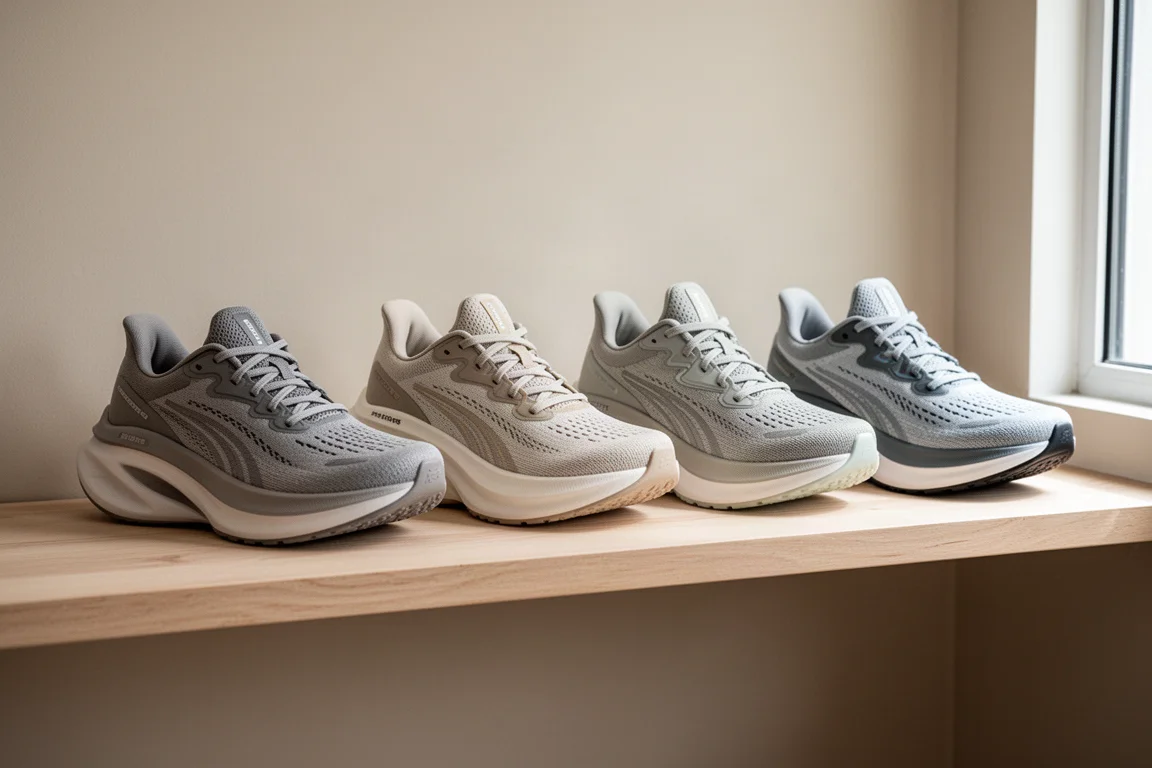
The Nike Invincible 3 remains one of the best alternatives to the Mega Blast, though being an older shoe, finding available pairs is the challenge. The Nike Vomero Plus is its successor in spirit, but it leans more toward pure max cushion, with a big puffy tongue and generous foam at the heel collar. It can still pick up the pace for peppy long runs, but at around 10 ounces in a US men’s size 9, it is heavier than ideal for that role. It retails for $180, which feels like the right price for this category.
The ASICS Super Blast 2, running on FF Turbo Plus foam, is peppy, picks up the pace well, and is lighter than the Vomero Plus though not as light as the Mega Blast. It costs $200 and works for long runs, max cushion duty, and workouts. The simplest way to choose between it and the Mega Blast: pick the Super Blast 2 if you want one shoe that can go long and double as a recovery shoe, and pick the Mega Blast if speed matters more and you already have a good recovery option.
Conclusion
At 100 miles, the ASICS Mega Blast remains one of the most fun daily trainers available, with a bouncy aliphatic TPU ride that is holding up far better than most premium foams. The $225 price is steep and the upper shows minor cosmetic wear, but the combination of speed, durability, and versatility keeps it near the top of the 2025 shoe list. For runners who want a long-run shoe that can also handle workouts, it is an easy recommendation.
Product link
View more details for ASICS Mega Blast
This product is mentioned in the review. Check the specifications, options, and compatibility before buying.
View more details for ASICS Mega BlastFurther reading
Related Reviews

Running Shoes
Best Road-to-Trail Running Shoes: Three Versatile Options for Mixed Terrain
A practical guide to three road-to-trail running shoes that handle both pavement and mild trails, with clear strengths and trade-offs for different runner types.

Running Shoes
Best Running Shoes for Achilles Tendonitis: Three Options Explained
Three running shoes with different heel drops and support features designed to help reduce Achilles tendon pain during walking and running.

Running Shoes
Best Running Shoes for Women: Five Top Choices Ranked
A ranked guide to five women's running shoes, from versatile daily trainers to high-performance racing options, with real strengths and trade-offs for each.