Running Shoes
ASICS Magic Speed 5 Review: A Lightning-Fast Speed Trainer With Real Trade-Offs
The Magic Speed 5 is one of the lightest, most aggressive speed trainers on the market. It rips at hard paces but demands a lot everywhere else. Here's who should buy it and who should skip it.
Introduction
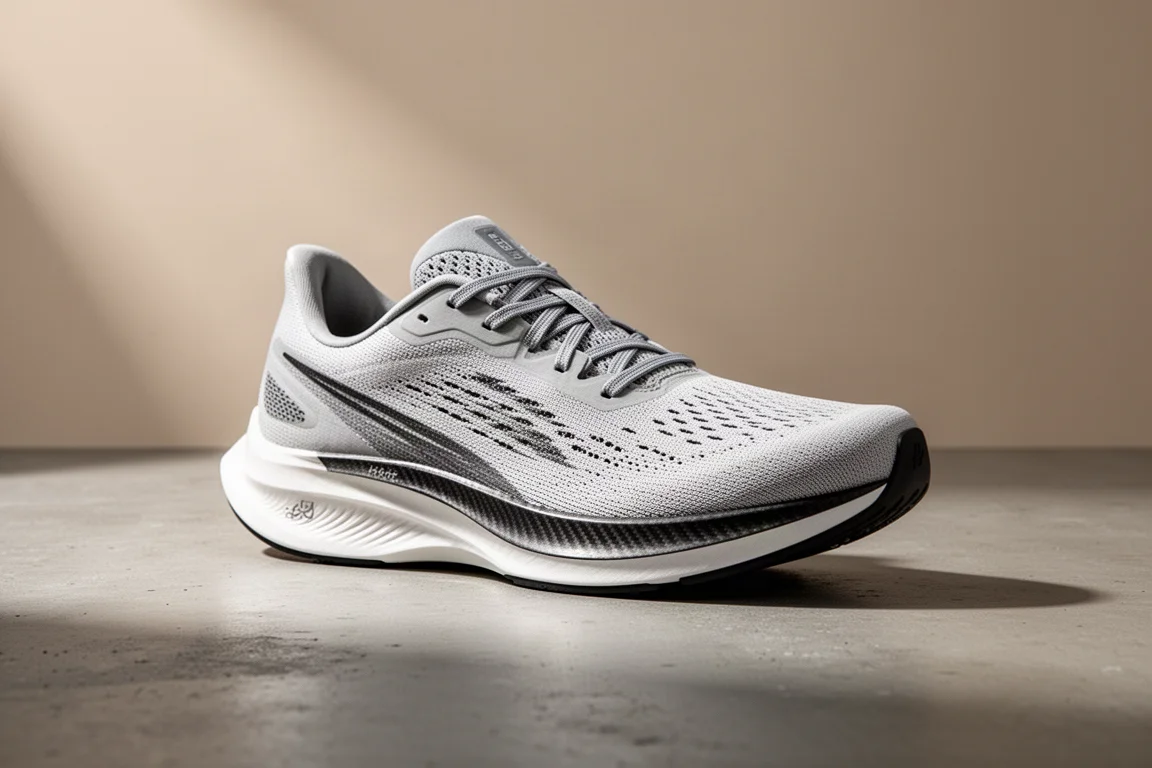
ASICS has one of the highest hit rates in running shoes right now, so when a new Magic Speed arrives, expectations are naturally high. The Magic Speed 5 is a complete redesign: the stack has come down significantly, the foam formula has changed, and the whole shoe has been nudged toward a lighter, more aggressive, more race-like personality.
After putting real mileage and a hard uptempo session into this shoe, the picture is clear. This is a shoe with a genuine identity and some real strengths, but also some compromises that will rule it out for a lot of runners. Here is the full breakdown.
Who the Magic Speed 5 Is For
The Magic Speed 5 is a speed trainer built for developing speed mechanics. It is not a super trainer, and it is not trying to be a daily do-it-all shoe. ASICS has made this deliberately lightweight, low to the ground, direct, and aggressive, and the on-foot feel reflects that immediately.
The fit is snug and locked down in a way that immediately recalls ASICS’s flagship race shoes. There is not much wiggle room up front, and the heel is very secure. If you like a race-shoe fit in a training shoe, this delivers it.
One important note on sizing: the snug fit is intentional. If you are between sizes, going up half a size is not framed as the fix here; the shoe is simply designed to fit tight. If you value a roomier, comfort-oriented upper, other options in the lineup will suit you better.
Main Strengths
The headline spec is the weight. In a typical men’s size, the Magic Speed 5 comes in around 214 grams, which is lighter than several actual marathon racers and dramatically lighter than competitors like the Adidas Boston 13 at roughly 274 grams. Combined with a heel stack measured around 37 millimeters, this is one of the best weight-to-stack ratios in the speed trainer category right now.
The top layer of FF Leap foam is the real deal. It is one of the softest foams on the market, and once you pick the pace up, the bounce genuinely comes through. Strides and hard reps unlock a noticeable snap off the plate, and at fast paces the shoe can feel good to great.

The construction pairs that soft top layer with a firmer FF Blast Plus base and a full-length plate that feels more carbon composite than true race carbon. This is the same soft-over-firm format used in shoes like the Boston, and it stabilizes and dampens the ride, though it also tames the FF Leap at slower paces.
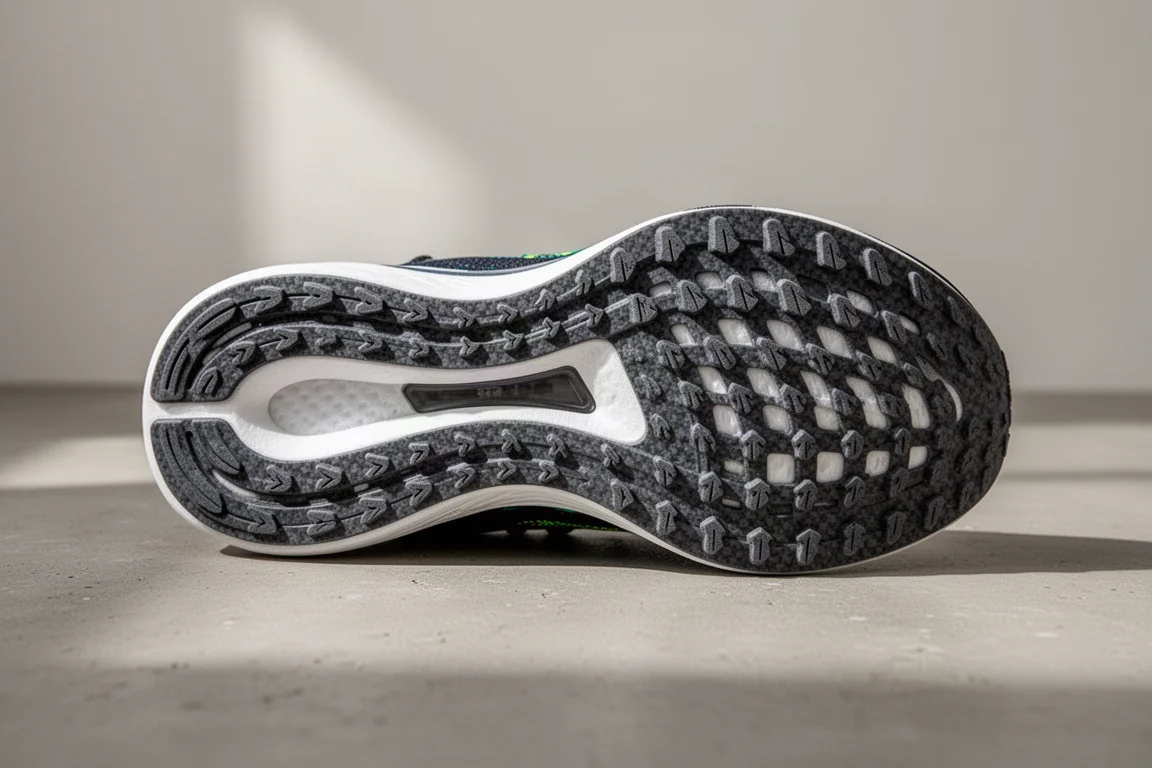
The full-length outsole layout mirrors ASICS’s Meta Speed race shoes, and the grip looks and feels solid. Aesthetically, the shoe is a standout too: clean, crisp, and one of the better-looking speed trainers available.
Things to Consider Before Buying
The aggressive geometry is the defining trade-off. With a very aggressive toe spring and rocker, the shoe strongly pushes you onto the forefoot, and anything other than a well-timed, forefoot-leaning landing gets punished. When you land exactly where the shoe wants you, it feels fast and rewarding. Everywhere else, it can feel like you are slamming directly onto the plate.
At easy and recovery paces, this is where the Magic Speed 5 struggles most. The ride feels firm, low, and harsh, with limited propulsion out of the gates and a lot of plate presence underfoot. Warming up, cooling down, and jogging are simply not what this shoe is built for, and it is noticeably less pleasant at those paces than most marathon racers, which is an unusual thing to say about a training shoe.
Stability is also only average, thanks to a very narrow heel, and the shoe is not protective enough to feel trustworthy on hills, turns, uneven roads, or anything beyond a perfectly controlled, track-like surface. If your speed sessions happen mostly on the track in ideal conditions, that may not matter. If your tempo work involves rolling roads and real-world footing, it will.
The honest comparison point, for most runners considering this shoe, is the carbon race shoe you may already own. If you already have a plated racer in the rotation, the Magic Speed 5 needs to offer something that shoe does not, and for many runners it does not quite clear that bar.
Buying Advice
Think carefully about what you want from a shoe in this category. If your sole use case is ripping fast intervals on a track with controlled landings, the Magic Speed 5 genuinely delivers: it is lightweight, snappy once up to speed, and well suited to short, hard reps.
If you want a speed trainer you can also jog in, warm up in, run long in, or trust on hills and uneven roads, the alternatives are stronger. The Boston 13 is far more comfortable and protective at a lower price and is excellent for developing speed mechanics while staying durable enough for high mileage. The Nike Streakfly sits at the same price point and offers a similarly aggressive but arguably more refined ride. And if the real goal is pure speed, a discounted carbon race shoe often beats this shoe on both protection and performance at a similar effective price.

For runners who already own carbon racers and are considering the Magic Speed 5 as a workout supplement, the more practical move is usually to simply put more miles on the racer you have. The Magic Speed 5 competes most directly with that existing shoe, and it does not clearly outclass it.
Conclusion
The Magic Speed 5 is a rare miss from a brand that rarely misses, but it is a miss with clear reasoning behind it. The idea, a lightweight, streamlined, low-stack speed trainer for developing speed mechanics, is sound and even exciting. The execution falls short: the firm base foam restrains the FF Leap, the geometry is more aggressive than a training shoe should be, and the whole package feels caught between a budget racer and a comfortable speed trainer.
As a pure track-day speed shoe for controlled, hard running, it earns real credit. For everything else a speed trainer is normally asked to do, there are better options at similar or lower prices. If you are a smaller, forefoot-striking runner who wants a dedicated fast-session shoe, this could work well for you. For most other runners, the Boston 13, the Streakfly, or a discounted carbon racer will serve you better.
Product link
View more details for Asics Magic Speed 5
This product is mentioned in the review. Check the specifications, options, and compatibility before buying.
View more details for Asics Magic Speed 5Further reading
Related Reviews

Running Shoes
Best Road-to-Trail Running Shoes: Three Versatile Options for Mixed Terrain
A practical guide to three road-to-trail running shoes that handle both pavement and mild trails, with clear strengths and trade-offs for different runner types.

Running Shoes
Best Running Shoes for Achilles Tendonitis: Three Options Explained
Three running shoes with different heel drops and support features designed to help reduce Achilles tendon pain during walking and running.

Running Shoes
Best Running Shoes for Women: Five Top Choices Ranked
A ranked guide to five women's running shoes, from versatile daily trainers to high-performance racing options, with real strengths and trade-offs for each.