Running Shoes
ASICS Magic Speed 4 Revisited: A Speed Trainer That Gets Better With Miles
A fresh look at the ASICS Magic Speed 4 after time away: dual-foam construction, a full carbon plate, and a sweet spot around 7:30 to 6:30 pace.
Introduction
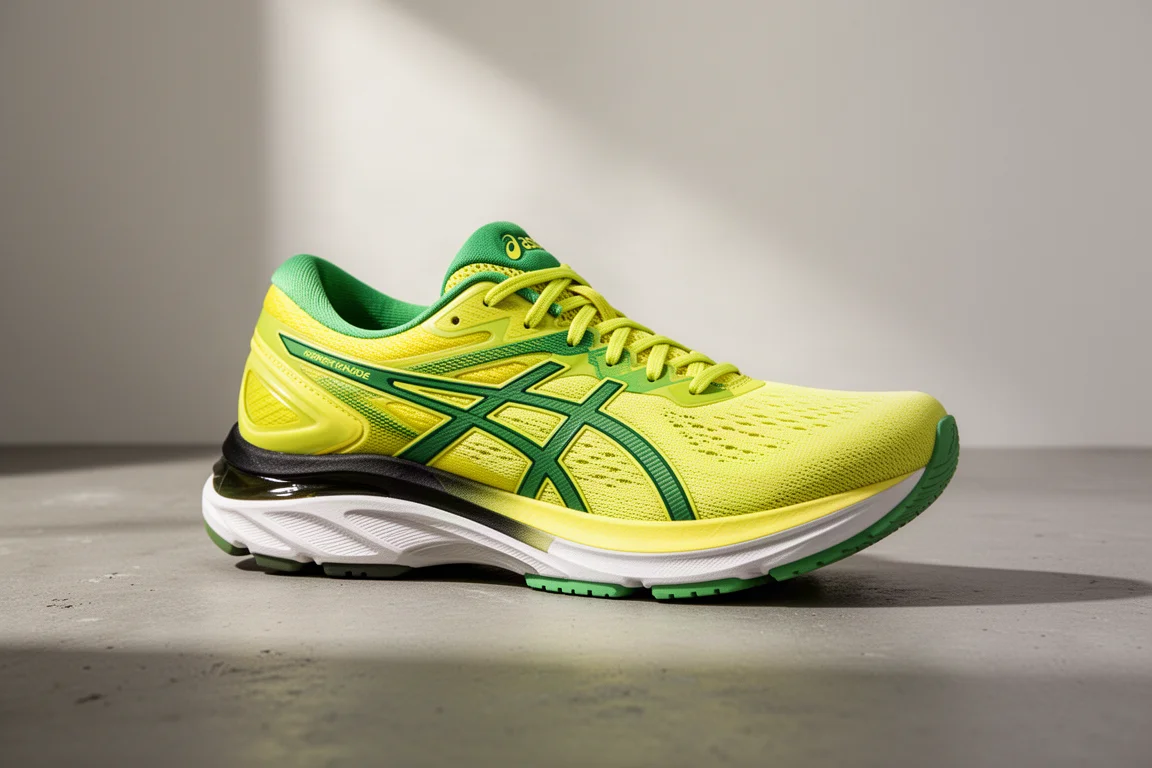
Some shoes fade from memory, and some keep pulling you back. The ASICS Magic Speed 4 belongs to the second group. It sits in the speed training category: not a full race shoe, but a trainer built for faster days and for stacking quality miles. After some time away from it, this revisit confirmed what the initial runs only hinted at. This is a shoe that improves with break-in, and once it softens up, it becomes one of the most enjoyable options in its segment.
Who This Product Is For
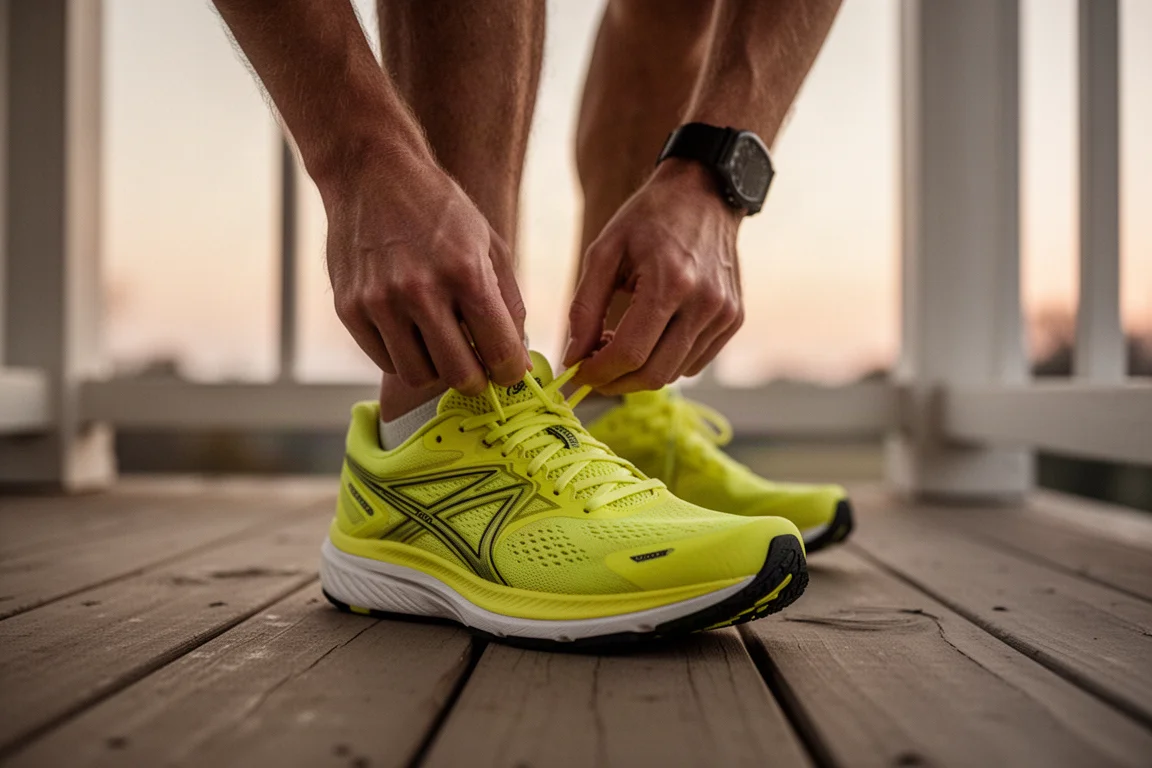
The Magic Speed 4 works best for runners with a clear picture of their own paces. Around 7:30 to 6:30 pace is where this shoe feels best, regardless of your race times. A three-hour marathoner could use it for race pace training and long runs. A four-hour marathoner could use it as a track day shoe. A sub-2:50 marathoner will find it a great long run and faster cruise shoe.
For runners doing a lot of 10-minute miles, especially if that pace is close to 5K effort, there are likely better options. Once you get under 8-minute pace, the full construction comes alive: the cushioned heel for landings and the bouncy race foam in the forefoot for toe-off.
Main Strengths
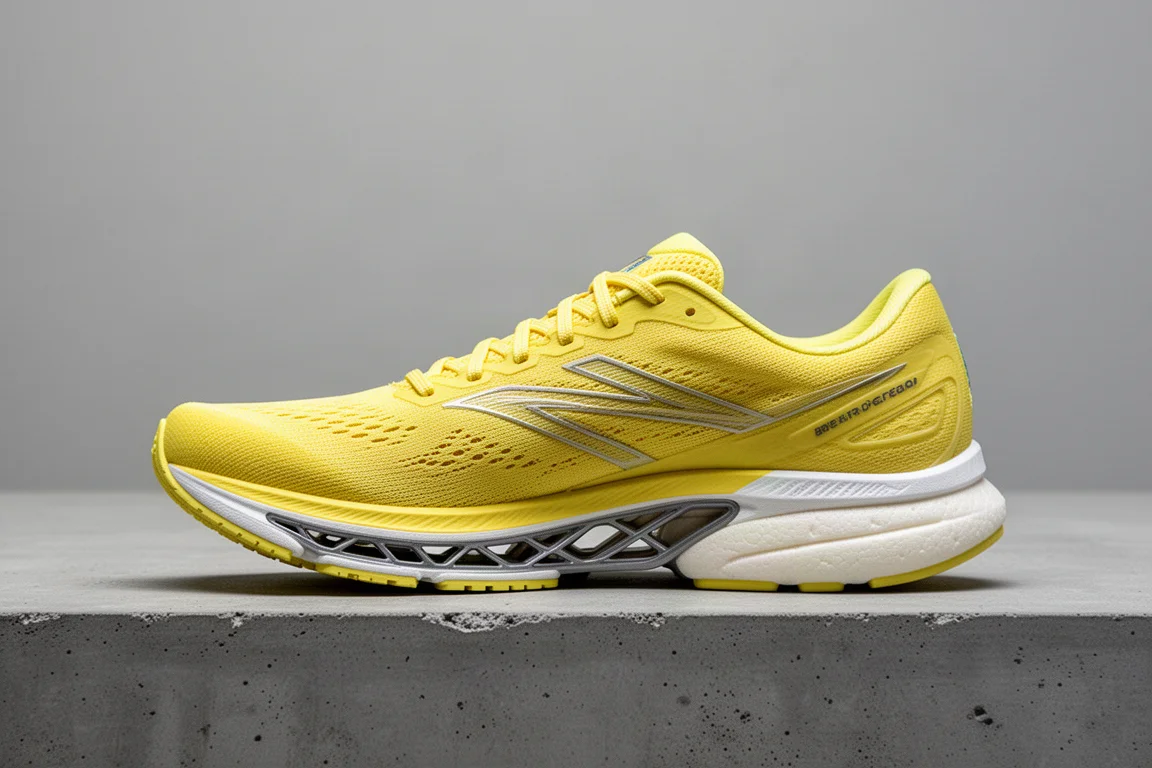
The construction is the story here. It uses a dual-foam setup with FF Blast Plus in the heel, a compound that handles impact absorption and delivers a comfortable, solid ride. In the forefoot sits a puck of race foam, the same family of foam found in ASICS’ faster race shoes. The unique part is a full-length carbon fiber plate, something none of the other speed training shoes in this category currently offer.
That plate is what gives the forefoot its bite. It is a firmness, a push-back against your stride, that makes fast running feel possible. It stabilizes the platform and stops energy from leaking into the shoe. Combined with the softer heel, it feels like the best of both worlds: everyday comfort from the Nimbus family of foam, and race-day speed from the Meta Speed Sky Paris foam up front.
The geometry also deserves credit. The ride is smooth with a gentle rocker, more like the Nimbus than the slightly disjointed feel of some higher-stack ASICS trainers. On faster cruise runs, it is a genuine zone three killer.
Break-In and Comfort
The biggest surprise of this revisit was comfort. The first few runs in this shoe felt less than plush, and the upper was the main reason. The step-in feel is almost race-shoe firm, the structured upper and heel collar feel more like workwear than a premium everyday trainer, and the lacing experience is not especially refined.
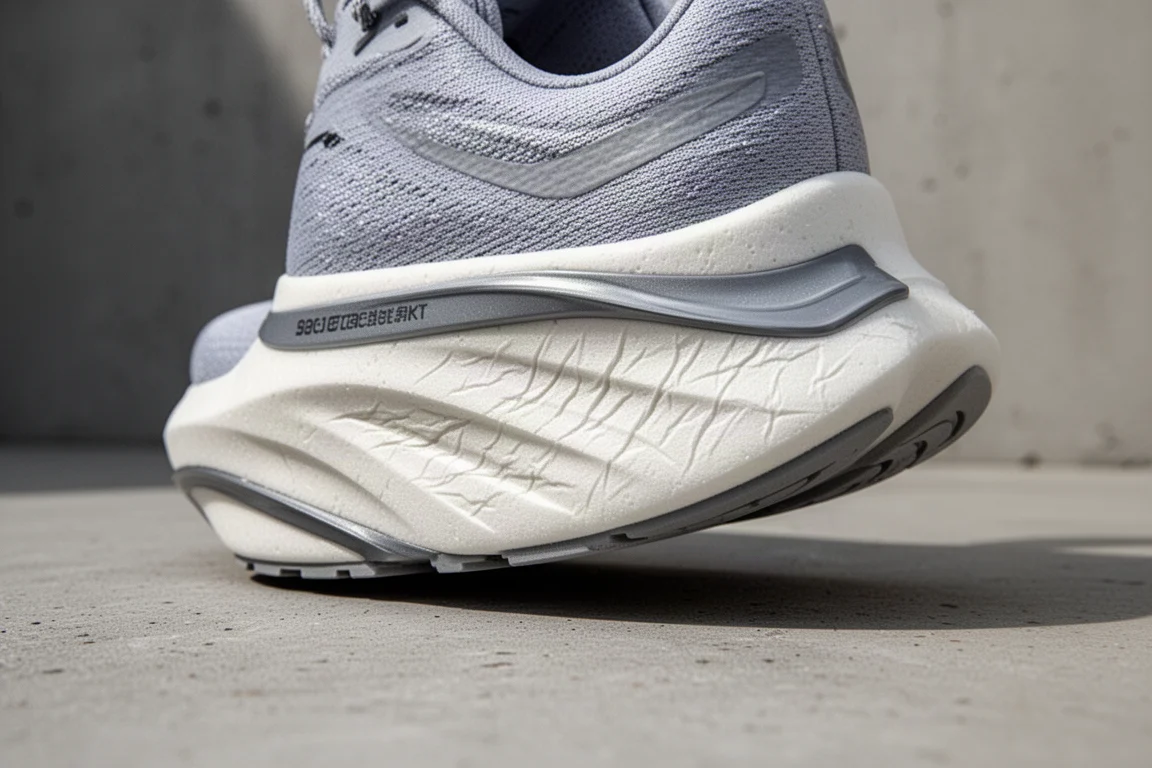
But the midsole changes with miles. The FF Blast Plus heel foam softens, creases like a well-worn leather wallet, and starts to conform to the foot. Around 50 miles in, this shoe is in its prime. It stops feeling like equipment and starts feeling like something you look forward to running in.

Things to Consider Before Buying
The upper is the weakest point. It is structured to the point of feeling stiff on the foot, and it does not coddle the way softer everyday trainers do. If a plush, welcoming step-in matters to you, this is a real trade-off.
The shoe is also relatively narrow, so wider-footed runners should take note. And if you want a race shoe, this is not one. At $170 it sits roughly $80 to $100 below the flagship race shoes, and at the same effort a true marathon racer will move you faster. This shoe trades some top-end speed for heel and midfoot comfort.
How It Compares in the Category
Within speed training, a few shoes stand alongside it. The Adidas Boston 13 is the one for faster top-end work: lower to the ground, more streamlined, purpose-built for your quickest paces, with energy rods providing snap instead of a plate. The Magic Speed 4, by contrast, offers more comfort and more heel stack, around 40mm in the heel, making it the better choice for that cruisy middle zone.
The On Cloudboom Strike takes a different direction with no full plate, just a plastic midfoot shank. It runs fast in its own way and is a fun daily trainer, but at $210 MSRP it sits above the category, and this ASICS shoe is arguably the better all-rounder for the price. The Mizuno Wave Rebellion Mach X2 offers even more cushion and a more aggressive rocker with a plastic plate, making it a favorite for long runs, while the Magic Speed 4 may take the edge for overall comfort in the 8 to 10 mile workout range.
Buying Advice
If you want a decently comfortable shoe for speed workouts and you do not want to go full race shoe, this is the one to get. It sits in a genuine Goldilocks zone: not as soft as the softest race shoes, not as firm as pure tempo racers. For 8 to 10 mile workouts, sub-3 marathon training sessions, and faster-than-recovery daily runs, it fits almost perfectly.
For shorter, faster sessions, look at the Boston 13. For long runs and time on feet, the Mach X2 has the edge. For everything in that 7:30 to 6:30 sweet spot, the Magic Speed 4 is hard to beat.
Conclusion
The ASICS Magic Speed 4 is a complete banger that rewards patience. The upper needs work in the next generation, and it will never replace a race shoe on race day. But with break-in miles behind it, the combination of FF Blast Plus comfort, race foam pop, and a full carbon plate makes it one of the most well-rounded speed trainers available. If your training includes a middle zone of faster-than-easy paces, this shoe deserves a spot in the rotation.
Product link
View more details for Asics Magic Speed 4
This product is mentioned in the review. Check the specifications, options, and compatibility before buying.
View more details for Asics Magic Speed 4Further reading
Related Reviews

Running Shoes
Best Road-to-Trail Running Shoes: Three Versatile Options for Mixed Terrain
A practical guide to three road-to-trail running shoes that handle both pavement and mild trails, with clear strengths and trade-offs for different runner types.

Running Shoes
Best Running Shoes for Achilles Tendonitis: Three Options Explained
Three running shoes with different heel drops and support features designed to help reduce Achilles tendon pain during walking and running.

Running Shoes
Best Running Shoes for Women: Five Top Choices Ranked
A ranked guide to five women's running shoes, from versatile daily trainers to high-performance racing options, with real strengths and trade-offs for each.