Running Shoes
ASICS Magic Speed 4 Review: A Carbon-Plated Trainer Between Speed and Daily Miles
The Magic Speed 4 blends a FF Turbo foam puck, a carbon resin plate, and a higher stack into a do-it-most training and racing shoe priced at $170.
Introduction
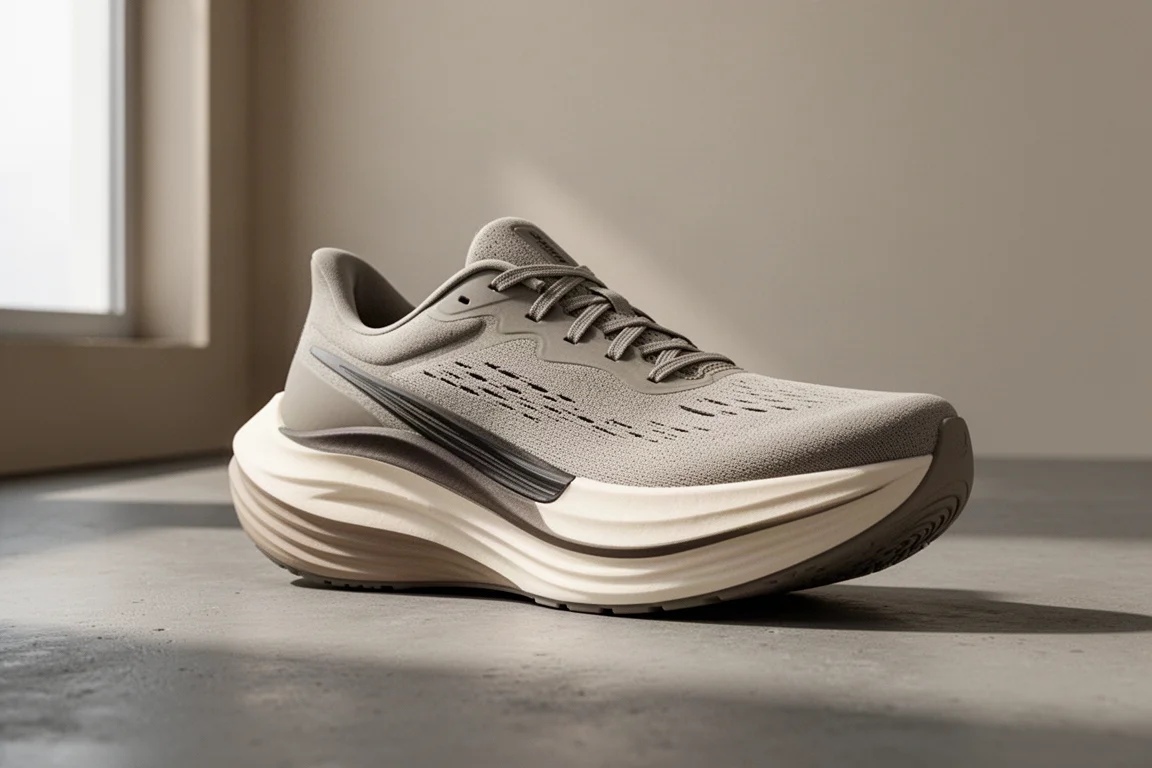
The Magic Speed line has always been a bit of a moving target. Versions one and two underwhelmed, version three hit a sweet spot, and version four arrives with a familiar-looking recipe that ends up being a very different shoe. The headline materials are still there: FF Blast Plus foam with a puck of FF Turbo tucked underneath a carbon resin plate. Many people saw the FF Turbo label and the higher stack and assumed this would be a budget take on the Super Blast. It is not. Instead, the Magic Speed 4 leans toward a versatile do-it-most trainer-racer hybrid, and that shift changes who it is actually for.
Upper and Fit
The biggest departure from version three is the upper. The previous Magic Speed used the Motion Wrap upper from the Meta Speed racing series: light, breathable, nearly translucent, and aggressively wrapped. That premium race-day feel is gone. In its place is an engineered mesh upper that feels more ordinary, closer in character to the rest of the daily lineup like the Novablast. It is not cheap, just less elevated.
The fit itself works well. The tongue is a flat, lightly gusseted design similar to last year’s version, with an elastic gusset that helps it tie around the foot nicely. Lockdown in the heel and midfoot is solid, there is a bit more room in the toe box than before, and no hot spots or heel lift showed up over test miles. Sizing ran true to size in a men’s US 10.5, which matches the brand’s more consistent recent sizing across its lineup.
Midsole and Plate
Here is where expectations need recalibrating. The midsole is FF Blast Plus with a puck of FF Turbo sitting right under the plate, and the plate itself is carbon resin rather than full carbon. That means it is less rigid and more flexible, so you do not get the pronounced bend-and-release snap of a premium race-day plate.
The result is a ride that is solid rather than bouncy. It is not soft and pliable like the Magic Speed 3’s all FF Blast Plus setup, and it is not the light, lively bounce of the Super Blast either. The closest comparison is something like the Adidas Boston 12: an aggressive toe spring paired with the resin plate gives a genuinely nice roll through toe-off, with cushioning that sits between a boring daily trainer foam and a race-day premium foam.
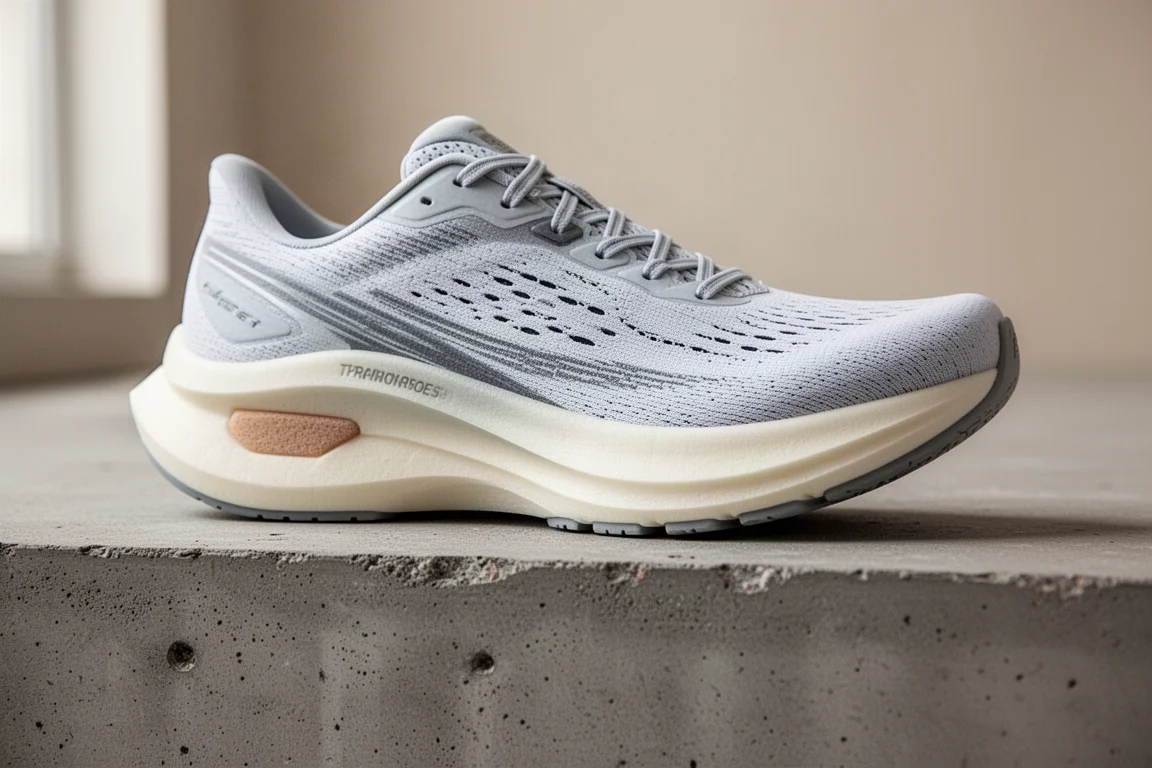
Stack height also climbs noticeably. You get 43.5mm in the heel and 35.5mm in the forefoot for an 8mm drop, and the sidewalls are raised slightly for a beefier look. The forefoot is also wider than the previous version by roughly three tenths of an inch, which adds a touch of stability up front.
Ride and On-Run Feel
Out of the box, the first long run felt a touch firm, but the FF Blast Plus softened over consecutive runs. By the second double-digit run, the shoe had broken in nicely and stayed comfortable across everything from standing around at an easy pace to chasing faster segments. Nothing felt heavy on the run.

The trade-off is that this no longer feels like a strict 5K or 10K tempo shoe. It has drifted toward a do-it-most role, and that gives it more range. Half marathon distance feels well within reach, and a full marathon is plausible for the right runner. Compared to something like the Saucony Endorphin Speed, this is the snappier, faster-feeling option, while the Endorphin Speed still leans more toward the daily trainer side. The Super Blast remains softer and better suited to all-around use, while this shoe digs in more when you pick up the pace.
At 9.2 oz (260g) in a men’s size 10.5, it is roughly an ounce heavier than the Magic Speed 3. That weight did not register on the run, but it reinforces the shift in character from pure tempo shoe to something you can take farther.
Outsole, Grip, and Durability
The outsole rubber is not the premium AHAR Plus compound from the daily lineup, but grip was genuinely good in testing with no slipping issues. After roughly 30-something miles, there was no visible scuffing even on the exposed areas of the outsole, which is a promising early durability sign for a lighter, faster shoe.
Buying Advice
The clearest way to think about the Magic Speed 4: it is a shoe for the carbon curious. If you want to try a plated shoe without spending the $250 that premium race-day models command, this delivers that experience for $170 while doubling as a training option. If you own a Novablast 4 for easy miles, this slots in as the speed-work, marathon-pace, and race-day shoe above it. If you are hoping for a discounted Super Blast, temper those expectations: this is a more aggressive, more race-leaning shoe, not a cheaper clone. Within the lineup, the Super Blast and Novablast still cover daily miles better, and the Meta Speed Paris models remain the faster pure-race picks.
Conclusion
The Magic Speed 4 is a good shoe that occupies an in-between space. It is softer on speed days than a pure tempo racer, more aggressive on hard days than a daily trainer, and it lands at a price that makes it a genuinely approachable entry into plated shoes. For runners who like the Boston 12 feel or want one shoe that can carry them from marathon-pace workouts through longer races, it earns a confident recommendation. Just know what it is not: it is not the Super Blast, and it is not the Magic Speed 3. It is its own thing, and for the right runner, that is exactly the point.
Product link
View more details for Asics Magic Speed 4
This product is mentioned in the review. Check the specifications, options, and compatibility before buying.
View more details for Asics Magic Speed 4Further reading
Related Reviews
Running Shoes
Best Road-to-Trail Running Shoes: Three Versatile Options for Mixed Terrain
A practical guide to three road-to-trail running shoes that handle both pavement and mild trails, with clear strengths and trade-offs for different runner types.
Running Shoes
Best Running Shoes for Achilles Tendonitis: Three Options Explained
Three running shoes with different heel drops and support features designed to help reduce Achilles tendon pain during walking and running.
Running Shoes
Best Running Shoes for Women: Five Top Choices Ranked
A ranked guide to five women's running shoes, from versatile daily trainers to high-performance racing options, with real strengths and trade-offs for each.