Running Shoes
Asics Magic Speed 3 vs Saucony Endorphin Speed 3: Which Tempo Trainer Deserves Your Miles?
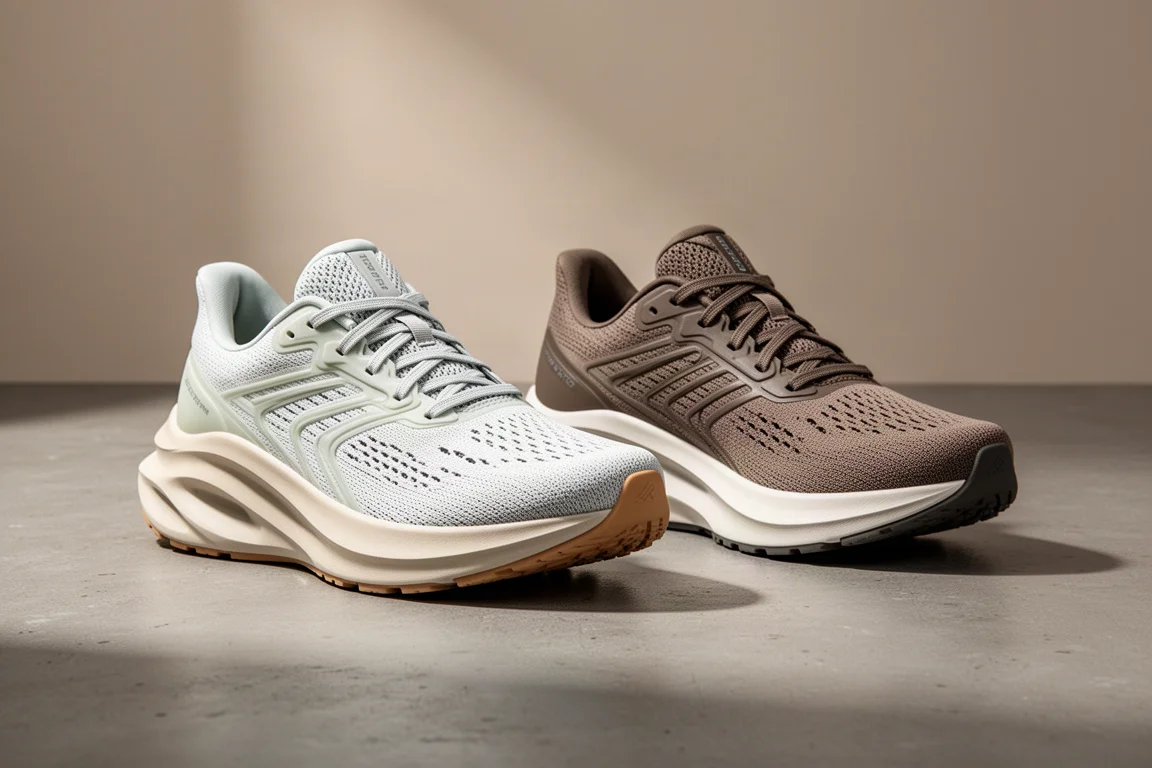
Two plated tempo shoes with similar stacks and weights, but one delivers a noticeably springier ride. Here is how they compare.
Introduction
Tempo day shoes have quietly become the sweet spot of the modern running shoe market. Originally designed as shoes you train in so you do not beat up your race day pair, styles like the Asics Magic Speed 3 and Saucony Endorphin Speed 3 have grown into something many runners now use as daily trainers. Plates have become so mainstream that faster, more responsive shoes are increasingly doubling as everyday mileage workhorses.
Neither of these is a beginner shoe, though. You need to know what you like in a ride before spending on this category. But if you have a handle on your preferences, both offer a light, bouncy package at prices far below top-tier race day models.
Asics Magic Speed 3: Soft Foam Meets Full Carbon
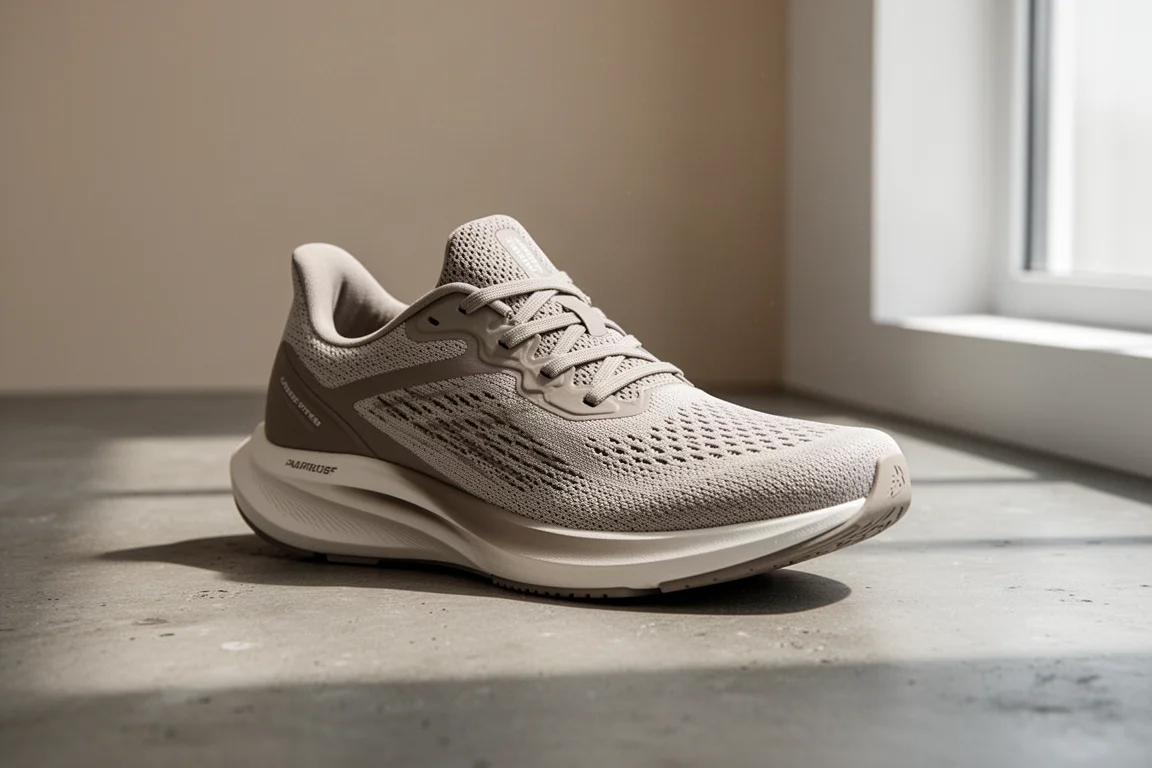
The Magic Speed line took a real leap with the third generation. Earlier versions stacked one layer of FF Blast Plus over a firmer FF Blast foam with only a three-quarter plate, which made the shoe feel stiff and unremarkable. Version 3 swaps in two layers of FF Blast Plus and upgrades to a full-length carbon fiber plate. The result is a shoe that is soft but also very poppy, with a noticeable bounce and responsive feel on faster paces.
The upper is borrowed from the Metaspeed Sky and Edge Plus, so you get a race-like fit and feel up top. The stack is lower than true race day shoes at around 36 mm in the heel and 29 mm in the forefoot, a 7 mm drop, but the ride still feels snappy and controlled when you pick up the pace. Despite the moderate-looking stack, the ride is surprisingly comfortable, comfortable enough that many runners could use it as a daily trainer.

Weight is a genuine strength. A women’s size 7.5 comes in at 6.6 ounces and a men’s size 10.5 at 8.2 ounces, which is getting close to race day weight and feel. Add a breathable upper, plenty of rubber coverage for durability, and a $160 price point that sits in daily trainer territory, and the value case is strong.
Saucony Endorphin Speed 3: Premium Foam, Nylon Plate
The Endorphin Speed 3 shares the same foam as the Endorphin Pro: PWRRUN PB, a very light and bouncy compound. The key difference is the plate. Instead of carbon, you get a nylon plate, which is what separates this tempo trainer from Saucony’s race day flagship.
Specs sit right alongside the Magic Speed 3: 36 mm in the heel, 28 mm in the forefoot, an 8 mm drop. It is bouncy, light, and genuinely fun to run in, and it stands as one of the best shoes in the Saucony lineup for fast days that are not race day.
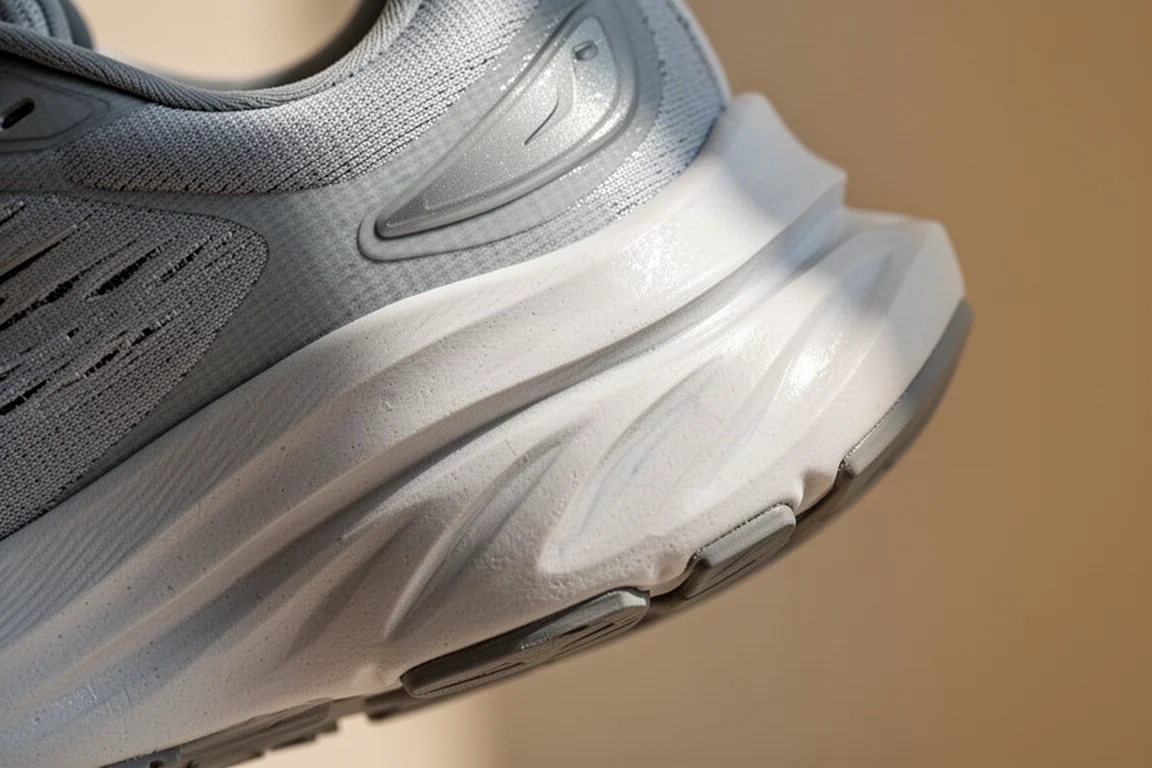
The catch, for some runners, is that the Pro and the Speed are close enough in feel that lacing up the Pro first makes the Speed feel like a slightly downgraded experience. The more built-up upper also adds weight without delivering much extra: despite the premium foam and near-identical stack height, it does not weigh meaningfully less than the Magic Speed 3, and the ride lacks some of that poppy, fun character.
The upper tells a similar story. It does not feel racy. It has more structure and more of a daily trainer feel, which reinforces its identity as a tempo and training day shoe rather than something you would race in. At $170, it sits $10 above the Asics.
Which One Should You Buy?
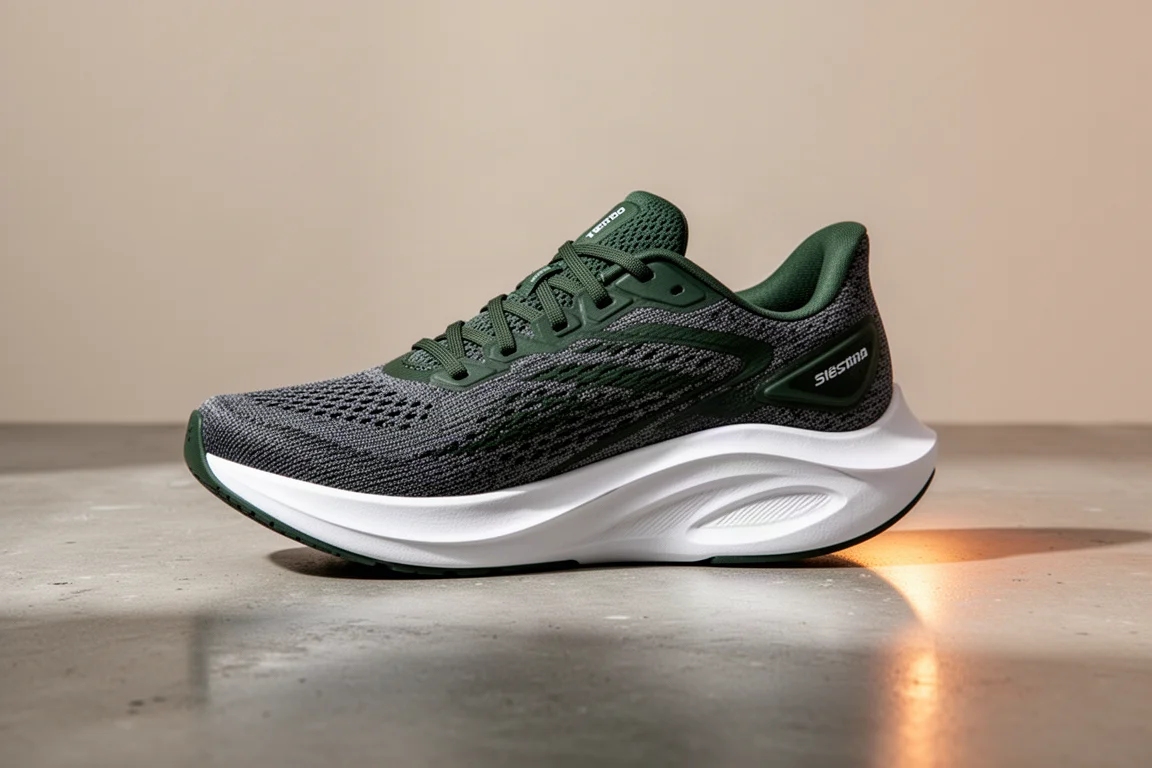
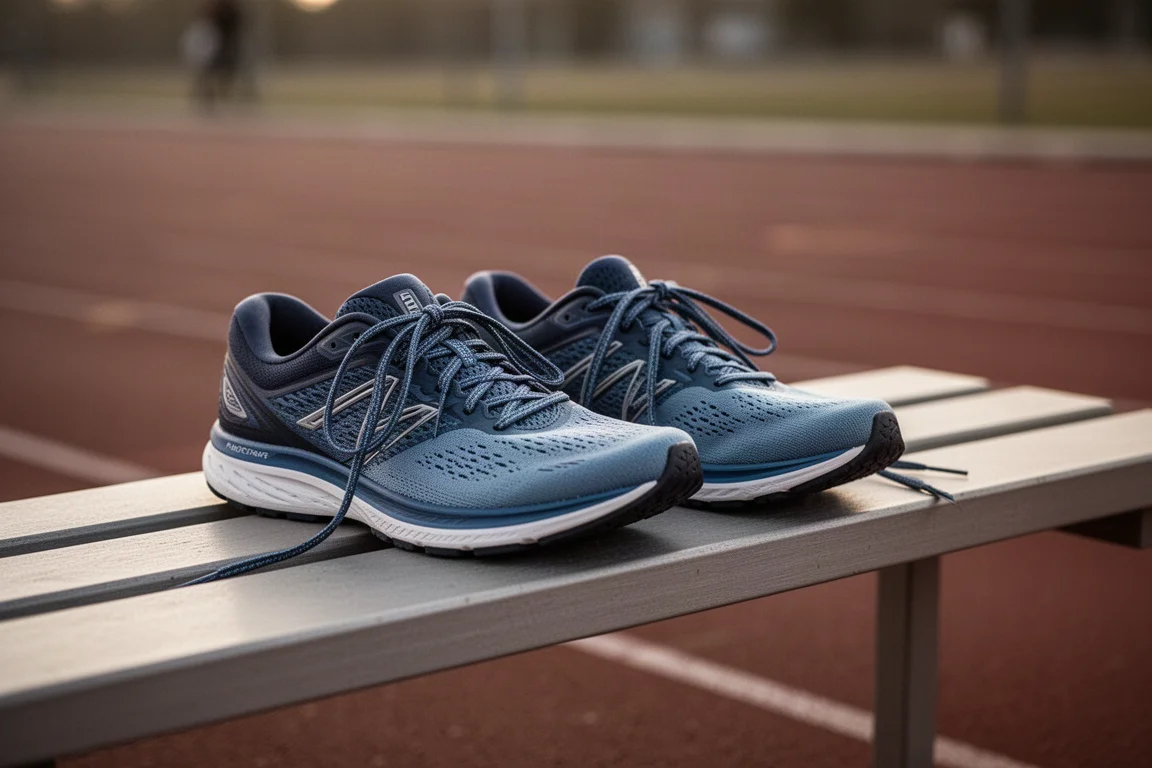
Both shoes are close in weight and stack height, so the decision really comes down to ride character and upper. The Magic Speed 3 pairs full carbon with softer foam for a springier, more race-ready feel, and its racy upper makes it plausible as a race day option too. The Endorphin Speed 3 leans on premium PWRRUN PB foam and a more structured upper, making it the clearer dedicated tempo day trainer.

If your priority is up-tempo fun, daily-plus miles, and the option to toe a start line in the same shoe, the Asics makes the stronger case. If you want a reliable fast-day trainer with a bit more everyday structure, the Saucony remains an excellent pick.
Final Verdict
These are two really good shoes, and the similarities run deep. But when a choice has to be made, the Magic Speed 3 edges it. The FF Blast Plus is soft, the full carbon plate adds the pop, the upper feels race day ready, and it costs less. It simply has more of that poppy, fun feel on faster days, whether you are training or lacing up for a race.
Conclusion
The Asics Magic Speed 3 and Saucony Endorphin Speed 3 prove how good the tempo trainer category has become. Both are light, bouncy, and priced like daily trainers, but the Asics takes the win here for its livelier carbon-plated ride and more versatile upper.
Further reading
Related Reviews

Running Shoes
Best Road-to-Trail Running Shoes: Three Versatile Options for Mixed Terrain
A practical guide to three road-to-trail running shoes that handle both pavement and mild trails, with clear strengths and trade-offs for different runner types.

Running Shoes
Best Running Shoes for Achilles Tendonitis: Three Options Explained
Three running shoes with different heel drops and support features designed to help reduce Achilles tendon pain during walking and running.

Running Shoes
Best Running Shoes for Women: Five Top Choices Ranked
A ranked guide to five women's running shoes, from versatile daily trainers to high-performance racing options, with real strengths and trade-offs for each.