Running Shoes
ASICS Magic Speed 3 vs Puma Deviate Nitro 2: Which Super Trainer Deserves a Spot in Your Rotation?
Two of the better super trainers around, compared on weight, ride, fit and price to help you decide which one belongs in your rotation.
Introduction
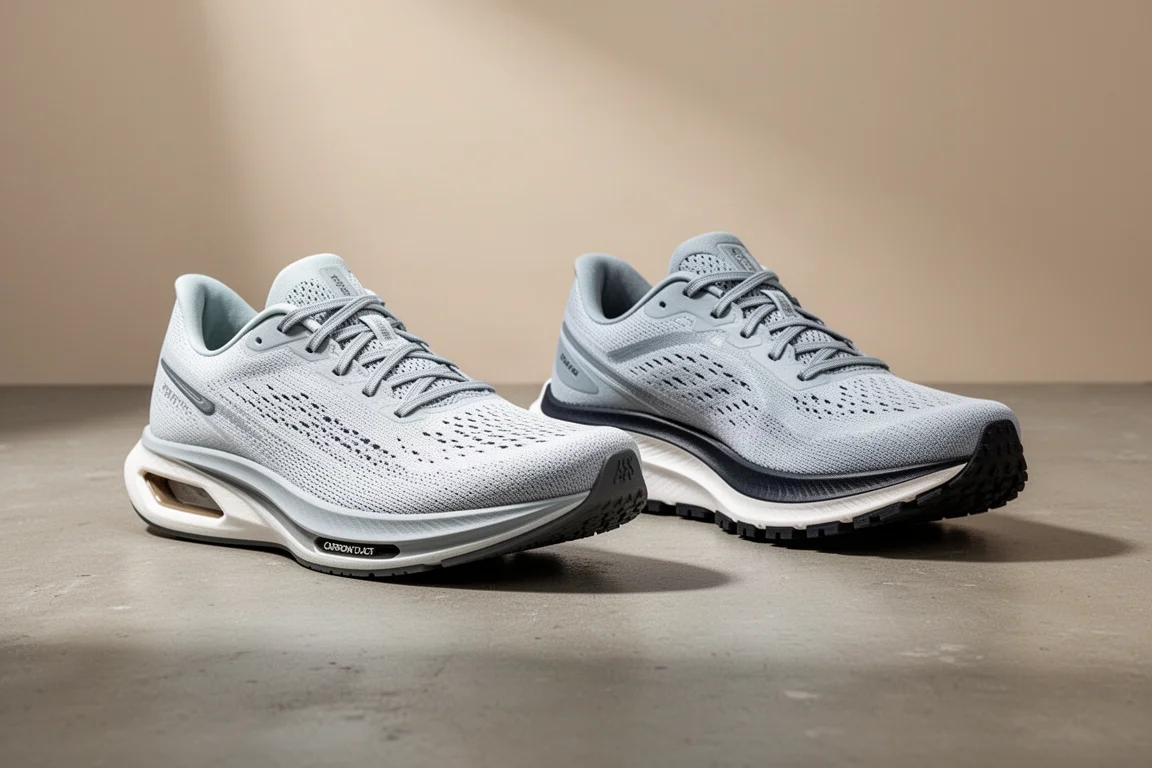
The ASICS Magic Speed 3 and Puma Deviate Nitro 2 are both widely regarded as two of the better super trainers out there. Each pairs a lightweight, fast design with a plate that works well either as a training partner for a full carbon racer or as a race-day shoe in its own right. They are similarly priced in most markets, but they take noticeably different approaches to the super trainer formula, and the right pick depends heavily on how you plan to use the shoe.
Specs and Design
The ASICS Magic Speed 3 is the lighter shoe at 221g (7.8oz) in a UK 9, compared with 276g (9.7oz) for the Puma Deviate Nitro 2 in the same size. The Magic Speed 3 has a 7mm drop, with a stack height of 36mm at the heel and 29mm at the forefoot in the men’s shoe, dropping to 35mm and 28mm in the women’s version. The Deviate Nitro 2 runs an 8mm drop with 38mm at the heel and 30mm at the forefoot.
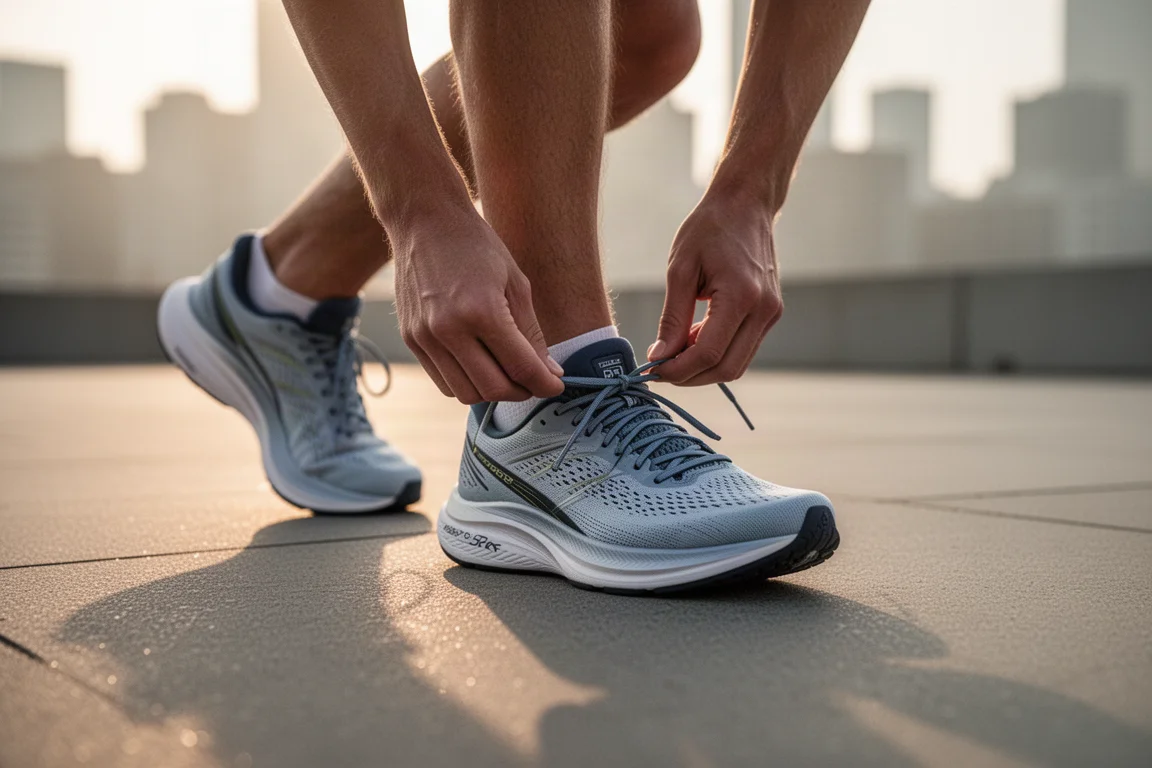
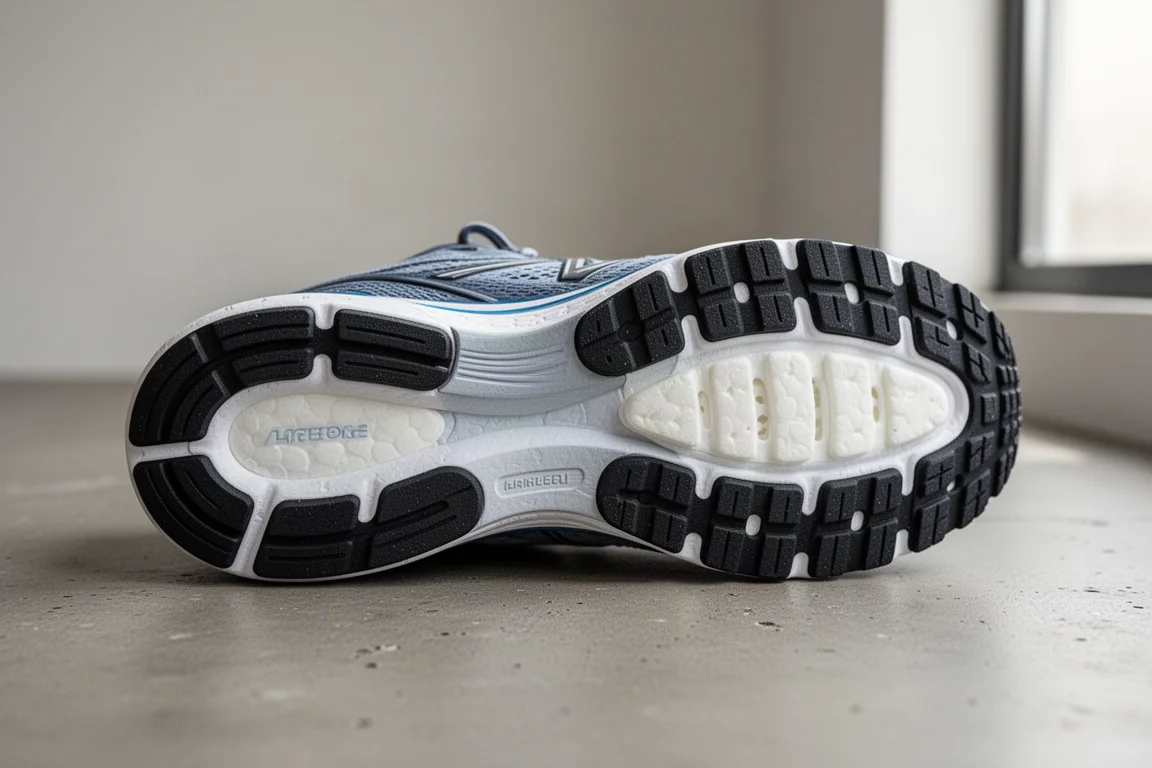
The Puma combines a mesh upper with a fair amount of padding at the heel and power tape additions for structure. Its dual-density midsole stacks a top layer of nitrogen-infused PWRFRAME (Nitro Elite) foam over NITRO foam, with a PWRPLATE that is 70% carbon and 30% TPU running through it. The outsole is PUMAGRIP with PUMAGRIP ATR at the back: thick, with plenty of coverage in the key areas and genuinely good grip.
The Magic Speed 3 goes the other way. Its Motion Wrap upper, shared with the Metaspeed racing line, has minimal padding to keep weight down. The FF BLAST PLUS midsole uses two layers of the same foam with a carbon plate running through it, visible through cut-outs in the sole. The outsole is much thinner than the Puma’s, with cut-outs wherever possible to save weight and noticeably less coverage at the heel.
Fit and Comfort
Both shoes fit true to size for a UK 9 / US 10 runner with narrow feet. The Deviate Nitro 2 raises no real fit concerns: a good, comfortable hold at the heel and midfoot, enough room in the toe box, and none of the heel rip issues seen on the original Deviate Nitro. The Magic Speed 3 has a tighter, more racy fit, particularly around the toes, delivering that race-day feel. Neither shoe is especially wide, but the ASICS in particular is quite torpedo-like, so wider feet should take note.
Puma Deviate Nitro 2: The All-Round Trainer
The Deviate Nitro 2 is a genuine all-rounder. Its more padded upper and more extensive outsole make it well suited to day-in, day-out use across a variety of training runs, and its slightly higher midsole runs a less aggressive geometry, without the sharp forefoot rocker of the ASICS.
It is also quicker than it first appears. From all-out short track reps to longer hard tempo efforts, it delivers whenever you ask it to run fast, helping you preserve energy and roll through efficiently. The ride is a little flatter and less bouncy than many super shoes, but it is the kind of shoe you learn to love over time: it keeps delivering a high level of performance run after run, which is exactly what you want in a trainer you will use constantly.
ASICS Magic Speed 3: The Racy Super Trainer
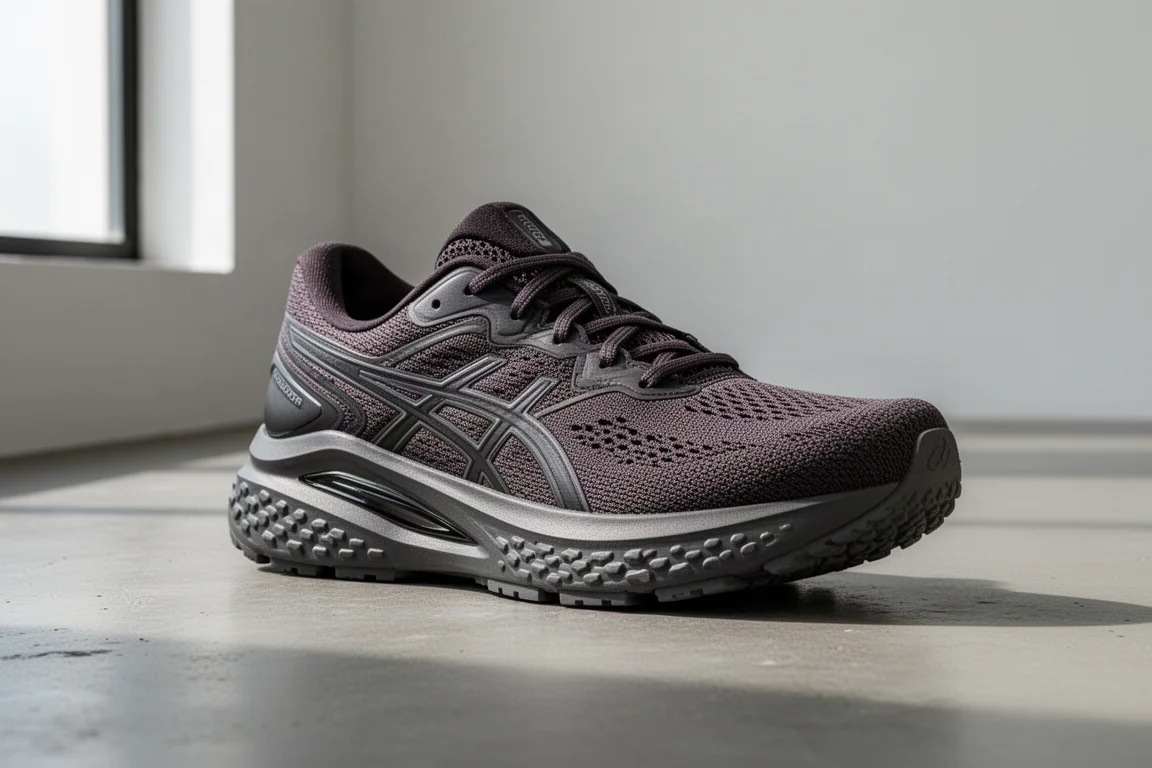
The Magic Speed 3 feels much more like a racing shoe the moment you pull it on. It is light, feels nimble, sits a little more grounded and direct than the Puma despite a similar stack height, and has a noticeable forefoot rocker that rolls you through the gait cycle and helps deliver speed.

Across the same kind of sessions, it excels at short, fast work thanks to its lightness and agility, and it can also protect the legs through long tempo runs or marathon-pace sessions. One tester even raced a 5K parkrun in it and found the performance close to that of a full-blooded carbon shoe, especially over shorter events.
The foam is the compromise. FF BLAST PLUS is not as exciting or bouncy as ASICS’s FF TURBO foam in the Metaspeed line, and if you rotate the two you will notice the difference. Used on its own, though, it feels better than its everyday-trainer pedigree suggests, and paired with the carbon plate and aggressive geometry it produces a genuinely fast ride. The trade-off is versatility: a thinner outsole and a racy upper mean it is best kept to paved surfaces, where it can still work as a comfortable general shoe if you enjoy its more aggressive character.
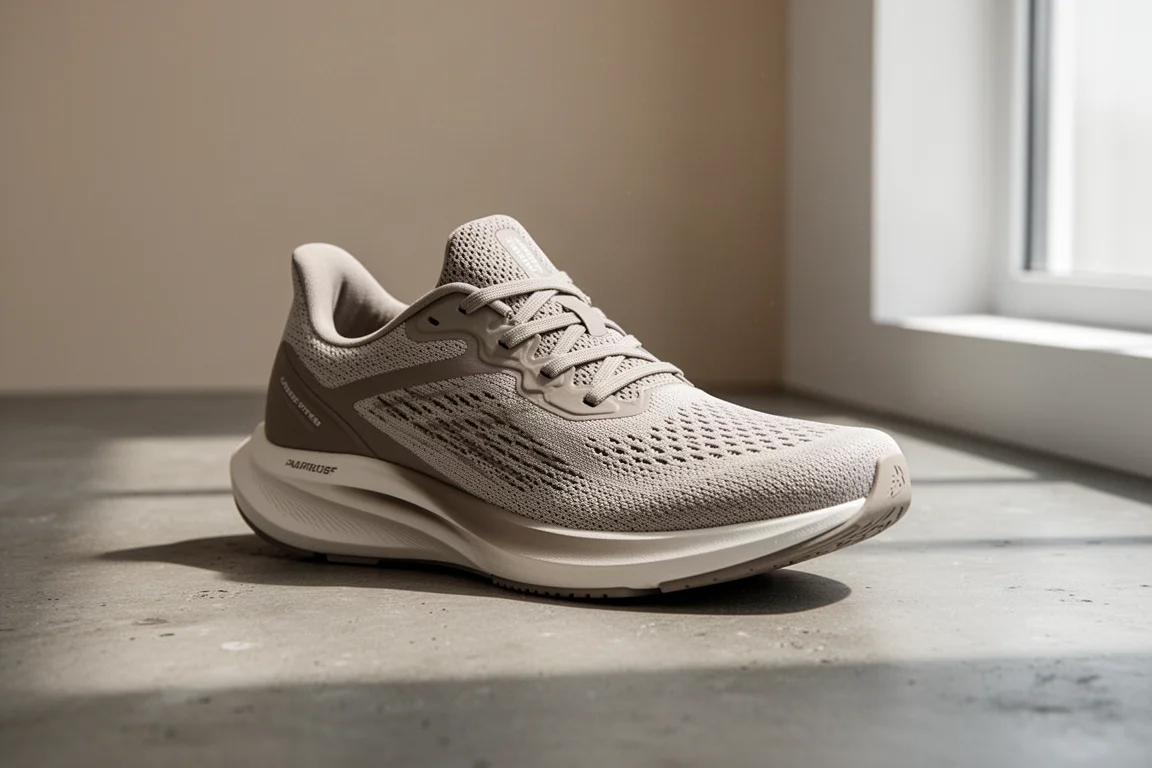
Ride and Performance Compared
Run back to back, the ASICS feels smoother and softer at the heel, while the Puma has a flatter ride with more snap. On a single run, the ASICS feels like the more exciting, faster shoe. Over weeks of training, the merits of the Puma come to the fore: it stays comfortable, almost feels better the longer into runs you get, and always delivers.
That breakdown matters for how you pair each shoe. The Magic Speed 3 is a training partner in the same mould as your carbon racer, ideal for speed sessions and lower-key races, or as a cheaper carbon-plated racing option if you do not want to spend over £200. The Deviate Nitro 2 instead eats up your everyday training miles, leaving your race-day shoe for race day and the occasional sharp session. The ASICS has more chops at true high-end pace and racing; the Puma wins on general-use practicality, with a more rugged and padded upper.
Price and Value
In the UK, the Magic Speed 3 costs £160 and the Deviate Nitro 2 £145; in the US, both sit at $160. In practice, though, the Deviate Nitro 2 is one of those shoes that is nearly always in sales, sometimes dropping to around £80 across a range of colourways. That makes it an even more attractive proposition as a training-partner shoe that does everything well and looks good doing it. The hope is that the ASICS eventually follows a similar discount path, but for now the Puma is the value pick.
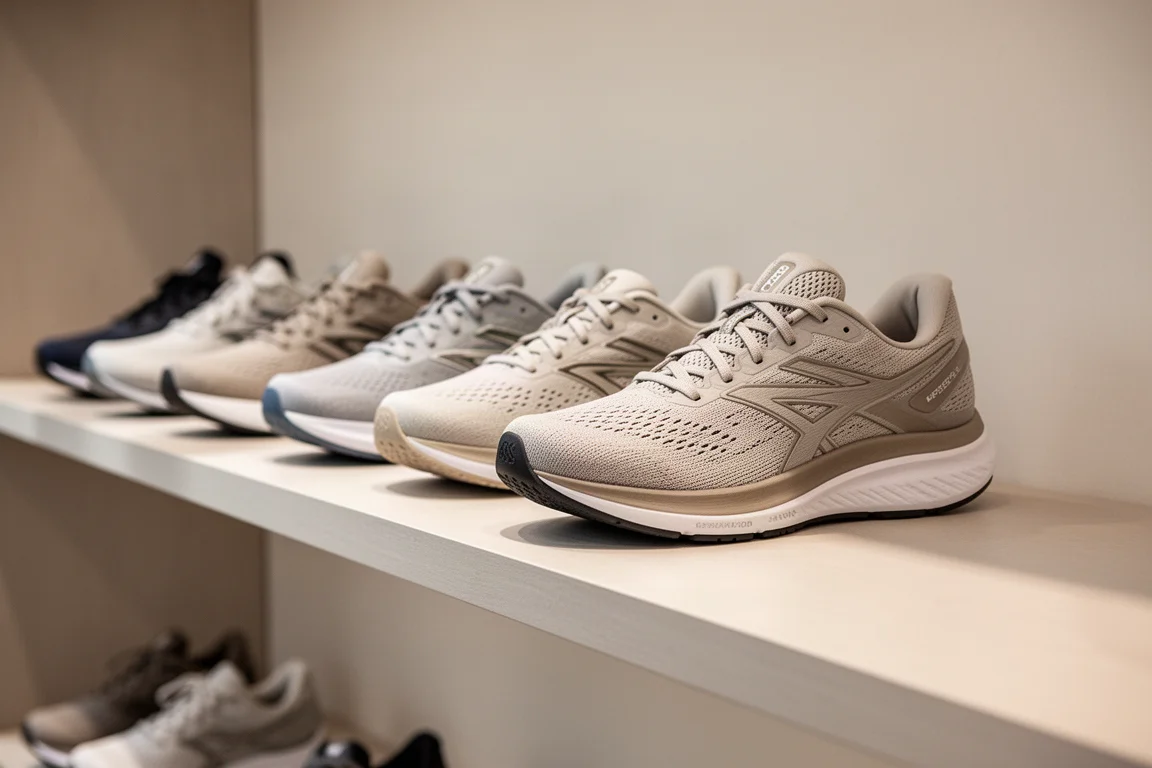
If you want an alternative to a full carbon racing shoe, or a genuinely fast training partner for your lineup, the Magic Speed 3 is the quicker and more exciting option, with versatility and long-run comfort as the trade-off. If you are looking at these purely as super trainers for a solid chunk of training, the Puma probably wins the day.
Conclusion
These are two slightly different kinds of super trainers rather than direct rivals. The ASICS Magic Speed 3 is a fast, racy option that can genuinely stand in for a carbon racer at speeds and distances where the Puma is less at home. The Puma Deviate Nitro 2 is the more practical, versatile trainer that will absorb the bulk of your mileage, always delivers when pushed, and is very hard to beat on value once discounted. Choose the ASICS if speed is the priority; choose the Puma if everyday practicality matters more.
Further reading
Related Reviews

Running Shoes
Best Road-to-Trail Running Shoes: Three Versatile Options for Mixed Terrain
A practical guide to three road-to-trail running shoes that handle both pavement and mild trails, with clear strengths and trade-offs for different runner types.

Running Shoes
Best Running Shoes for Achilles Tendonitis: Three Options Explained
Three running shoes with different heel drops and support features designed to help reduce Achilles tendon pain during walking and running.

Running Shoes
Best Running Shoes for Women: Five Top Choices Ranked
A ranked guide to five women's running shoes, from versatile daily trainers to high-performance racing options, with real strengths and trade-offs for each.