Running Shoes
Asics Magic Speed 3 vs Hoka Mach X: Which Plated Trainer Should You Buy?
Two of the year's most anticipated super trainers go head to head. One is built for speed, the other for everyday miles. Here is how they compare.
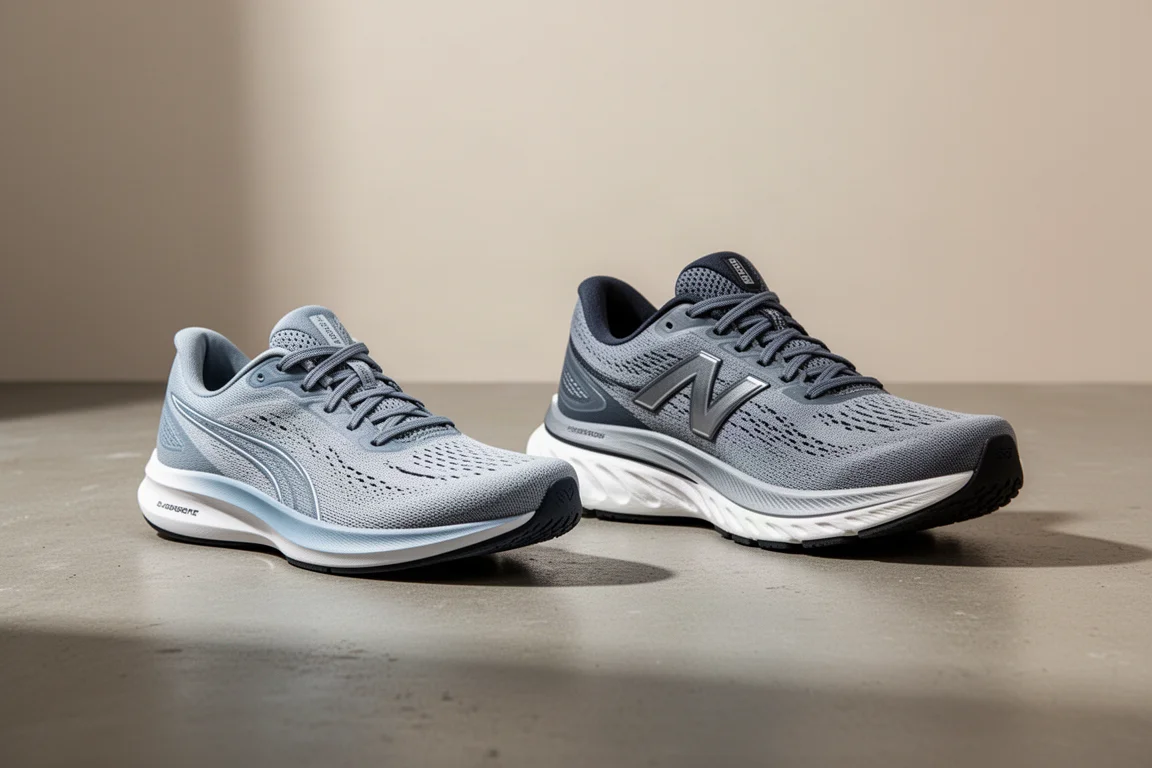
Introduction
The super trainer category keeps growing, and two of its biggest names this year are the Asics Magic Speed 3 and the Hoka Mach X. Both are plated trainers that sit just below full carbon racing shoes, and both are genuinely good. But they end up being quite different shoes in the runs they actually suit, and that difference matters a lot when deciding which one to buy.
After testing both across track sessions, tempo runs, easy miles and treadmill work, one thing is clear: these two shoes do not cross over as much as their shared category label suggests. The Magic Speed 3 is a performance-first fast trainer, while the Mach X leans towards cushioned, versatile daily training.
At a Glance: Key Specs and Pricing
Pricing is close. The Magic Speed 3 costs 160 pounds in the UK and 160 dollars in the US, while the Mach X is also 160 pounds in the UK but pricier at 180 dollars in the US.
On the specs front, the Mach X has a 5 millimetre heel-to-toe drop compared to the 7 millimetre drop on the Magic Speed 3. In a UK size 8, the Magic Speed 3 weighs 210 grams against 246 grams for the Mach X, making the Asics noticeably lighter.

Underneath, the construction is very different. Asics uses two layers of its FF Blast Plus foam alongside a full-length plate, while the Mach X features Hoka’s ProFly X midsole built from PEBA and EVA foams with the plate sandwiched in the middle. For uppers, Hoka uses a Jacquard mesh while Asics uses its Motion Wrap, a lightweight mesh skin material. Outsoles come from proven sources too: the Mach X uses a Durabrasion rubber similar to the Rocket X2, and the Magic Speed 3 borrows ASICS Grip rubber from the Metaspeed series.
Fit and Upper Comfort
Both shoes fit true to normal running shoe size. A UK 8 worked well in both brands, though note that the Hoka UK 8 corresponds to a US 9.5 while the Asics UK 8 is a US 10. Neither shoe required a half-size adjustment in either direction.
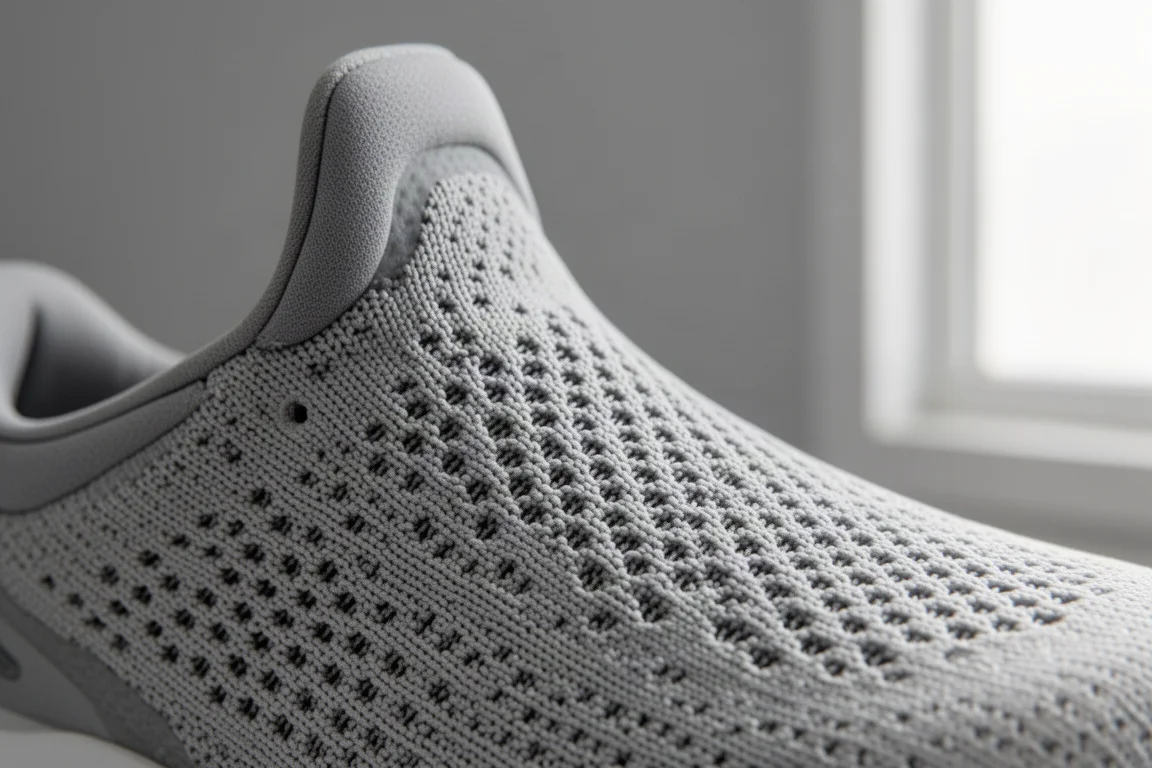
The common theme is narrowness. Both are reasonably narrow-fitting shoes that suit narrow feet well, but this could be a concern for wider feet. The narrowness feels slightly more pronounced on the Magic Speed 3, while the Mach X opens up a little more through the midfoot. Lockdown is similar across both, with skinny tongues and flat laces.
The uppers themselves are both good but serve different purposes. The Asics upper stretches nicely to accommodate the foot, has good heel padding, and stays comfortable despite being a very lightweight racy upper. The Mach X upper is more training oriented, with a bit more padding and slightly less breathability at the front, but remains comfortable all round.
Running Experience: Where Each Shoe Shines
This is where the two shoes separate. At faster paces, the Magic Speed 3 is the clear winner. It feels more responsive, and that low-profile, lighter build translates directly into an effortless fast feeling. The pop and propulsive, lively sensation is simply more prominent in the Asics.

The Mach X can be run quickly, but it takes more effort to get a nice fast feel out of it. It is heavier and not ideally suited to accelerating hard on short reps or turning on the gas around corners. It does have a little more bounce thanks to the PEBA foam layer, but it lacks the explosiveness of the Asics.
Slower paces flip the story. The Mach X has a lower gear, feels more cushioned and comfortable, and works noticeably better for relaxed runs, controlled cruises and long runs. The Magic Speed 3, by contrast, constantly tips you forward and pushes you on, which does not feel entirely right for easy efforts. It is best at parkruns, 1K reps, 800s and short 400-meter repetitions, where it performed impressively.
Durability and grip look similar, with only minor wear showing on the Magic Speed 3 heel after more miles. The Mach X’s outsole offers slightly more rubber and protection, making it the more forgiving option if you stray a little off-road, but both are fine on roads and pavements.
Overall Buying Advice
If you want the shoe that feels nicest to run fast in, the Magic Speed 3 is the answer. It is lighter, genuinely built for speed, and impresses immediately. It works well as a speed-day option and a B-race shoe if you want to preserve your full super shoe for your biggest races. It almost lives up to the standard set by carbon shoes: not quite as explosive, but really nippy.

If you want versatility, the Mach X is the easier shoe to recommend. It is the better all-rounder, handles a wider variety of runs, and offers more comfort, cushioning and protection at easier paces and over longer distances. It settles into a nice rhythm and can handle the odd speed session, though lighter, nimbler shoes do sessions better.
Conclusion
Both are good shoes at opposite ends of the super trainer spectrum. The Magic Speed 3 is the fast, exciting choice for speed sessions and racing, while the Mach X is the comfortable daily trainer that can do a bit of everything but loses out at top-end speed. Choose based on which end of that spectrum matches your rotation.
Product link
View more details for Asics Magic Speed 3
This product is mentioned in the review. Check the specifications, options, and compatibility before buying.
View more details for Asics Magic Speed 3Further reading
Related Reviews

Running Shoes
Best Road-to-Trail Running Shoes: Three Versatile Options for Mixed Terrain
A practical guide to three road-to-trail running shoes that handle both pavement and mild trails, with clear strengths and trade-offs for different runner types.

Running Shoes
Best Running Shoes for Achilles Tendonitis: Three Options Explained
Three running shoes with different heel drops and support features designed to help reduce Achilles tendon pain during walking and running.

Running Shoes
Best Running Shoes for Women: Five Top Choices Ranked
A ranked guide to five women's running shoes, from versatile daily trainers to high-performance racing options, with real strengths and trade-offs for each.