Running Shoes
ASICS Magic Speed 3 Review: A Carbon-Plated Trainer That Shines on Speed Days, Plus Two Rivals Worth Knowing
A closer look at the ASICS Magic Speed 3, and how it stacks up against the Adidas Takumi Sen 9 and Saucony Endorphin Speed 3 for workouts and daily training.
Introduction
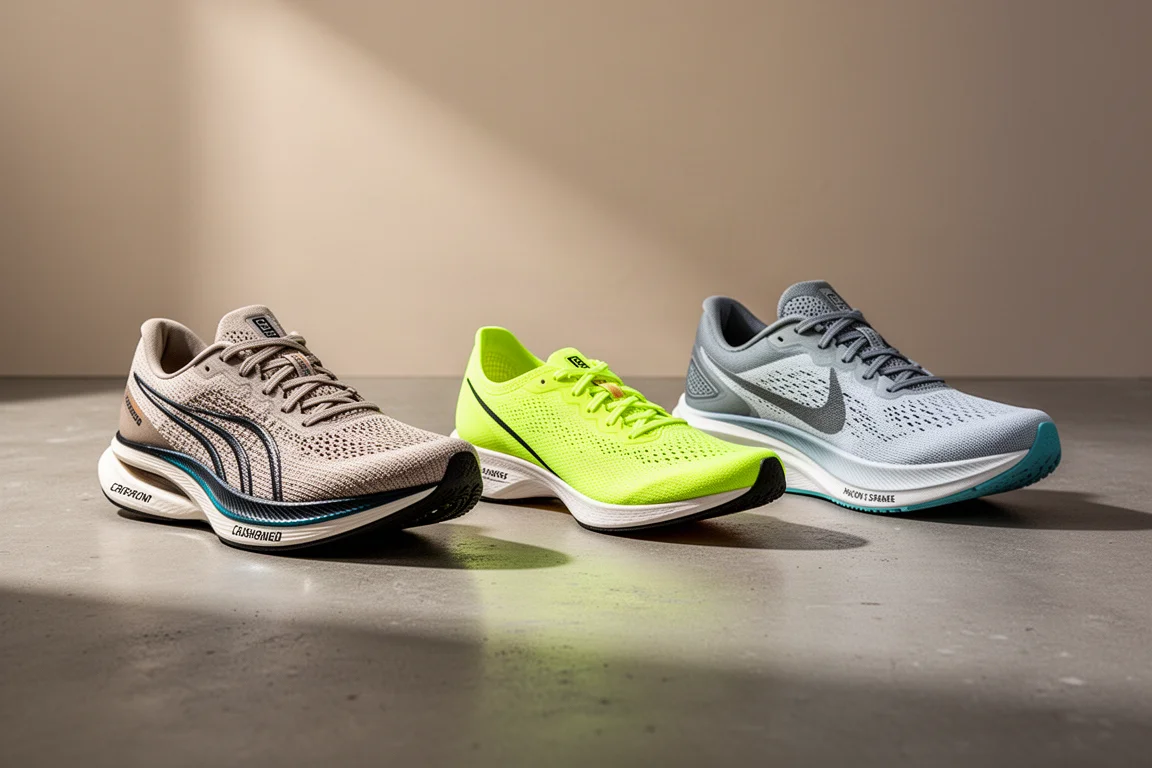
The ASICS Magic Speed 3 is a third-generation carbon-plated trainer that has quietly become one of the most interesting shoes in the speed day category. It borrows a surprising amount from ASICS’s racing line while keeping a daily training foam underneath, and the result is a shoe that feels like a race shoe turned down just a notch. In this guide, we break down what makes it work, who it suits, and how it compares with two of its closest rivals: the Adidas Takumi Sen 9 and the Saucony Endorphin Speed 3.
The Lead Pick: ASICS Magic Speed 3
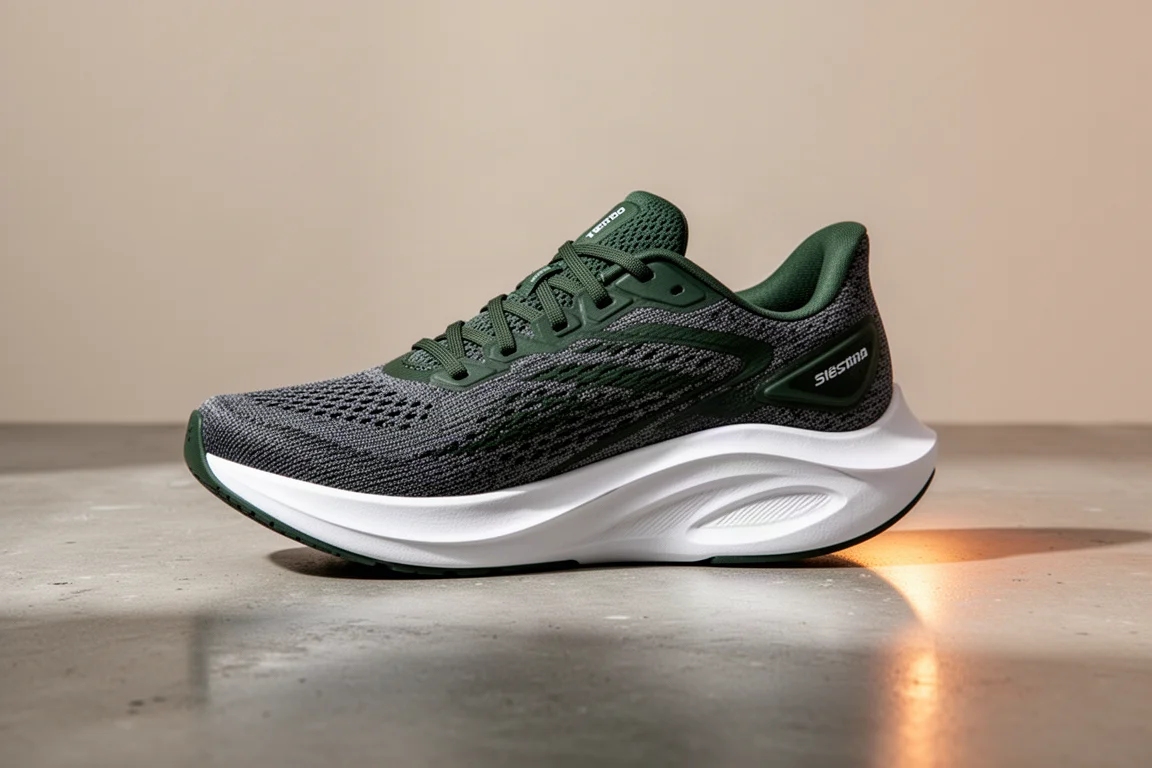
The Magic Speed 3 pairs two layers of ASICS FF Blast Plus foam with a carbon fiber plate sandwiched in between. FF Blast Plus is the brand’s premier daily training foam, lightweight and bouncy yet cushioned, while the racing shoes in the Metaspeed line use the livelier FF Turbo. Bringing that training foam into what is essentially a racing setup is the core idea behind this shoe.
The specs are distinctive. The men’s version comes in at 36 mm of stack in the heel and 29 mm in the forefoot, an unusual 7 mm drop. The women’s version is similar with the same 7 mm drop but 1 mm less stack overall, starting at 35 mm and dropping to 28 mm. Weight drops noticeably from the previous version, landing at 220 g or 7.7 oz.
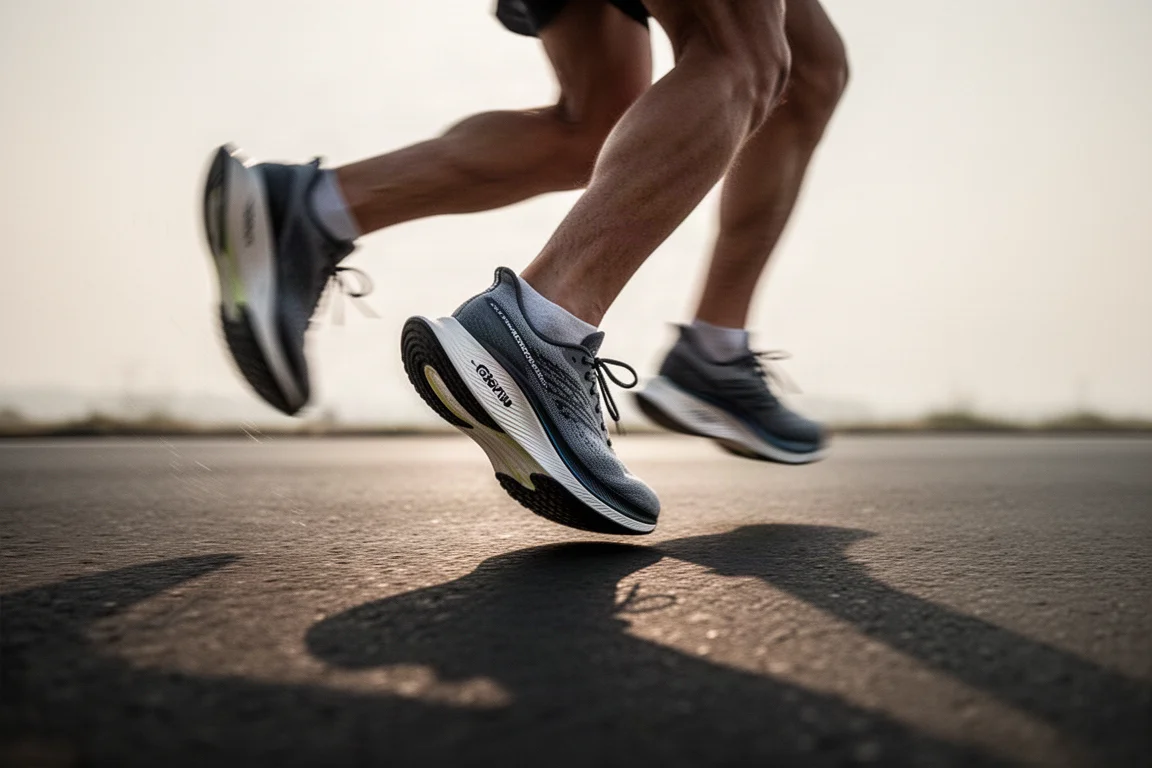
The upper is another big change: it now uses the same motion wrap material as the Metaspeed racing series, with a slightly more padded tongue than the race version. The outsole keeps a pattern similar to the racing cousin but with deeper rubber coverage, which should help durability. The fit is snug in a racer-like way, so it is not the roomiest shoe out there, but that locked-in feel is exactly what many runners want when moving fast.
On the run, this is not a shoe with a huge carbon pop. The plate sits low, in a way that feels closer to the Metaspeed Edge Plus than the Metaspeed Sky Plus, which enhances stability and quick turnover rather than bounce. It lands with confidence, never feels squirrely, and rolls forward quickly into toe-off. It also delivers the kind of positive feedback the Metaspeed series is known for: run sloppy and the shoe lets you know, run tall with good posture and it rewards you. That said, the firmness at easier paces makes it a poor choice for relaxed daily runs, where softer shoes do the job better.
Best for Shorter Speed: Adidas Takumi Sen 9
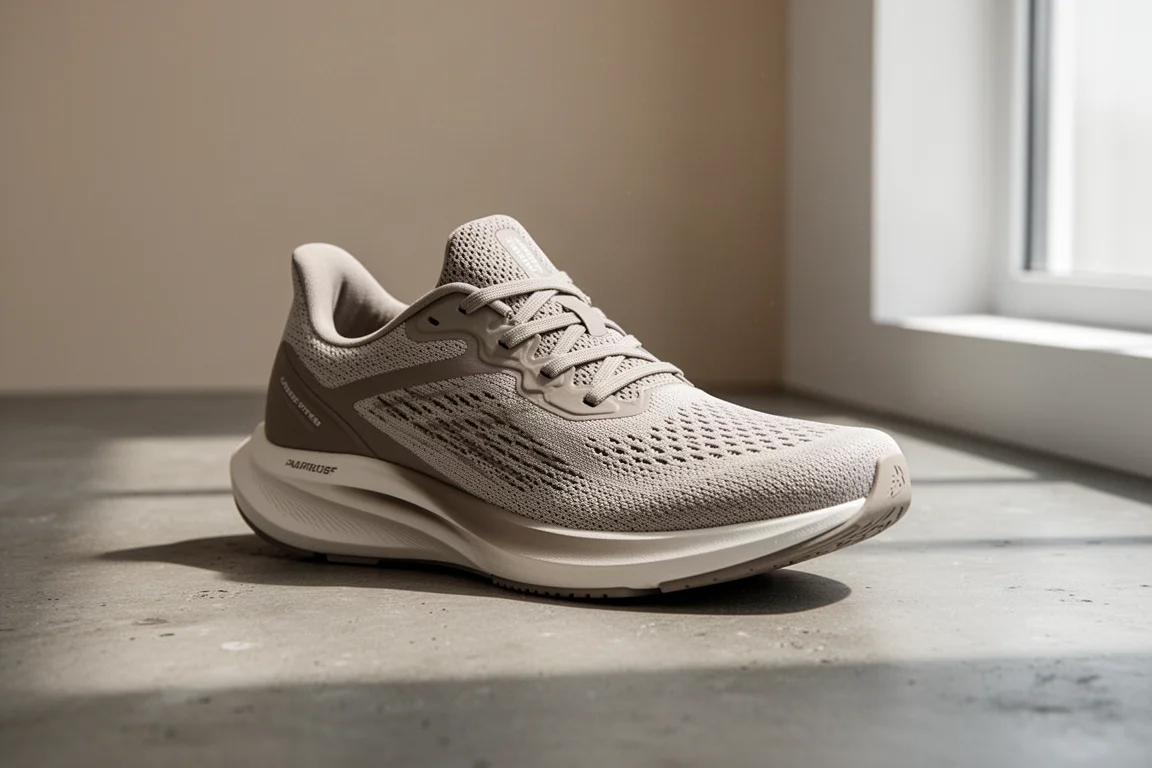
For pure speed work, the Adidas Takumi Sen 9 remains a favorite. It is a super lightweight, very exciting race-day type of shoe that covers everything from mile repeats to 5K PR attempts. It leans more speed-oriented and race-oriented than the Magic Speed 3, which explains its place in this comparison.
Many marathoners who are not necessarily 5K or 10K specialists end up using these two shoes in the same way, which makes the choice between them largely a matter of how race-focused you want your workout shoe to feel. At a $180 retail price, the Takumi Sen 9’s positioning makes sense, and that context makes the Magic Speed 3’s $160 price easier to accept.

The Versatile Alternative: Saucony Endorphin Speed 3
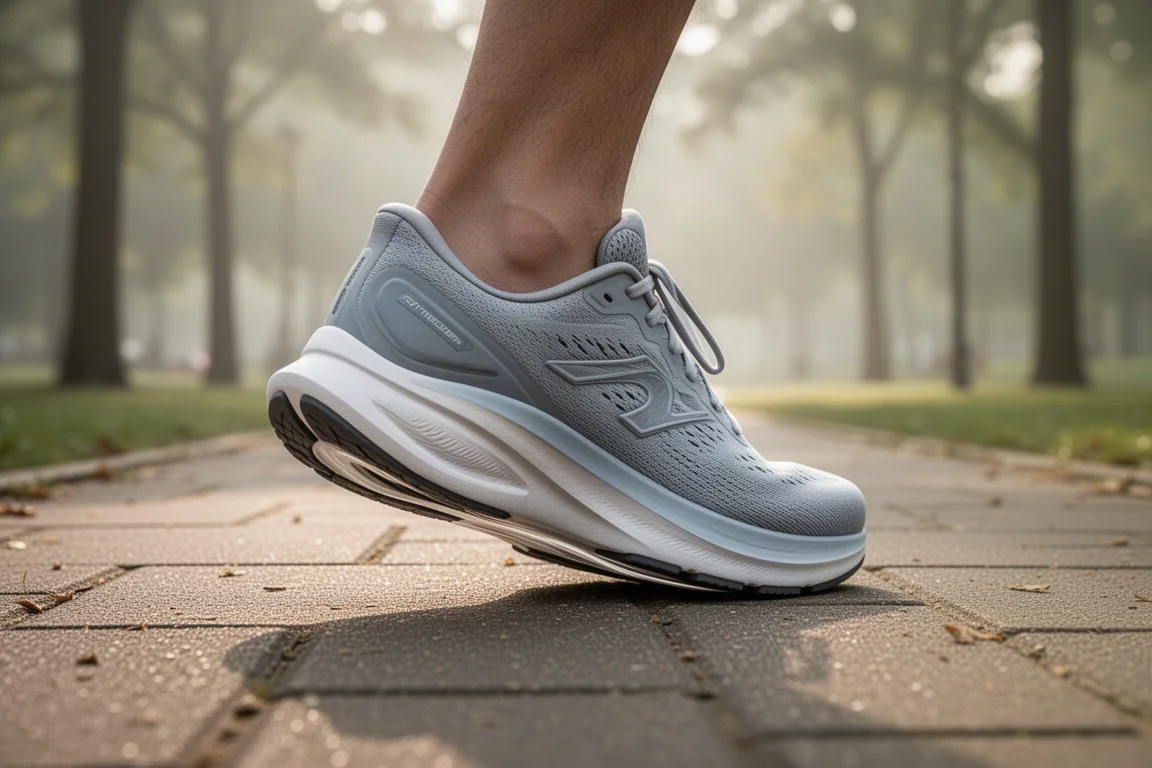
The Saucony Endorphin Speed 3 is the shoe most people ask about when comparing speed day trainers, and for good reason. Many runners use it exactly the way the Magic Speed 3 is intended: primarily for workouts, but with a decent amount of daily training mixed in.
If that dual-purpose role is what you want, the Endorphin Speed 3 may work out slightly better. It has a much wider heel that makes it more comfortable at easy paces, and it feels more robust and ample in terms of squishy cushion in the forefoot. The trade-off is that it is not quite as sharp a pure speed option. If picking up the pace is the priority, the Magic Speed 3 is the stronger alternative.
At $170, the Endorphin Speed 3 also sits at a price point that feels a touch high, but that is where the market stands for plated trainers.
Building a Rotation Around Them
The Magic Speed 3 is strong enough that you could build an entire rotation within a single brand family. For racing, the Metaspeed Sky Plus is the natural companion: it is one of the best-known shoes for big marathon personal bests, and pairing it with the Magic Speed 3 for sessions makes sense, saving the race shoe for the biggest workouts and key races.
For daily training and easy runs, where the Magic Speed 3 is not at its best, a softer cushioned trainer with the same FF Blast Plus foam in a more relaxed package fills the gap comfortably, with plenty of heel foam for easier paces and the bulk of your weekly aerobic mileage.
Buying Advice
The Magic Speed 3 retails at $160 and releases on June 1. That price point has become common across the category, and while it may sit slightly high for this shoe, it does not feel unreasonable, especially next to the $180 Takumi Sen 9 and the $170 Endorphin Speed 3.
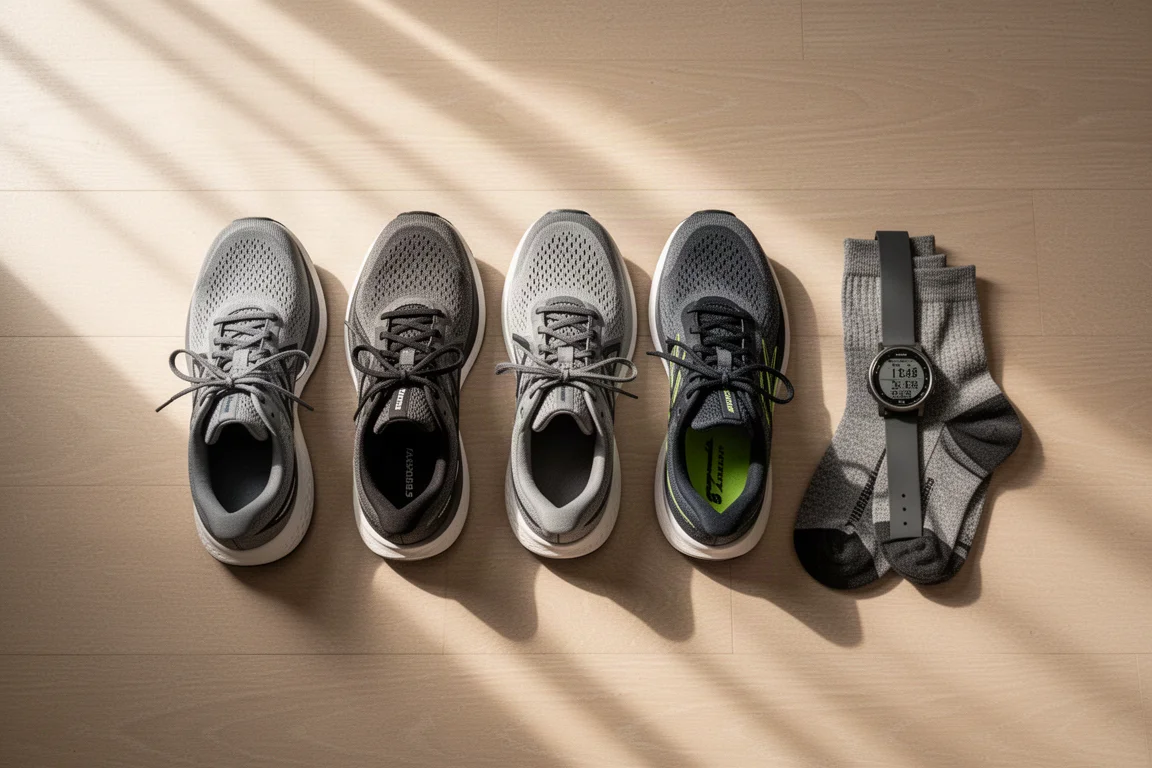
The decision comes down to intent. If you want a pure speed day shoe that shines from marathon pace down to mile pace, the Magic Speed 3 is the standout. If you want something more race-focused for shorter distances, the Takumi Sen 9 is the pick. If you want a workout shoe that can also handle a fair share of daily training, the Endorphin Speed 3 tips the scale your way.
Conclusion
The ASICS Magic Speed 3 earns its place as a top speed day trainer: a racing-style setup softened just enough with daily training foam, stable and confident underfoot, with feedback that rewards good form. Match it against your own priorities against the Takumi Sen 9 and Endorphin Speed 3, and the right choice becomes clear.
Further reading
Related Reviews

Running Shoes
Best Road-to-Trail Running Shoes: Three Versatile Options for Mixed Terrain
A practical guide to three road-to-trail running shoes that handle both pavement and mild trails, with clear strengths and trade-offs for different runner types.

Running Shoes
Best Running Shoes for Achilles Tendonitis: Three Options Explained
Three running shoes with different heel drops and support features designed to help reduce Achilles tendon pain during walking and running.

Running Shoes
Best Running Shoes for Women: Five Top Choices Ranked
A ranked guide to five women's running shoes, from versatile daily trainers to high-performance racing options, with real strengths and trade-offs for each.