Running Shoes
Asics Magic Speed 2 vs Puma Deviate Nitro 2: Which Plated Trainer Should You Buy?
Two of the best plated training shoes compared on weight, ride, grip and durability to help you pick the right one for your rotation.
Introduction
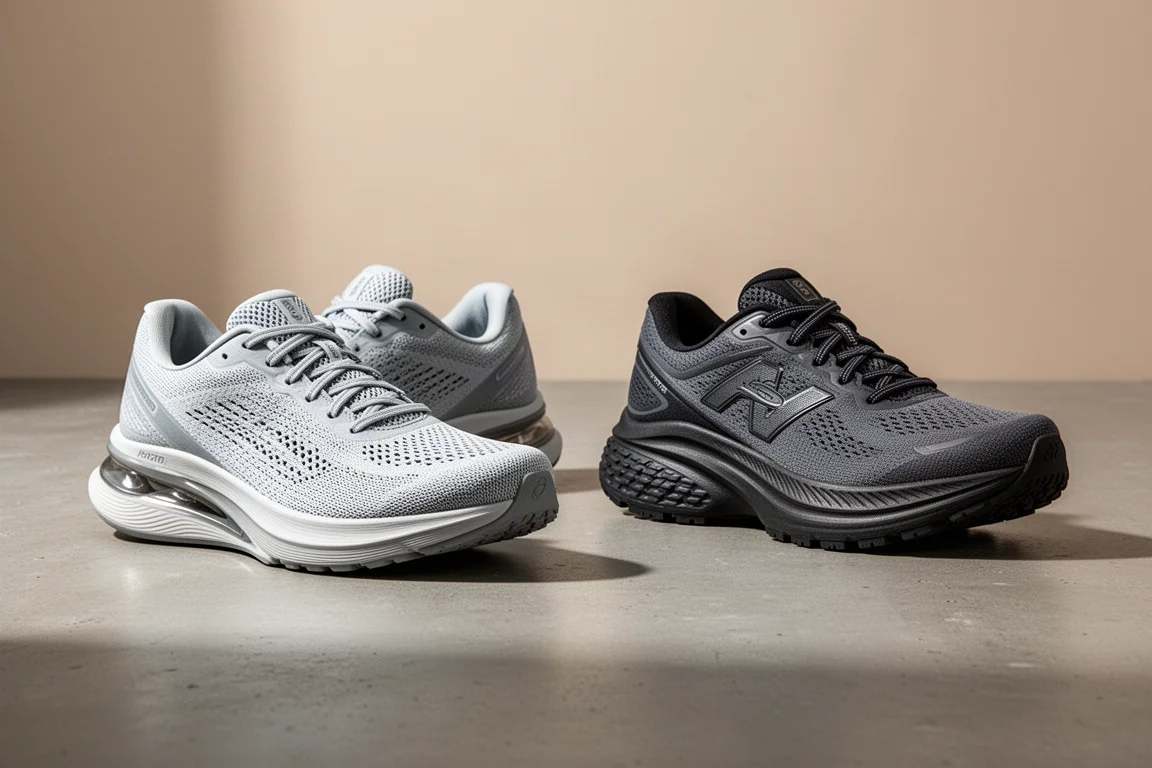
Plated training shoes have become the sweet spot between a daily trainer and a full racing shoe, and two of the strongest options in this category are the Asics Magic Speed 2 and the Puma Deviate Nitro 2. Both are designed to handle a little bit of everything, but especially your faster training runs, and both work well as training partners to the carbon racing shoes in the Asics and Puma ranges. Alongside the Saucony Endorphin Speed 3, these are arguably the two standout shoes in this class. Here is how they compare.
Specs and Build
The Magic Speed 2 costs 170 pounds in the UK or 150 dollars in the US, while the Deviate Nitro 2 sits at 140 pounds in the UK and 150 dollars in the US. Weight is the biggest headline difference: the Asics is a much lighter shoe at 238 grams (8.4 oz) in a UK size 9, versus 276 grams (9.7 oz) for the Puma in the same size. The Magic Speed 2 has a 7mm drop with a 37mm heel and 30mm forefoot stack, while the Deviate Nitro 2 runs an 8mm drop with a 38mm heel and 30mm forefoot.
Both use a lightweight engineered mesh upper. The Asics keeps things very minimal, with only a little padding around the heel and very little structure. The Puma adds power tape elements for extra support, especially on the medial side, plus more padding around the tongue and collar.
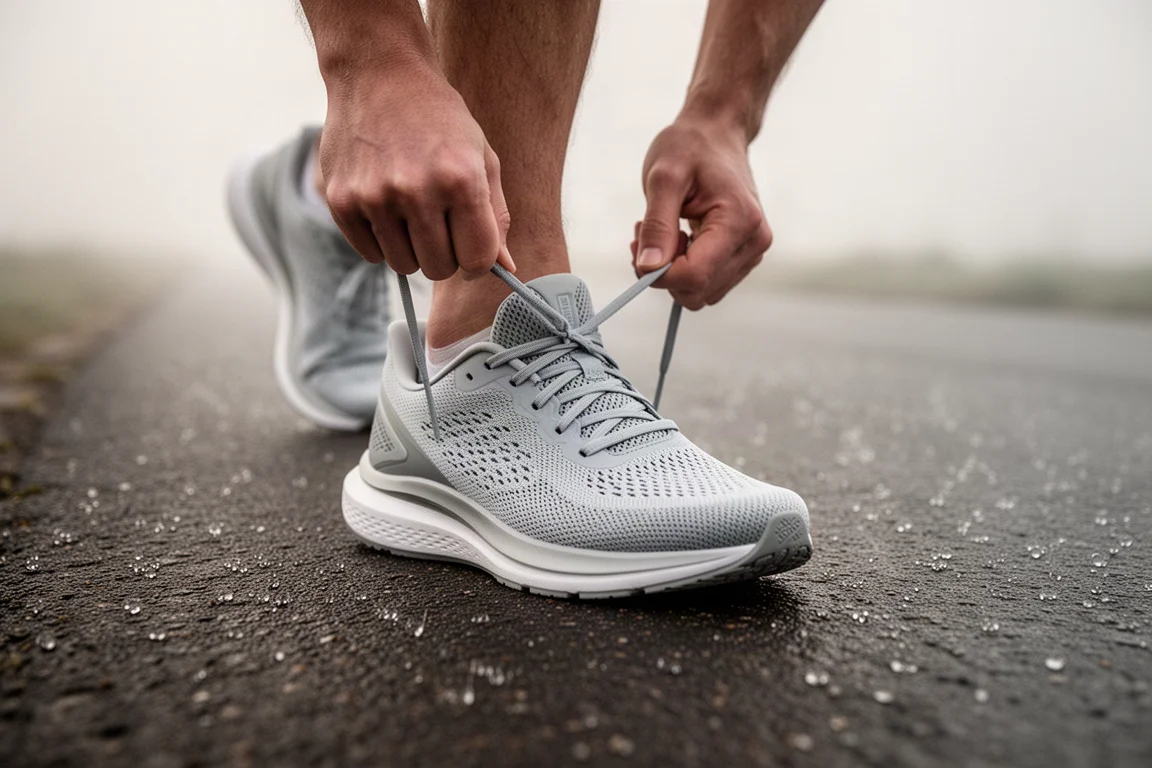
Both shoes fit true to size with no heel slippage and a good amount of room in the toe box. Runners with narrow feet may find the Asics slightly torpedo shaped around the midfoot, but neither shoe caused fit concerns.
View more details for Asics Magic Speed 2
Midsole and Ride
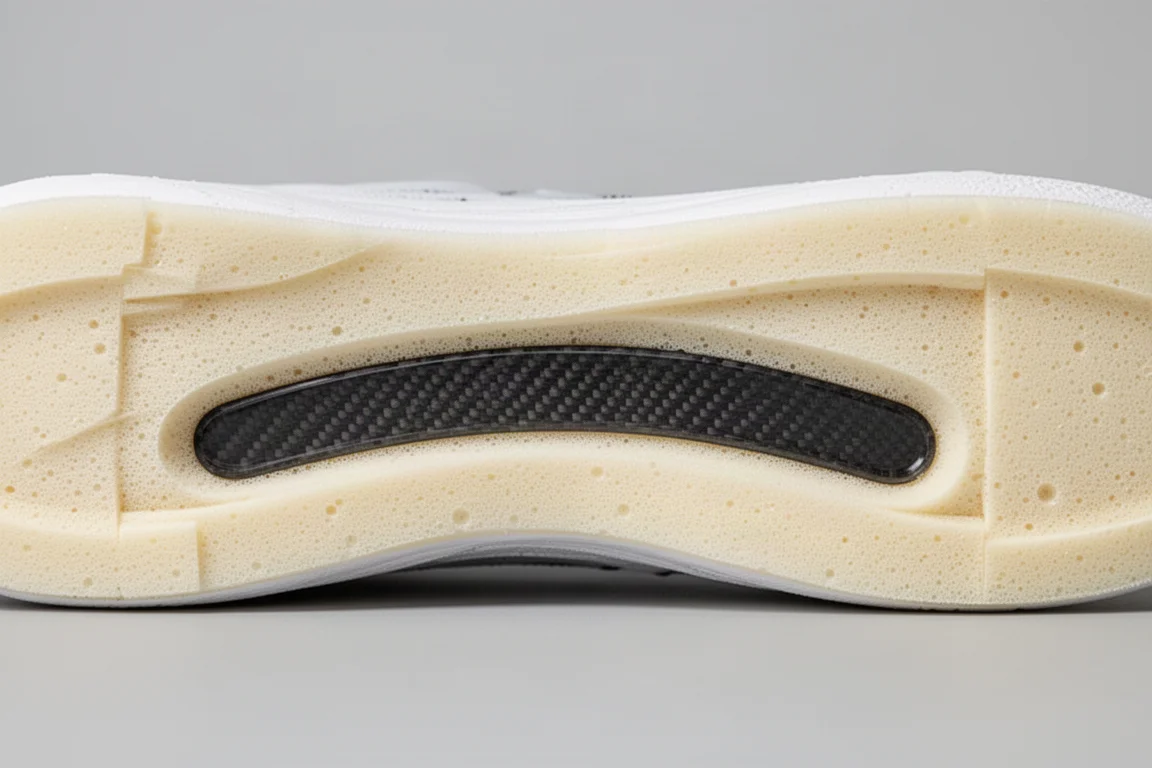
Both shoes use a dual-density midsole with a carbon and TPU plate, which makes the plate slightly less stiff than what you find in full racing shoes, allowing more comfort for regular training.
In the Asics, FF Blast Plus sits on top with a firmer, more durable foam layer underneath, especially at the heel. The ride is rockered and rolling, with a more aggressive toe spring at the front. That rolling motion makes it more comfortable on hard long runs, and the lower weight gives it the edge for all-out speed, particularly on shorter reps.
The Puma stacks Nitro Elite foam on top of firmer Nitro foam, again with a pronounced heel wedge, plus a plate that is 70% carbon and 30% TPU. Its ride is snappier than the Asics, which some runners will enjoy, though it can create a bit more forefoot fatigue over longer distances.
Outsole, Grip and Durability
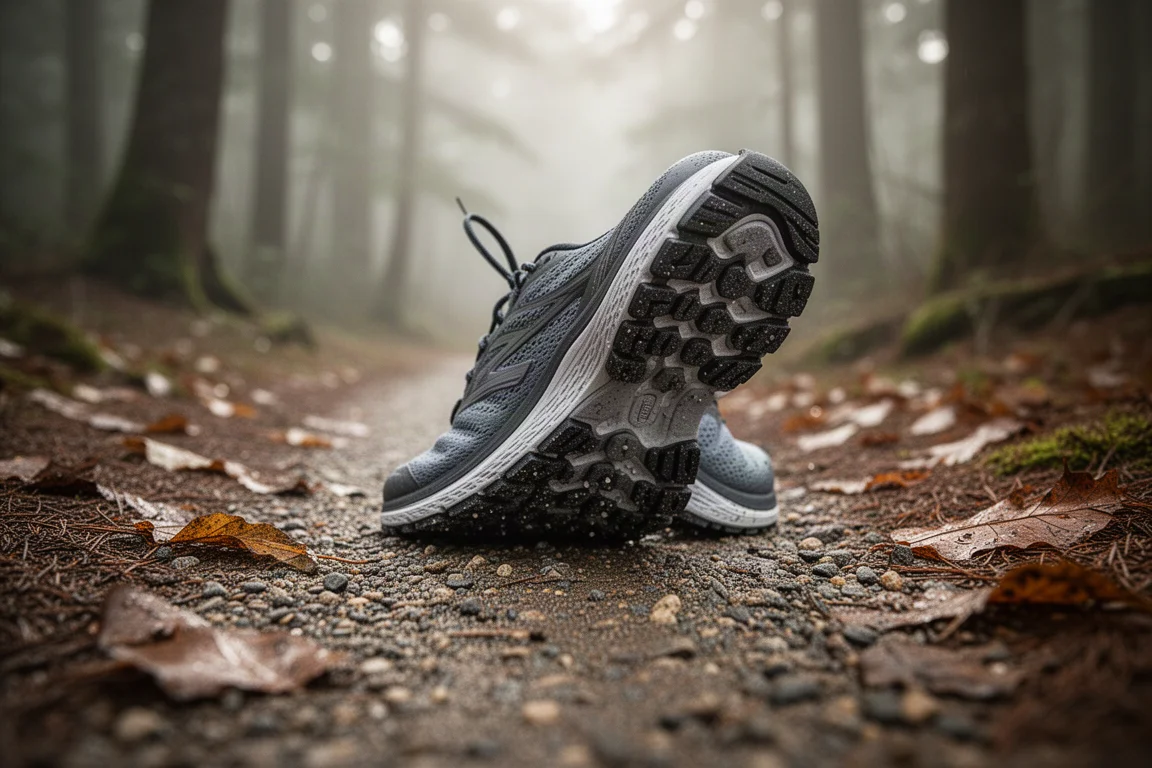
The outsole is the single biggest difference between these shoes. The Puma uses Puma Grip rubber with Puma Grip ATR at the rear: a thick, hard-wearing compound that grips very well in all conditions. That outsole goes a long way toward explaining the Puma’s higher weight, but it also makes the shoe far more versatile. It handles canal towpaths and forest trails with no problems, opening up everyday routes beyond the road.
The Asics has a minimal outsole with good coverage on the forefoot and a couple of thin strips at the back, leaving a lot of exposed but fairly durable foam. Grip is fine on roads, but it is not a shoe to trust for fast running on anything other than tarmac. Long-term durability is the other trade-off: no undue wear has appeared so far, but this is best treated as a speed-focused shoe worth preserving in a rotation.
Buying Advice
If you want a fast trainer that can double as a racing shoe, the Magic Speed 2 is the pick. It is the lighter, faster shoe, better suited to straight speed sessions, and the more comfortable choice for racing over longer distances thanks to its rolling ride and more aggressive toe-off.
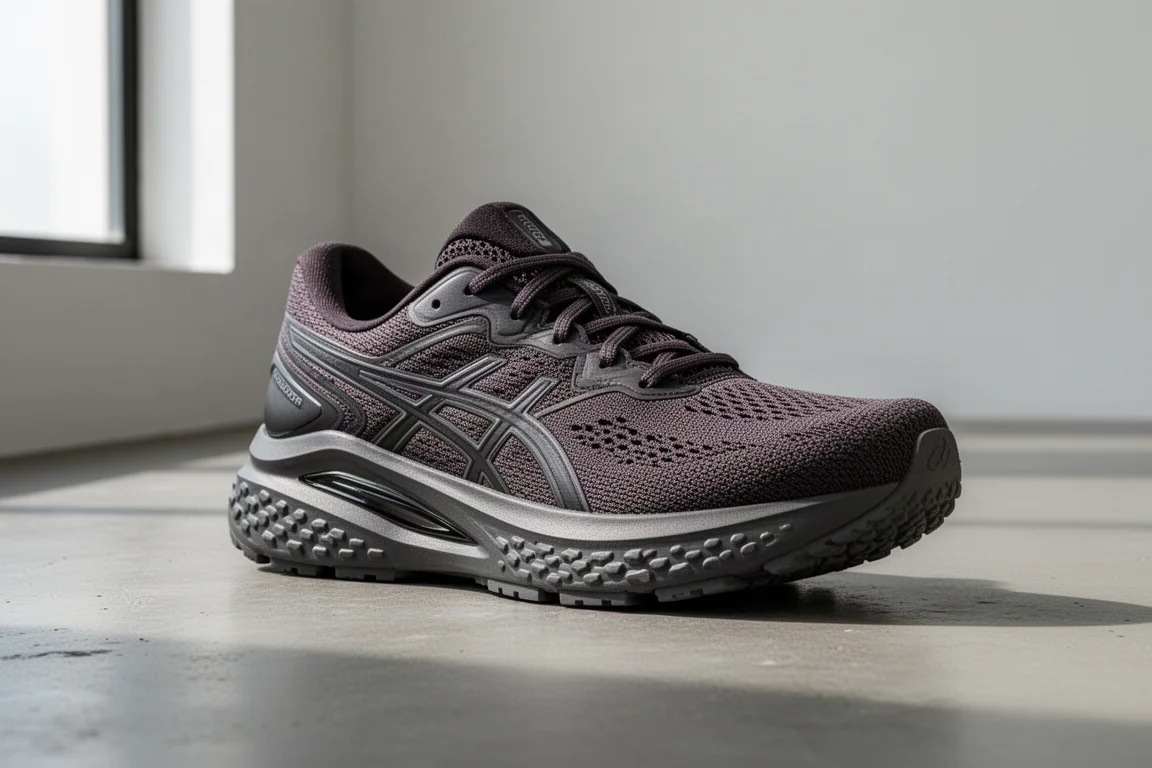
If you want a do-it-all trainer to slot into a rotation, or you already own a dedicated racing shoe, the Deviate Nitro 2 will handle the rest of your runs very well. You could happily pair it with a plated racing shoe in a two-shoe rotation, or add a more cushioned shoe for easy runs. Its Puma Grip outsole makes it more durable and confident off-road, as long as you avoid deep mud or very technical trails.

Conclusion
Both are excellent plated trainers and easy shoes to recommend, whether you are building a rotation or just want one shoe that does most things. The Asics Magic Speed 2 tilts toward fast runs and racing, while the Puma Deviate Nitro 2 is the more capable everyday option with far better grip and durability. If the fit of the Endorphin Speed 3 has not worked for you, both of these are great alternatives, and sale pricing, particularly on the Magic Speed 2 in the UK, can make either one an even easier call.
Further reading
Related Reviews

Running Shoes
Best Road-to-Trail Running Shoes: Three Versatile Options for Mixed Terrain
A practical guide to three road-to-trail running shoes that handle both pavement and mild trails, with clear strengths and trade-offs for different runner types.

Running Shoes
Best Running Shoes for Achilles Tendonitis: Three Options Explained
Three running shoes with different heel drops and support features designed to help reduce Achilles tendon pain during walking and running.

Running Shoes
Best Running Shoes for Women: Five Top Choices Ranked
A ranked guide to five women's running shoes, from versatile daily trainers to high-performance racing options, with real strengths and trade-offs for each.