Running Shoes
Asics Magic Speed 2 First Run Review: Softer, Kinder, But Not the Whole Answer
A full-length carbon plate, more FF Blast Plus cushioning, and a friendlier ride make the Magic Speed 2 a clear step up, but there are trade-offs for faster days.
Introduction
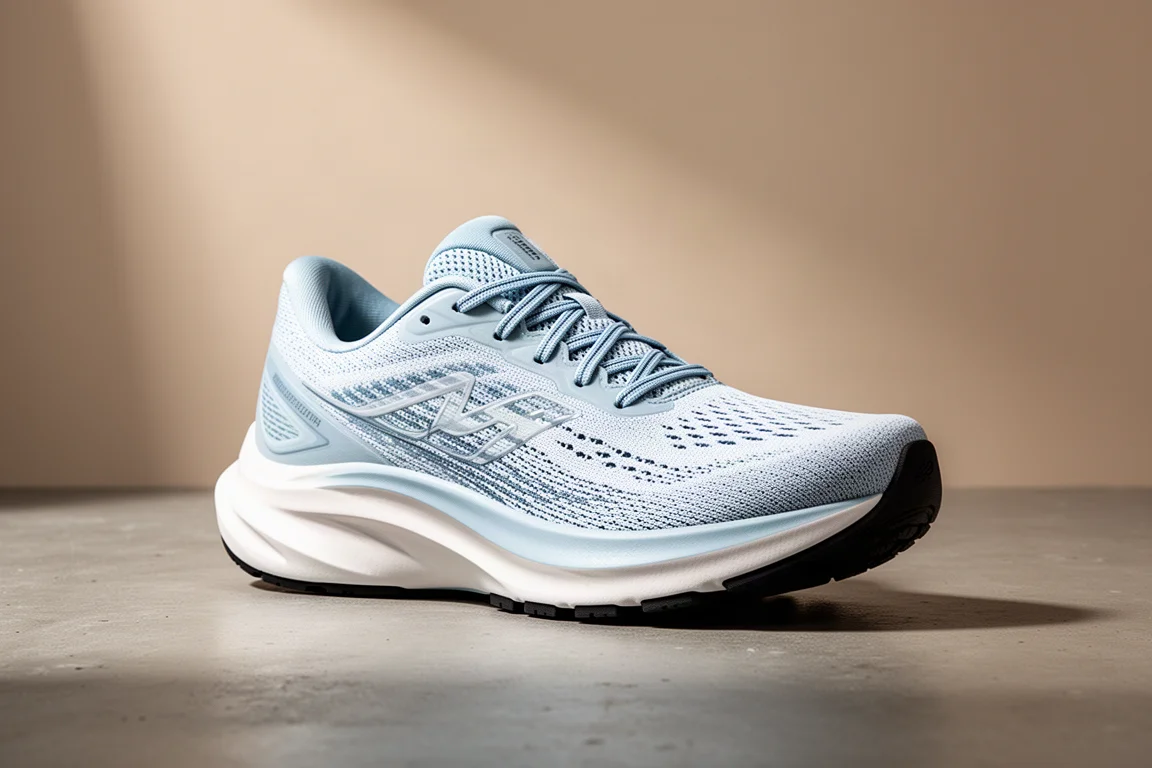
The original Asics Magic Speed earned a reputation as a firm, focused tempo shoe that was great when you ran hard and punishing when you did not. The Magic Speed 2 aims to fix exactly that. Priced at £170 in the UK and $150 in the US, this second version brings a longer plate, softer foam, and a more accommodating heel, promising a shoe you can actually run longer in. After a handful of early runs, here is how it stacks up.
What Has Changed in the Magic Speed 2
The headline upgrade is the plate. Where the original used a half-length carbon and TPU plate, the Magic Speed 2 now runs a full-length plate. The drop has also moved from five millimetres to seven millimetres, and the midsole is now dual density, with FF Blast Plus cushioning on top where the original used standard FF Blast. There also appears to be flight foam at the heel.
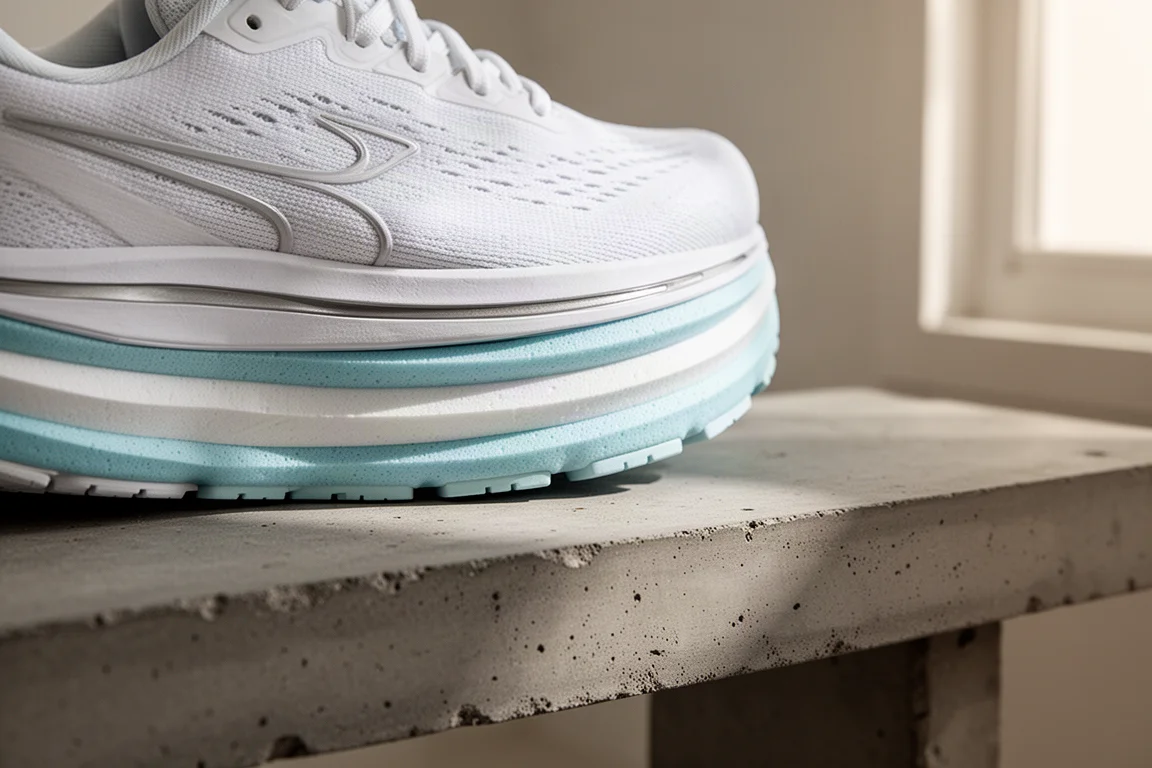
Weight is effectively unchanged in practice. Although the newer version is nominally a little heavier on paper, it weighed the same as a UK size 8 Magic Speed on our scale. The upper keeps a similar engineered mesh but adds considerably more padding at the heel collar, and the outsole now uses a new Asics script rubber compound mirroring what the brand fits to the MetaSpeed Sky Plus and Edge Plus.
Fit and Upper
Fit follows the same template as the original: this is a better shoe for narrower feet. The toe box volume feels slightly bigger than before, but the upper still hugs snugly along the sides of the toes and through the midfoot. For most people, going true to size works fine, though it is worth experimenting with half a size up if you want more room up front.
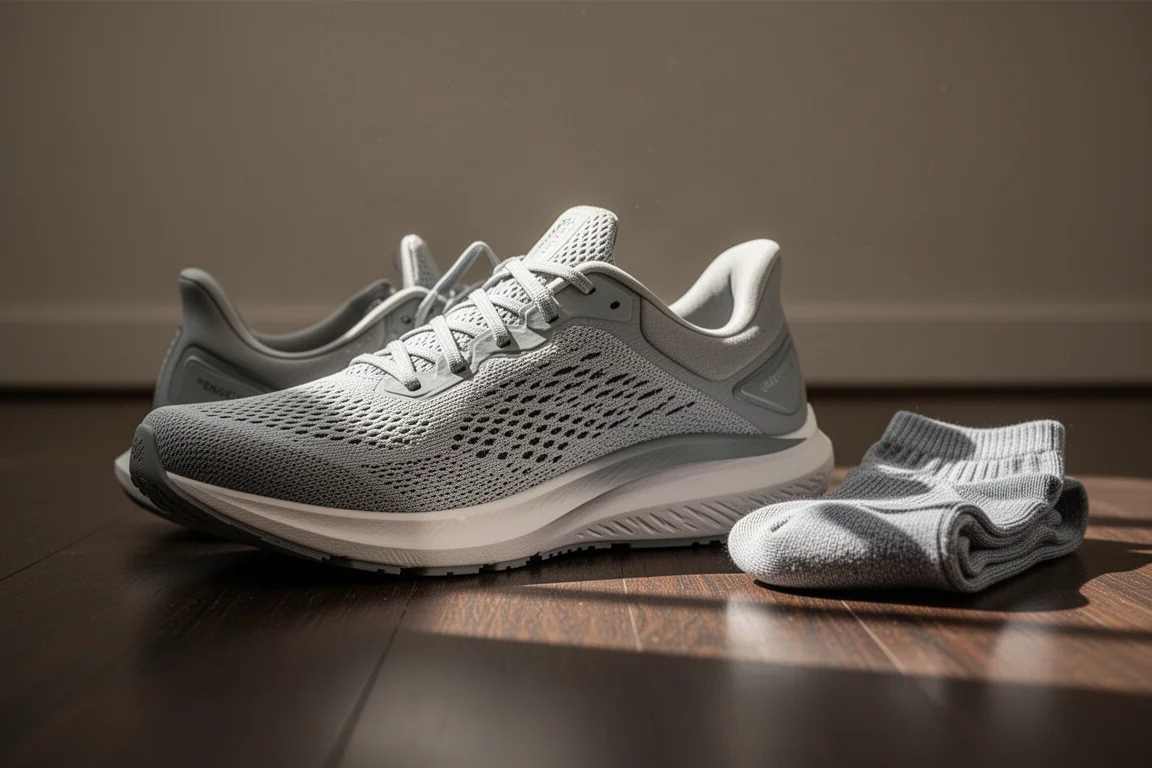
The extra heel collar padding is a genuine improvement, because the original was very thin in that area. The skinny tongue did not move around during testing, the laces held lockdown well, and there were no fit-related complaints across a 6K treadmill run and a tempo-style 10K.
Ride and Performance
The core criticism of the original was harshness: run it at pace over 5K or 10K and it felt good, but slow down or go longer and the firmness became hard going. The Magic Speed 2 softens that edge. It still runs a touch firm, but the added cushioning levels off the harshness and makes it a shoe you would genuinely want to take a bit longer in.

The less encouraging part is the speed work. Despite the full-length plate, the ride did not deliver the aggressive, propulsive feeling you get from Asics’ top-tier MetaSpeed Sky Plus and Edge Plus racers, and it did not stand out against other speedy daily trainers either. Picking up the pace produced a controlled, stable, but not particularly exciting ride. It has the ingredients of a fast plate trainer, but in early runs those ingredients did not fully translate.
Grip and Outsole
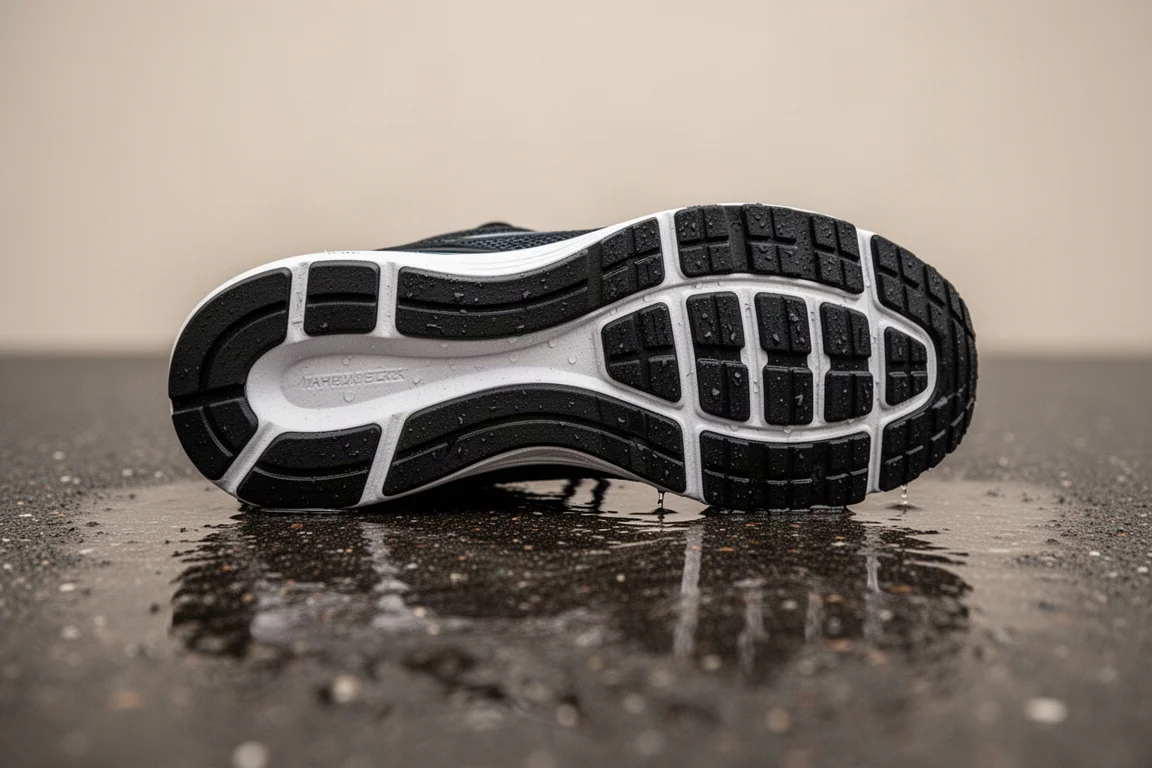
The original outsole was never a weak point, and the new Asics script rubber brings it in line with the MetaSpeed Sky Plus and Edge Plus shoes. On dry roads and patchy wet surfaces, grip held up well across testing. It is perhaps not quite as nimble as those top-tier MetaSpeed models, but traction was dependable throughout.
How It Compares
Against the Saucony Endorphin Speed 3, the midsole foam and Speedroll geometry produce a noticeably nicer feeling at quicker paces, along with a more accommodating upper. Shoes like the Puma Deviate Nitro 2 offer a similar use case with a more responsive feel when the tempo rises, and the New Balance super trainer tested alongside it delivers a more aggressive rocker and propulsive kick for speed sessions and even racing.
The MetaSpeed Edge Plus remains the more capable option for speed and longer efforts, though it costs more and trades away some durability. Within this price bracket, the Magic Speed 2 is reasonably positioned, but rivals such as the Endorphin Speed and Puma velocity options arguably give you more pop for the money.
Buying Advice
If you liked the shape of the original Magic Speed but found it too firm for anything beyond 10K, the second version directly addresses that complaint. Buy it if you want a stable, controlled tempo shoe with good grip and a firmer-than-average character that now copes with longer distances.
Look elsewhere first if your priority is a shoe that feels propulsive in intervals and speed sessions. That quality, the whole point of a plate trainer for many runners, did not show up in the way you might hope. Consider trialling alternatives like the Endorphin Speed 3 or a nimble daily trainer before committing.
Conclusion
The Asics Magic Speed 2 is a clear improvement over its predecessor: better cushioning, a friendlier heel, a full-length plate, and a ride that handles longer distances without punishing you. As a versatile daily trainer with tempo ambitions, it works. As the standout pick for fast sessions in a crowded market, it is not quite there yet, and that may be the deciding factor for runners choosing between this and its many capable rivals.
Product link
View more details for Asics Magic Speed 2
This product is mentioned in the review. Check the specifications, options, and compatibility before buying.
View more details for Asics Magic Speed 2Further reading
Related Reviews

Running Shoes
Best Road-to-Trail Running Shoes: Three Versatile Options for Mixed Terrain
A practical guide to three road-to-trail running shoes that handle both pavement and mild trails, with clear strengths and trade-offs for different runner types.

Running Shoes
Best Running Shoes for Achilles Tendonitis: Three Options Explained
Three running shoes with different heel drops and support features designed to help reduce Achilles tendon pain during walking and running.

Running Shoes
Best Running Shoes for Women: Five Top Choices Ranked
A ranked guide to five women's running shoes, from versatile daily trainers to high-performance racing options, with real strengths and trade-offs for each.