Running Shoes
ASICS GT-2000 14 vs Gel-Kayano 32: Two Very Different Stability Shoes
Both are long-standing ASICS stability trainers, but the GT-2000 14 and Gel-Kayano 32 have diverged sharply. Here is how they compare on ride, stability, fit, and durability.
Introduction
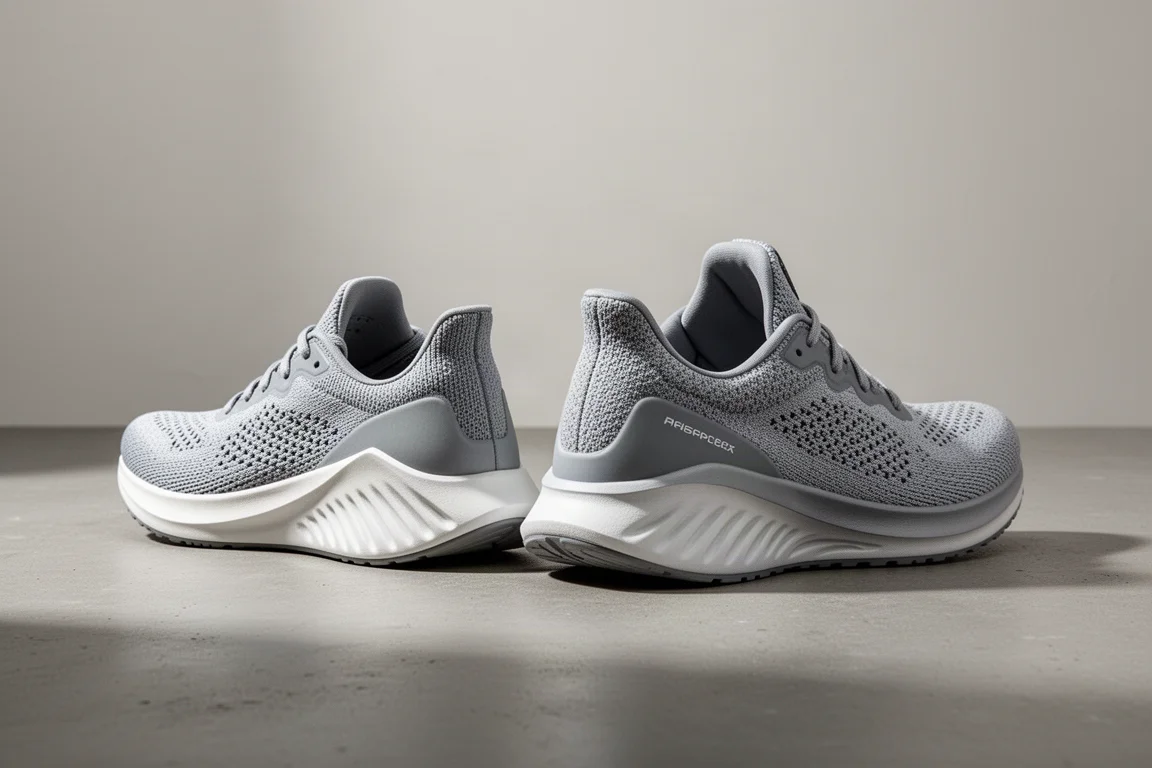
The ASICS GT-2000 14 and Gel-Kayano 32 are two of the longest-running names in stability footwear, and both received major updates in their latest versions. Parts of the two shoes almost feel like they have switched places, and despite sharing a stability focus, they are extremely different in practice. This comparison breaks down the specs, ride, stability, fit, and durability so you can work out which one suits your feet and training.
Specs at a Glance
In men’s size 10, the GT-2000 14 is the lighter of the two at 9.8 ounces (about 278g), while the Gel-Kayano 32 comes in at 11 ounces (about 310g). That is more than an ounce of difference, though it does not always feel that large on foot due to differences in heel transition.
Stack heights differ too. The GT-2000 14 sits at 36.5mm in the heel and 28.5mm in the forefoot for an 8mm drop. The Kayano 32 also drops to an 8mm offset this generation, but from a much taller platform: 40mm heel and 32mm forefoot, a significant change for the model.
Ride and Heel Transition
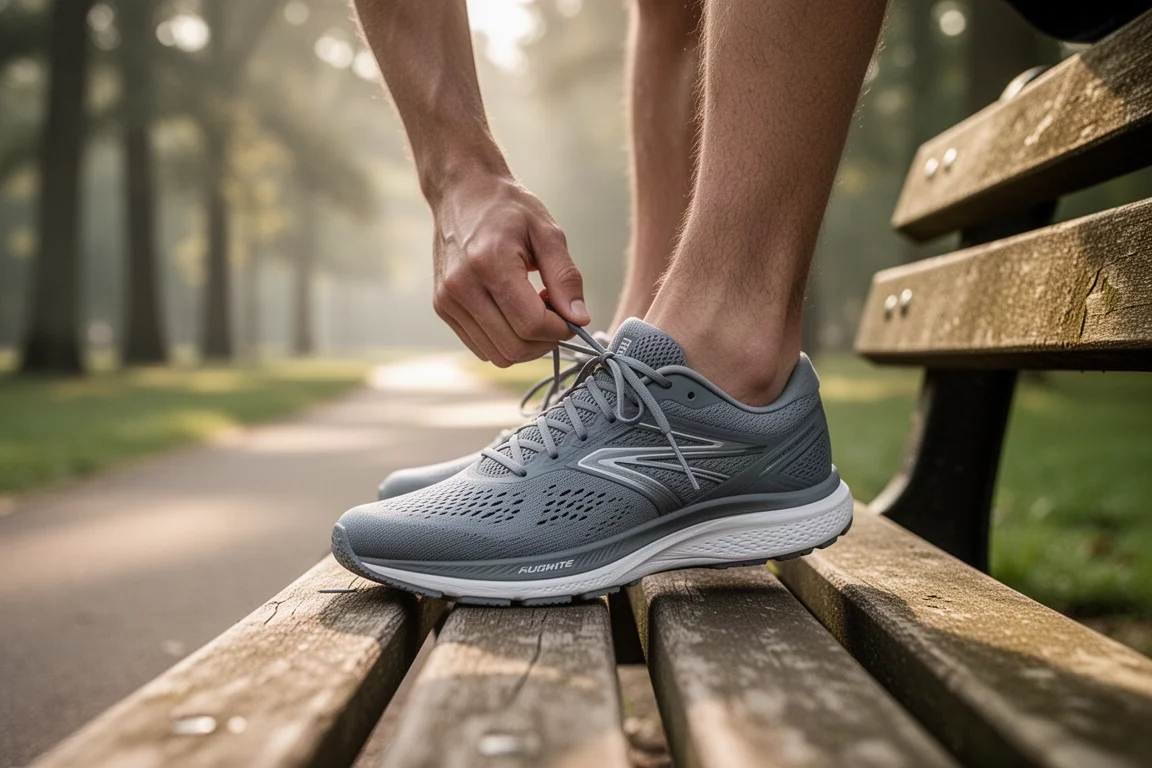
The biggest differences between these shoes show up in the ride, especially at the heel. Older Kayano versions had a clunky heel with a lot of posterior heel flare and a poor bevel. That changed with the 32, which has the best transitioning heel of any Kayano in recent memory. It feels smooth at any speed and works best for slower transitions, easy runs, and long runs.
The GT-2000 14 moves in the opposite direction. Previous versions were improving, but this one carries a lot of posterior heel flare, making the heel transition clunky enough to be a real drawback. It works better for runners who land a bit more forward or run at slower paces with a forward landing.
Forward of the heel, the GT-2000 is a little more flexible and snappier thanks to its lower stack and FF Blast Max foam, which is a tad firmer and bouncier. The Kayano uses FF Blast Plus Eco, which is softer and smoother, fitting its role as the more premium, relaxed trainer. The GT-2000 can handle uptempo work and workouts; the Kayano is too big and heavy for that and is best reserved for easy and long runs.

Stability Feel
Stability has become more aggressive in both shoes this generation, going against the recent trend toward stable-neutral designs. Both will feel a medial push pushing you laterally, and neither works for runners with lateral stability needs despite their wide soles and lateral sidewalls.
The Kayano’s 4D Guidance System places bouncier foam in the midfoot, so when you pronate, the foam pushes you back out. Its full-length medial support stays consistent from heel to forefoot and holds on longer through the miles. The GT-2000 is more aggressive early on, particularly in the heel and midfoot, then eases up slightly as it breaks in while remaining a fairly aggressive option. Both sit in the moderate-to-higher stability range.
Fit and Heel Counter
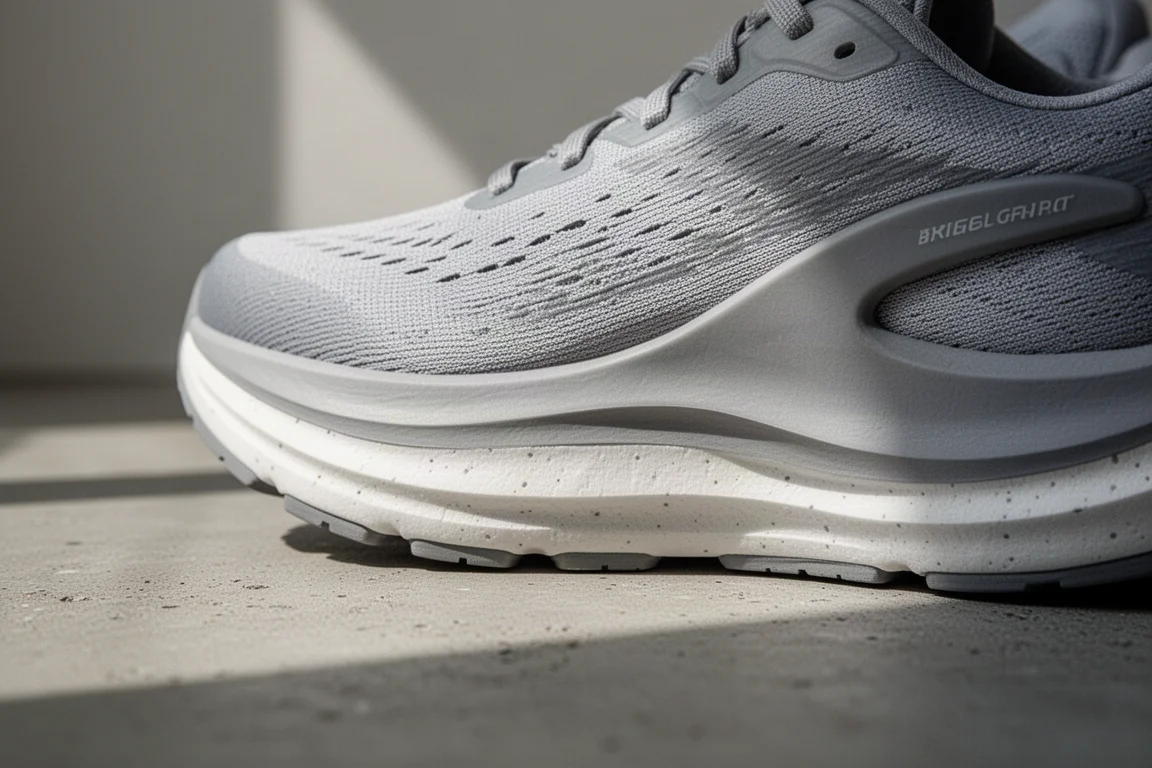
Fit is another area where the two have effectively swapped places. The Kayano used to be the wider shoe and the GT-2000 the snugger one. Now the GT-2000 14 offers a more open, higher-volume fit, close to normal to slightly wider, especially in the forefoot, with a fairly normal midfoot and heel. The Kayano 32 is more snug, not narrow, but better suited to slightly narrower feet or runners who want a more secure wrap. For longer periods on your feet, the roomier GT-2000 upper tends to feel better.
At the heel, the GT-2000 has a stiffer, more noticeable heel counter, while the Kayano offers more padding for runners with sensitive heels.
Durability
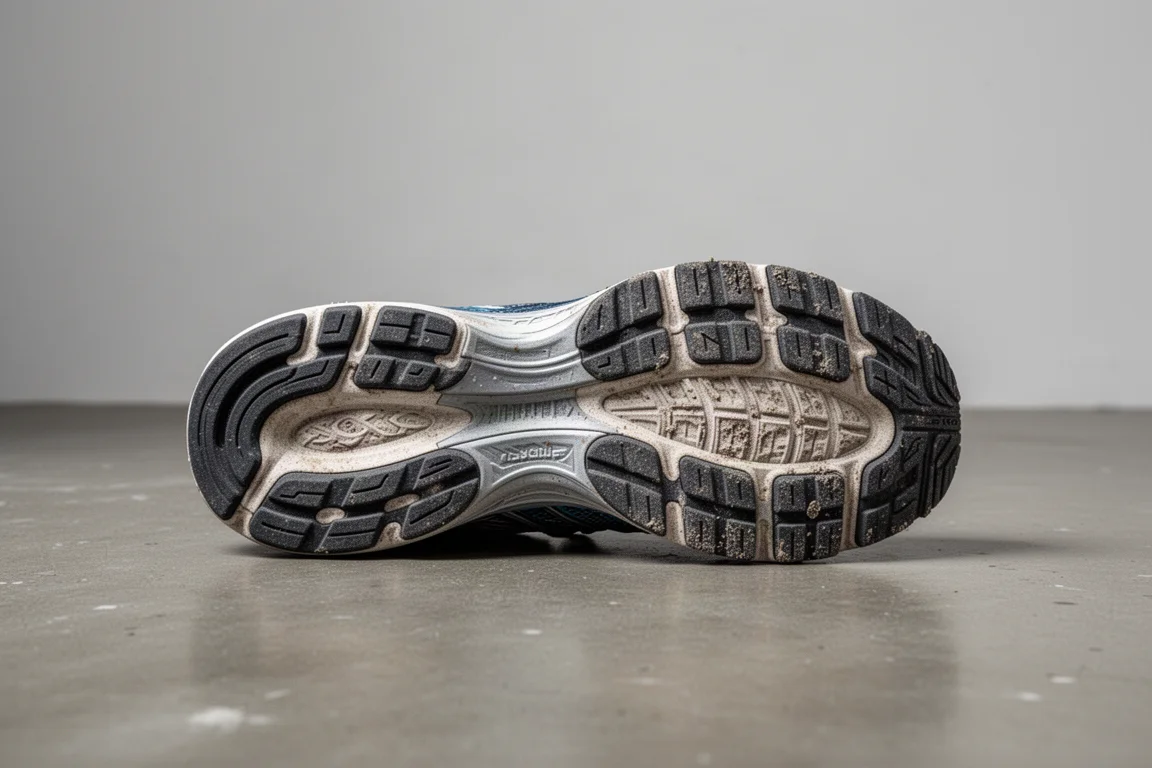
Outsole durability favors the Kayano. With around 150 miles on a test pair, the outsole has held up without tearing, and the stability elements are also wearing well. The GT-2000, at around 70 miles, is already showing wear starting to push through the Blast Max in the midsole area, which is closer to average durability for this category.
Which One Should You Buy?
Choose the GT-2000 14 if you want a slightly lighter, firmer, more versatile trainer that can handle some faster work, and if you prefer a roomier upper or a stiffer heel counter. Accept that the heel transition is clunky and durability is average. Choose the Gel-Kayano 32 if your priority is a softer, relaxed ride for easy and long runs with the best heel transition this model has had, longer-lasting outsole and stability elements, and a snugger, more padded fit. If you have wider feet or want more volume, the Kayano’s snug upper may feel restrictive.
Conclusion
These two stability shoes are more polar opposites than ever this generation. The Kayano 32 stands out as a comfortable, smooth, durable easy-day shoe, while the GT-2000 14 brings more snap and pace versatility with a roomier fit, held back mainly by its heel transition. Matching each shoe to the right runner matters more here than with most comparisons.
Product link
View more details for ASICS GT-2000 14
This product is mentioned in the review. Check the specifications, options, and compatibility before buying.
View more details for ASICS GT-2000 14Further reading
Related Reviews

Running Shoes
Best Road-to-Trail Running Shoes: Three Versatile Options for Mixed Terrain
A practical guide to three road-to-trail running shoes that handle both pavement and mild trails, with clear strengths and trade-offs for different runner types.

Running Shoes
Best Running Shoes for Achilles Tendonitis: Three Options Explained
Three running shoes with different heel drops and support features designed to help reduce Achilles tendon pain during walking and running.

Running Shoes
Best Running Shoes for Women: Five Top Choices Ranked
A ranked guide to five women's running shoes, from versatile daily trainers to high-performance racing options, with real strengths and trade-offs for each.