Running Shoes
ASICS GT-2000 14 Review: A Classic Stability Trainer That Quietly Gets It Right
The GT-2000 14 is a dependable, lightweight stability daily trainer with firmer-tuned FF Blast Max foam and unobtrusive support. Here is who it suits and what to check first.
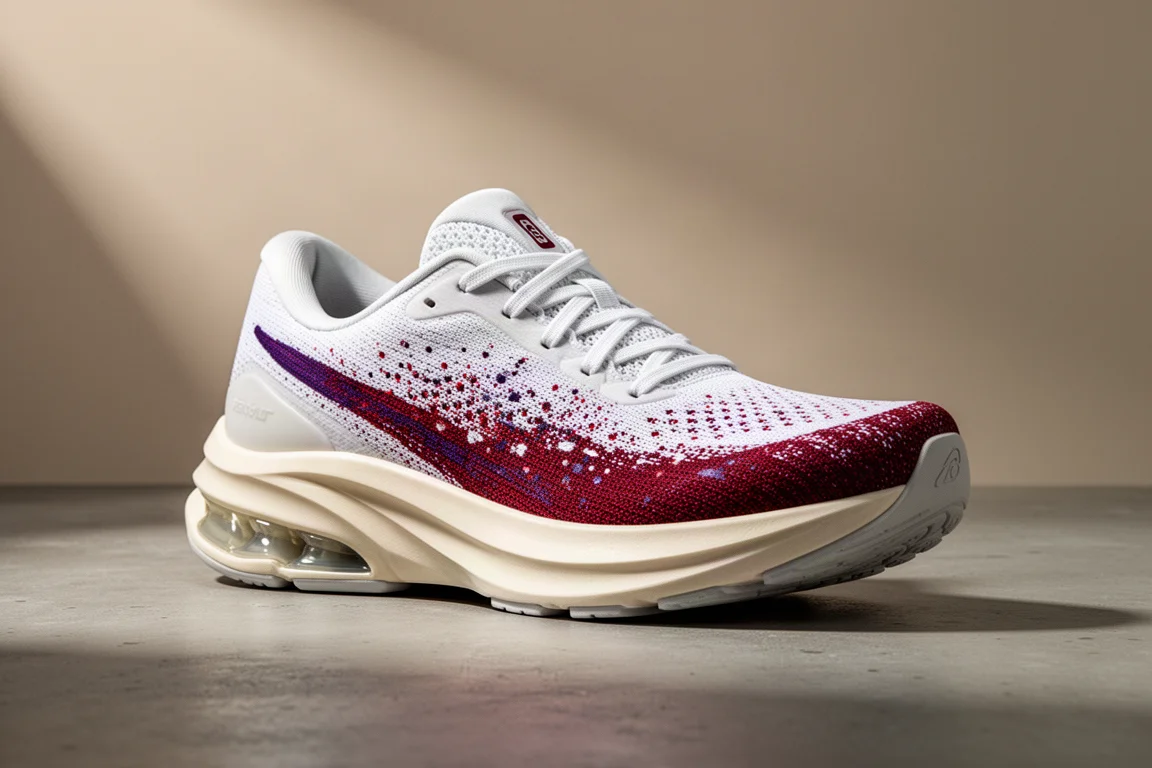
Introduction
Some running shoes chase headlines. The ASICS GT-2000 14 is not one of them. It sits in the most purchased but least hyped category in running: the standard stability daily trainer. Like the Honda Accord of the shoe world, almost nobody gets excited about it, and almost everybody can use it.
This is the fourteenth generation of a long-running classic, and the new version continues the series’ simple promise: a stable, comfortable, no-nonsense shoe that disappears on your foot. After a 10-mile run at an easy pace, it delivered exactly that.
Who This Shoe Is For
This is the shoe you see everywhere except in hype discussions: at the grocery store, at the mall, in running stores where someone asks for extra support. It suits regular people and runners alike who want something for being on their feet all day, easy jogging, or daily miles without any weirdness.
If you have finicky feet, sensitive knees, or a hard time finding shoes that work, this is one to consider. It is inoffensive by design and works across a variety of foot strikes, body types, and paces. It reportedly also comes in wide sizes, and the stable platform takes a custom insole if you need one.

Main Strengths
The headline upgrade is the foam. ASICS puts FF Blast Max in the midsole, but tuned noticeably firmer than the bouncy version in the Novablast 5. Push-test comparisons make the difference obvious: this compound feels more about impact absorption and durability than fun, which fits the set-and-forget buyer who wants one shoe to last two to three years.
That firmness translates into a surprisingly light package. At roughly 288 to 290 grams, it is the lightest of the stability shoes weighed alongside it, including the last generation and heavier rivals. It also measures around 35 mm in the heel with roughly 27 to 30 mm in the forefoot, an 8 mm drop with a slightly bulbous heel that makes it feel less like a typical stability shoe.
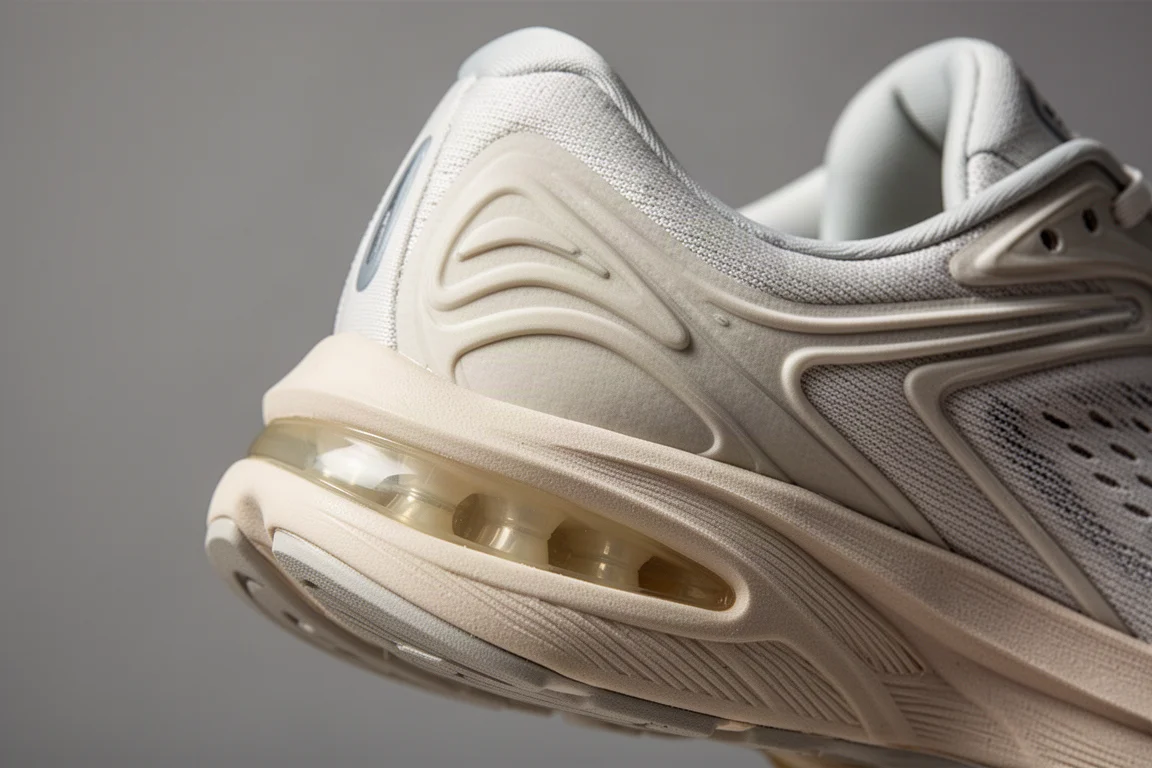
Support here is the quiet kind. The heel is secure without the vice-grip lockdown some stability shoes impose, and the structure recedes once you get moving. Compared with the GT-2000 13, this version is a lot softer, better cushioned, and noticeably less firm, while still blending traditional geometry with modern comfort. The upper is comfortable and runs extremely true to size, with a padded heel area and a familiar long tongue.
The best part of the ride showed up after an hour. Like an older favorite daily trainer, the foam smooths out once you get past five or six miles, and the shoe became more capable the deeper the run went. For a recovery run, it did everything asked of it.
Things to Consider Before Buying
The low stack is the main trade-off. Coming from 40 mm heel shoes, the 35 mm heel feels noticeably lower, with more ground feel in the forefoot than many runners now expect. It is not a barefoot shoe by any means, just lower and less protective up front than a max-cushion option.
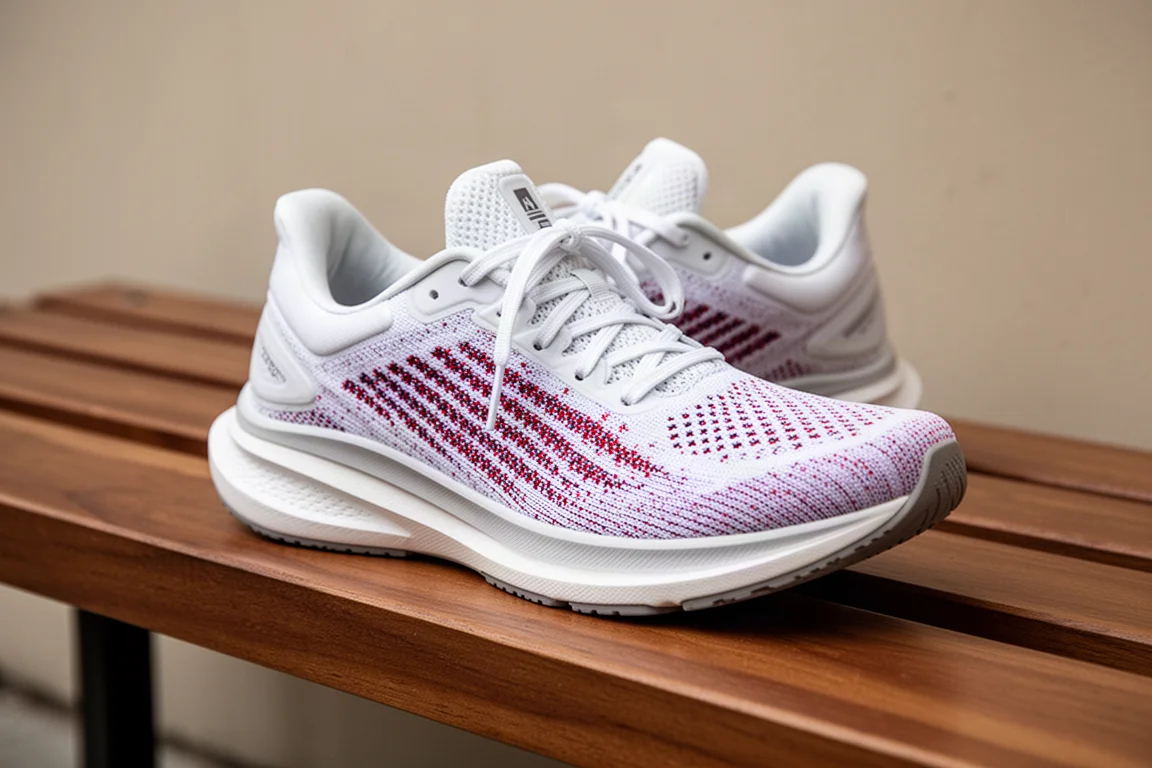
The forefoot can also feel slightly choppy at the very start of a run before the foam warms into its rhythm. This is not the shoe for post-long-run recovery days if you prefer to be swimming in soft foam; that role belongs to ASICS’ more cushioned stability option at the top of the lineup. And at around $140 to $150, it is still a premium product compared to ordinary sneakers, even if the hype shoe market makes it feel cheap.
Buying Advice
In the broader market, this category is dead center: not exciting, not particularly fast, not the lightest shoes made, but very good at a simple job. The GT-2000 14 earns a genuine A for doing that job better than most. There is very little wrong with it, and 14 generations of refinement show.

If you want a lower-stack, traditional stability trainer with modern foam, buy it with confidence. If you want max cushion or a bouncy, tech-forward ride, look elsewhere in the same brand’s lineup. For everyone else, this is a classic that did not get messed up.
Conclusion
The ASICS GT-2000 14 is reliable comfort in a lower-stack traditional formulation. It is everything you need and nothing you don’t: smooth, supportive, lightweight for the category, and easy to recommend to anyone whose priority is a shoe that simply works, run after run.
Product link
View more details for Asics GT-2000 14
This product is mentioned in the review. Check the specifications, options, and compatibility before buying.
View more details for Asics GT-2000 14Further reading
Related Reviews

Running Shoes
Best Road-to-Trail Running Shoes: Three Versatile Options for Mixed Terrain
A practical guide to three road-to-trail running shoes that handle both pavement and mild trails, with clear strengths and trade-offs for different runner types.

Running Shoes
Best Running Shoes for Achilles Tendonitis: Three Options Explained
Three running shoes with different heel drops and support features designed to help reduce Achilles tendon pain during walking and running.

Running Shoes
Best Running Shoes for Women: Five Top Choices Ranked
A ranked guide to five women's running shoes, from versatile daily trainers to high-performance racing options, with real strengths and trade-offs for each.