Running Shoes
ASICS GT-2000 13 vs Brooks Adrenaline GTS 24: Which Stability Shoe Should You Buy?
Two of the most popular moderate stability trainers go head to head, from weight and drop to stability level and fit.
Introduction
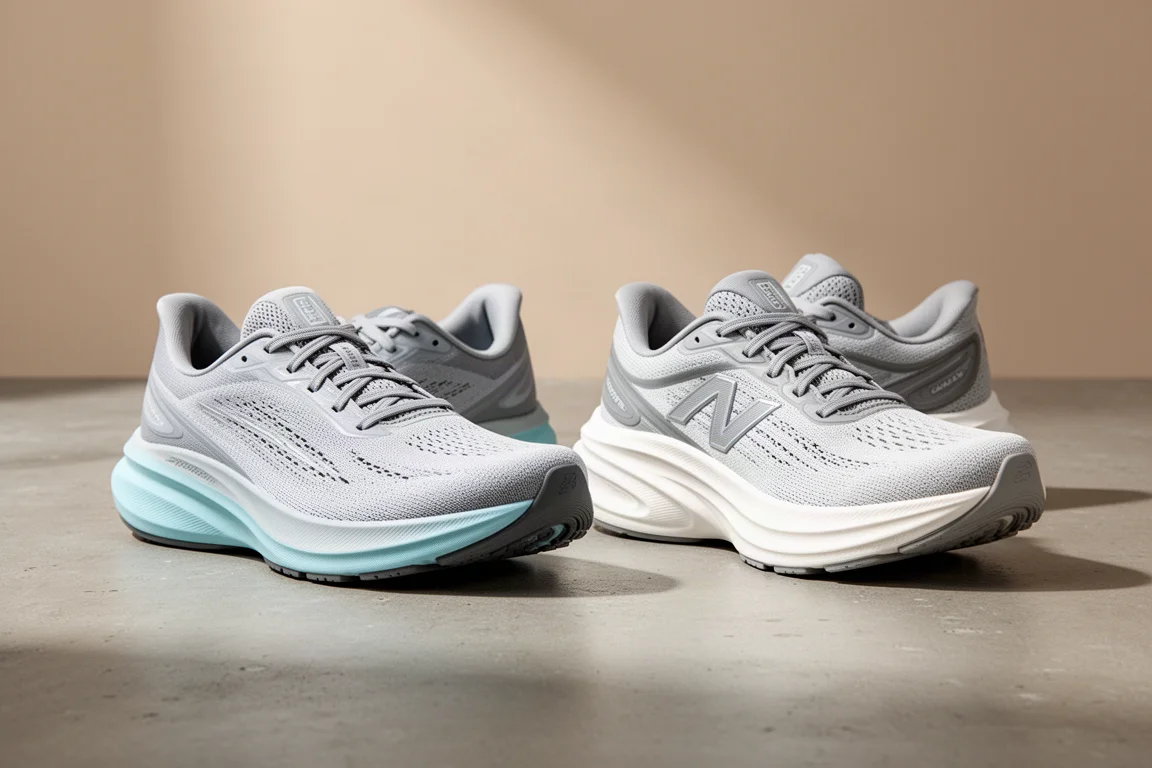
Few stability running shoes have the track record of the ASICS GT-2000 series and the Brooks Adrenaline GTS series. Both have been fixtures in running stores and online for years, worn by runners, walkers, and everyone in between. The latest versions, the ASICS GT-2000 13 and the Brooks Adrenaline GTS 24, are both genuinely strong updates, which makes choosing between them harder than usual.
The GT-2000 13 refines the big redesign introduced in version 12, and it remains a favorite for daily training. The Adrenaline GTS 24 is a more dramatic overhaul: the previously clunky heel has been rebuilt with a much smoother bevel, making this version far more competitive than its predecessor. If you are shopping for a moderate stability shoe, here is how they compare.
Specs at a Glance
Measured in men’s size 10, the Adrenaline GTS 24 comes in at 10.8 oz (about 306 g), while the GT-2000 13 is noticeably lighter at 9.8 oz (about 274 g). That one-ounce difference shows up in how each shoe feels at pace.
Stack heights differ too. The GT-2000 13 runs 35.5 mm in the heel and 27.5 mm in the forefoot for an 8 mm drop. The Adrenaline GTS 24 lists lower figures, but those numbers likely exclude the insole; a more realistic estimate puts it around 30 mm in the heel and 18 mm in the forefoot for a nominal 12 mm drop. On foot, however, it does not feel like a typical 12 mm drop shoe, thanks to the redesigned heel.
Midsole and Ride Feel
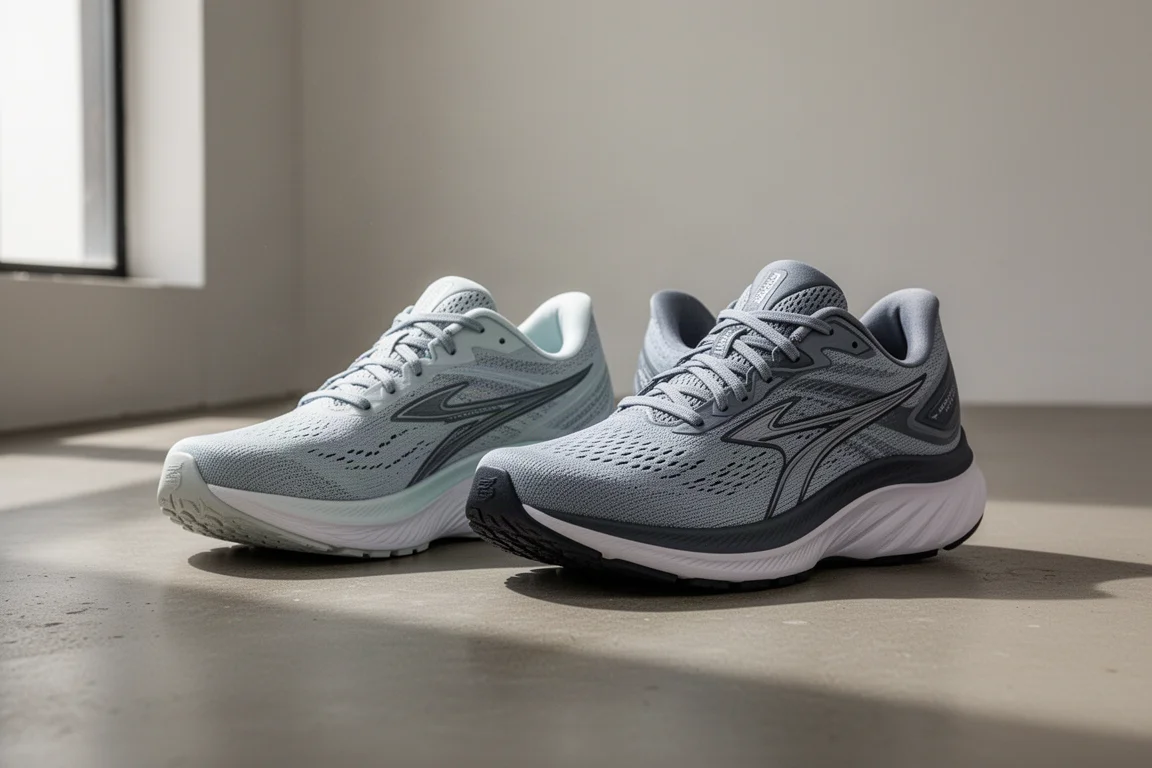
The GT-2000 13 pairs Pure Gel with FF Blast Plus foam and feels slightly softer, bouncier, and snappier of the two. There is a bit of bounce in the midsole that makes it a genuinely versatile daily trainer: it handles easy runs and long runs well, and it is good enough for workouts and up-tempo sessions because it is lighter and snaps through transitions. The heel bevel is small but still posterior-lateral, and the slightly stiffer forefoot makes it snappy when rolling off the toes.
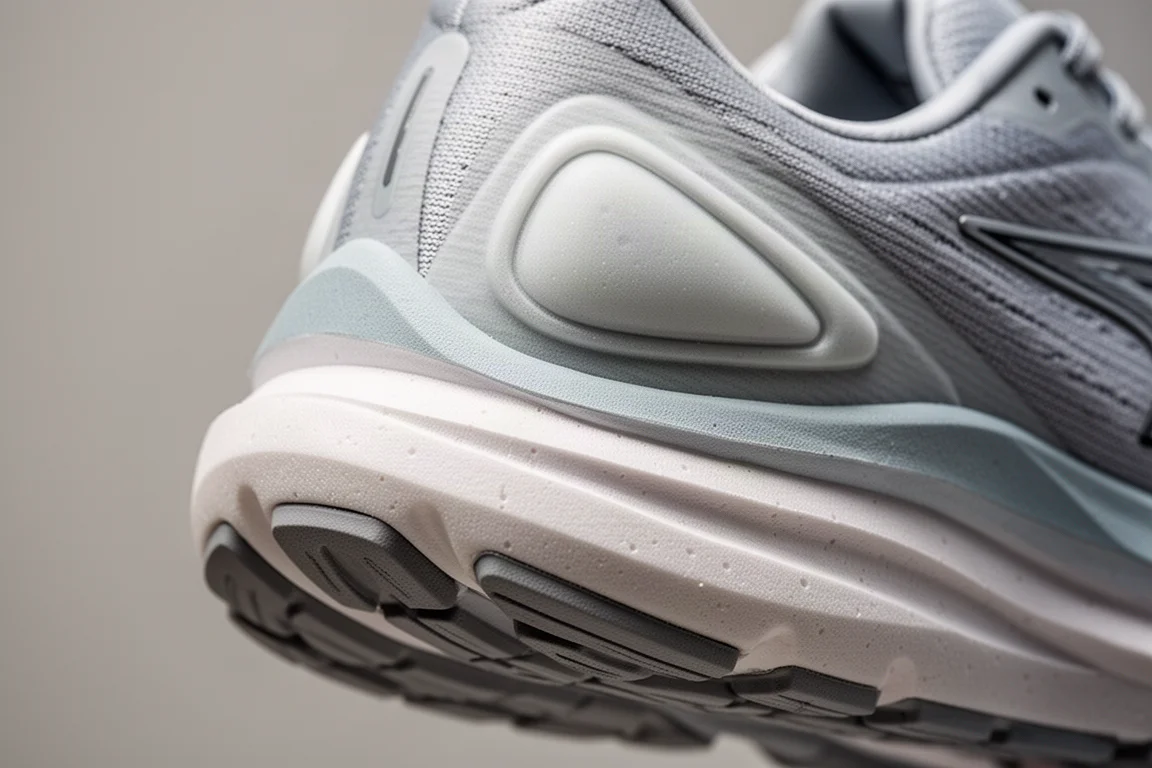
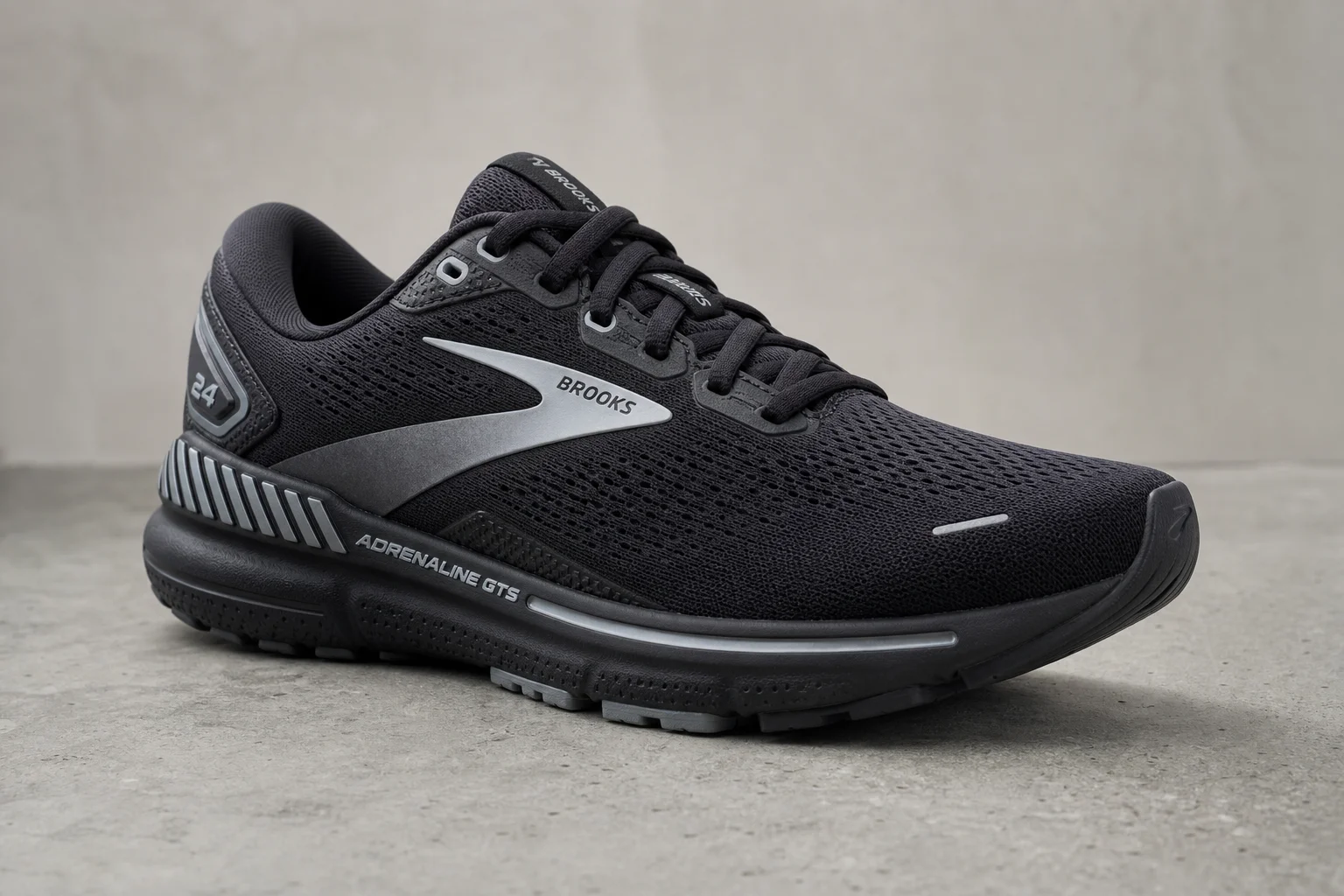
The Adrenaline GTS 24 has been updated with DNA LOFT v3, which makes it much more cushioned than the previous version. It is still slightly firmer than the GT-2000 13, but the real story is the heel: the new posterior-lateral heel bevel makes the transition remarkably smooth, to the point that it no longer feels like a 12 mm drop shoe. The forefoot is more flexible than the ASICS, which makes it less fast but an excellent cruiser for long runs and easy miles. Strides are doable, though the extra weight makes picking up the pace a bit more work.
Stability: How They Differ
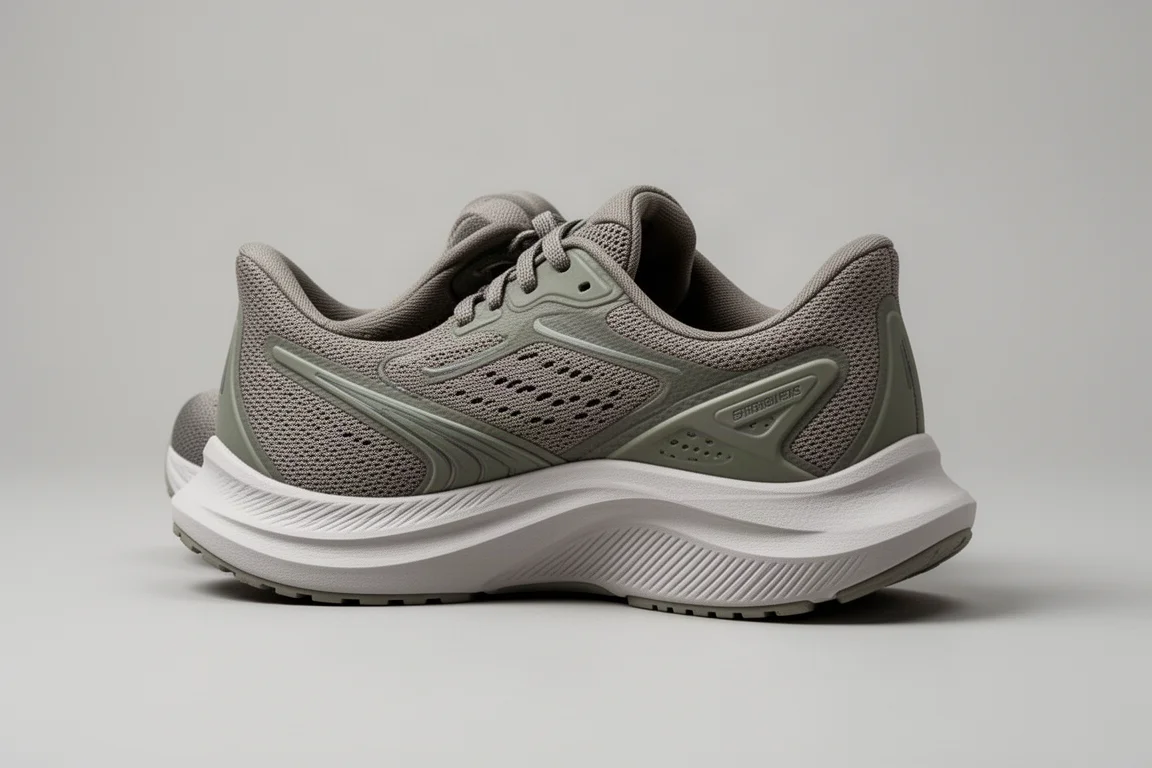
Both sit in the moderate stability category, but they are not the same. The Adrenaline GTS 24 is the higher-stability shoe of the two. Its GTS system runs prominently from the heel into the midfoot and genuinely feels like a medial post, and the sole is flared quite a bit in the forefoot, so medial support persists even as you roll through the toe-off. It also offers better lateral stability elements, making it the better choice if you need support on that side, provided you are not overly sensitive to posts.

The GT-2000 13 concentrates its stability in the medial midfoot, with a bit of sidewall adding support there. You sit into the geometry, which keeps you fairly centered, but you feel less support in the forefoot and heel compared to the Adrenaline. It is still stable, just milder. A fair way to frame it: the GT-2000 13 is a mild-to-moderate stability shoe, while the Adrenaline leans moderate to high.
Fit and Comfort
The fits differ in useful ways. The Adrenaline GTS 24 has a slightly lower volume but a wider fit throughout, and it runs true to size where some previous Adrenaline versions fit short. The extra wiggle room, especially in the forefoot, makes it the better pick for wider feet, and wide sizes are available in both shoes.
The GT-2000 13 is a touch more snug, with slightly more volume height-wise but a narrower overall feel. It does break in and fit better after 70-plus miles. If you have a narrower foot or want a more secure wrap, the ASICS is the better option.
One shared caveat: both have fairly stiff heel counters. If you have heel issues, a Haglund deformity, or general heel sensitivity, neither may be ideal, although both have well-cushioned heel counters and the Adrenaline has a bit more padding back there. Neither caused discomfort in testing.
Which One Should You Buy?
Both have earned their reputation as top stability shoes on the market. Choose the GT-2000 13 if you want more versatility for speed, a lighter and bouncier ride, and mild-to-moderate stability with a snugger fit. Choose the Adrenaline GTS 24 if you need a higher level of medial stability, a wider and lower-volume fit, and a smooth-rolling long-run cruiser.
If you have tried the Adrenaline before and moved on, the new version is worth another look. The heel redesign is a significant improvement, and together these two updates show both brands are taking stability seriously.
Conclusion
The ASICS GT-2000 13 and Brooks Adrenaline GTS 24 are both excellent, and the right choice comes down to fit and how much stability you need. The ASICS is the snappier, lighter, milder-stability option; the Brooks is the more stable, roomier shoe with a newly smoothed heel. Match the shoe to your foot and your stability needs, and either will serve you well.
Further reading
Related Reviews

Running Shoes
Best Road-to-Trail Running Shoes: Three Versatile Options for Mixed Terrain
A practical guide to three road-to-trail running shoes that handle both pavement and mild trails, with clear strengths and trade-offs for different runner types.

Running Shoes
Best Running Shoes for Achilles Tendonitis: Three Options Explained
Three running shoes with different heel drops and support features designed to help reduce Achilles tendon pain during walking and running.

Running Shoes
Best Running Shoes for Women: Five Top Choices Ranked
A ranked guide to five women's running shoes, from versatile daily trainers to high-performance racing options, with real strengths and trade-offs for each.