Running Shoes
ASICS GT-2000 13 vs GT-2000 14: Which Stability Trainer Should You Buy?
Two very different takes on ASICS' classic stability shoe: the lighter, guidance-based GT-2000 13 or the softer, more aggressive GT-2000 14.
Introduction
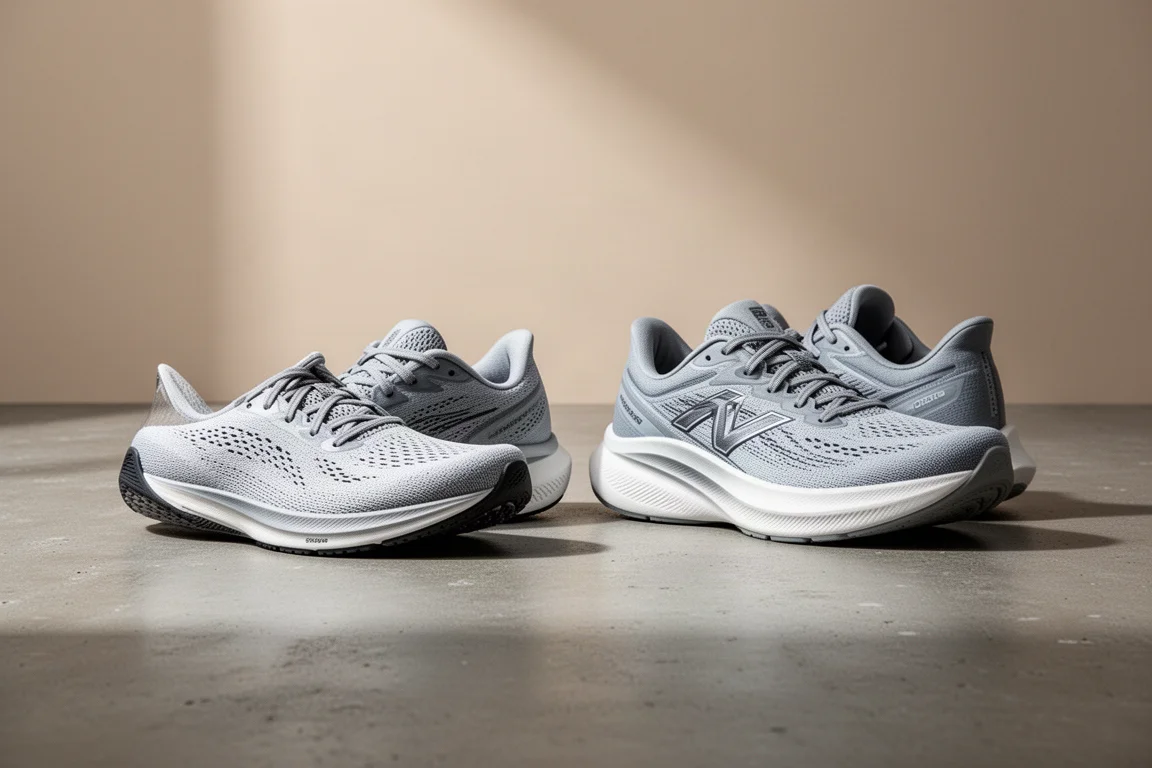
The ASICS GT-2000 series has been the brand’s standard stability shoe for many years, and versions 12 and 13 earned a strong reputation for being simple, versatile, and notably light for the stability category. With the GT-2000 14, ASICS did not just refresh the shoe; it changed its character. After putting real miles into both versions, the takeaway is clear: these are different shoes, and the right pick depends heavily on how much stability you actually need.
Specs and First Impressions
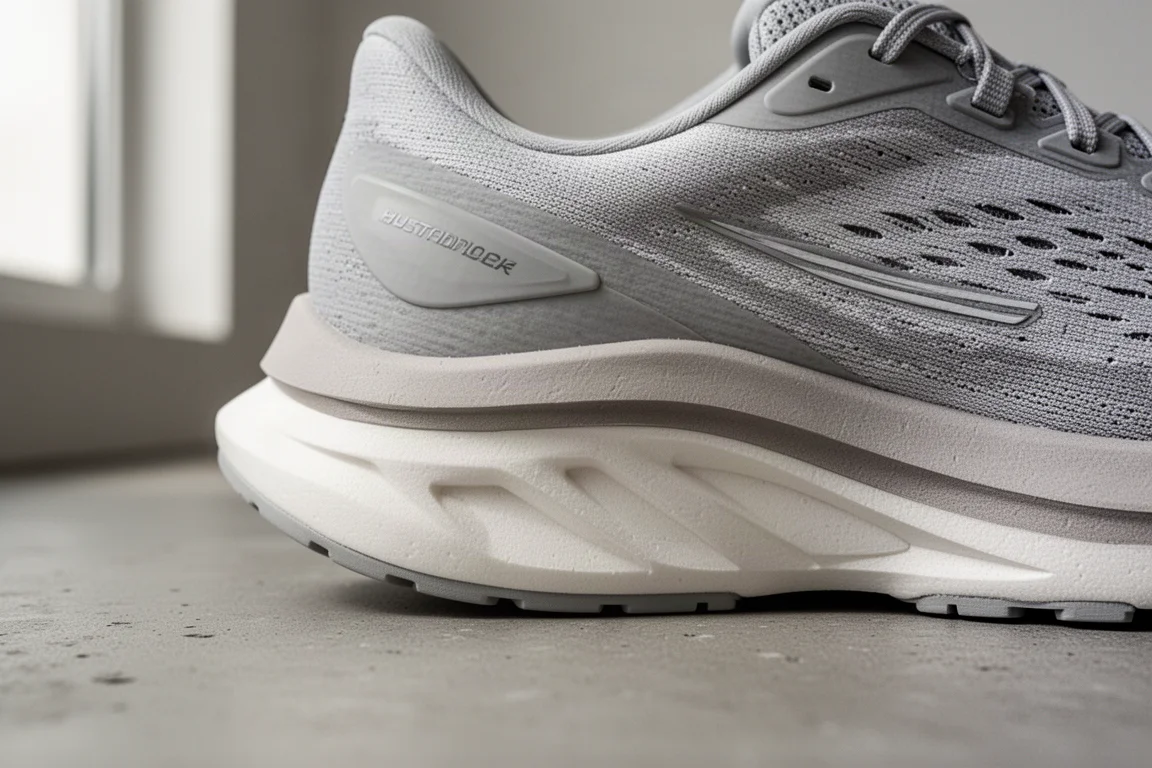
In a men’s size 10, the GT-2000 13 weighs about 9.6 oz (273 g), while the GT-2000 14 comes in heavier at about 10.1 oz (284 g). Stack heights are listed as the same for both: roughly 36.5 mm in the heel and 28.5 mm in the forefoot for an 8 mm drop, with the women’s version sitting about a millimeter lower. On foot, though, the 14 feels like more shoe, with a taller, softer sensation thanks to the new midsole foam and fuller sidewalls.
Ride and Flexibility
The GT-2000 13 uses Pure Gel and FF Blast Plus foam. It was never the softest shoe, and that was part of its appeal: some snap, some flexibility once broken in, and excellent durability. It can still be picked up to a decent pace, making it a versatile trainer.
The GT-2000 14 shifts to FF Blast Max and rides noticeably differently. The midsole is softer with more bounce, especially in the forefoot, which draws inspiration from the Novablast line and pushes you off quickly. But the shoe is stiffer overall, with less forefoot flexibility, and the heel transition is clunkier. The heel is more rounded and flared out, which makes the initial ride feel firmer until the foam breaks in.

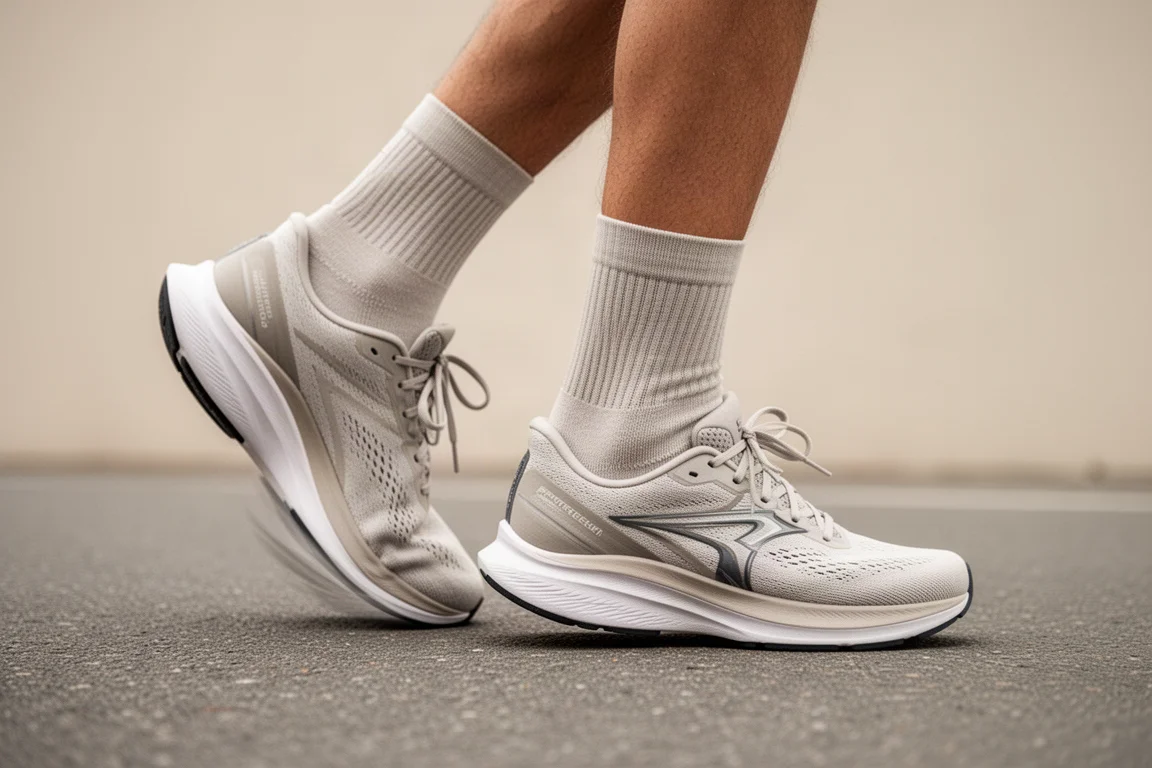
Heel strikers tend to do better in the 14, while runners landing farther forward get the most from its bouncy forefoot. The extra weight is noticeable, though: the 13 is the quicker, more versatile option, while the 14 leans toward longer-run cushioning.
Stability: The Biggest Difference
This is where the two versions truly part ways. The GT-2000 13 sits in the mild to moderate, guidance-based camp. You feel a little sidewall support, and heel and midfoot stability are solid, but it never feels aggressive. Runners with higher stability needs often had to step up to the Kayano.
The GT-2000 14 flips that relationship. It is now the more aggressive stability option in the lineup, with a prominent medial sidewall that feels like a wedge pushing the foot outward from heel to forefoot. Runners with any lateral sensitivity should be cautious, because this shoe genuinely keeps you in an inverted position and can leave your calves sore as you adapt. But if you want aggressive stability through the entire length of the shoe, very few options on the market deliver it like this.
Durability and Fit
Both versions are holding up impressively well. With roughly 100 miles on the GT-2000 13 and 40 miles on the GT-2000 14, outsoles show essentially no wear, and both should last a long time. Both are best kept to road use, though a trail version typically follows in the line.
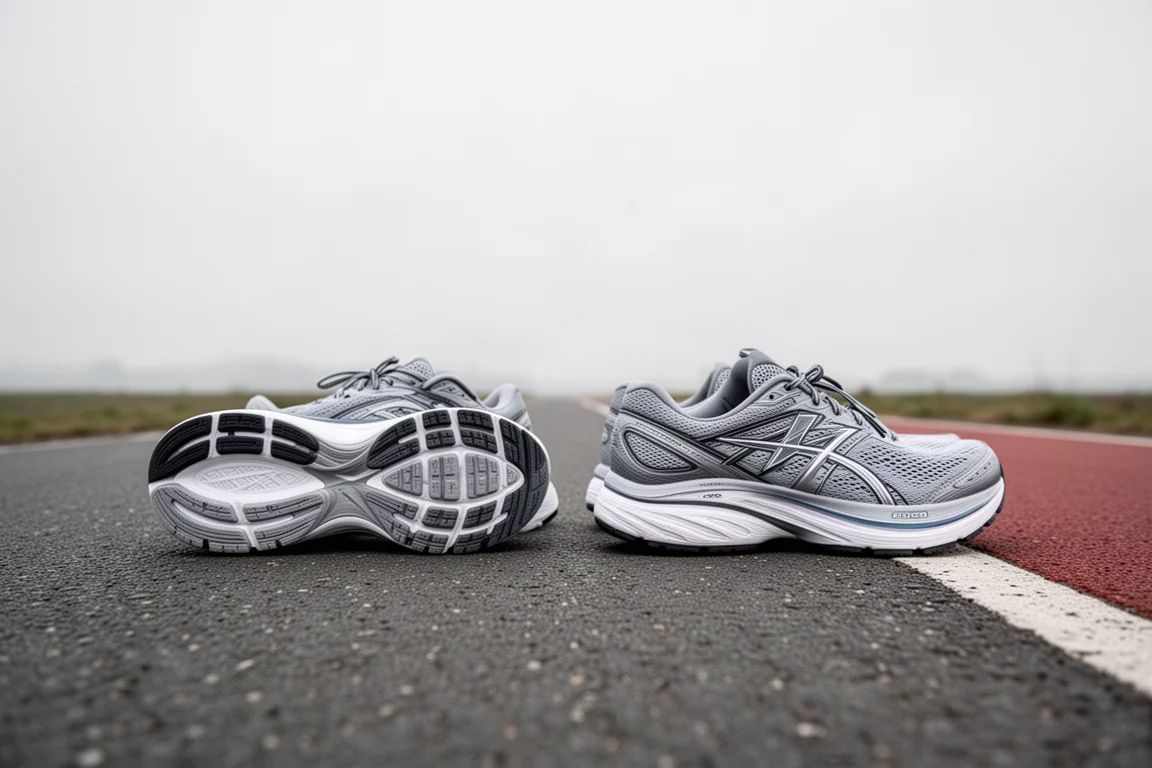
Fit is another practical differentiator. The GT-2000 13 and 12 run slightly snug but open up nicely over the first hundred miles. The GT-2000 14 returns to a more traditional width with a bit more room in the toe box. Neither is a high-volume shoe, but the 14 gives you more breathing room with a similarly plush upper.
Which One Should You Buy?
If you want a lighter, more flexible trainer with guidance-based, mild to moderate stability, the GT-2000 13 remains the better all-around choice. If you need serious, heel-to-forefoot stability with a softer, more cushioned feel for longer efforts, the GT-2000 14 is the clear pick. Anyone with lateral sensitivity should skip the 14.
Conclusion
These are not two versions of the same shoe; they are two shoes for two different runners. The 13 rewards runners who value lightness and versatility, while the 14 delivers some of the most prominent stability available in a daily trainer. Matching the shoe to your actual stability needs is what matters most.
Product link
View more details for ASICS GT-2000 13
This product is mentioned in the review. Check the specifications, options, and compatibility before buying.
View more details for ASICS GT-2000 13Further reading
Related Reviews

Running Shoes
Best Road-to-Trail Running Shoes: Three Versatile Options for Mixed Terrain
A practical guide to three road-to-trail running shoes that handle both pavement and mild trails, with clear strengths and trade-offs for different runner types.

Running Shoes
Best Running Shoes for Achilles Tendonitis: Three Options Explained
Three running shoes with different heel drops and support features designed to help reduce Achilles tendon pain during walking and running.

Running Shoes
Best Running Shoes for Women: Five Top Choices Ranked
A ranked guide to five women's running shoes, from versatile daily trainers to high-performance racing options, with real strengths and trade-offs for each.