Running Shoes
ASICS GT-2000 12 vs GT-2000 13: Should You Upgrade?
Two of the best moderate stability trainers in recent memory, separated by small but meaningful differences in ride, fit, and feel.
Introduction
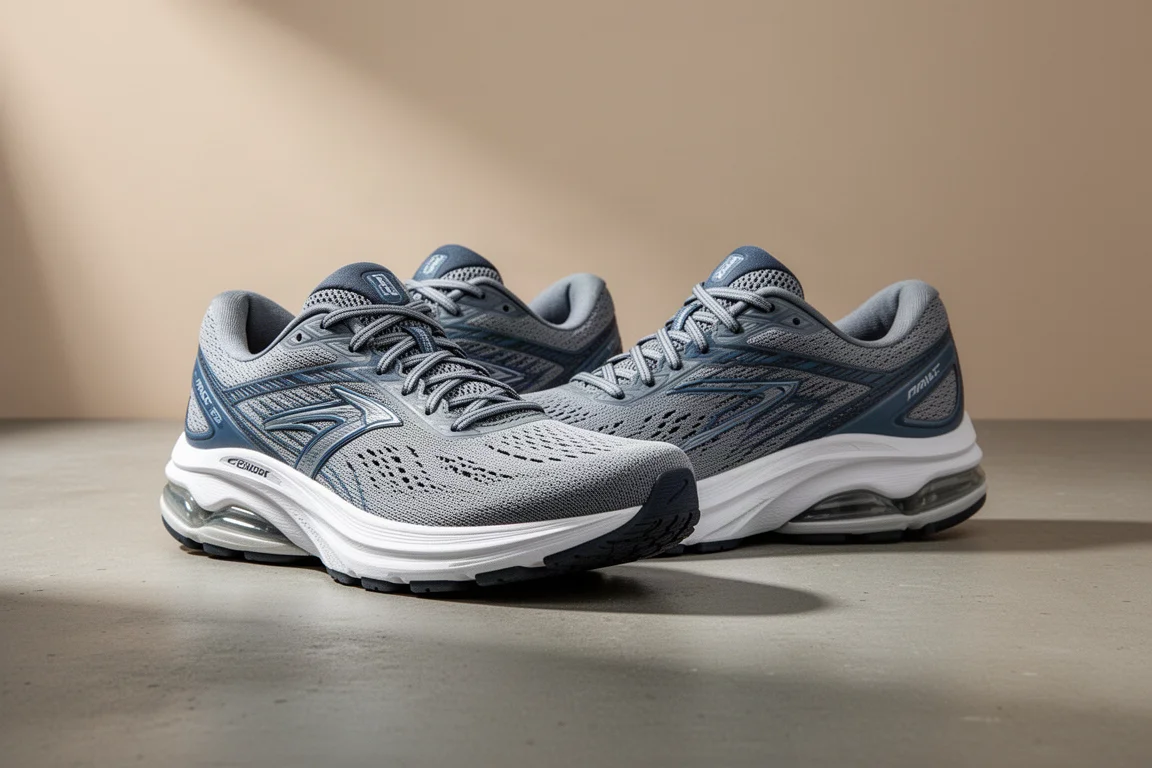
The ASICS GT-2000 12 and GT-2000 13 are both standout moderate stability trainers, and choosing between them is harder than most year-over-year comparisons. The 12 was already a major step forward for the series, and the 13 is primarily an upper update with only mild midsole tweaks. That makes this less a question of “which is better” and more a question of which personality suits your running.
What Both Shoes Share
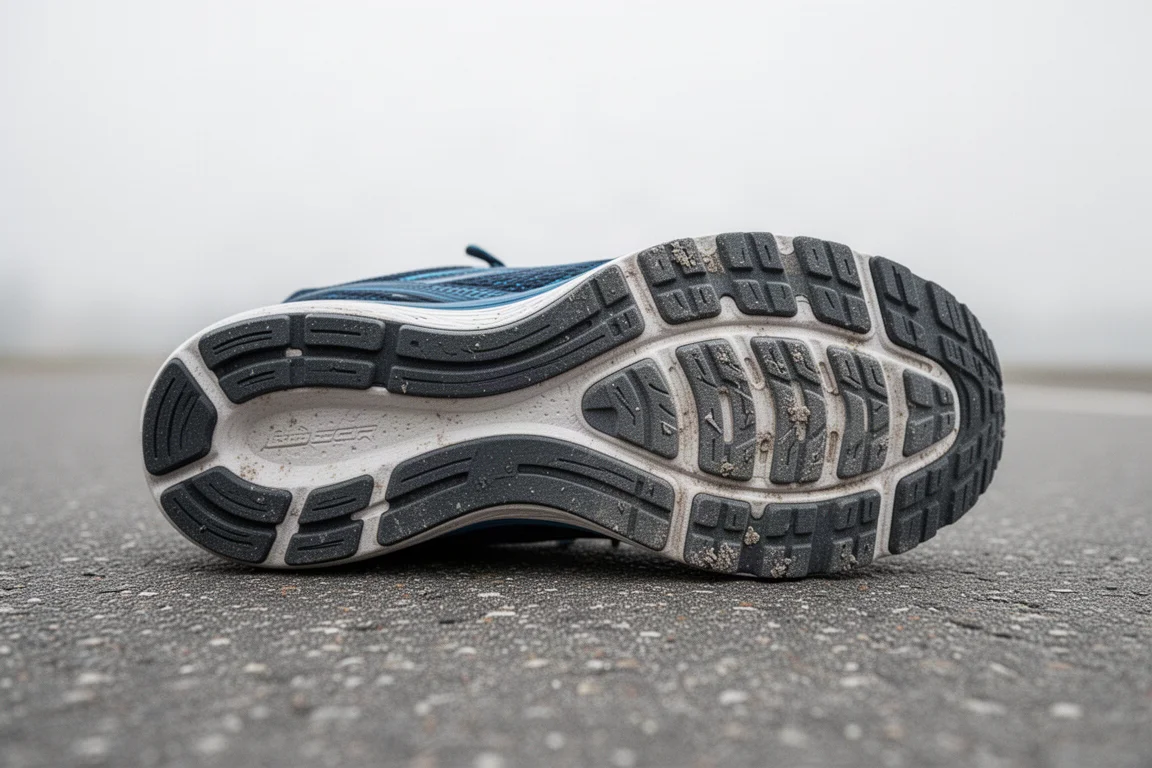
Both versions keep the series’ improved posterior lateral bevel, which is better than many earlier iterations even if there is still room for refinement. Both use a centered 3D guidance system in the midsole: medial sidewalls, lateral sidewalls, and internal geometry that keep the foot stable without the aggressive medial posting of older stability shoes. The result is a support that feels more centered than biased.
They also share the same core construction: pure gel in the heel and FF Blast Plus foam throughout the rest of the shoe. Both sit on the lighter end of the moderate stability category, and both offer plenty of protection underfoot.
Specs and Construction
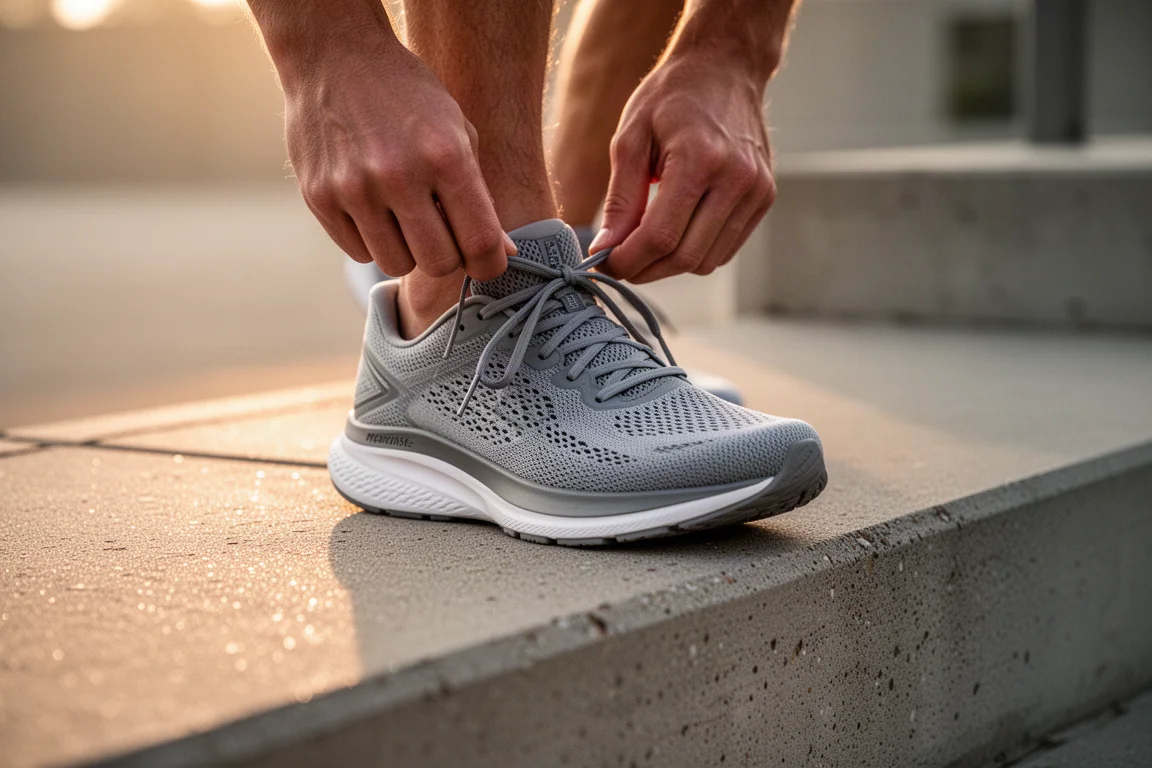
In a men’s size 10, the GT-2000 12 weighs 280g (about 9.9 oz), while the GT-2000 13 comes in at 274g (about 9.7 oz). Stack height specs for the 13 vary by source: it was initially reported at 35.5mm heel / 27.5mm forefoot, half a millimeter lower than the 12’s 36mm / 28mm, though more recent listings put it back at 36mm / 28mm. Either way, both keep an 8mm drop and a moderately tall stack that stops well short of max-cushion territory.
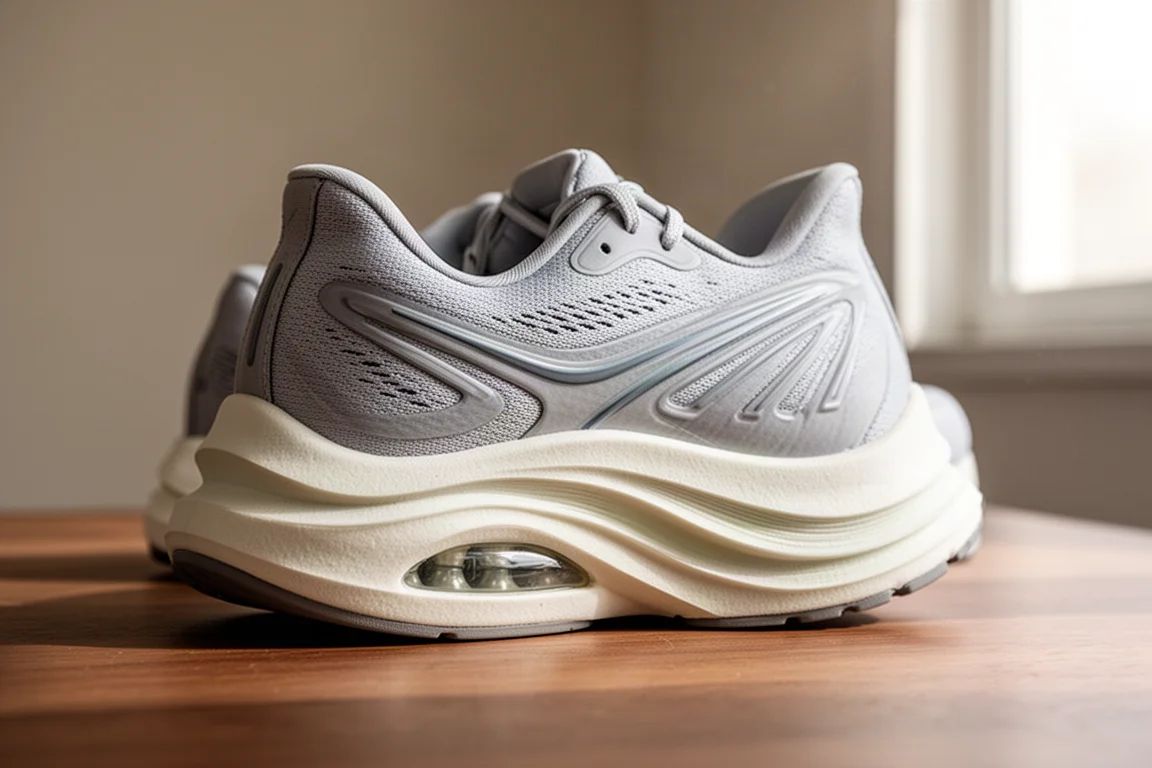
The uppers differ slightly. Both use an engineered jacquard mesh, but the 12’s upper is a little thicker with a bit more room and volume, while the 13’s is thinner and fits more snugly with lower volume. The midfoot follows the same pattern, and the heel counters are nearly identical on both: fairly stiff, with similar padding. Runners with heel sensitivity should be a little careful.
Ride and Feel
This is where the two really diverge. The GT-2000 12 is the softer, more cushioned option, while still being light and snappy enough to handle some uptempo work. The GT-2000 13 is firmer and snappier, feeling a touch more aggressive and a touch lower to the ground despite the near-identical stack specs.
Stability also presents differently. The 12 feels very centered, with a good amount of medial support spread more evenly through the shoe. The 13 is noticeably more aggressive, with more pronounced medial pressure concentrated toward the middle of the heel rather than the midfoot. If you like that stronger, rear-weighted support, the 13 will suit you better; if you prefer stability spread across more of the shoe, the 12 is the safer pick.
Durability and Long-Term Wear
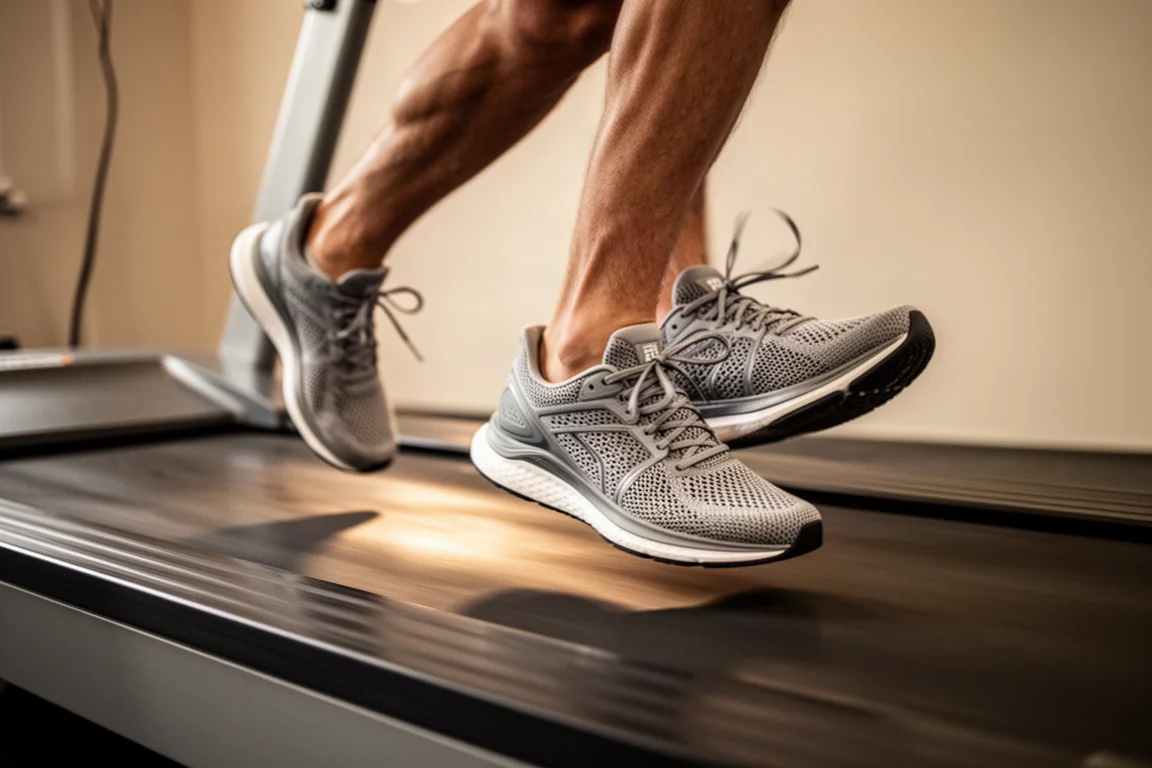
Both shoes are holding up impressively. The GT-2000 12 has around 150 miles on it and the GT-2000 13 around 91, and both show barely any wear. The outsoles are doing extremely well, and both should last a long time. One note: the 13 has been getting just a tiny bit firmer over the miles, so keep that in mind if you are sensitive to midsole feel changing over time.
Which Should You Buy?
Honestly, the preference here leans toward the GT-2000 12 for its extra cushioning, more spread-out stability, and slightly roomier fit. It is the more comfortable do-it-all option, and as the older model it is likely to be found on sale, which is a genuinely motivating factor.
The GT-2000 13 makes more sense if you want a firmer, snappier, slightly faster feeling shoe with a snugger, lower-volume upper. If you want a single shoe that can lean toward workouts while still handling easy miles, the 13 fits that brief well. But if you are buying a dedicated faster shoe anyway, the extra snap of the 13 matters less and the 12’s comfort wins.
Conclusion
These two trainers are more similar than different: same platform, same stability philosophy, same strong durability. The deciding factors are feel and fit. Choose the GT-2000 12 for softer cushioning, more centered stability, more room, and a likely lower price. Choose the GT-2000 13 for a firmer, snappier ride and a snugger upper. Either way, you are getting one of the better moderate stability shoes available.
Product link
View more details for ASICS GT-2000 12
This product is mentioned in the review. Check the specifications, options, and compatibility before buying.
View more details for ASICS GT-2000 12Further reading
Related Reviews

Running Shoes
Best Road-to-Trail Running Shoes: Three Versatile Options for Mixed Terrain
A practical guide to three road-to-trail running shoes that handle both pavement and mild trails, with clear strengths and trade-offs for different runner types.

Running Shoes
Best Running Shoes for Achilles Tendonitis: Three Options Explained
Three running shoes with different heel drops and support features designed to help reduce Achilles tendon pain during walking and running.

Running Shoes
Best Running Shoes for Women: Five Top Choices Ranked
A ranked guide to five women's running shoes, from versatile daily trainers to high-performance racing options, with real strengths and trade-offs for each.