Running Shoes
ASICS Glideride Max Review: A Soft, Smooth Long-Run Trainer Returns
The Glideride is back with max cushioning, a flexible 3/4 plate, and a smoother roll than ever. Here is how it fits into the ASICS lineup and who it suits best.
Introduction
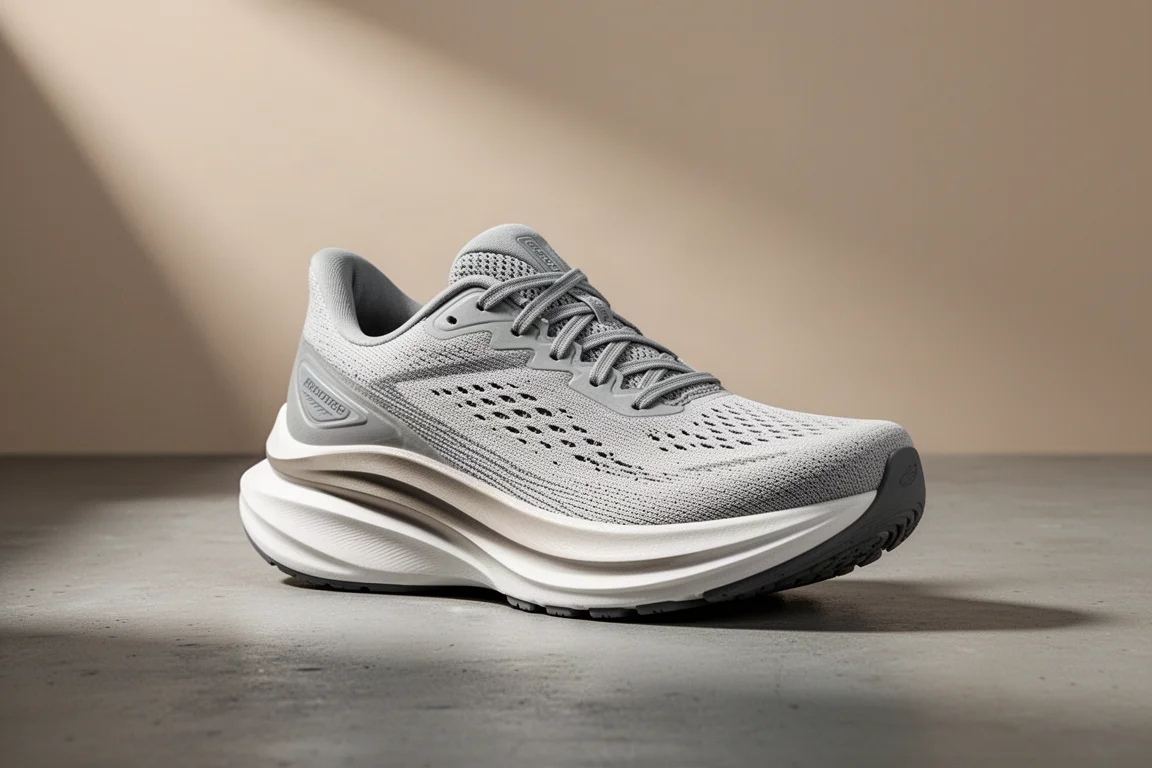
For a while it looked like the ASICS Glideride had quietly disappeared from the lineup. It has not. The Glideride Max is back, reworked, and aimed squarely at one job: being a long-haul, cushioned daily trainer for long runs. After testing, it earns a clear green light, with one caveat worth thinking about before you buy.
Upper and Step-In Feel
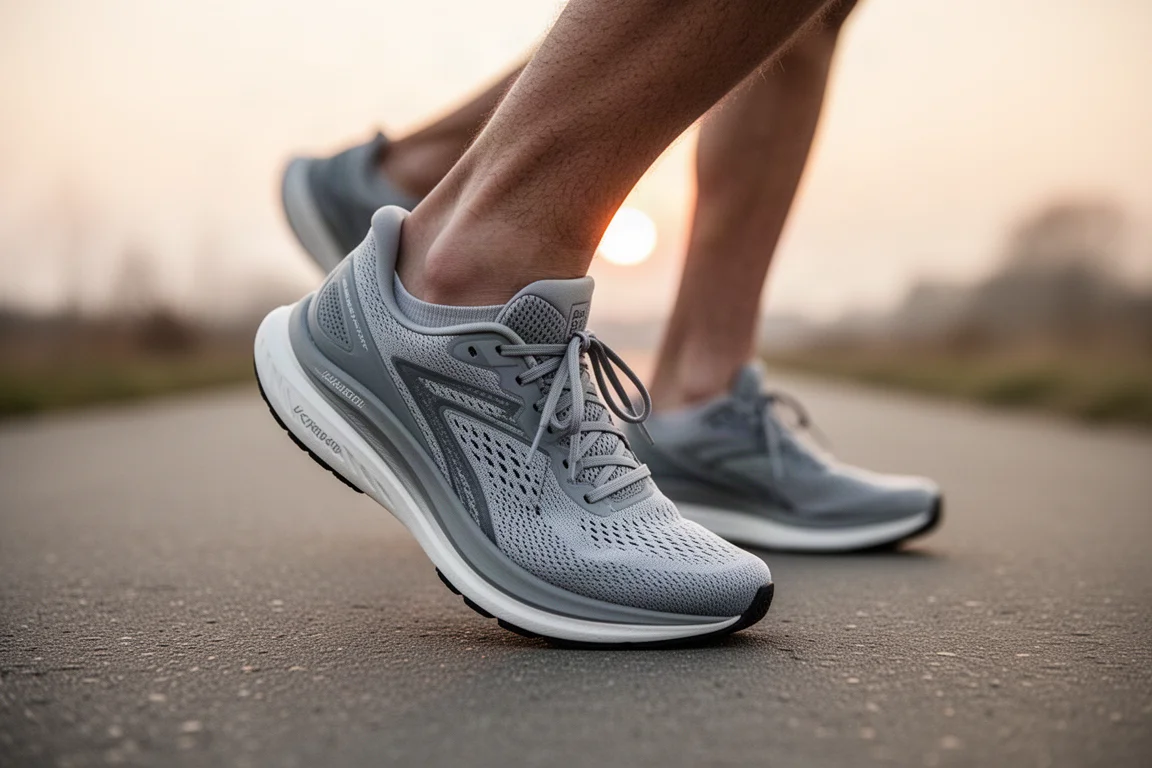
The step-in feel is genuinely lovely. The engineered mesh upper fits like a glove and is very close to what ASICS uses on the Nimbus 26, to the point that glancing down you might mistake one shoe for the other. The tongue is a padded design rather than the knit stretchy tongue found on the Novablast, with an elastic gusset on each side that holds the foot nicely over the top of the shoe. It fits true to size and accommodated a wider foot comfortably, with generous padding around the heel.
One interesting detail: the toes sit slightly forward, over the break in the toe of the sole. Combined with the rocker geometry, that really helps the shoe roll through the stride. There is also an OrthoLite premium insole on top of the new foam.
Midsole and Plate
The new foam is called Flight Foam Blast Max, and while ASICS has not shared the exact chemical makeup, the character is easy to describe: squishy, soft, and light. Beneath that top layer sits a hard pressed 3/4 EVA plate, which in practice is essentially a 3/4-length plastic plate, and under that the firmer Flight Foam Blast Eco. That firmer bottom layer adds support and stability, so you get plushness on landing from the Max foam and a steadier feel from the base. Compared to earlier Glideride models, this is by far the softest and most comfortable version yet.
The plate is also not overly aggressive. Even with the 3/4 plate, the shoe bends easily and keeps real flexibility, which makes the ride feel smooth rather than stiff. ASICS calls the geometry GuideSole, and with the rocker bottom plus that forward toe placement, the shoe rolls cleanly through your stride. The overall feel is reminiscent of the Nimbus 26 but with noticeably more bounce and pop, likely from the plate and foam combination.
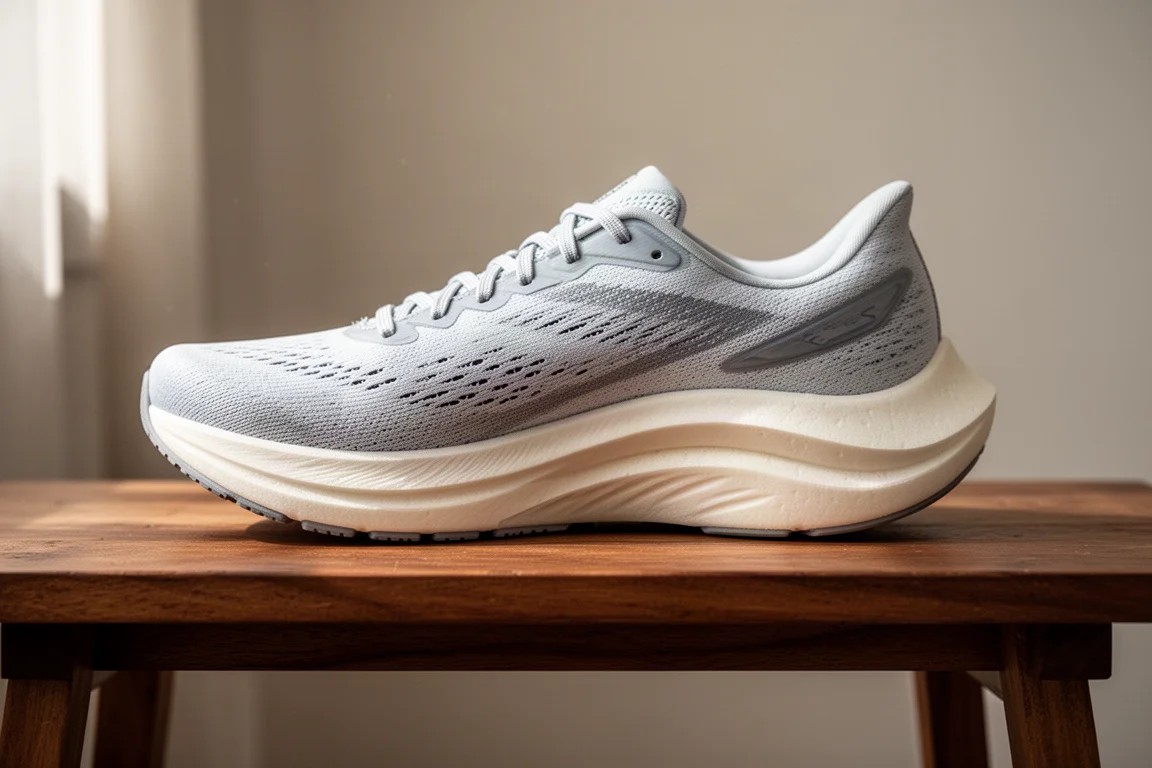
Stack height is generous: 44 mm in the heel and 38 mm in the forefoot for a 6 mm drop in the men’s model, with the women’s version coming in at 43 mm and 37 mm. Weights are 8.2 oz (238 g) in a women’s 7.5 and 10.6 oz (300 g) in a US men’s 10.5. That is a little heavier than the Superblast, though lighter than the Nimbus, which sits above 11 oz.
Outsole and Durability
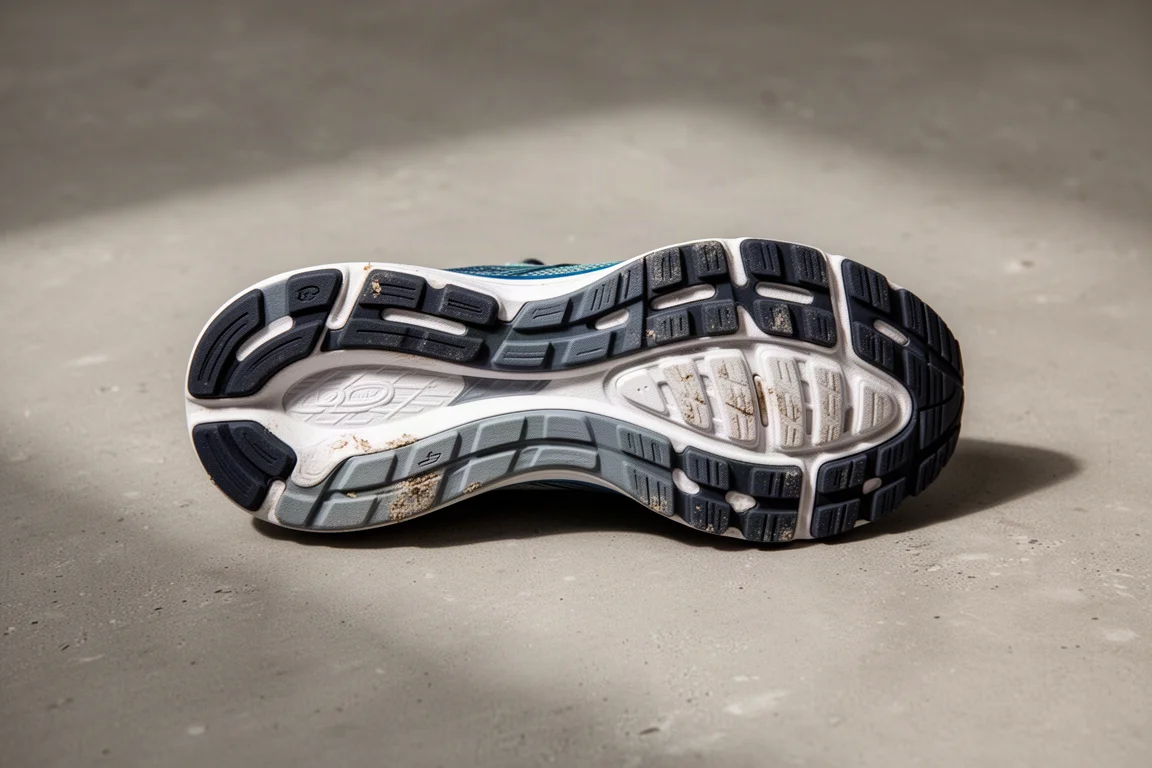
The outsole uses what ASICS calls hybrid ASICS Grip, combining two kinds of rubber: ASICS Grip and AHAR Plus. With around 25 to 30 miles on a test pair, wear has been minimal, and both traction and durability look good. Everything here feels dialed in.
How It Fits Your Rotation
This is where the buying decision gets interesting. The Nimbus is the standard cushioned daily trainer, about $10 cheaper, and reads as a slightly dialed-down version of this shoe. The Novablast shines for daily miles and uptempo work. The Superblast stays our pick for long runs because it is lighter and light enough to pick up the pace, including some marathon-pace work.
So where does the Glideride Max land? Think of it as an elevated daily trainer built to roll through your stride and help you cruise through long, comfortable distance runs. It is less aggressive than the Superblast and not a super shoe. If you loved the original Glideride or the Nimbus but want a little more energy return, this is an easy upgrade, and between the two it edges out the Nimbus for the extra cushion, lower weight, and the GuideSole ride. If your rotation is already full of faster, lighter options, it may take some thought to find a place for it.
Buying Advice
At $170 with availability starting September 17th, the Glideride Max is aimed at a specific kind of runner: someone wanting a comfortable long marathon or long distance run shoe rather than a race-day weapon. It finally looks and feels like a typical, modern running shoe instead of the niche, slightly blocky roll-focused designs of earlier versions.
Conclusion
The ASICS Glideride Max is a soft, smooth, well-built long-run trainer with a comfortable upper, a flexible 3/4 plate, and a rocker ride that works. It earns a green light, as long as you know exactly what it is for.
Product link
View more details for ASICS GlideRide Max
This product is mentioned in the review. Check the specifications, options, and compatibility before buying.
View more details for ASICS GlideRide MaxFurther reading
Related Reviews

Running Shoes
Best Road-to-Trail Running Shoes: Three Versatile Options for Mixed Terrain
A practical guide to three road-to-trail running shoes that handle both pavement and mild trails, with clear strengths and trade-offs for different runner types.

Running Shoes
Best Running Shoes for Achilles Tendonitis: Three Options Explained
Three running shoes with different heel drops and support features designed to help reduce Achilles tendon pain during walking and running.

Running Shoes
Best Running Shoes for Women: Five Top Choices Ranked
A ranked guide to five women's running shoes, from versatile daily trainers to high-performance racing options, with real strengths and trade-offs for each.