Running Shoes
ASICS GlideRide Max Review: The Soft Max-Cushion Daily, Plus 4 Alternatives Worth a Look
ASICS returns to the GlideRide name with a taller, softer GlideRide Max. We break down how it rides, how it compares to the Nimbus 26 and GlideRide 3, and two strong alternatives from Puma and Saucony.
Introduction
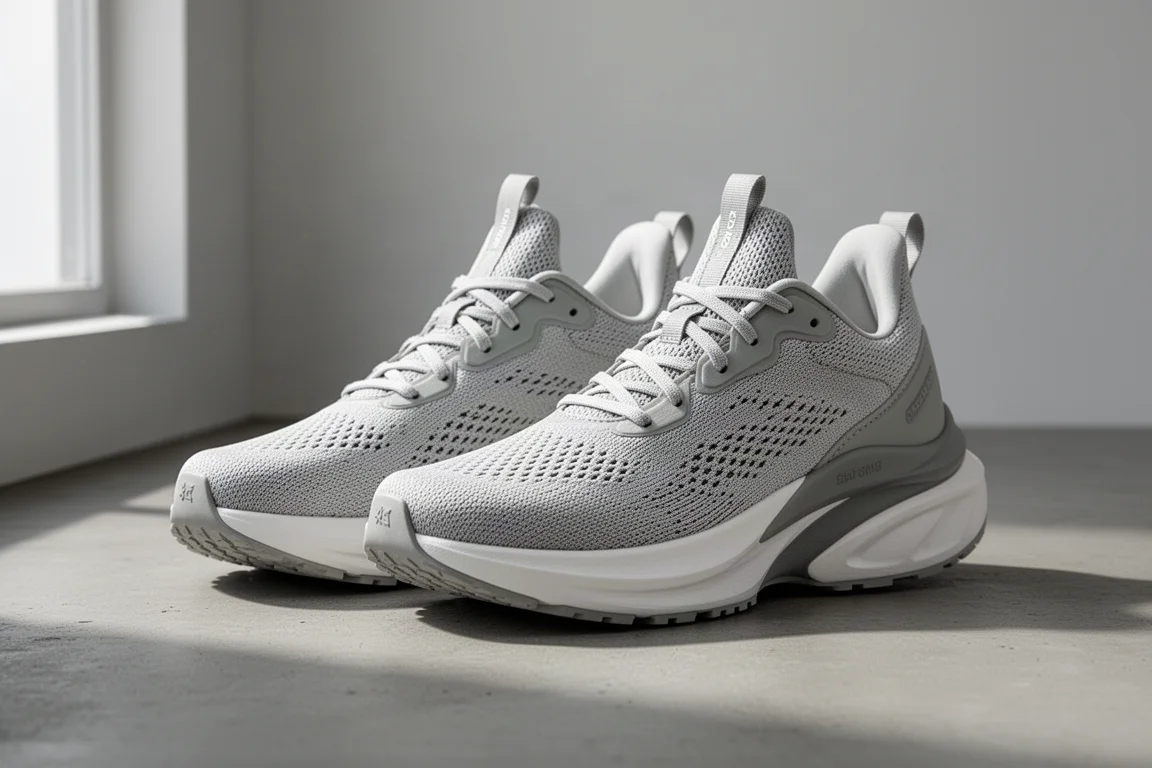
The GlideRide line went quiet for over two years, long enough that many runners assumed ASICS had quietly retired it. Instead, the brand came back with something different: the ASICS GlideRide Max, a taller, softer take on the rolling, comfort-first concept the line was built around. This review covers how the GlideRide Max performs, how it stacks up against the Nimbus 26 and its own predecessor, the GlideRide 3, and two alternatives worth considering if the price or the feel does not suit you: the Puma ForeverRun and the Saucony Triumph 22.
ASICS GlideRide Max: Specs and Construction
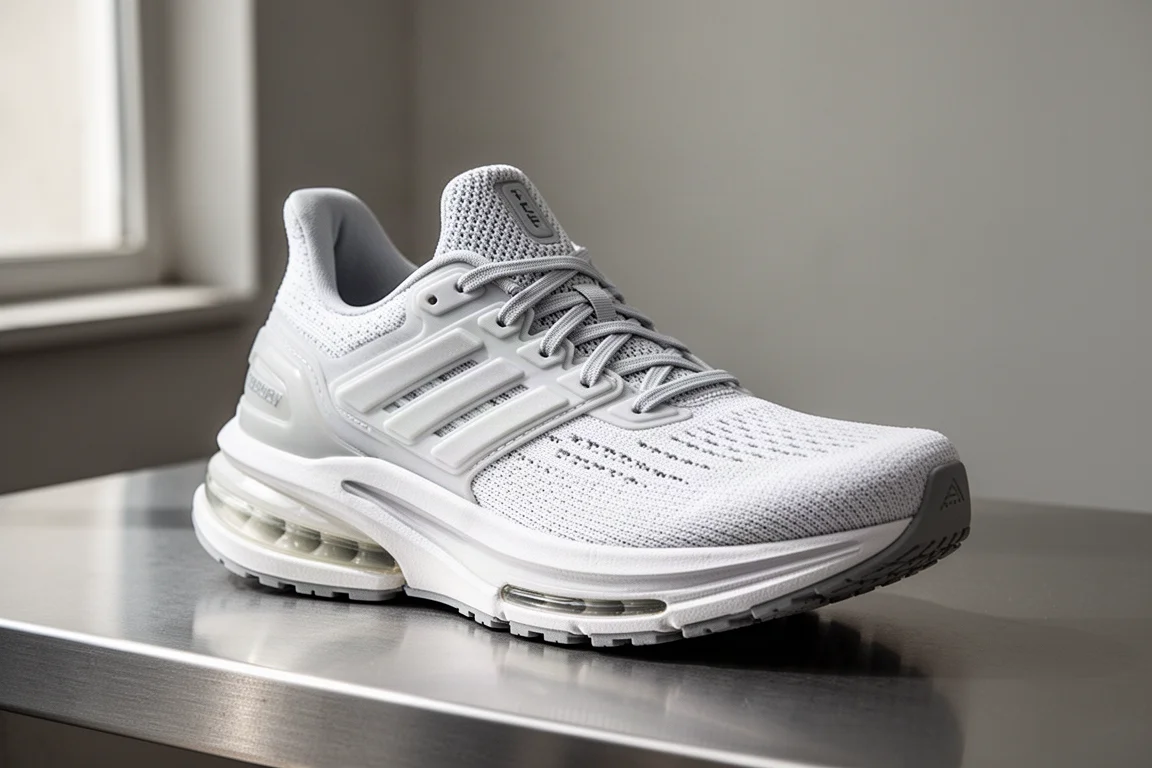
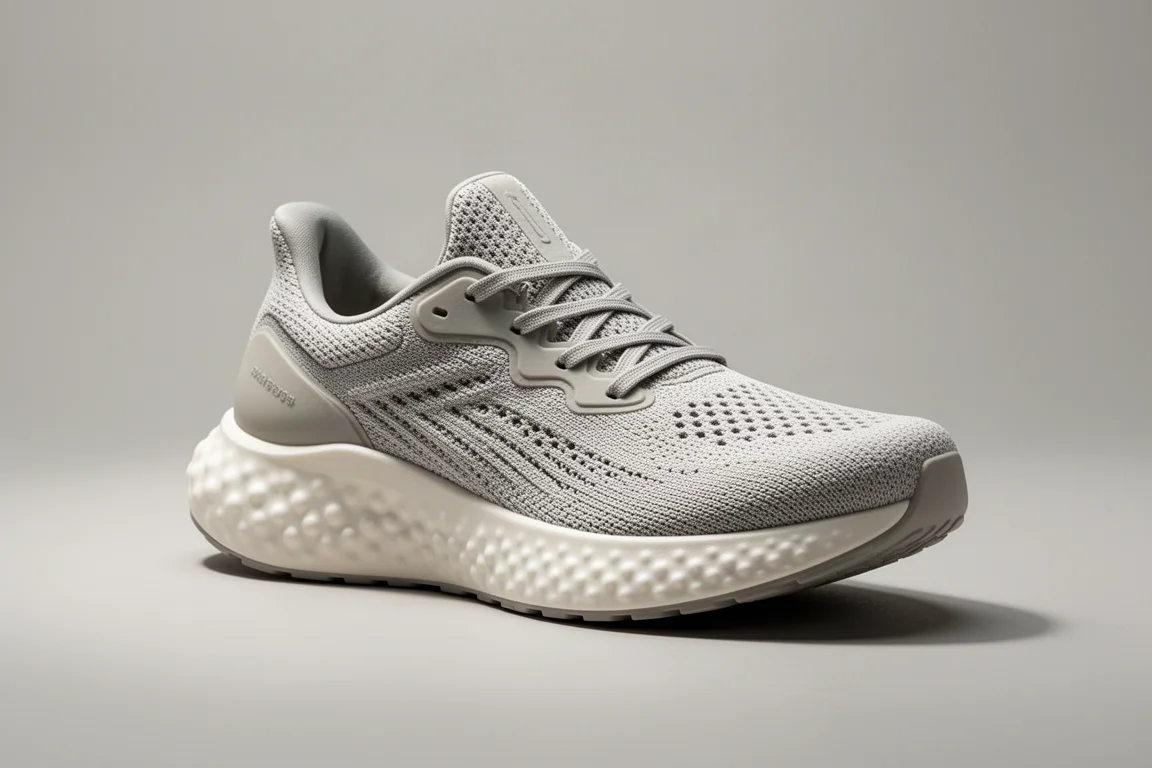
On paper, the GlideRide Max is a genuinely tall shoe. It has a 44 mm stack height at the heel, a 6 mm drop, and 38 mm of foam under the forefoot. ASICS lists the weight at 287 g (10.1 oz), which is on the heavier side, though that is fairly typical for a max-cushion daily trainer.
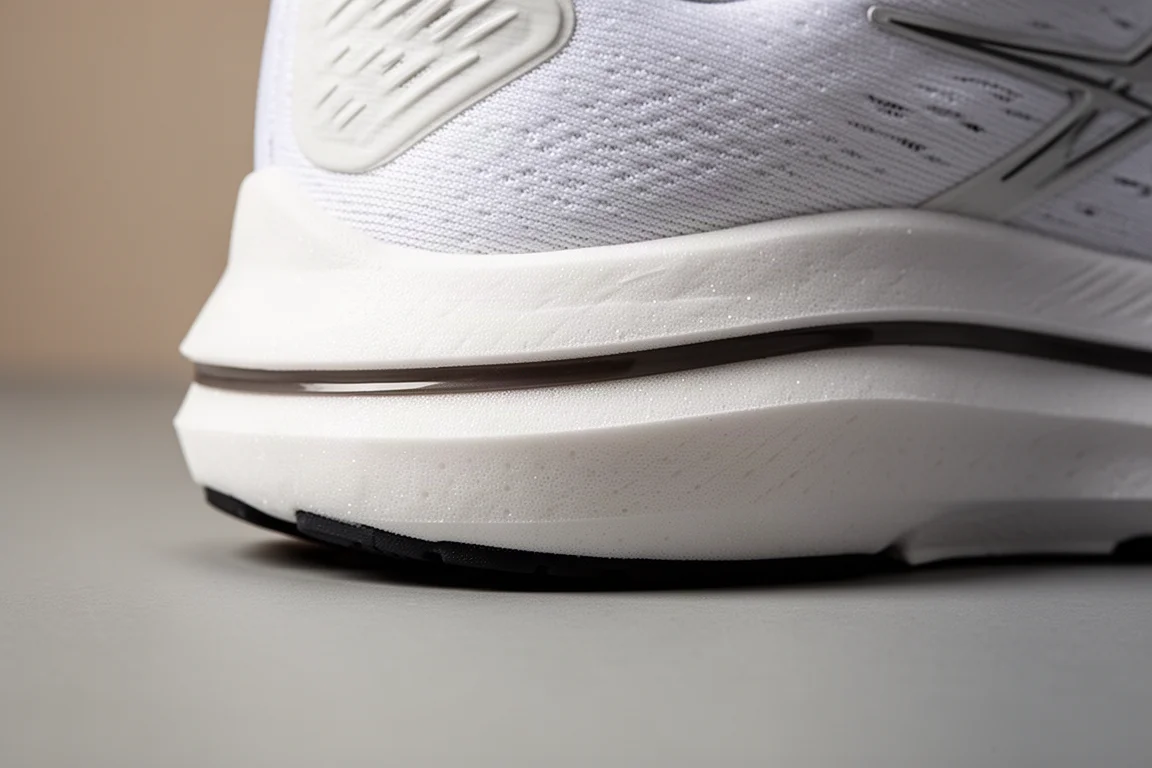
The midsole is built from three components. The headline material is FF Blast Max, a new generation of ASICS’ FF Blast foam that debuts in this shoe before appearing in other models in the lineup. Underneath sits FF Blast Plus Eco, a foam already used this year in shoes like the Nimbus 26. Between the two layers sits a hardened EVA plate, three-quarter length and described as a frying pan shape, concentrated in the forefoot to separate the softer top layer from the firmer bottom layer.
The outsole uses ASICS Hybrid Grip, combining two compounds placed zonally: durable material in high-wear areas and grippier material where traction matters. The upper is a soft, stretchy engineered mesh with less tongue padding than the previous GlideRide, a thick and dense heel cup, and double pull tabs. Sizing runs true to size.
How the GlideRide Max Rides
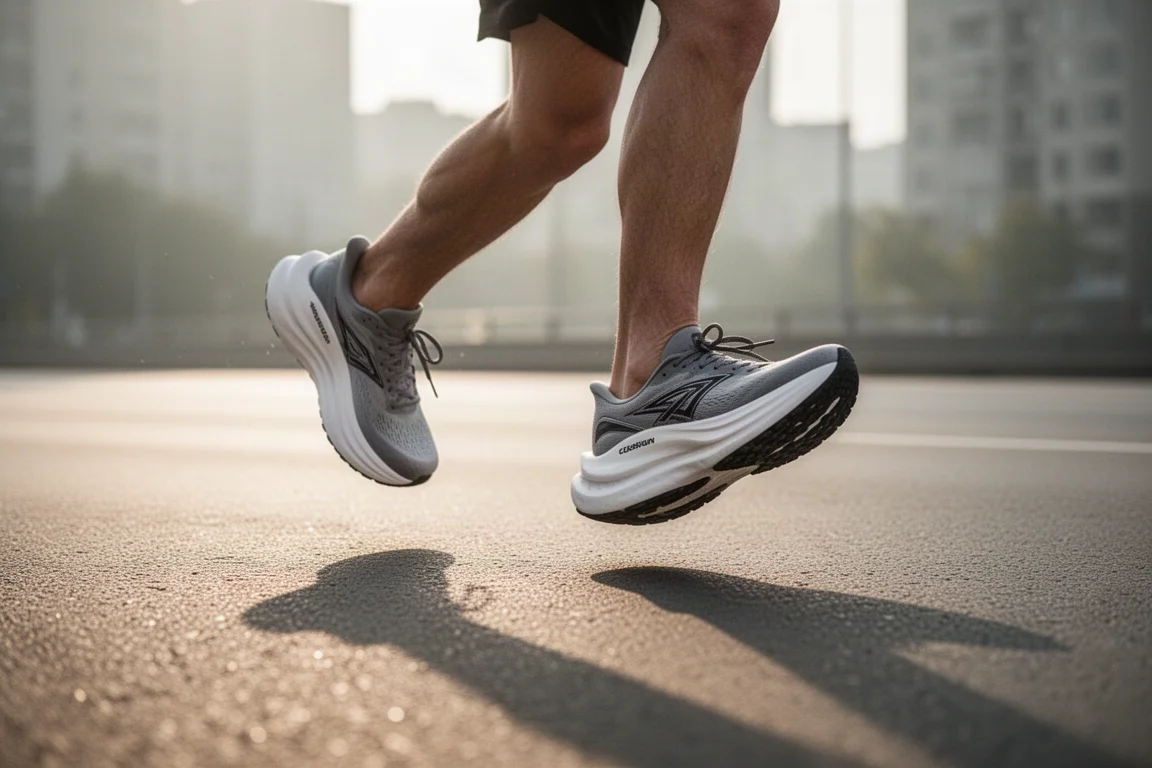
On the road, this is a comfortable, soft max-cushion experience. Landings come back nicely soft from the top layer of FF Blast Max, and the guide sole geometry in the front of the shoe adds a pleasant roll forward with each stride. It excels at recovery runs, easy runs, and long runs, the kind of miles where you enjoy the run rather than watch your pace.
You can pick up the pace briefly for strides, but this is not the shoe for workouts, tempo sessions, or speed days. It is a cruiser, and the weight reinforces that role. For the intended use, though, it is genuinely enjoyable: soft, big, cushioned, and rolling smoothly.
How It Compares to the ASICS Nimbus 26
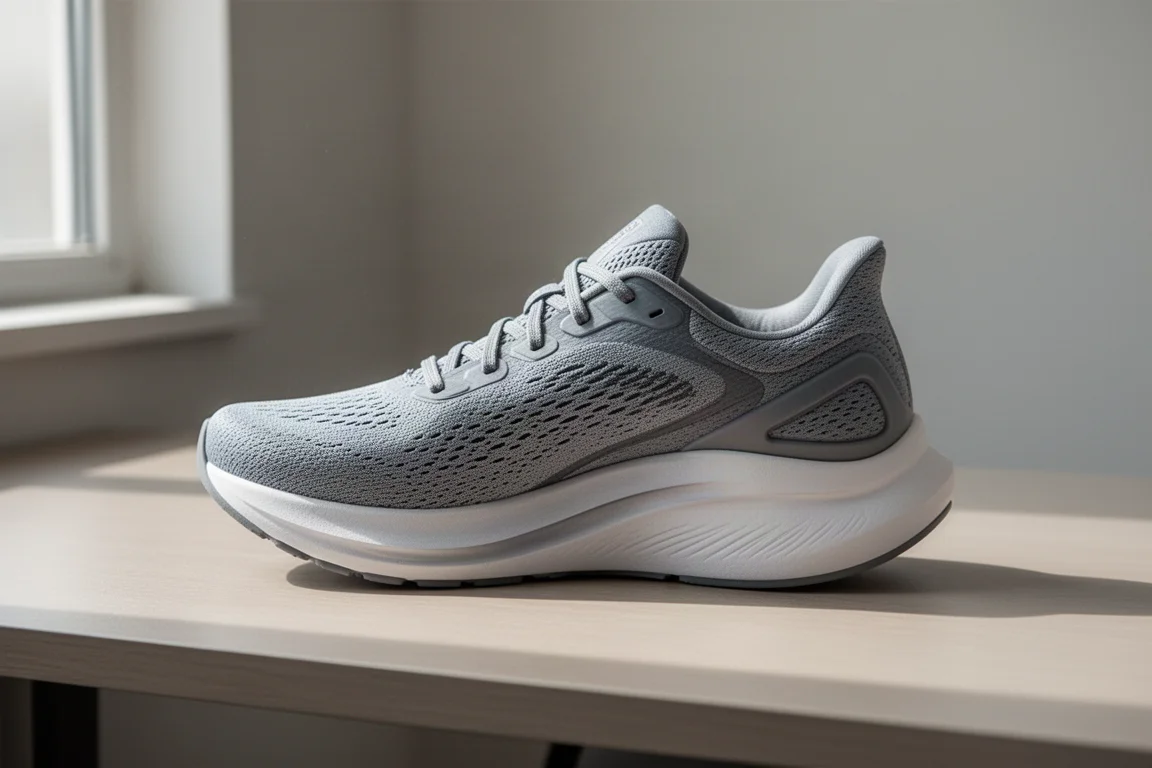
The Nimbus 26 shares a lot of visual and spec-sheet DNA with the GlideRide Max, but the ride differs in one key way: the Nimbus carries a bit of extra firmness that the GlideRide Max corrects. The combination of FF Blast Max on top, the EVA plate, and FF Blast Plus Eco underneath produces a softer experience than the Nimbus 26’s FF Blast Plus Eco-only setup. If you found the Nimbus 26 slightly too firm, the GlideRide Max is effectively the softer Nimbus-style ride, minus the gel.
How It Compares to the ASICS GlideRide 3
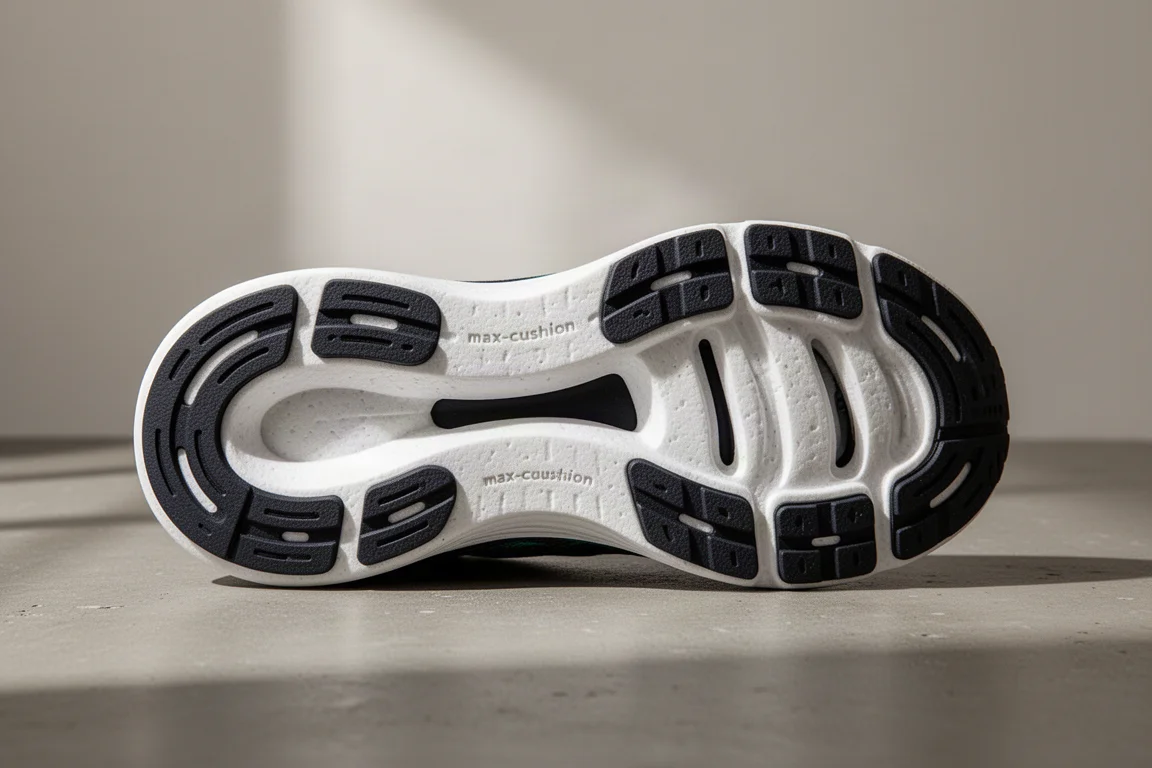
The GlideRide 3 was a quirkier shoe. Its forefoot had a paddle or scoop-shaped design, a remnant of the original MetaRide, and a horseshoe-shaped layout with a deep center cavity that put the hardened EVA layer on full display. That created stable rails with a soft landing zone in the middle, a sensation that grew on you during tired, beat-up recovery runs.
The GlideRide Max keeps only a shadow of that center channel, much shallower than before, and its modified outsole leans more Nimbus-style than GlideRide-style. That means less of the dipping, rolling sensation fans of the GlideRide 3 loved. On the flip side, this is an easier shoe to understand right away, and most runners will find the new version the better overall shoe: simpler, softer, and more conventional.
Puma ForeverRun: A Cheaper Middle Ground
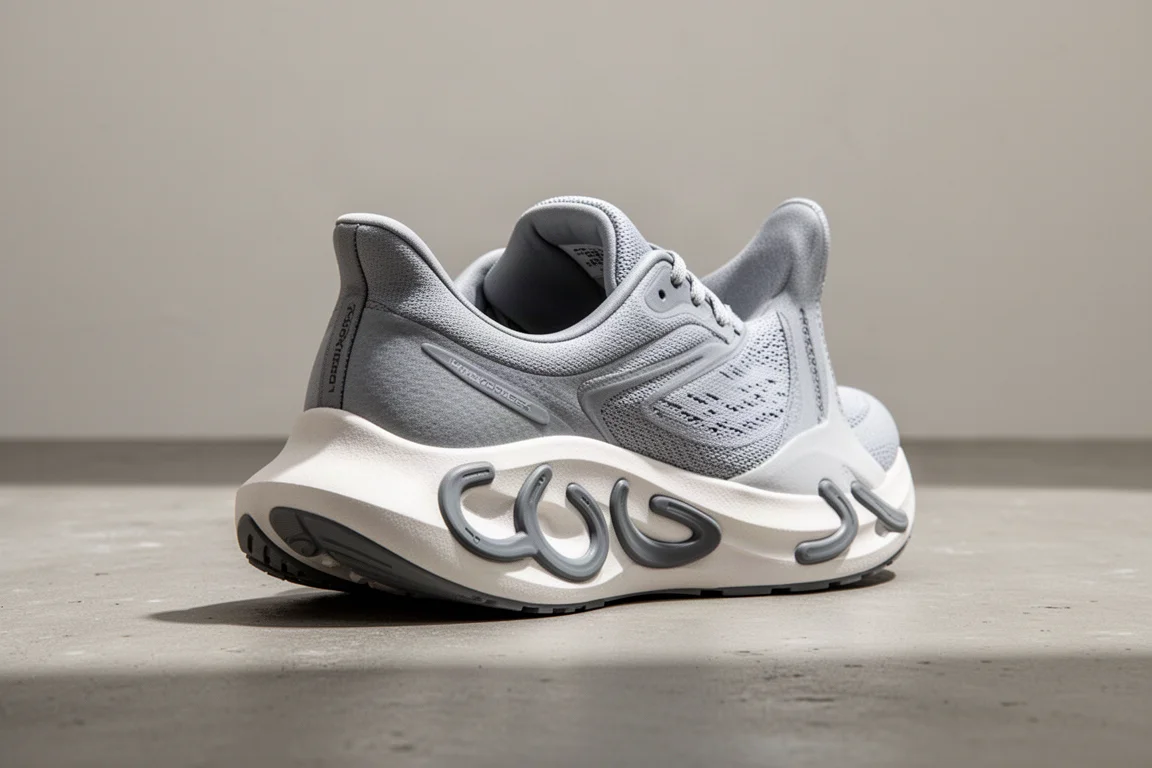
The Puma ForeverRun sits conceptually between the GlideRide 3 and the GlideRide Max. It uses two kinds of Nitro foam: a firmer outer layer and a softer, squishier insert you can see through the outsole. The setup resembles the GlideRide 3’s horseshoe approach, protecting the foot from tipping side to side while offering a pleasant soft layer to sink into. It takes a little time to warm up to, but once it clicks, it delivers a similar satisfaction to the older GlideRide. It has been available for a while, still sells at its full retail price of $150, which is $20 less than the GlideRide Max.
Saucony Triumph 22: Maximum Squish
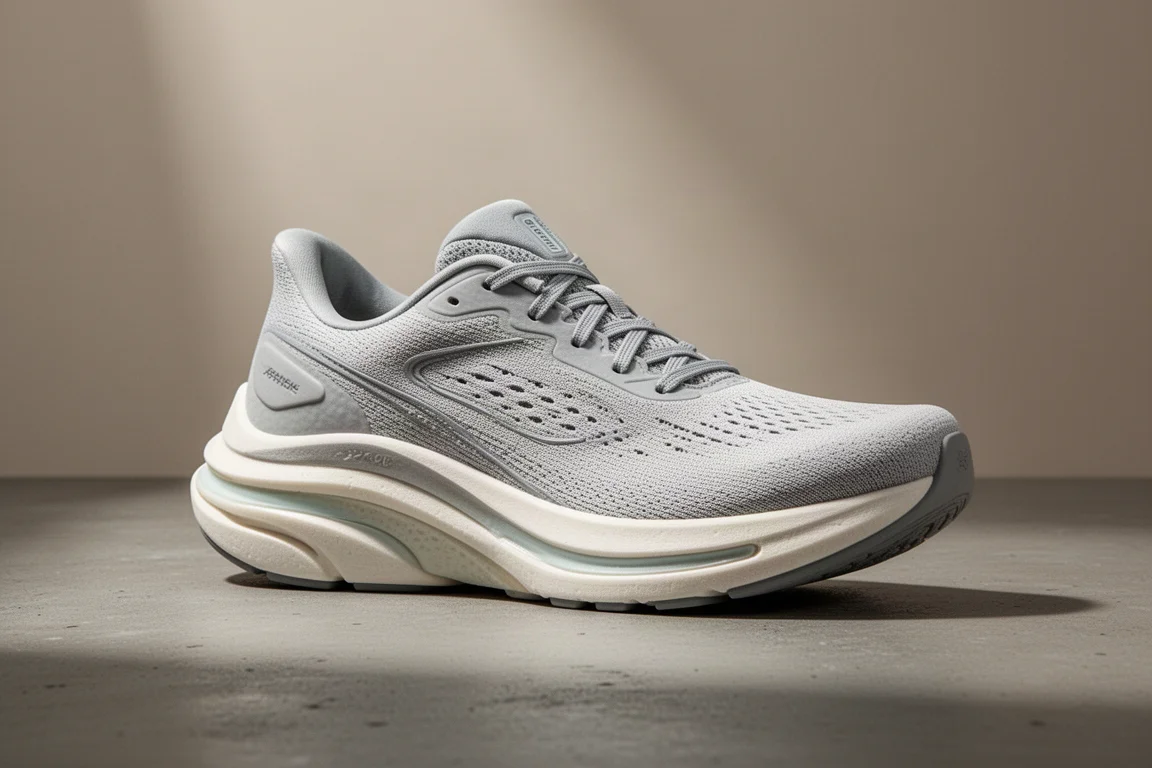
The Saucony Triumph 22 is the mushier option in this group. If your priority is simply the softest, squishiest ride available right now, the Triumph 22 sits near the top of that list. Its trade-off is that you can occasionally feel a little stuck in that mushiness. If you want softness that still rolls forward, the GlideRide Max is the better choice; if rolling does not matter to you and pure squish does, the Triumph 22 wins. It retails at $160, $10 less than the GlideRide Max.
Buying Advice: Which One Should You Pick
Within the ASICS lineup, the GlideRide Max fills the max-cushion slot for long, slow distance and self-care runs. It releases in the United States on September 17th at $170, which is on the expensive side for the category. The Nimbus 26 is its closest in-house alternative and the pick if you prefer a touch more firmness; the Cumulus offers a firmer, more stable daily-trainer option; the Superblast covers long runs where you want to pick up the pace; the NovaBlast handles everyday mileage; and the Metaspeed Sky Paris and Magic Speed 4 cover racing and workouts respectively.
If the $170 price gives you pause, the Puma ForeverRun at $150 and the Saucony Triumph 22 at $160 both cover similar ground for less money. Choose the ForeverRun for the closest match to the old GlideRide feel, the Triumph 22 for pure softness, and the GlideRide Max if softness plus smooth rolling is the combination you are after.
Conclusion
The GlideRide Max is a welcome return for a line many thought was finished. It trades some of the GlideRide 3’s quirkiness for a softer, simpler, Nimbus-style ride, and for easy miles, recovery days, and long runs, that trade mostly works in its favor. Its main hurdle is price, but with the Nimbus 26, GlideRide 3, Puma ForeverRun, and Saucony Triumph 22 all offering variations on the comfort theme, there is a well-matched option here for most comfort-seeking runners.
Further reading
Related Reviews

Running Shoes
Best Road-to-Trail Running Shoes: Three Versatile Options for Mixed Terrain
A practical guide to three road-to-trail running shoes that handle both pavement and mild trails, with clear strengths and trade-offs for different runner types.

Running Shoes
Best Running Shoes for Achilles Tendonitis: Three Options Explained
Three running shoes with different heel drops and support features designed to help reduce Achilles tendon pain during walking and running.

Running Shoes
Best Running Shoes for Women: Five Top Choices Ranked
A ranked guide to five women's running shoes, from versatile daily trainers to high-performance racing options, with real strengths and trade-offs for each.