Running Shoes
ASICS Glide Ride Max 1 vs 2: Which Rocker Trainer Deserves Your Money?
A closer look at how the ASICS Glide Ride Max 2 improves on version 1 with a lighter upper, firmer ride, and more stable platform.
Introduction
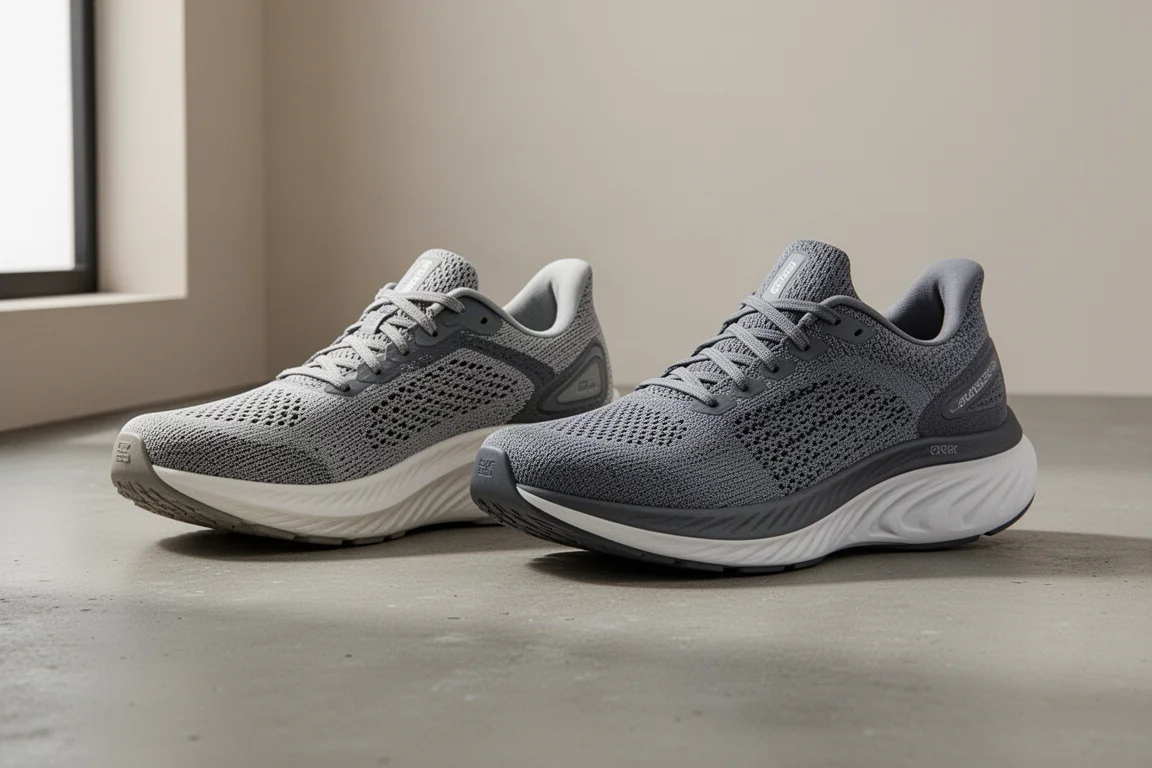
The ASICS Glide Ride Max series is the rocker shoe within the ASICS max-cushion lineup: tall stack heights, a more aggressive roll-forward geometry, and a 3/4-length plate in the midsole to stiffen and hold that rocker shape. Version 1 and version 2 share that core recipe, but they do not feel the same on foot, and the difference is bigger than “just an upper update” might suggest.
This comparison is for runners deciding between the two: whether to grab version 1 on sale or pay full price for the new one.
Shared Foundation: Same Stack, Same Rocker Philosophy
Both shoes use a max stack height of 46 mm in the heel and 40 mm in the forefoot, for a 6 mm drop. That number matches how they feel: not too low, not too high. There is a lot of overlap here with shoes like the ASICS Nimbus in terms of stack, and the lighter new version overlaps with the Novablast too.
What separates this series from those shoes is the geometry. The Glide Ride Max is more rockered, and a 3/4-length plate helps hold the rocker shape through the gait cycle. Earlier GlideRide models were loved for a very aggressive forefoot rocker that was not for everybody, but for the people who needed it, it genuinely helped them roll forward. This series is a toned-down, max-cushioned take on that idea, and it still has its place.
Upper Changes: Lighter, Snugger, More Secure
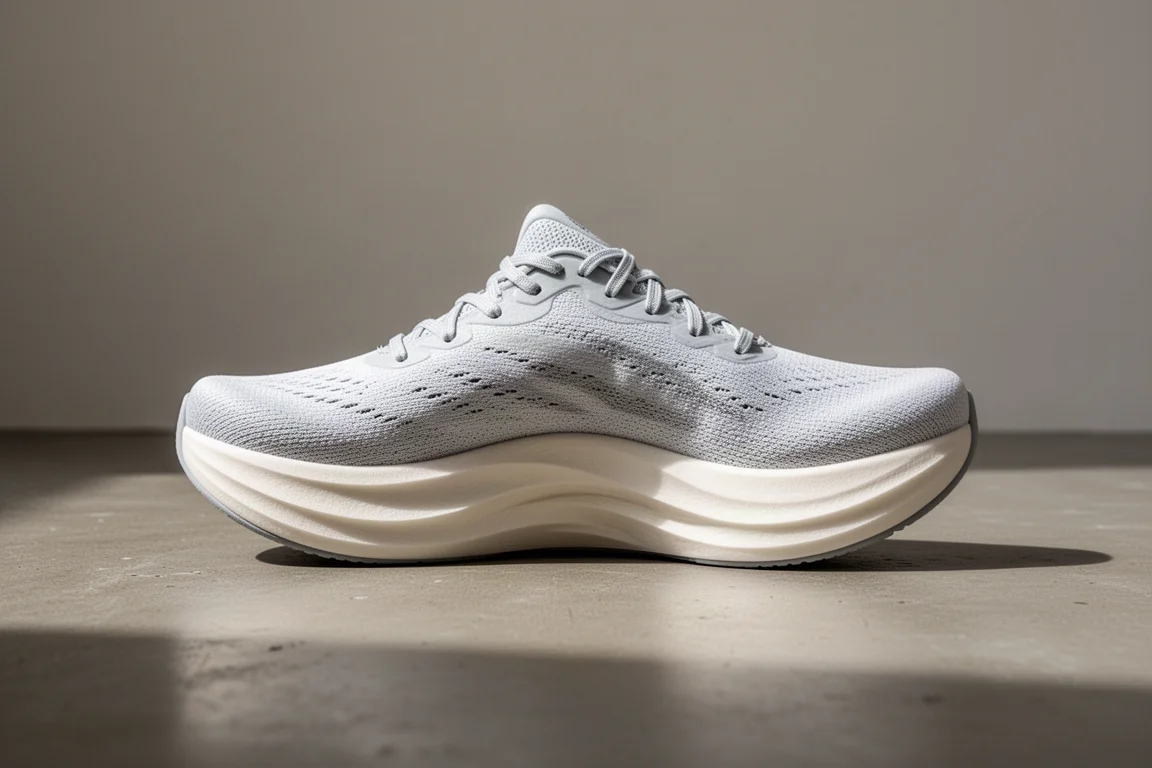
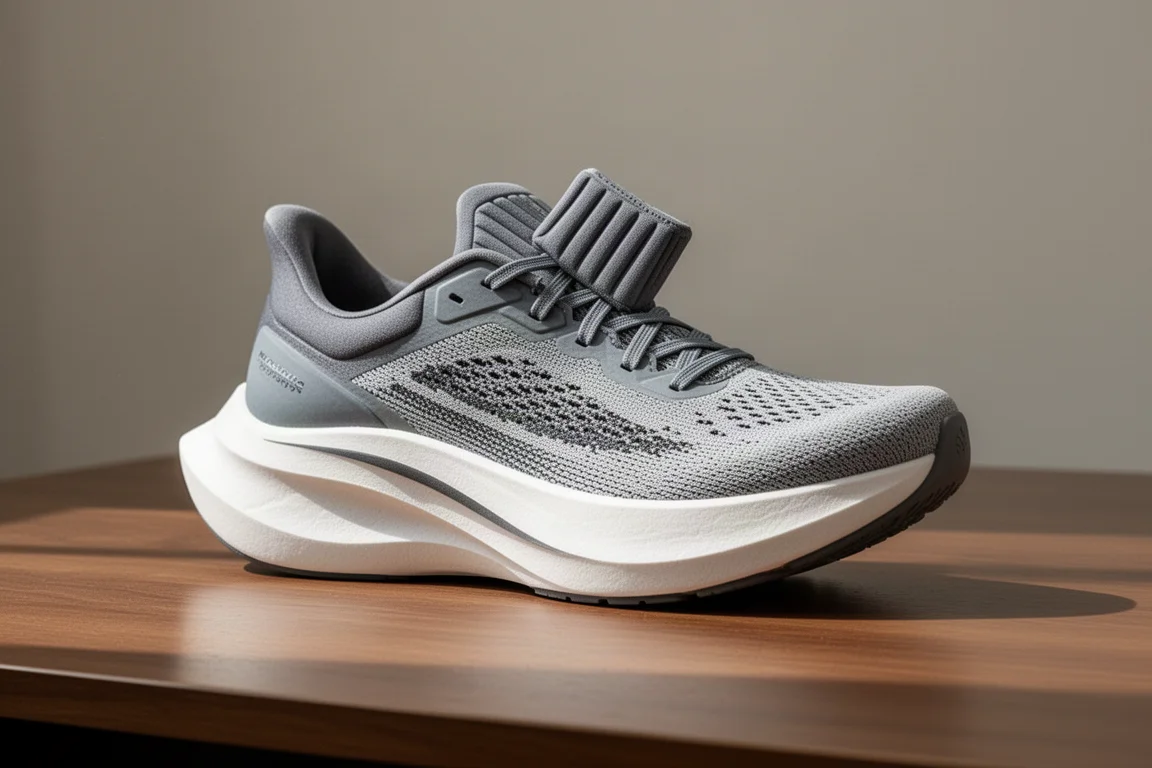
Version 1 uses a mesh upper with a bit more room. It was neither especially wide nor narrow, felt pleasant and spread out, and had plenty of padding in the heel that pushed the foot slightly forward. The tongue was very thick, though thankfully gusseted.
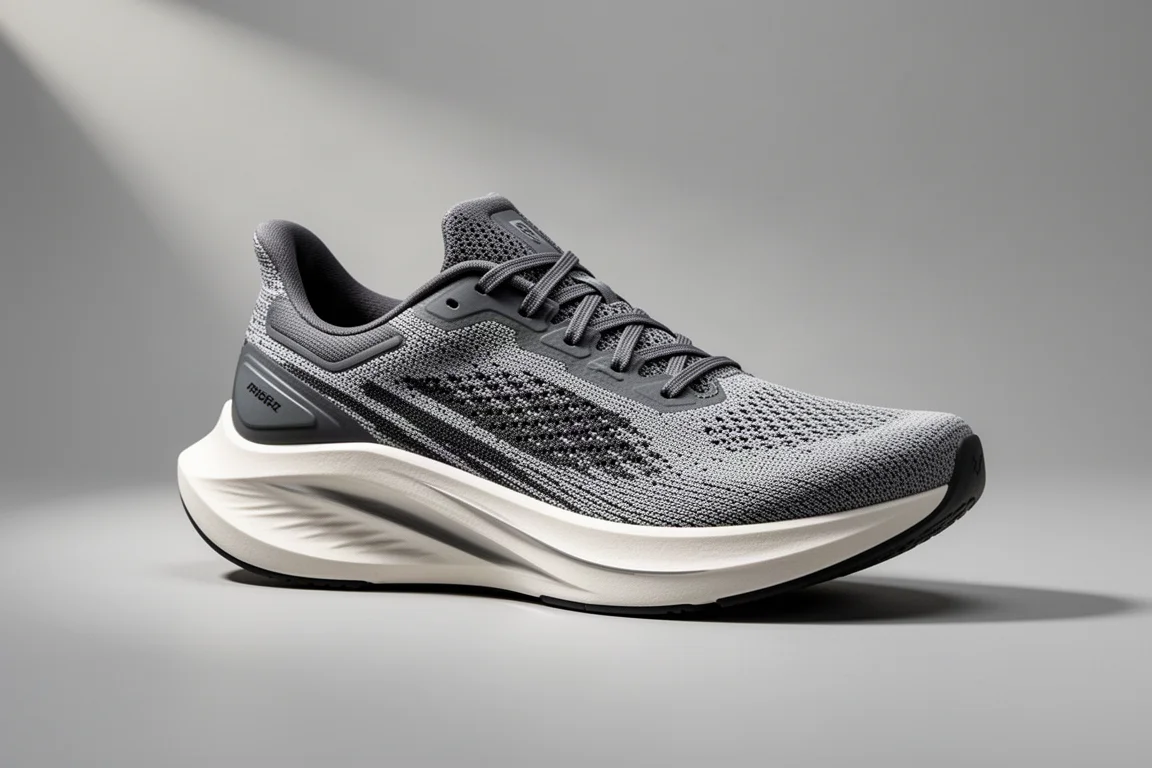
Version 2 drops a lot of weight by switching to a polyester material that feels very much like a knit upper. The fit is noticeably more snug. Walking around, you feel it; while running, it disappears. The trade-off is a little more pressure on the toes. Runners used to a snugger fit will prefer version 2, and even runners with normal-width feet should find the upper spreads out fine on the run. A wide version is available if needed.
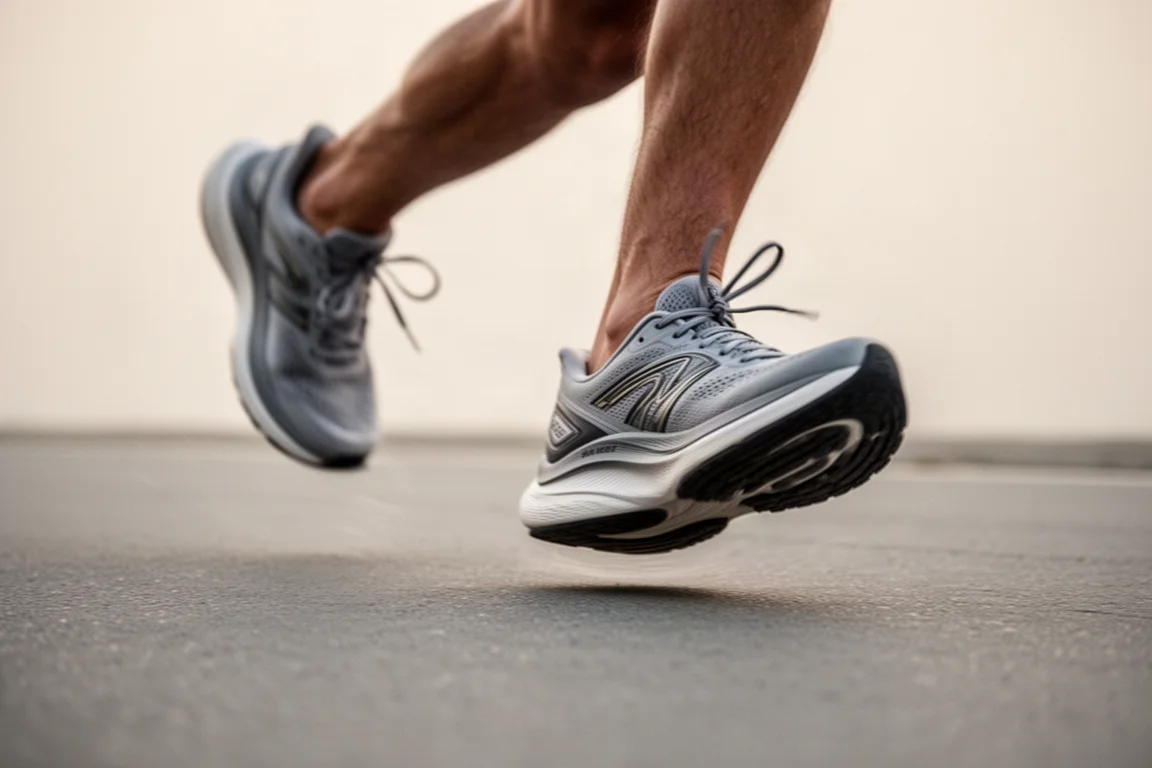
Other upper differences: the heel collar padding in version 2 is toned down considerably. If you loved the plush collar of version 1, that shoe is the better pick. Version 2 adds a bit more heel protection, so if excessive collar padding tends to irritate you, the new upper is the more balanced choice of the two.
Midsole and Plate: Firmer Feel, More Present Rocker
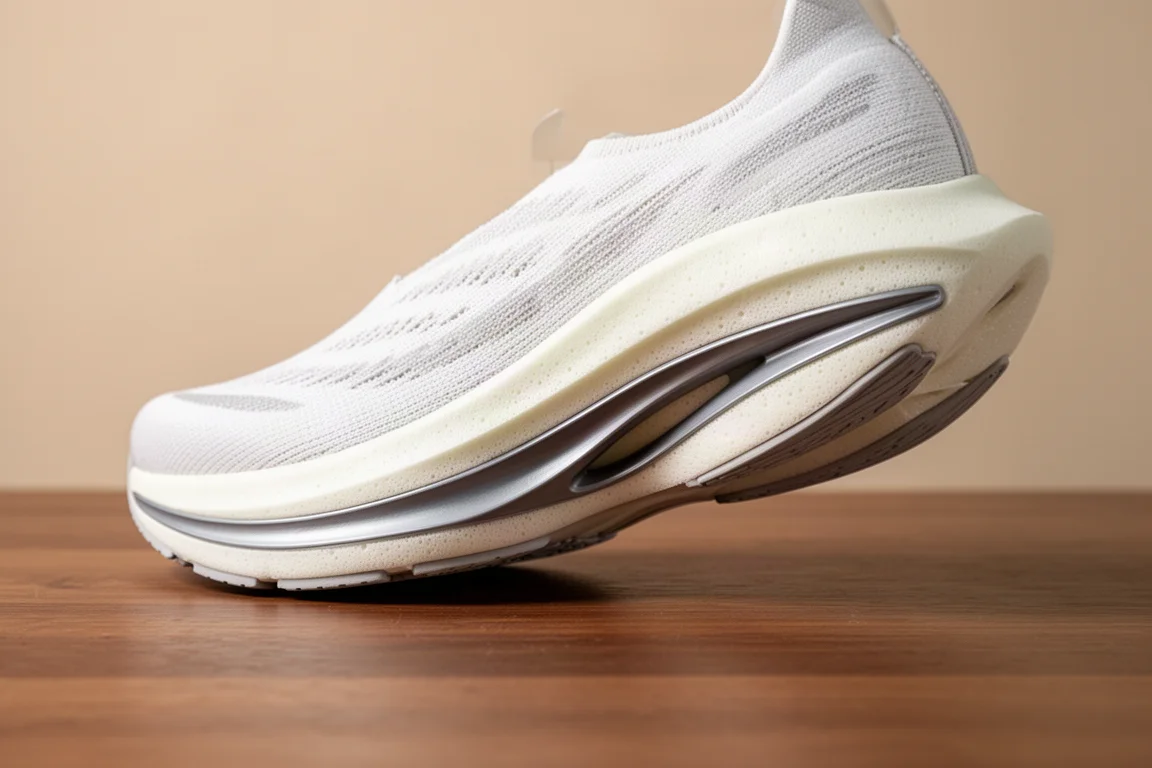
The midsole setup is where the two diverge in feel. Version 1 felt mushy and overly soft underfoot, which muted the rocker; even with the plate, the soft foam just rolled a little less. Version 2 feels more balanced and a touch firmer, and the plate feels stiffer as well. The firmer platform makes the rocker noticeably more present, and the ride smoother overall.
The claimed foam names appear to be similar between versions, with the newer shoe using Flytefoam Blast Plus in the mix, but underfoot the difference is real. Version 2 also feels more stable through the length of the shoe, with a more centered ride rather than a medial bias.
Weight and Ride Feel: The Biggest Practical Difference
In a men’s size 10, version 1 weighed 10.6 ounces (about 302 g), while version 2 comes in a full ounce lighter at 9.6 ounces (about 272 g). That difference is very noticeable. Version 1 felt heavy and a bit clunky, partly due to a posterior heel flare, while the lighter version 2 simply moves better.
If you are not sensitive to the details above and just want a moderately rockered, high-stack shoe that is a little softer, version 1 at a sale price can be perfectly fine. If you want a firmer, lighter, more secure-feeling shoe with a more present rocker, version 2 is the stronger pick.
Conclusion
Version 2 is the better shoe for most runners: lighter, more secure, more stable, and smoother rolling. Version 1 still makes sense if you find it heavily discounted, prefer a softer ride, or want the roomier, plusher upper. Match the shoe to what your feet actually notice, and either version can earn its place in the rotation.
Further reading
Related Reviews

Running Shoes
Best Road-to-Trail Running Shoes: Three Versatile Options for Mixed Terrain
A practical guide to three road-to-trail running shoes that handle both pavement and mild trails, with clear strengths and trade-offs for different runner types.

Running Shoes
Best Running Shoes for Achilles Tendonitis: Three Options Explained
Three running shoes with different heel drops and support features designed to help reduce Achilles tendon pain during walking and running.

Running Shoes
Best Running Shoes for Women: Five Top Choices Ranked
A ranked guide to five women's running shoes, from versatile daily trainers to high-performance racing options, with real strengths and trade-offs for each.