Running Shoes
ASICS Glide Ride Max 2 Review: A Sleeper Max Cushion Trainer Gets Sharper
ASICS kept the midsole and trimmed everything else, turning the Glide Ride Max 2 into a lighter, snappier high-mileage trainer. Here is what changed and who it suits.
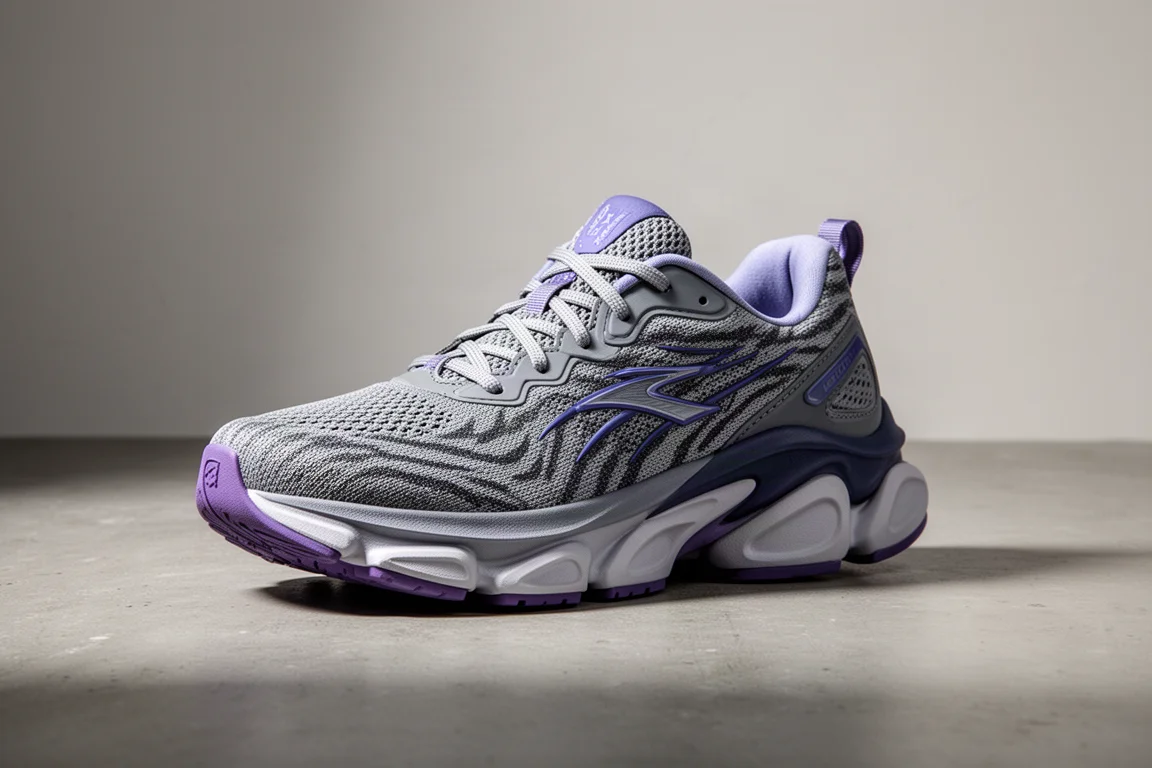
Introduction
The ASICS Glide Ride Max 2 is one of the quieter updates in the brand’s max cushion lineup, and that is exactly why it is worth paying attention to. The original Glide Ride Max was a sleeper shoe that many people assumed would be discontinued once the Sonic Blast and Mega Blast arrived, but ASICS kept it alive and refined it instead.
The changes here are deliberately small. The midsole is untouched, so you still get the same dual-foam construction: the comfort foam from the Gel Nimbus on the bottom, the softer FF Blast Max foam on top, and a hard-pressed EVA plate sandwiched between them to reinforce the shoe’s aggressive rocker. What ASICS changed instead is the upper, tongue, and insole, all in the name of dropping weight and adding a slightly faster feel.
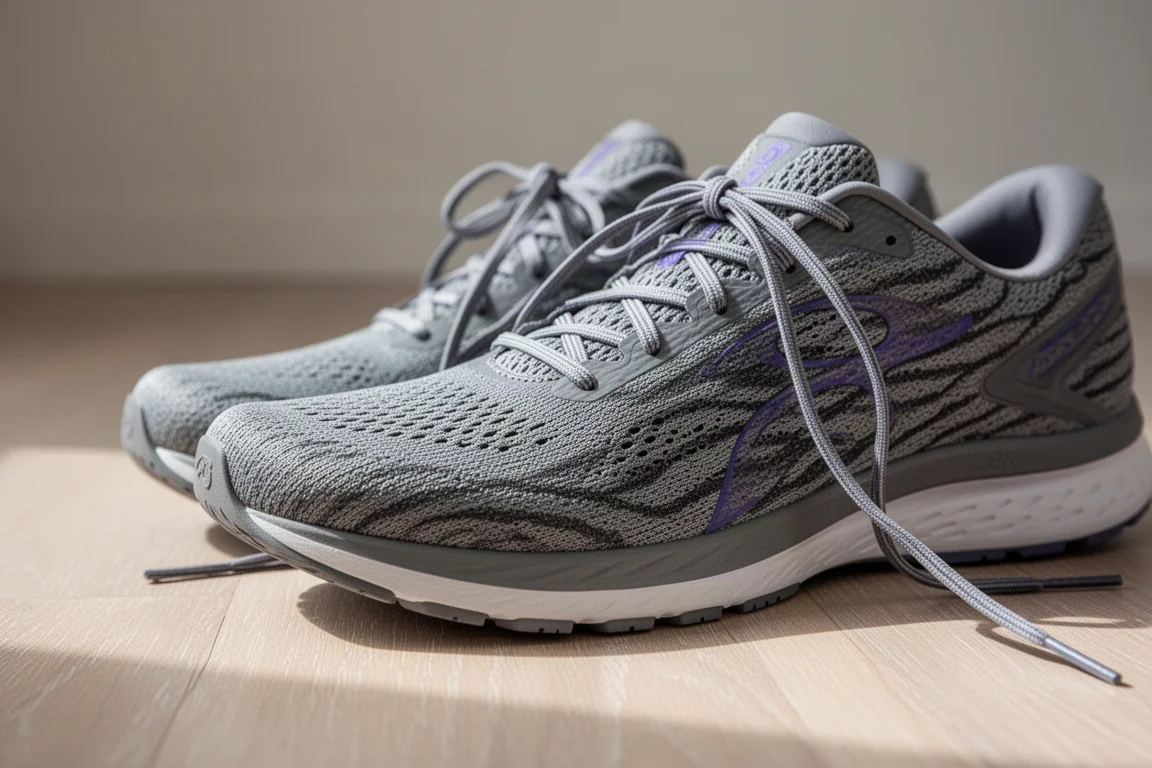
The result is a shoe that keeps the smooth, easy-riding character of the original while nudging it closer to the Super Blast 2 in weight and fit. It is a subtle shift, but it makes the shoe’s purpose clearer than ever.
Who This Shoe Is For
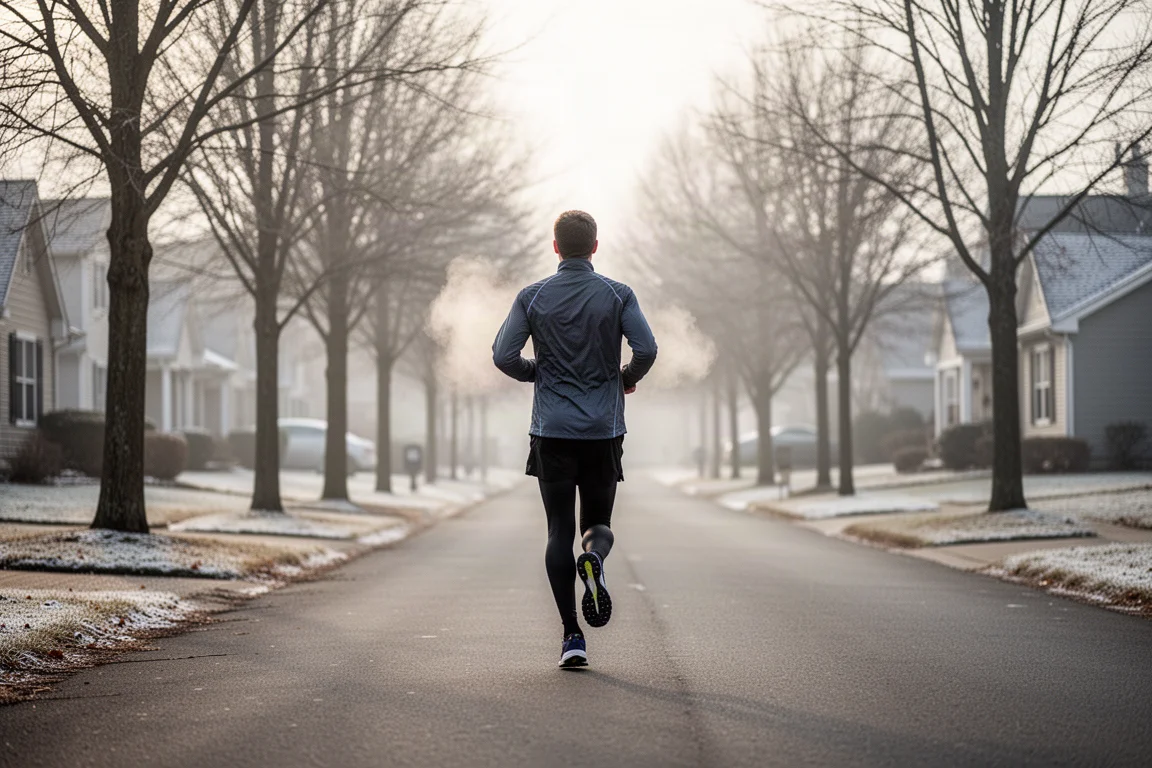
This is a niche shoe in the best sense of the word. Historically, the runners who loved the original were those genuinely stacking high mileage, think 60 to 80-plus miles per week, where the shoe’s smooth rocker and plush-but-assisted ride make daily miles feel effortless.
If you only run a few times a week, the concept can seem odd: a max cushion shoe with a plate, built for comfort but not quite a pure recovery tool. The value shows up once mileage volume becomes the point. It works beautifully for steadier long runs, easy days, and zone 2 work, and it still has enough roll to pick up the pace toward normal everyday running without forcing you to.
Compared directly with the Super Blast 2, the contrast is clear. The Super Blast 2 is firmer, more structured, and rewards power or forefoot landings, while the Glide Ride Max 2 is softer, smoother, and more forgiving across the whole platform. It is essentially the gentler, more rockered sibling.
Main Strengths
The headline number is weight. The original measured around 303 g in the test size, and the Glide Ride Max 2 comes in at roughly 278 g, close to a 7 to 8 percent drop. The midsole did not change at all, so the entire saving comes from a lighter woven upper, a thinner Super Blast-style tongue, reduced heel padding, and a slimmer insole.
That weight reduction also explains the stack change. Official specs list the original at 46 mm, and the new version sits at 43 mm in testing, with the difference coming entirely from the thinner insole and lasting rather than any midsole change.
The ride character is the other strength. The rocker combined with the hard-pressed EVA plate is not designed for speed, it is designed for support, and it gives the shoe an easy roll through the stride that makes turning the legs over almost automatic. Even at genuinely slow paces, the shoe felt more direct and less mushy than the original, with about 2 percent less sluggishness through the stride.
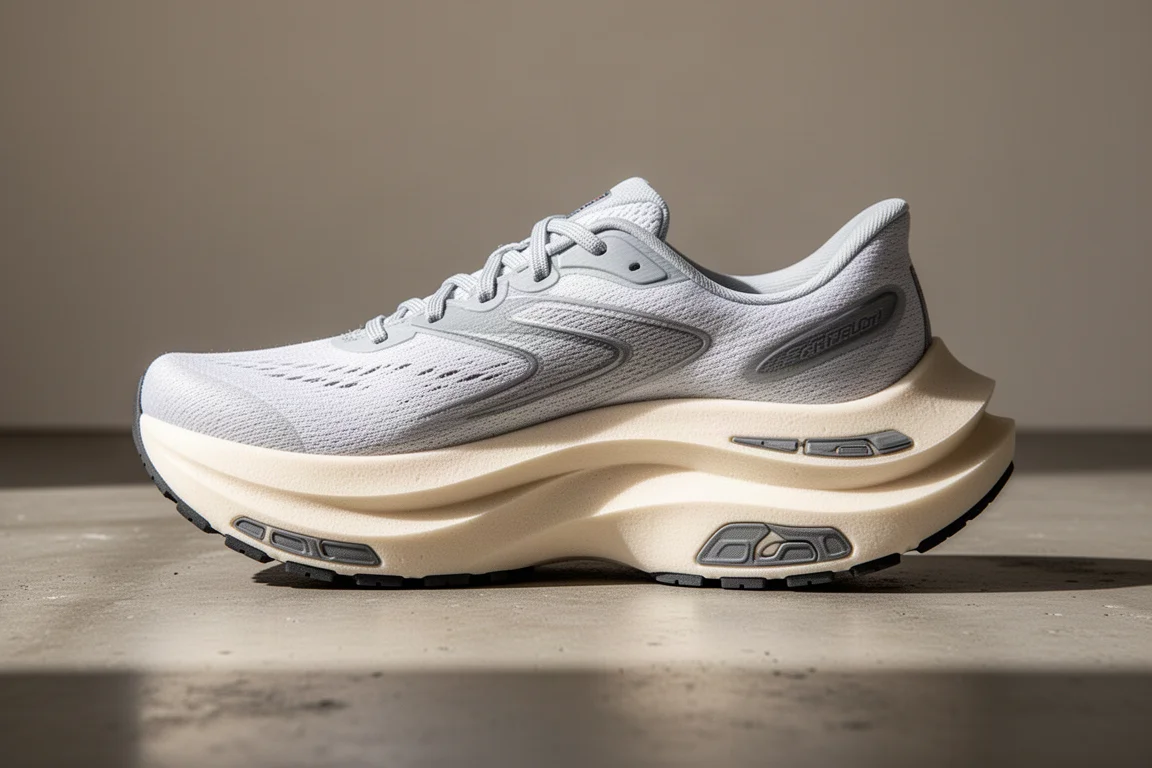
Durability is also on its side. The FF Blast Plus comfort foam on the bottom held up well after roughly 80 to 100 miles of use in testing, still measuring above 40 mm in the heel, which supports ASICS’s argument that EVA blends still have a real place in training shoes for comfort and longevity.
Things to Consider Before Buying
The biggest trade-off is comfort. To differentiate the Glide Ride Max from the Nimbus, ASICS made the upper slightly scratchier and thinner, swapped the padded tongue for a thinner one, reduced heel collar padding, and added a thinner insole. Nothing here feels bad, but step-in comfort is a notch below both the original and the Nimbus.
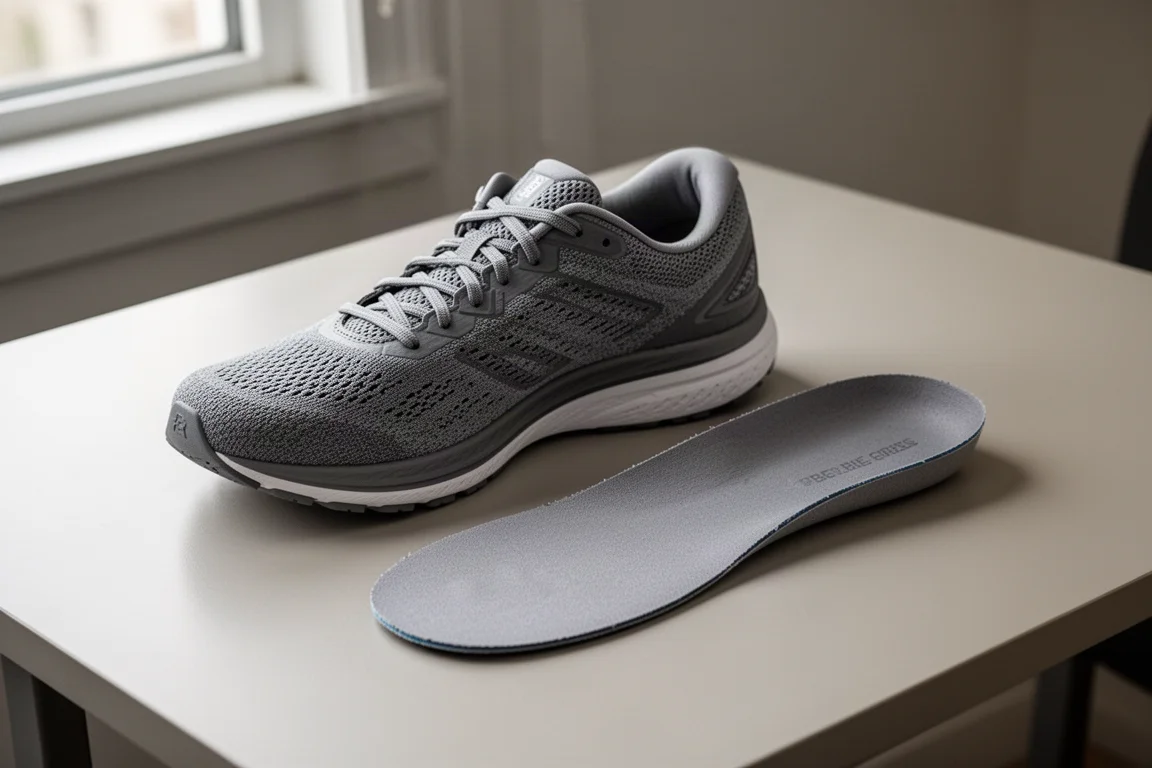
Fit is the other thing to check. Although ASICS says the forefoot is built on a wider last than the Nimbus, the toe box felt snug and low-volume on lace-up, with a more performance-oriented fit. Length runs true to size, but runners who like a roomy, forgiving front end may prefer the Nimbus.
It is also worth being honest about what this shoe is not. It is not a workout shoe, and it is not the softest option if you want a plush walking shoe. It sits deliberately in the zone 2 sweet spot between the Nimbus’s pure comfort and the Super Blast’s speed requirements.
Buying Advice
Priced around $170, the Glide Ride Max 2 feels fairly priced for a max cushion trainer with good everyday tech, a lightweight build, and a lot of cushioning. If you want the version described here, slightly faster, lighter, and more streamlined, this is the one to get.
If your priority is maximum comfort and you do not mind the extra weight, the original Glide Ride Max is still worth hunting down, often at a heavy discount, as a recovery or comfortable daily trainer option. And if you want more outright snap and long-run pace capability in the same family, the Super Blast 2 remains the more aggressive choice.
Conclusion
The ASICS Glide Ride Max 2 does not reinvent anything, and that is fine. ASICS clarified what the shoe is for: a versatile, high-mileage trainer that blends Nimbus comfort, Super Blast long-run stability, and a touch of Nova Blast pop into one smooth package. If stacking comfortable miles is the goal, this is one of the more complete tools you can put on your feet.
Product link
View more details for ASICS Glide Ride Max 2
This product is mentioned in the review. Check the specifications, options, and compatibility before buying.
View more details for ASICS Glide Ride Max 2Further reading
Related Reviews

Running Shoes
Best Road-to-Trail Running Shoes: Three Versatile Options for Mixed Terrain
A practical guide to three road-to-trail running shoes that handle both pavement and mild trails, with clear strengths and trade-offs for different runner types.

Running Shoes
Best Running Shoes for Achilles Tendonitis: Three Options Explained
Three running shoes with different heel drops and support features designed to help reduce Achilles tendon pain during walking and running.

Running Shoes
Best Running Shoes for Women: Five Top Choices Ranked
A ranked guide to five women's running shoes, from versatile daily trainers to high-performance racing options, with real strengths and trade-offs for each.